
Motorcycles with exceptionally long production runs are more than just machines; they are rolling timelines that show how engineering, culture, and rider expectations evolve while a core formula stays intact. When a model survives decade after decade, it signals a rare mix of reliability, emotional appeal, and commercial sense that few nameplates achieve. Here are seven motorcycles whose longevity, as reflected in recent coverage of long-running and influential bikes, illustrates why extended production runs still matter.
Royal Enfield Bullet
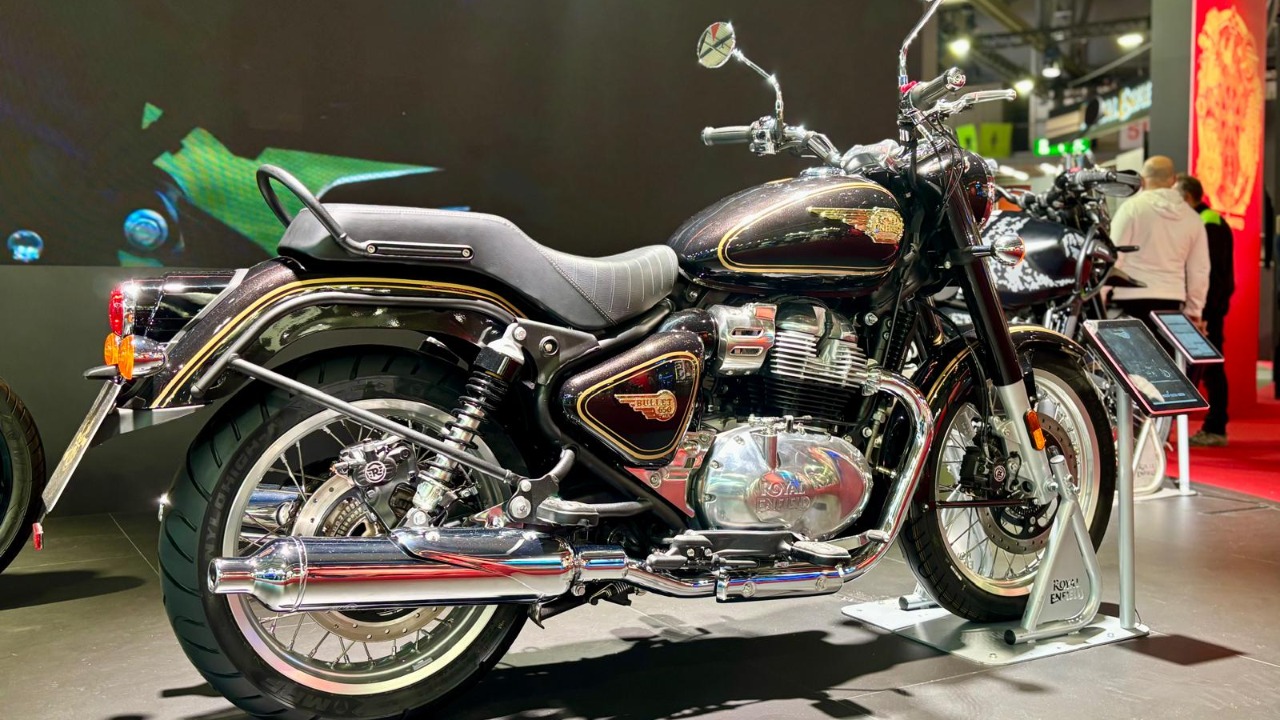
The Royal Enfield Bullet is widely cited as one of the longest-running motorcycle nameplates in continuous production, and recent coverage of two-wheelers with long production runs in India consistently places it at the center of that story. The Bullet’s basic silhouette, single-cylinder character, and upright stance have remained recognizable across generations, even as emissions rules and safety norms forced steady mechanical updates. That continuity has turned the model into a cultural reference point in India and beyond, shaping how riders imagine a classic single.
Its longevity also reflects how a motorcycle can anchor local manufacturing and aftermarket ecosystems over time. A long-running platform like the Bullet supports small garages, parts suppliers, and custom builders who rely on predictable demand. For manufacturers, such a model becomes a hedge against volatile new-product cycles, while for riders, it offers reassurance that parts, service knowledge, and resale interest will not vanish with the next fashion trend.
Harley-Davidson Sportster
The Harley-Davidson Sportster name has appeared in long-running lists of enduring production bikes, with recent roundups of the longest-running production motorcycles highlighting how its basic V-twin roadster formula persisted for decades. Across multiple displacements and sub-variants, the Sportster kept its narrow frame, low seat, and air-cooled character while absorbing changes in electronics, brakes, and emissions equipment. That balance of familiarity and incremental modernization helped it remain an entry point into the brand for generations of riders.
From a broader industry perspective, the Sportster’s extended run shows how a single platform can anchor a company’s identity in the middleweight segment. Its presence in long-term lists underscores how heritage models can coexist with more advanced cruisers and touring bikes without cannibalizing them. For riders, the continuity of the Sportster line has meant a deep pool of used examples, tuning knowledge, and customization parts, which in turn reinforces the model’s staying power.
Honda Super Cub
The Honda Super Cub is frequently referenced in discussions of the most enduring motorcycles, and coverage of motorcycles with long production runs points to its remarkable longevity and global reach. Its step-through frame, small-displacement engine, and semi-automatic gearbox created a template for accessible mobility that has been refined rather than reinvented. Over time, Honda has added fuel injection, updated styling, and modern lighting, yet the core usability that made the Super Cub famous has remained intact.
That long production run has significant implications for urban transport and emerging markets. A platform that stays in production for decades allows manufacturers to localize parts, streamline training for mechanics, and keep running costs predictable for commuters. For policymakers and city planners, the Super Cub’s endurance illustrates how simple, durable motorcycles can underpin everyday mobility in regions where public transport is limited or inconsistent.
Kawasaki Ninja ZX-14R
The Kawasaki Ninja ZX-14R appears in lists of big-displacement production bikes, and its sustained presence in that category highlights a different kind of long-running appeal. Rather than focusing on entry-level accessibility, the ZX-14R has built its reputation on high-speed stability, long-distance comfort, and a powerful inline-four that has been refined across updates. Even as electronics packages and chassis tuning evolved, the model’s role as a flagship hyperbike remained consistent.
Its extended production run shows how a manufacturer can maintain a halo product that anchors brand identity in performance segments. For riders, the ZX-14R’s continuity has meant a clear upgrade path from smaller sportbikes into a machine known for straight-line speed and touring capability. For the industry, it demonstrates that there is sustained demand for large-capacity motorcycles that combine power with long-distance usability rather than chasing track-focused minimalism alone.
Honda Gold Wing
The Honda Gold Wing is another motorcycle that repeatedly surfaces in discussions of long-lived models, particularly when analysts examine highly reliable motorcycles. Its reputation for durability, smooth engines, and long-distance comfort has supported a production run that spans multiple generations of touring technology. Over time, the Gold Wing has incorporated features such as advanced audio systems, rider aids, and luggage solutions while preserving its core identity as a full-dress tourer.
For touring riders, the Gold Wing’s longevity translates into confidence that the platform will continue to receive factory support, accessories, and incremental refinements. From an industry standpoint, its sustained presence shows how a manufacturer can dominate a niche by committing to a single flagship over decades rather than constantly replacing it. That stability encourages aftermarket investment in seats, electronics, and suspension upgrades tailored specifically to the model.
BMW R 1200 GS / GS line
The BMW GS family, including the R 1200 GS, is often highlighted when experts discuss adventure motorcycles that have shaped the market over long production spans. Its boxer-twin layout, long-travel suspension, and upright ergonomics created a template for large-capacity adventure touring that has been iterated rather than discarded. Coverage of influential big bikes in features on high-end motorcycles underscores how premium pricing has not prevented the GS line from maintaining strong demand across generations.
The GS platform’s longevity has broader implications for how adventure motorcycles are designed and marketed. Competing brands often benchmark their own large ADV models against the GS, which reinforces its status and encourages BMW to keep refining rather than replacing the concept. For riders, the long-running GS line means a deep ecosystem of luggage, protection parts, and training courses built around its specific capabilities and dimensions.
Yamaha YZF-R1
The Yamaha YZF-R1 has maintained a prominent place in the liter-class sportbike segment for many years, and its recurring appearance in discussions of influential performance motorcycles reflects a sustained production run. While not always framed purely as a longevity story, its repeated inclusion in lists of significant sportbikes and long-running nameplates in performance-focused roundups of enduring motorcycle models shows how its identity has persisted. Each generation has brought sharper electronics, revised aerodynamics, and chassis tweaks, yet the R1 has remained Yamaha’s flagship inline-four superbike.
For the broader market, the R1’s continued production illustrates how racing technology can filter into a stable, long-term product line rather than one-off specials. Its endurance encourages investment in track schools, racing series, and aftermarket parts that assume the R1 will remain a reference point. Riders benefit from a clear lineage of models, making it easier to compare used examples, understand upgrade paths, and trust that technical knowledge about the platform will remain relevant for years.
More from MorningOverview