
Automotive production records are measured in tens of millions, and a handful of nameplates have run so long that their totals dwarf entire national industries. The vehicles that reach those figures rarely win beauty contests; they win on cheapness, durability and factories spread across several continents. Here are seven of the most-produced vehicles in automotive history.
1. Toyota Corolla: Fifty Million And Counting
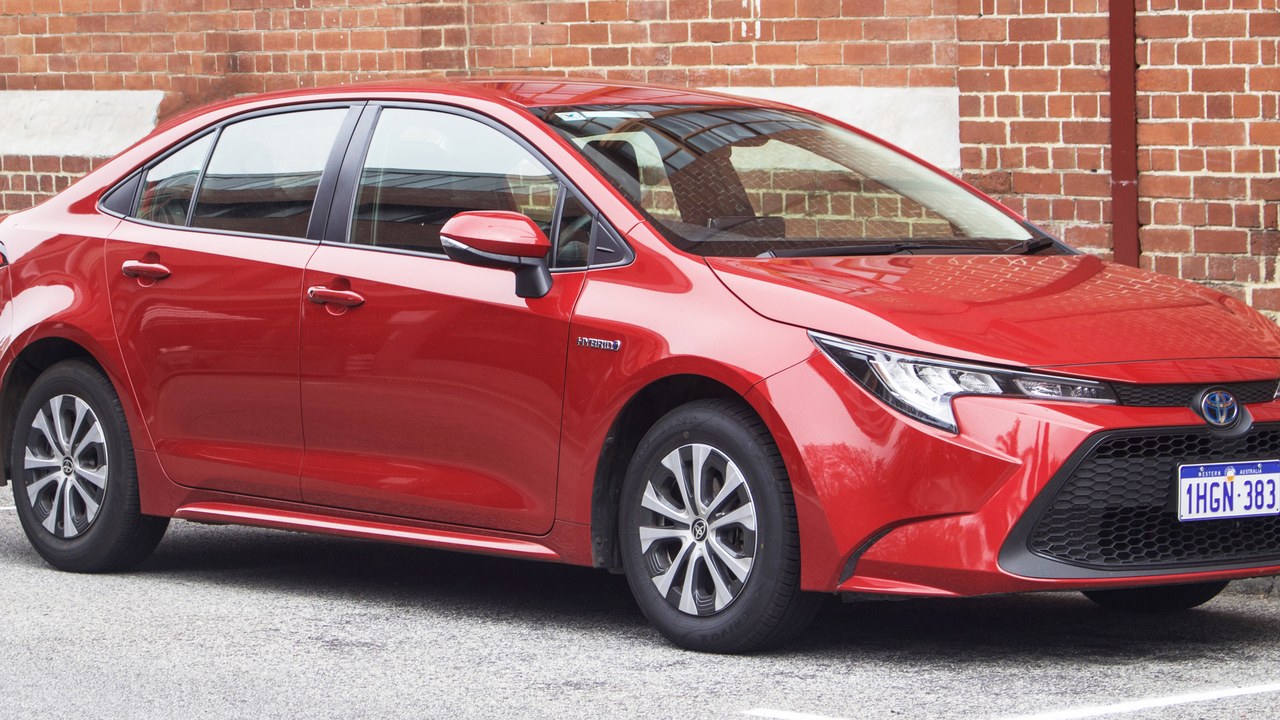
Toyota has built the Corolla continuously since 1966, and the nameplate passed 50 million units sold in 2021, a total no other passenger car has approached. Twelve generations have carried the badge, each one re-engineered while the basic promise stayed fixed: cheap to buy, cheap to run, hard to break. The Corolla’s production record rests on assembly plants spread across Japan, Brazil, South Africa, Turkey and the United States rather than one home factory.
That geographic spread is the mechanism, not a footnote. Building the same car near the markets that buy it blunts tariffs, shipping costs and currency swings, which is why the Corolla has outlasted every fuel crisis and recession since the 1960s while rivals were retired or rebranded.
2. Ford F-Series: Four Decades On Top
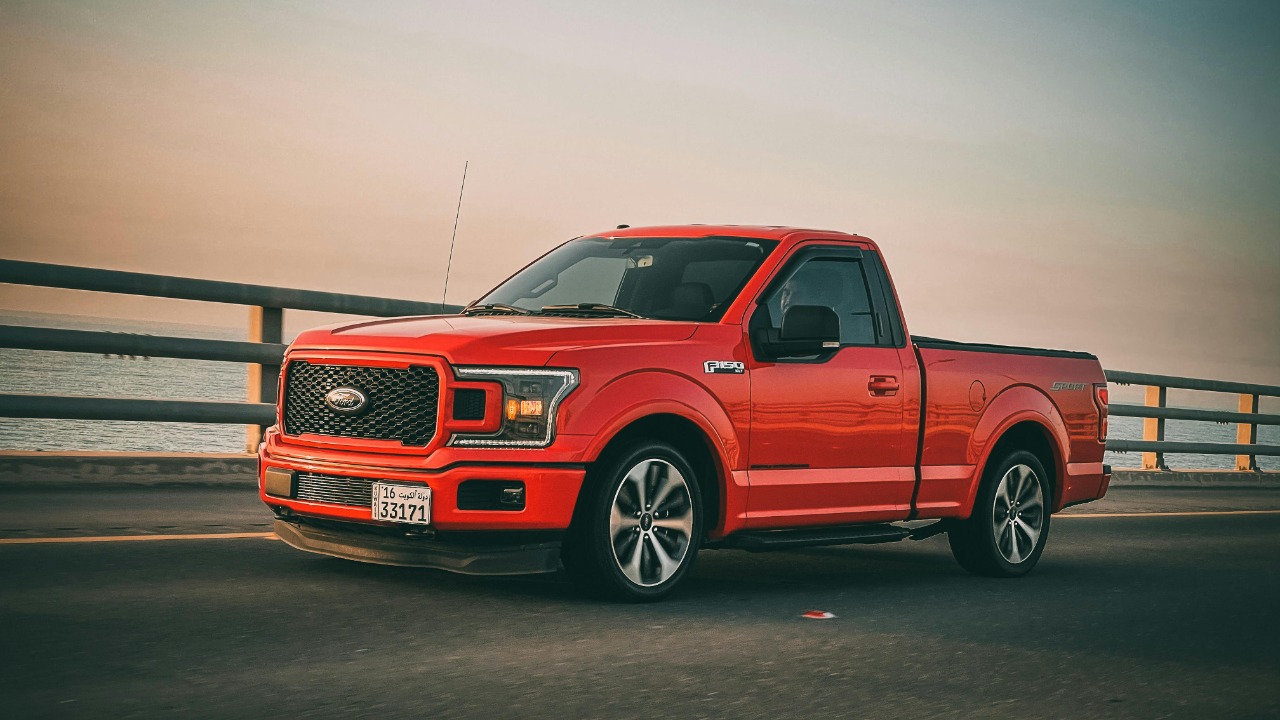
The F-Series has been the best-selling truck in the United States since 1977 and the best-selling vehicle of any kind there since 1981, an unbroken run of more than forty years. Cumulative production runs past 40 million units across fourteen generations, from the 1948 F-1 to the aluminum-bodied F-150 of today. Ford’s full-size pickup line stretches from stripped fleet work trucks to heavy-duty chassis cabs and leather-lined luxury trims.
Breadth is what keeps the number climbing. One nameplate covering a contractor’s base model and a loaded ranch-themed flagship captures buyers who would otherwise scatter across several separate models, and the profit those trucks generate underwrites much of the rest of Ford’s lineup.
3. Volkswagen Golf: Europe’s Default Hatchback
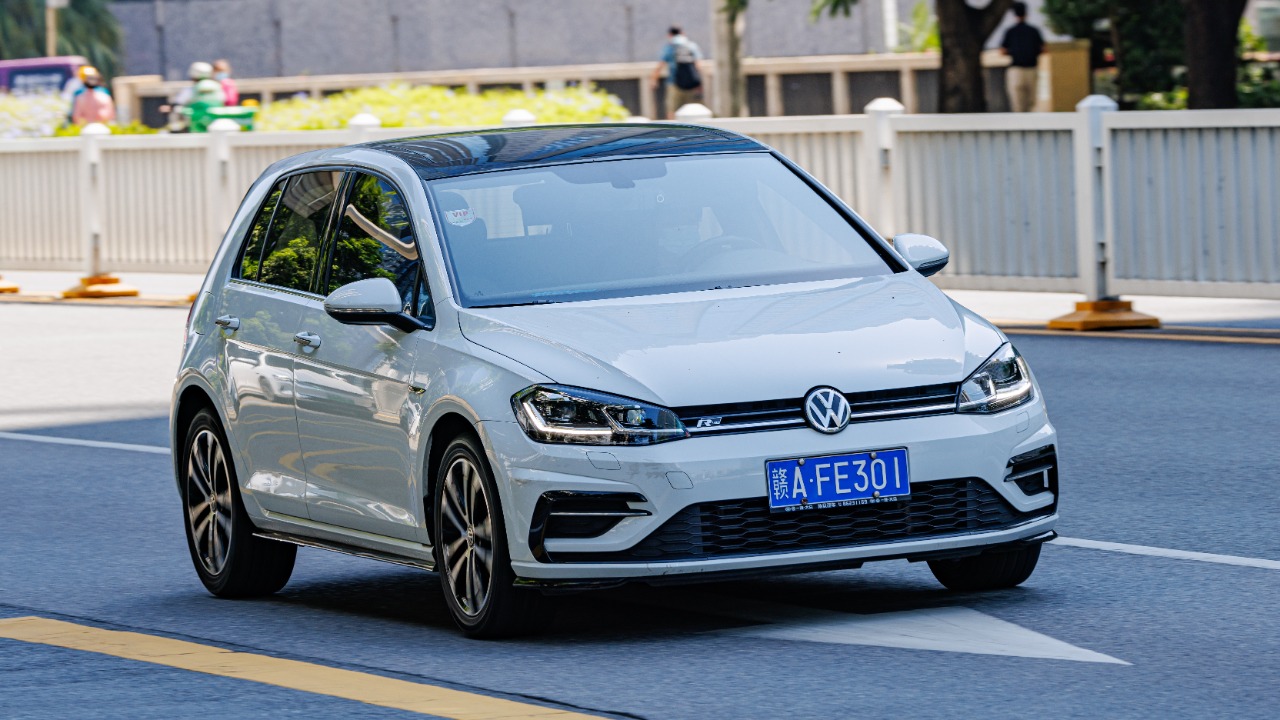
Since 1974 Volkswagen has built more than 35 million Golfs across eight generations, making it the best-selling car in European history and the template most rivals ended up copying. The original replaced the air-cooled Beetle with a front-engine, front-wheel-drive, transverse layout that became the industry default for small cars. Early American examples wore Rabbit badges, but the Golf’s production total counts every market and body style.
Its importance is architectural rather than sentimental. The two-box shape with folding rear seats over a compact drivetrain set the proportions for nearly every family hatchback that followed, and Volkswagen spread those same underpinnings across dozens of Audi, Seat and Skoda models through platform sharing.
4. Volkswagen Beetle: The Air-Cooled Holdout
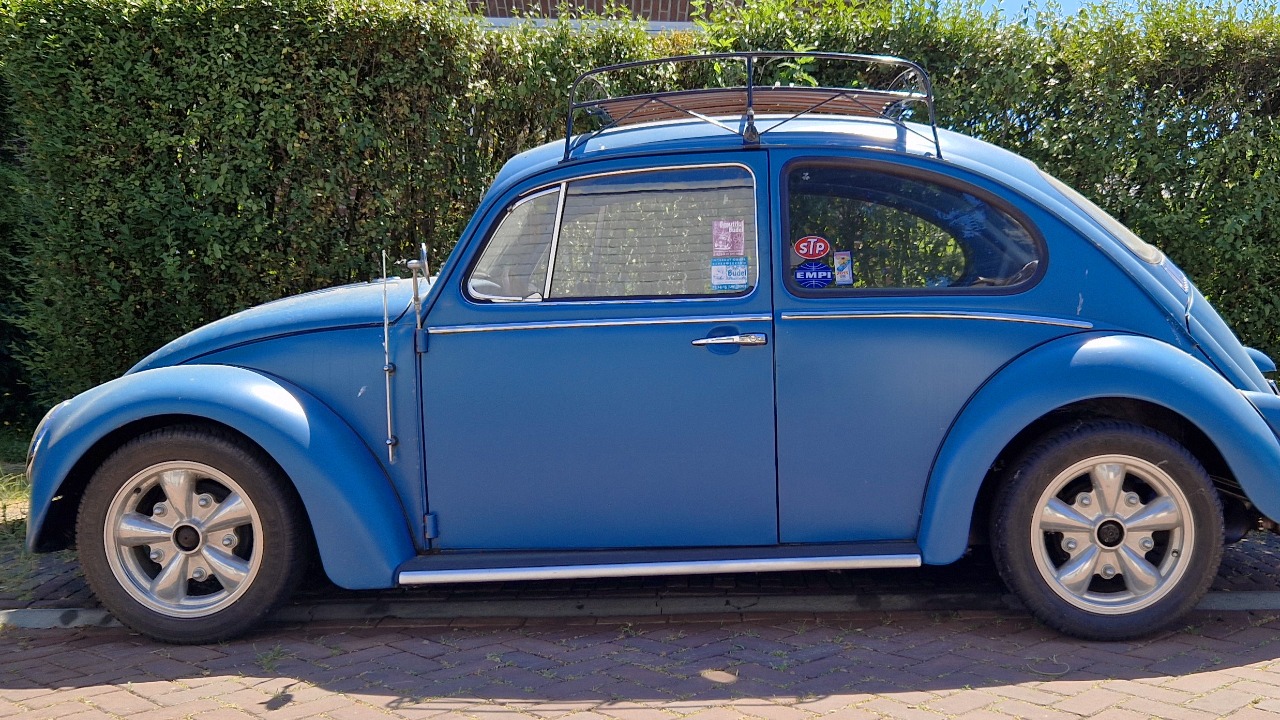
Production of the original Type 1 ran from the late 1930s until July 2003, when the last of roughly 21.5 million cars left the plant in Puebla, Mexico. The design barely moved in that time: a rear-mounted air-cooled flat-four, a platform chassis and curved steel bodywork that stayed instantly recognizable for decades. Holding one shape is precisely what made the Beetle’s production run the longest of any car built on a single basic platform.
Simplicity was also the ceiling. An air-cooled engine could not meet tightening emissions and crash rules in wealthy markets, so the Beetle retreated to Mexico and Brazil for its final decades, surviving on cheap parts and mechanics able to rebuild it with hand tools.
5. Honda Civic: From Oil Shock To Everywhere
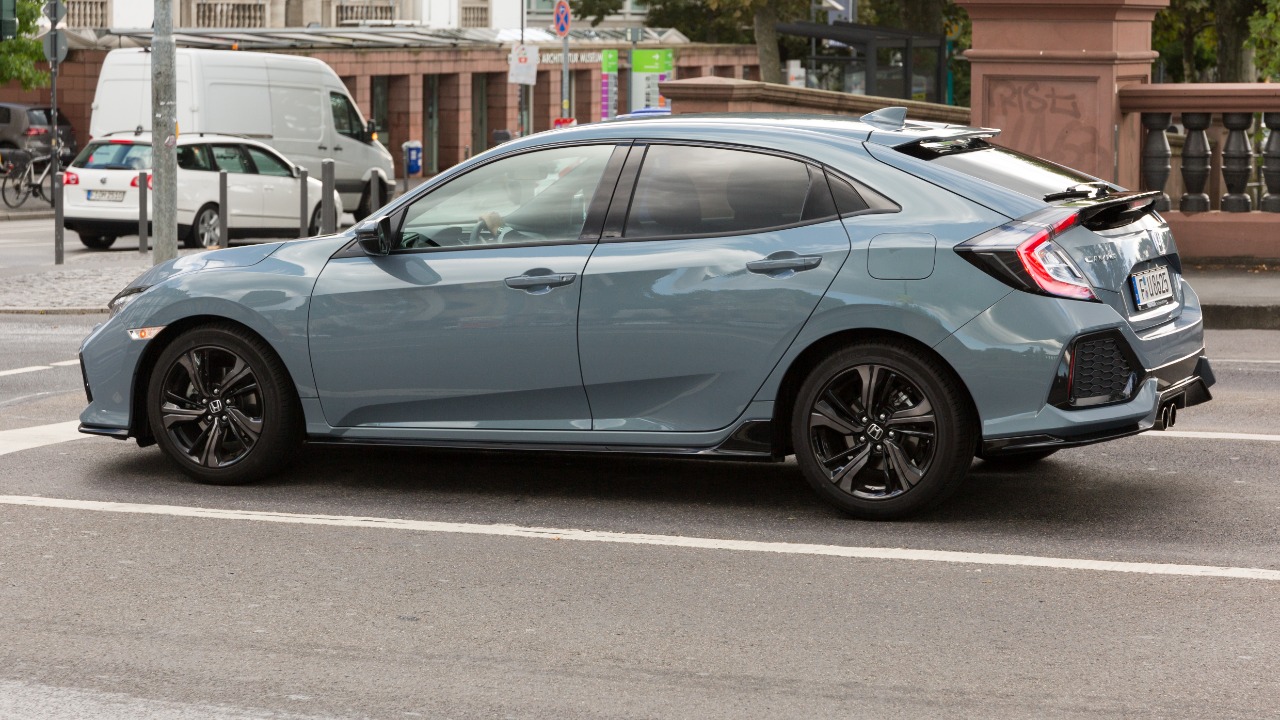
Honda launched the Civic in 1972 and has sold more than 27 million of them since, spread over eleven generations and assembly lines in Japan, North America and Britain. The CVCC version cleared American emissions limits in the mid-1970s without a catalytic converter, an engineering result that turned a small importer into a mainstream brand during the oil shocks. The Civic’s model history tracks a runabout growing into a range that now includes hybrids and 300-horsepower Type R hatchbacks.
Longevity here came from constant repositioning. Instead of defending one price point, Honda let the Civic grow in size and content each generation while slotting cheaper models beneath it, so the nameplate kept its existing buyers as they aged rather than handing them to a competitor.
6. Ford Model T: Fifteen Million Off The Line
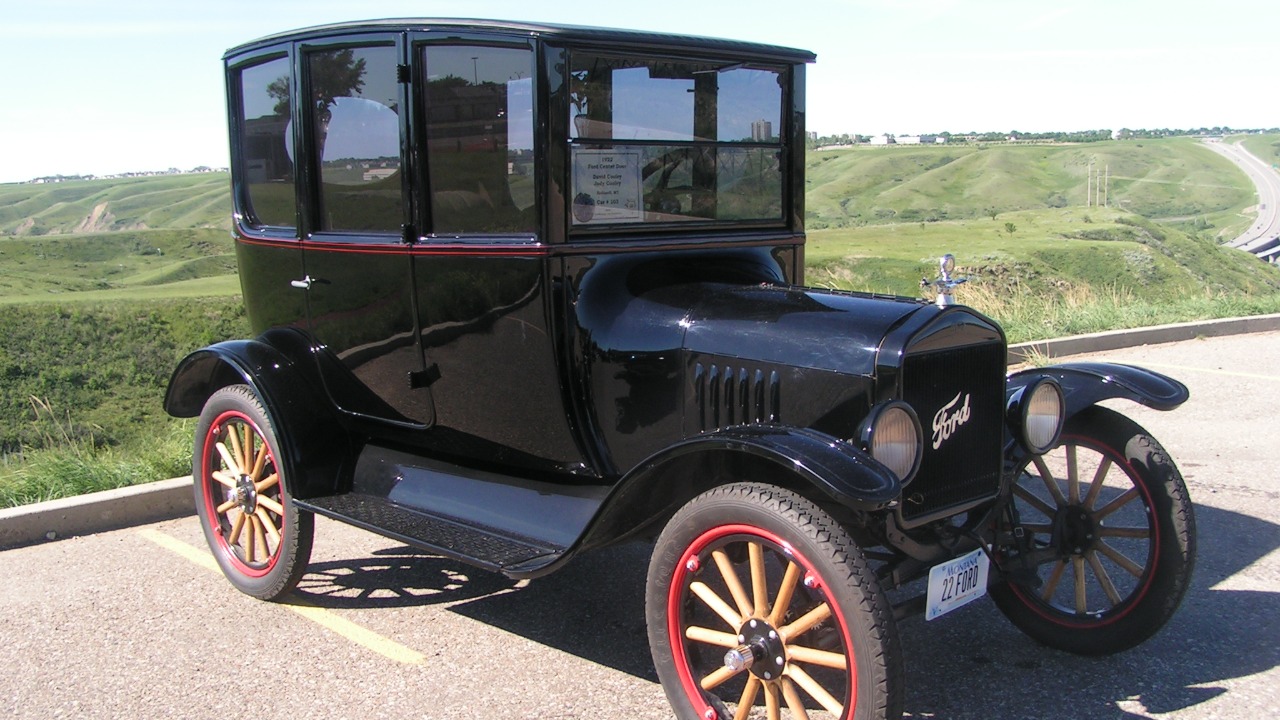
Ford produced roughly 15 million Model Ts between 1908 and 1927, a figure nothing else came close to at the time. The moving assembly line introduced at Highland Park in 1913 cut chassis assembly from around twelve hours to about ninety minutes, and those savings went straight into the sticker price, which fell below $300 by the mid-1920s. The Model T’s production run ended only once buyers began demanding style, color and comfort.
Its influence outlived the car itself. Interchangeable parts, standardized labor and a price low enough for the workers building it became the template for mass manufacturing generally, while a belt pulley off the flywheel let farmers run saws, pumps and threshers from the same machine that drove them to town.
7. Honda Super Cub: The Hundred-Million Machine
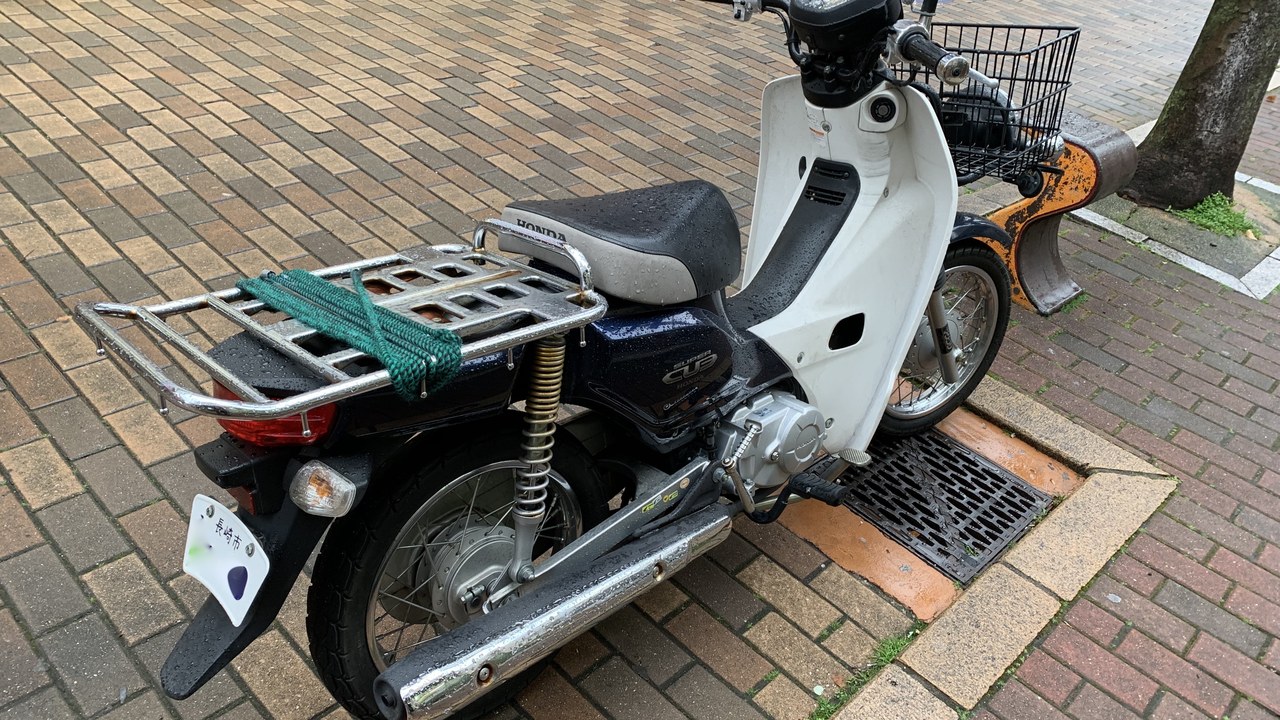
No motor vehicle has ever been built in greater numbers than the Super Cub, which passed 100 million units in 2017 and has stayed in continuous production since 1958. Honda’s step-through layout tucked the engine low, wrapped the mechanicals behind plastic legshields and used an automatic clutch, so anyone able to ride a bicycle could operate one. The Super Cub’s production record covers assembly in more than a dozen countries.
Sheer utility explains the volume. Cheap to buy, extraordinarily frugal with fuel and rugged enough for unpaved roads, the Super Cub became working transport across Southeast Asia and a delivery tool in Japan, markets where a car was never a realistic alternative for most households.
This article was produced with the assistance of AI and reviewed by Morning Overview editors prior to publication.
More from Morning Overview
- A Colorado wildfire has exploded past 87,000 acres with no containment
- A wildfire near Ouray swelled past 18,000 acres, putting Colorado towns on alert
- The Pentagon’s newest UFO files describe a fish-scaled, potato-shaped object on camera
- Scientists spotted a rare tusked whale alive at sea for the first time, then fired a crossbow at it.
