In the vastness of space, certain stars defy our understanding and challenge existing astronomical models. These stars, often referred to as “impossible” due to their unique properties, continue to intrigue scientists. Here, we explore seven such stars that have captured the attention of astronomers worldwide.
Tabby’s Star
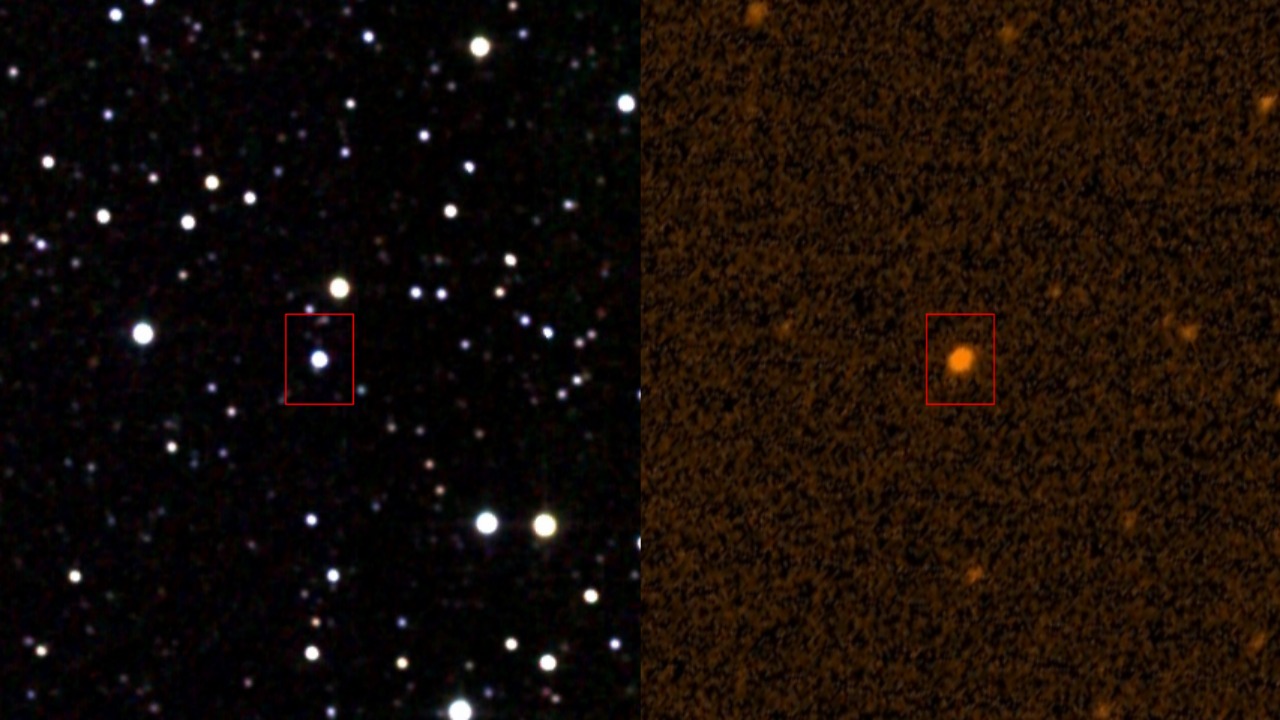
Tabby’s Star, also known as KIC 8462852, has baffled astronomers with its irregular dimming patterns. Unlike typical stars, its light fluctuates in a manner that cannot be easily explained by known phenomena. Some have speculated that this could be due to alien megastructures, though more conventional explanations such as dust clouds are also considered. The mystery of Tabby’s Star continues to be a topic of intense research and debate.
HD 140283
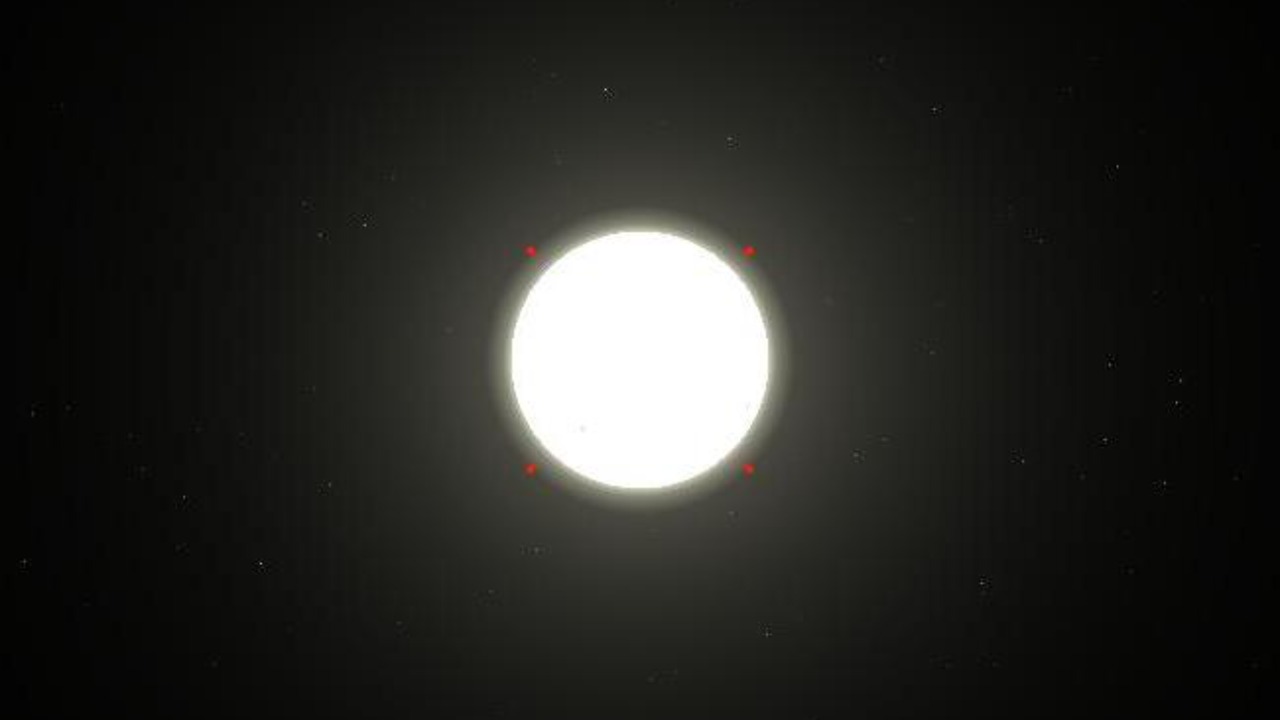
Often referred to as the Methuselah Star, HD 140283 is one of the oldest stars known, estimated to be nearly as old as the universe itself. Its age poses a significant challenge to current models of stellar evolution, as it suggests the star formed shortly after the Big Bang. This ancient star provides valuable insights into the early universe, making it a focal point for studies in cosmology.
RX J1856.5-3754
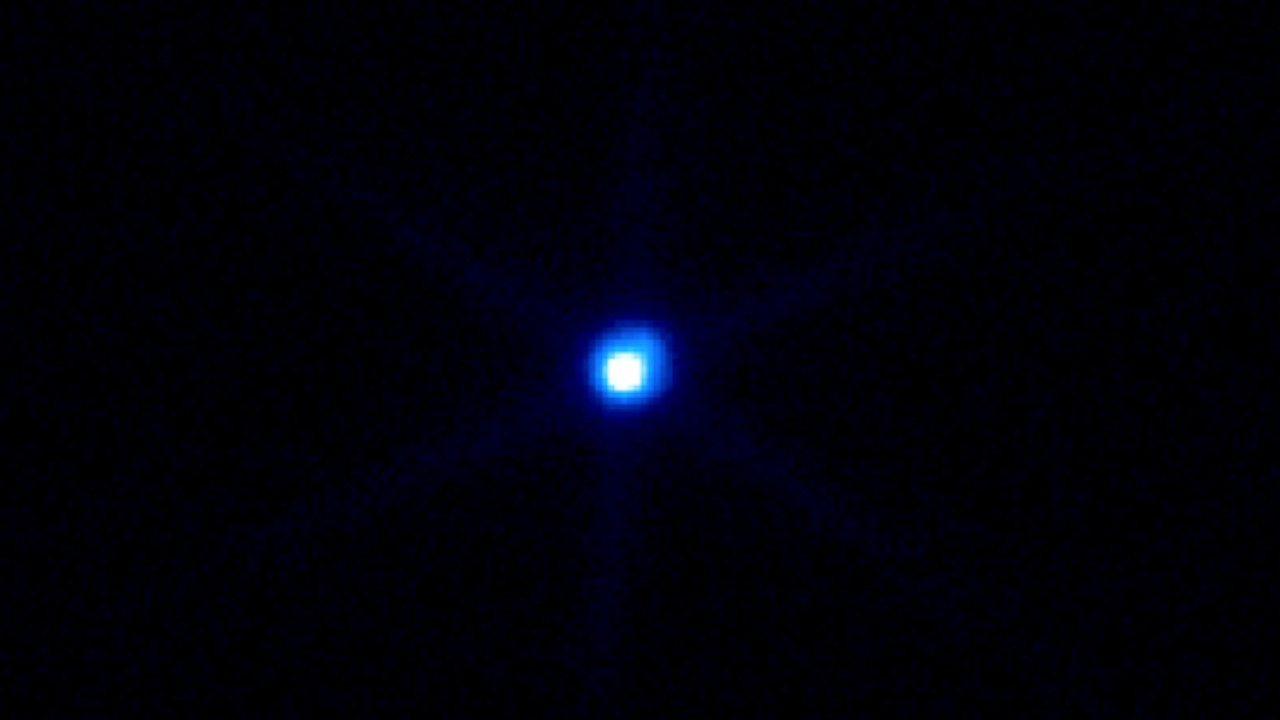
RX J1856.5-3754 is a neutron star that defies expectations with its unusual properties. Unlike typical neutron stars, this one lacks the expected X-ray emissions and has an exceptionally smooth surface. Its peculiar nature raises questions about the formation and evolution of neutron stars. Ongoing research aims to uncover the secrets of RX J1856.5-3754, offering a glimpse into the enigmatic world of compact stellar remnants.
KIC 12557548
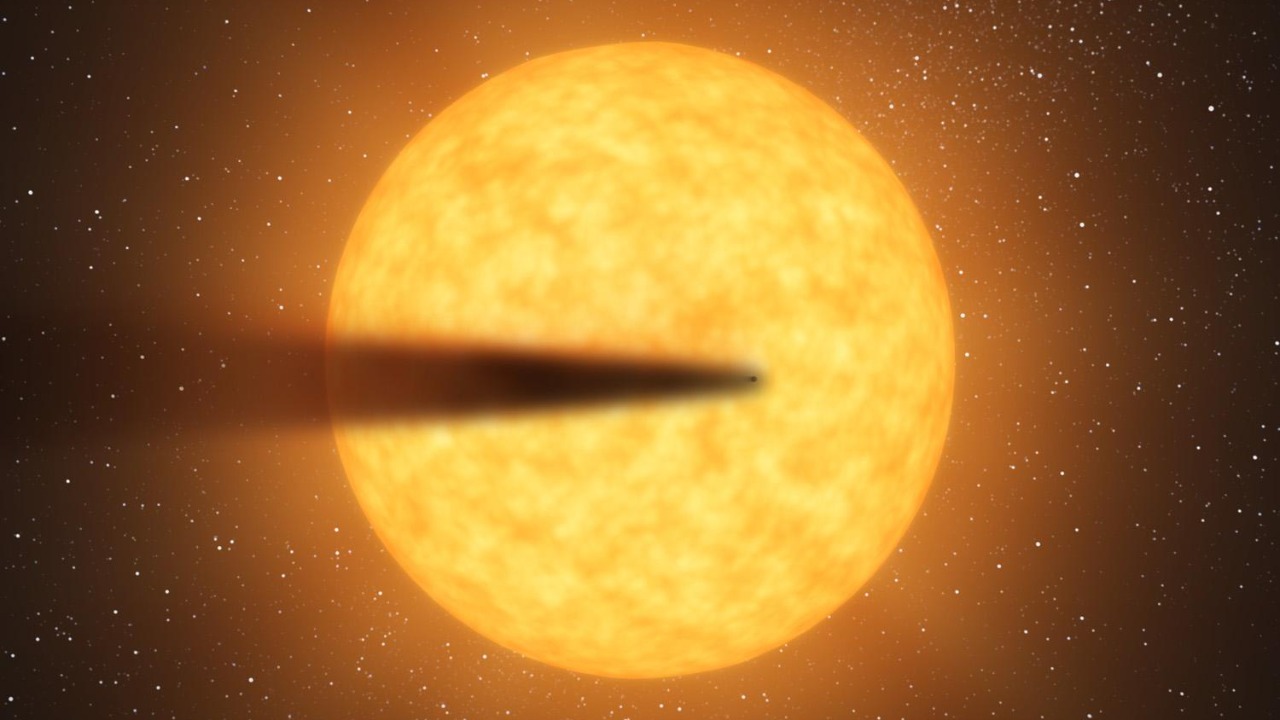
Known for its rapid and dramatic fluctuations in brightness, KIC 12557548 is a star with a mysterious companion. The prevailing theory suggests a disintegrating planet orbiting the star, leaving a trail of dust and debris. These observations provide a unique opportunity to study planetary destruction and its effects on stellar light curves. Understanding such phenomena could shed light on the dynamic processes occurring in distant star systems.
OGLE-2005-BLG-390Lb
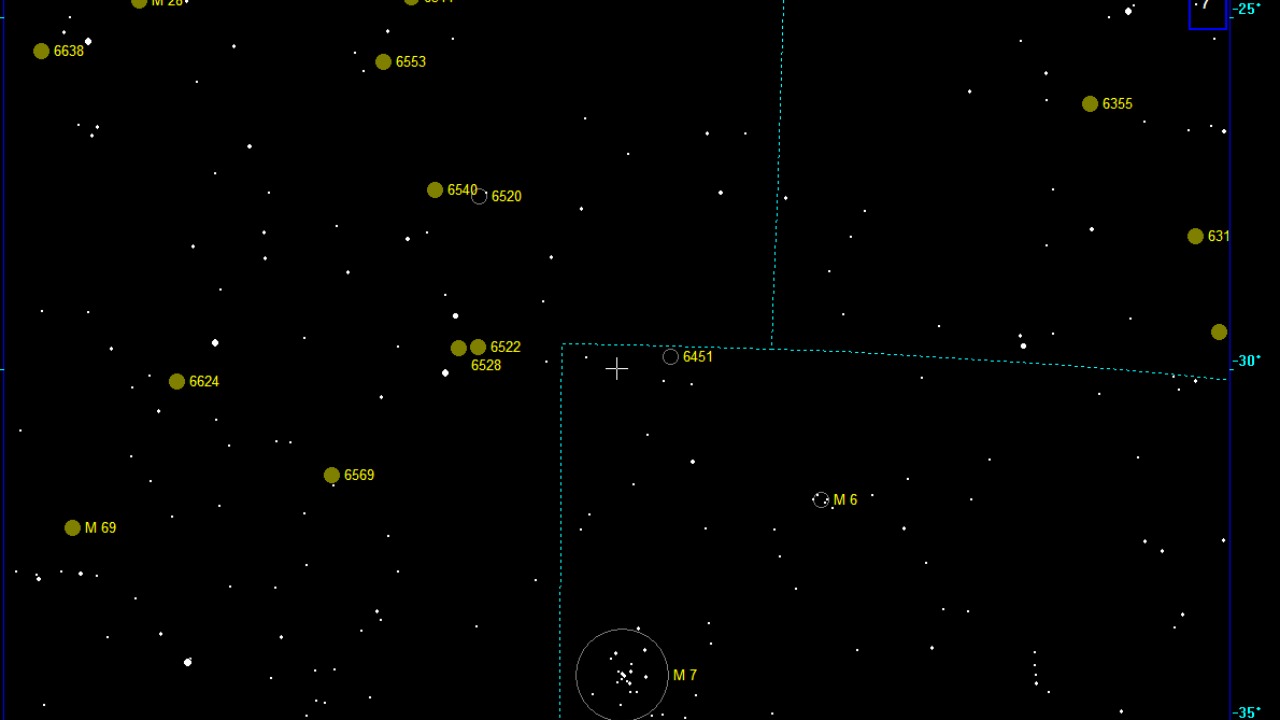
OGLE-2005-BLG-390Lb is an exoplanet orbiting a star that was once thought impossible to detect. Its discovery was made through a technique called gravitational microlensing, highlighting the potential of innovative methods in astronomy. This distant world challenges our understanding of planetary formation, particularly around low-mass stars. As more discoveries emerge, the significance of microlensing continues to grow in the search for extraterrestrial life.
PSR J0348+0432
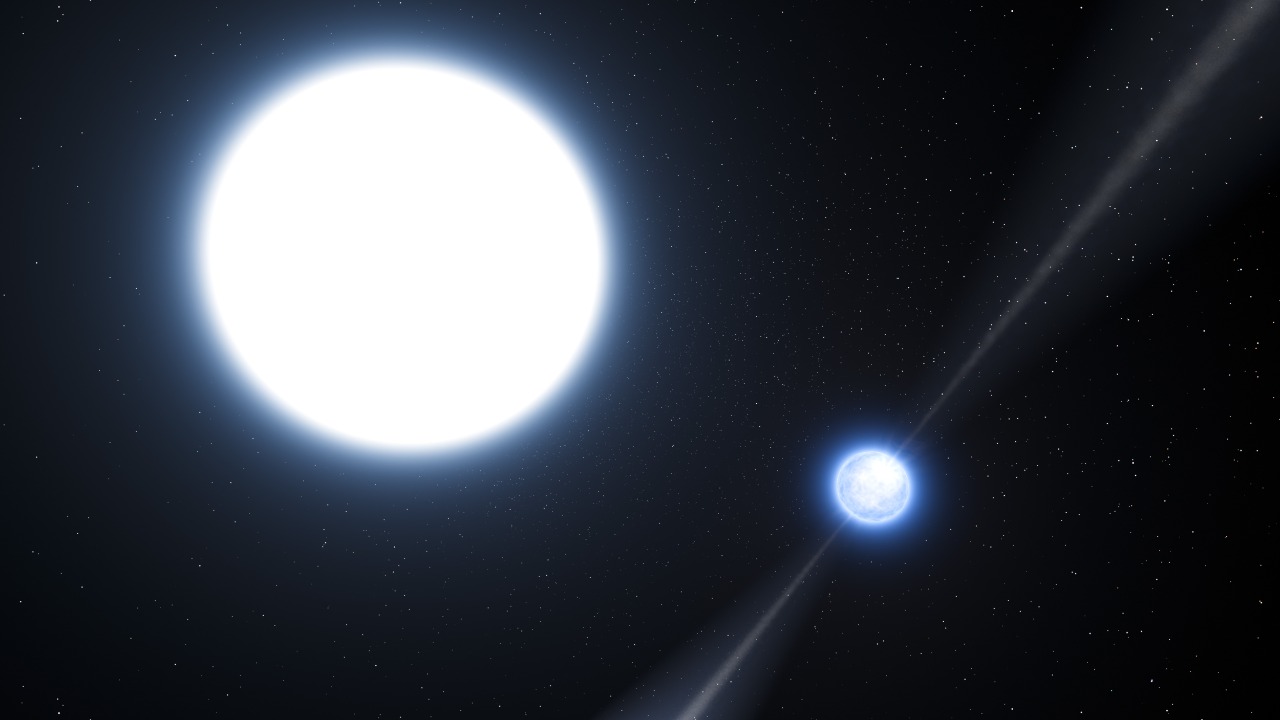
PSR J0348+0432 is an extraordinary pulsar-neutron star system that tests the limits of our understanding of physics. It is the most massive neutron star known, with a mass about twice that of the Sun. This discovery provides crucial data for testing theories of general relativity and the behavior of matter under extreme conditions. The unique characteristics of PSR J0348+0432 make it a vital object of study in astrophysics.
SDSS J102915+172927
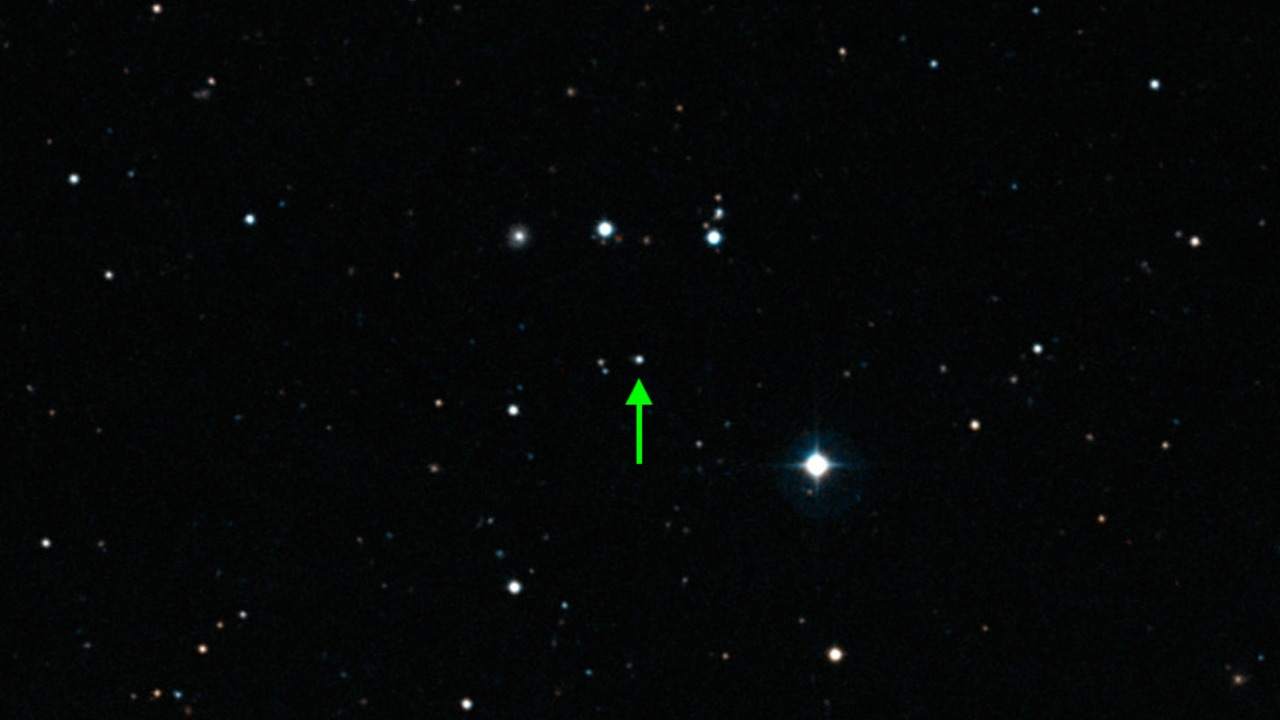
SDSS J102915+172927 is a star that challenges our understanding of stellar composition. It has an unusually low metal content, making it one of the most metal-poor stars known. This anomaly raises questions about the processes involved in the early universe’s chemical enrichment. Studying such stars helps astronomers piece together the puzzle of cosmic evolution, offering insights into the primordial processes that shaped the universe.
