
Classic muscle cars are beloved for their raw power and timeless design. However, beyond their iconic exteriors and roaring engines lie some lesser-known features that car enthusiasts truly appreciate. Delving into these hidden gems reveals the ingenuity and attention to detail that made these vehicles stand out. Here are seven surprising features tucked away in classic muscle cars.
Secret Storage Compartments
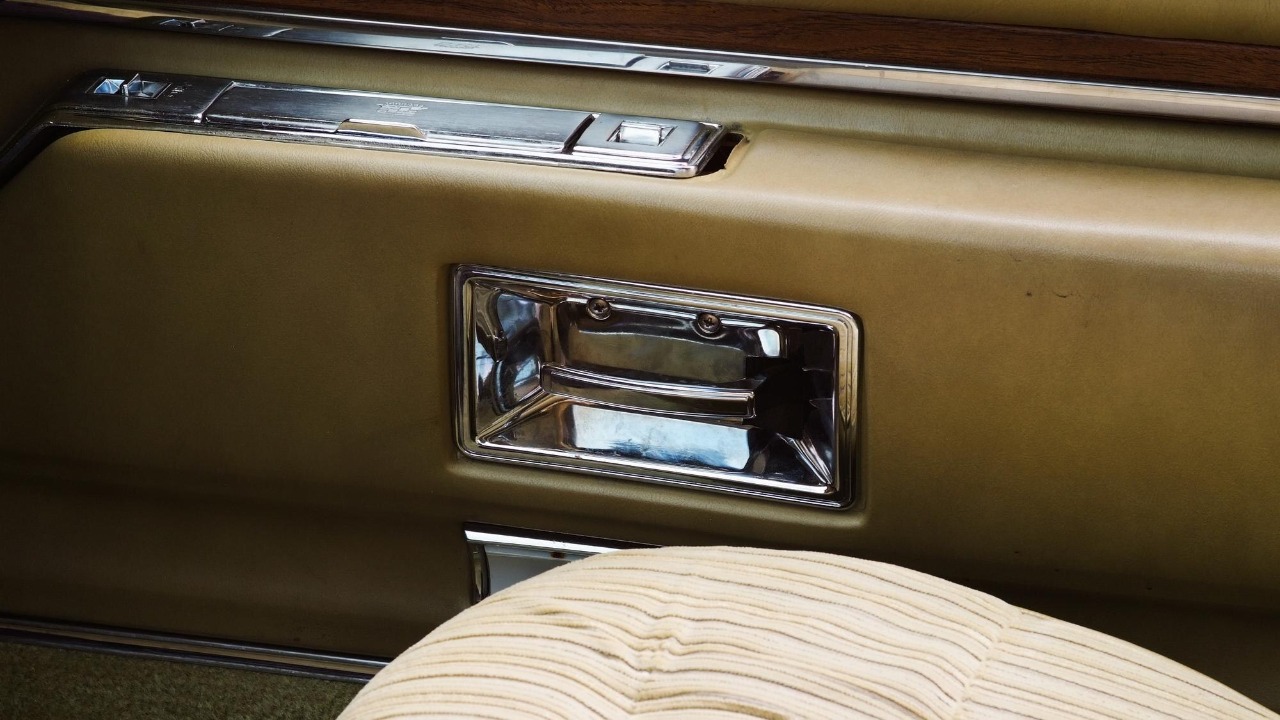
While muscle cars are celebrated for their performance, practical features like secret storage compartments often go unnoticed. Many models included cleverly hidden spaces to store personal belongings securely. These compartments were often integrated into the dashboard or under the seats, allowing owners to discreetly tuck away their valuables.
Designers intended these hidden compartments to offer convenience without compromising the cars’ sleek lines and minimalistic interiors. These spaces are a testament to the thoughtful design that prioritized both form and function in muscle cars. Whether used to store registration papers or personal items, these compartments provide a unique blend of utility and style.
Factory-Installed Tachometers
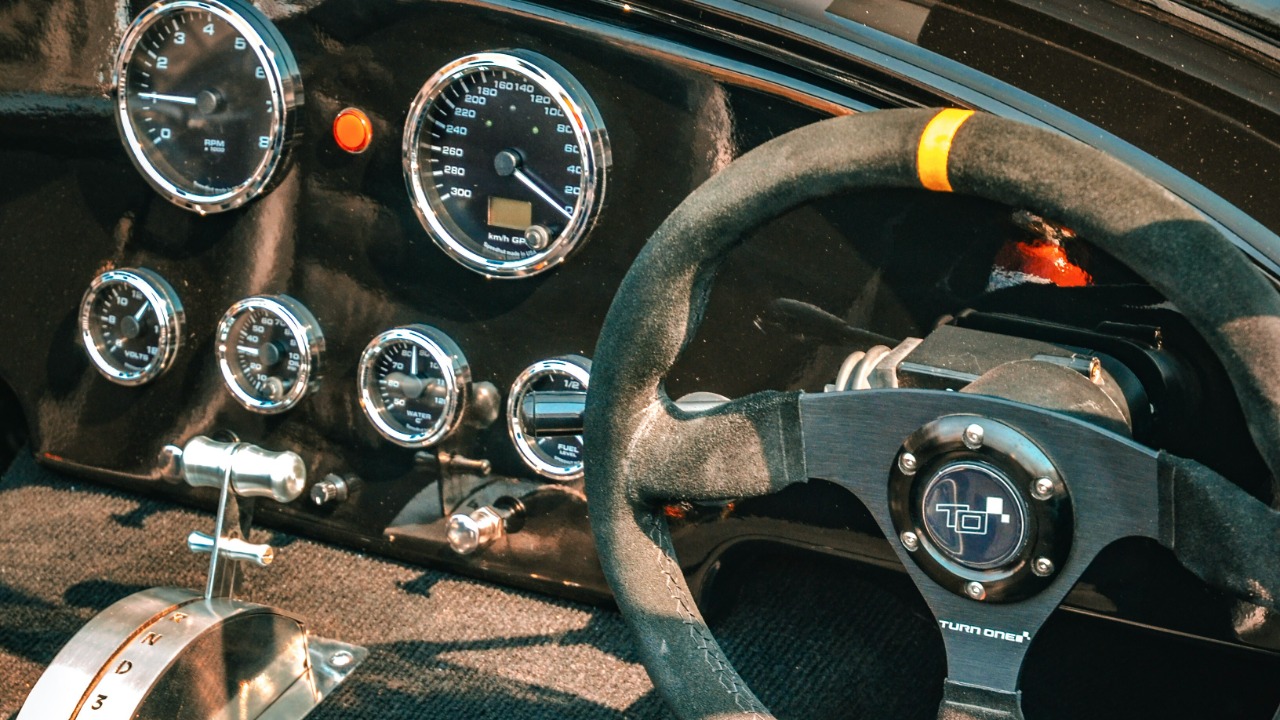
In an era where performance was the ultimate goal, factory-installed tachometers became a standard feature in many classic muscle cars. These instruments allowed drivers to monitor engine speed, ensuring optimal performance during high-speed runs. Tachometers were typically mounted on the dashboard, providing easy visibility for those behind the wheel.
The inclusion of tachometers highlights the emphasis on performance and precision engineering that defined this era of automotive design. For enthusiasts, these dials became more than just a tool—they were a symbol of the car’s racing pedigree, reflecting the legacy of brands like Ford in the muscle car market.
Hidden Headlamp Mechanisms
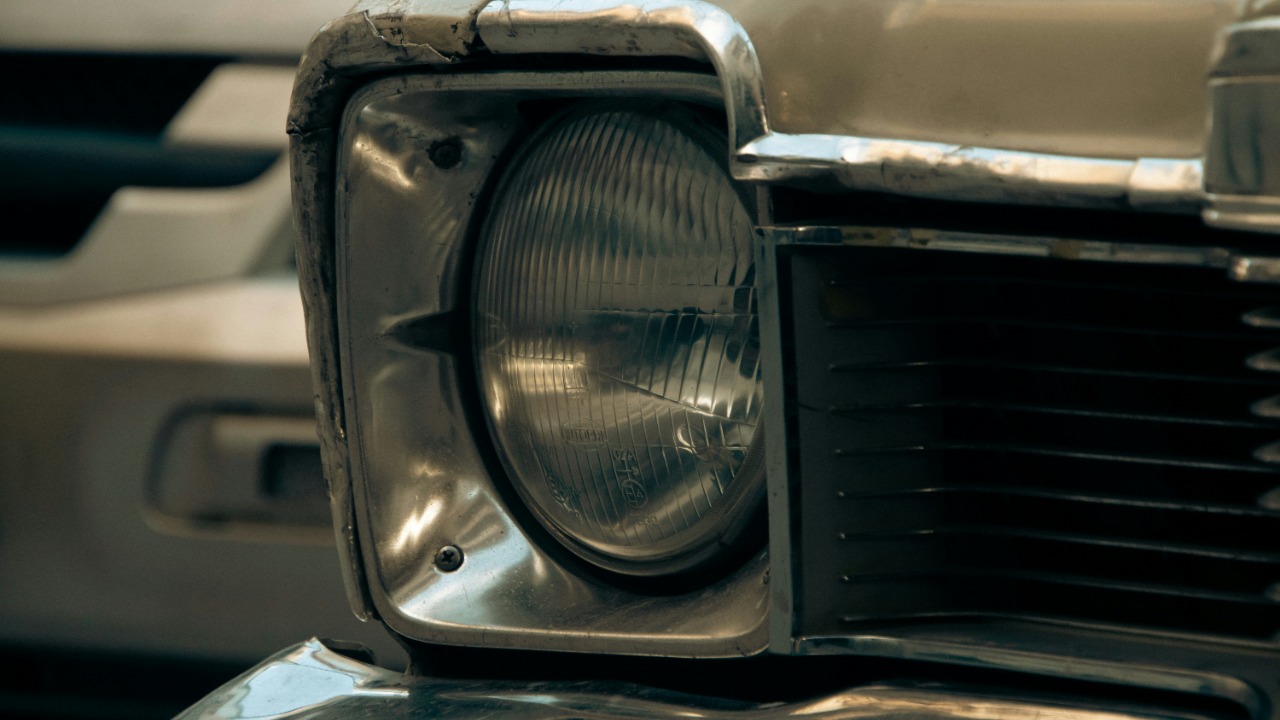
Classic muscle cars are often associated with their distinctive, aggressive looks, and hidden headlamps played a significant role in achieving this aesthetic. By concealing the headlamps until they were needed, designers maintained the sleek, aerodynamic lines that defined these vehicles. When activated, these lights would emerge dramatically, adding an element of surprise and sophistication.
This feature wasn’t just about aesthetics; it was a technical marvel of its time. The mechanisms behind these pop-up headlights showcased the innovative spirit that powered the muscle car era. For many collectors and enthusiasts, these hidden headlamps remain one of the most charming and memorable features.
Under-dash Ignition Switches
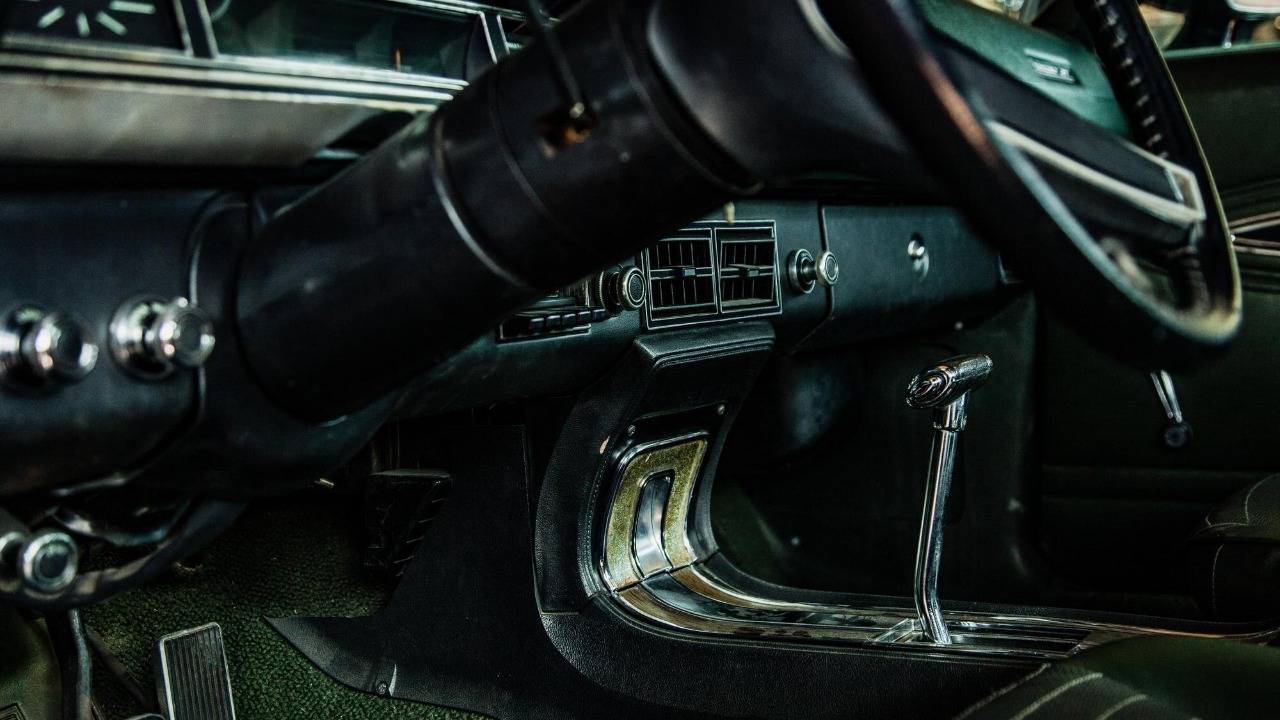
While most cars today have their ignition switches prominently displayed, many classic muscle cars opted for a more discreet placement under the dashboard. This unique positioning not only added an element of security but also contributed to the streamlined appearance of the vehicle’s interior.
The under-dash ignition switch is a nod to the era’s focus on minimalist design and functionality. For those lucky enough to own or drive these vehicles, the simple act of starting the engine becomes a journey back in time, offering a tactile connection to the past.
Concealed Air Scoops
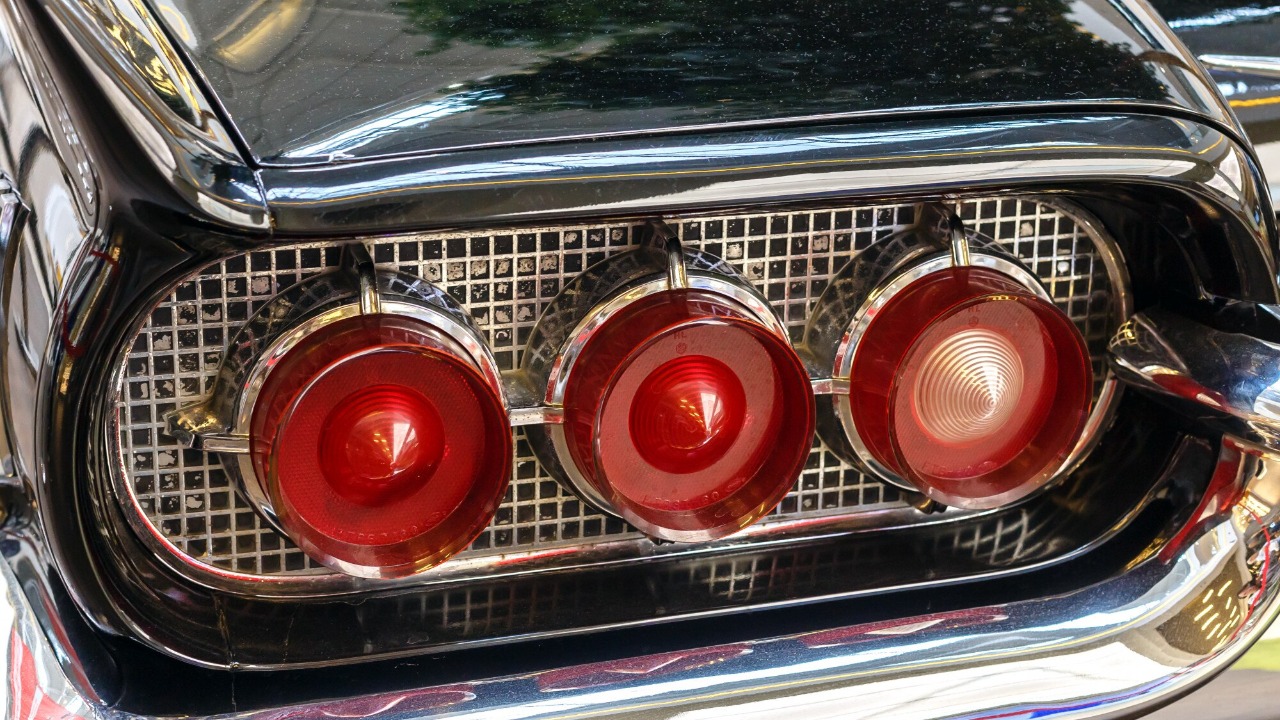
Concealed air scoops are another hidden gem found in classic muscle cars, designed to enhance performance while maintaining the car’s sleek profile. These scoops were often integrated into the hood or sides of the vehicle, channeling air directly to the engine for improved cooling and power output.
Their strategic placement and design demonstrate the careful consideration given to both aesthetics and performance. Concealed air scoops are a perfect example of how engineers balanced style with the need for efficiency, ensuring that every aspect of the car contributed to its overall prowess on the road.
Dual Exhaust Cutouts

For those who craved even more power and sound from their muscle cars, dual exhaust cutouts were a popular feature. These cutouts allowed drivers to bypass the muffler system with the flick of a switch, unleashing the full roar of the engine for a thrilling auditory experience.
This feature was particularly popular among racing enthusiasts, as it provided an instant performance boost. The ability to switch between a quiet ride and a thunderous roar exemplifies the versatility and excitement that car shows today continue to celebrate.
Built-in Roll Cages
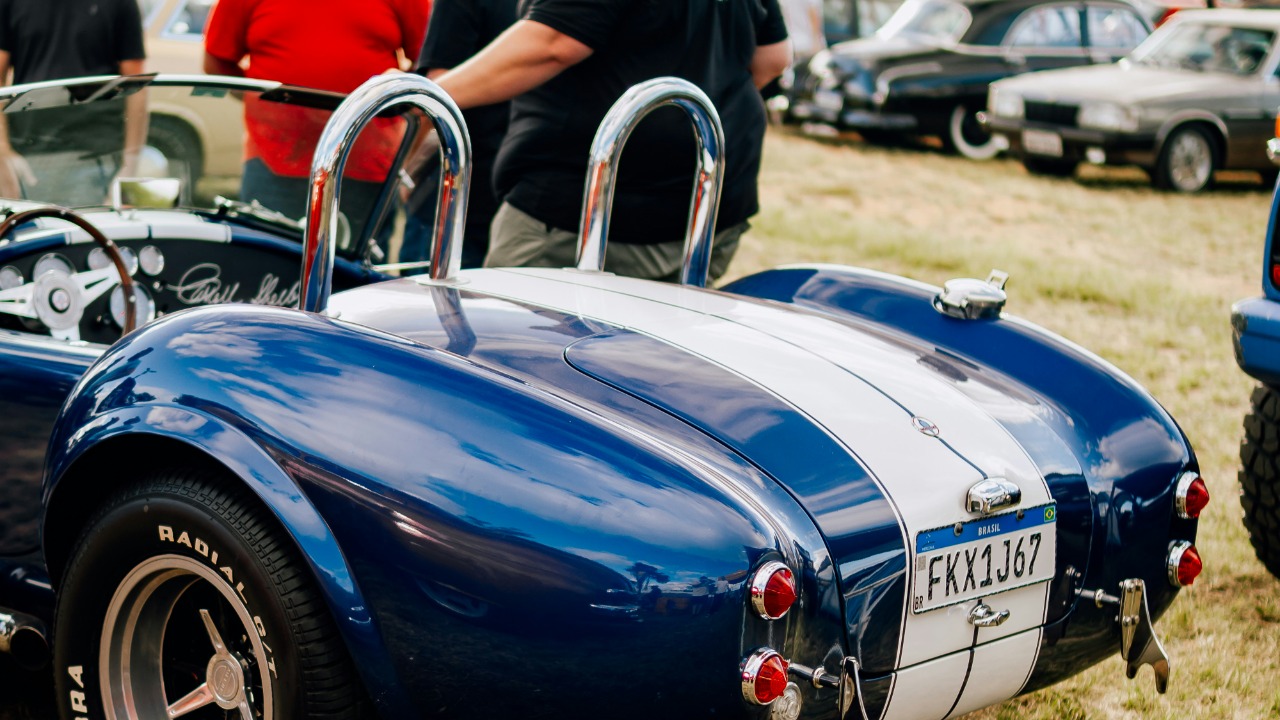
Safety and performance often go hand in hand, and built-in roll cages are a testament to this philosophy. While these protective structures are more commonly associated with modern racing cars, many classic muscle cars were equipped with them to enhance driver safety without compromising style.
The presence of a roll cage adds to the rugged charm and resilience of these vehicles. For collectors and fans, this feature is a reminder of the era’s commitment to blending safety with the thrill of high-speed driving. Exploring the collections at automobile museums often reveals just how advanced these features were for their time, cementing the legacy of classic muscle cars in automotive history.
