
Choosing the right tires for your vehicle is crucial not only for performance but also for safety. While the temptation to save a few bucks on budget tires can be strong, it often comes with significant risks. From compromised traction to environmental concerns, cheap tires can lead to a host of problems that are worth considering before making a purchase.
1. Compromised Traction and Handling
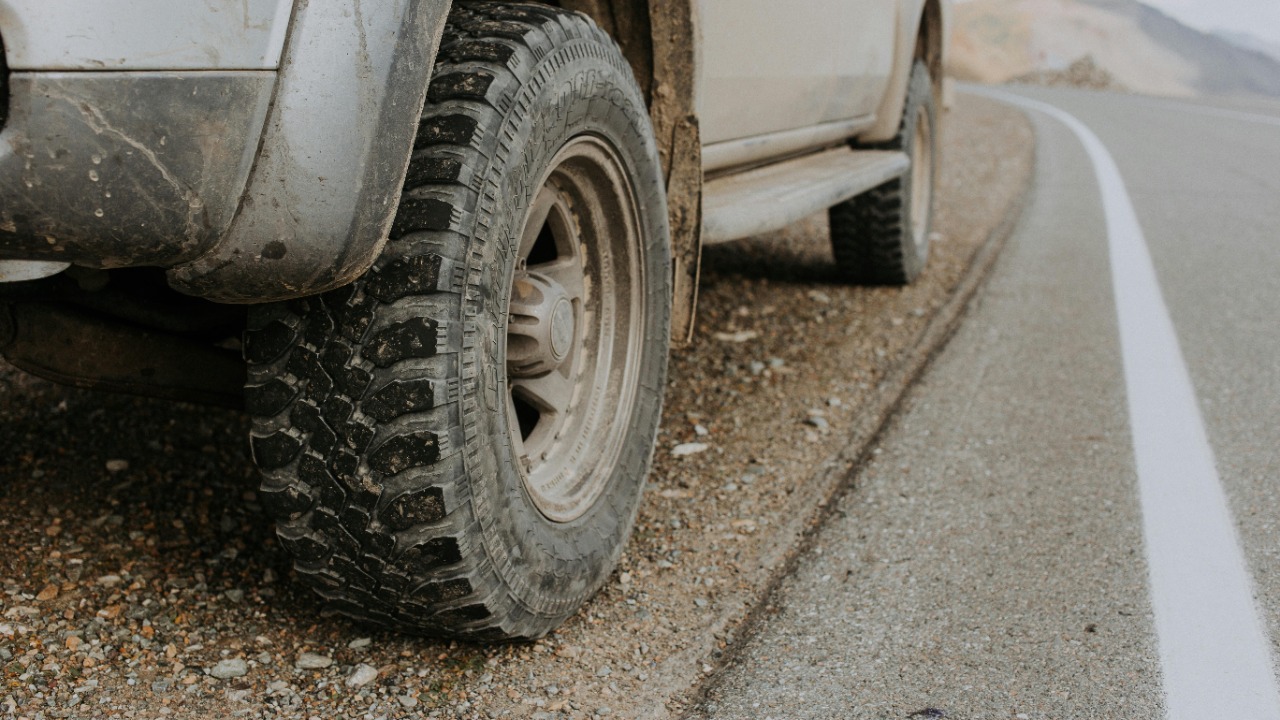
Cheap tires often come with compromised traction and handling, which can be detrimental to your driving experience. The materials and tread patterns used in budget tires are typically inferior, leading to reduced grip on the road. This can make your vehicle harder to control, especially during sharp turns or sudden maneuvers. Such limitations not only affect performance but also increase the risk of accidents, especially in challenging driving conditions.
2. Increased Risk of Blowouts
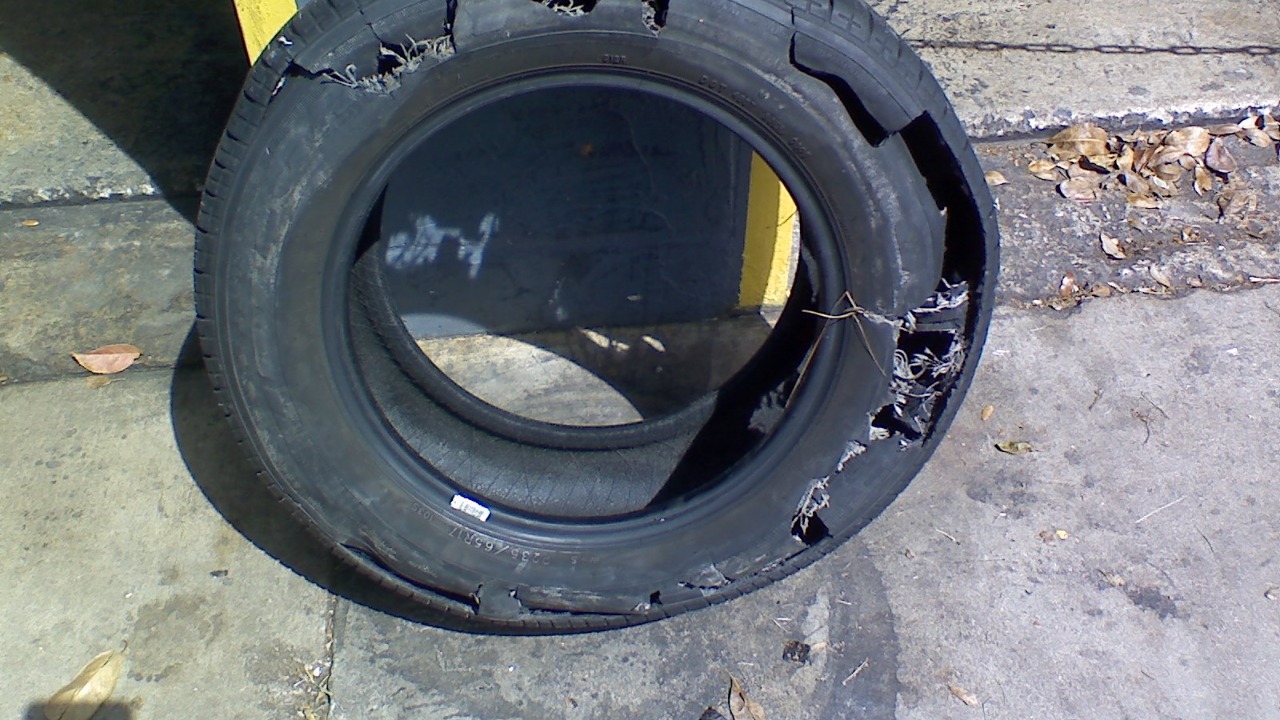
Cheap tires are more prone to blowouts due to the lower quality of materials used in their construction. These tires may not withstand the pressure and heat generated during normal driving conditions. A blowout can occur unexpectedly, causing you to lose control of your vehicle. The risk is magnified at high speeds, where a sudden tire failure can have catastrophic consequences. Investing in quality tires with robust structural integrity can mitigate this risk significantly.
3. Accelerated Tread Wear

One of the most common issues with budget tires is accelerated tread wear. These tires often use less durable rubber compounds that wear out quickly, reducing the lifespan of the tires. This not only means more frequent replacements but also diminished performance as the tread wears down. Tread wear affects traction and braking efficiency, potentially leading to hazardous driving conditions. It’s crucial to monitor tread depth regularly and opt for tires that offer a balance of performance and durability.
4. Poor Performance in Wet Conditions
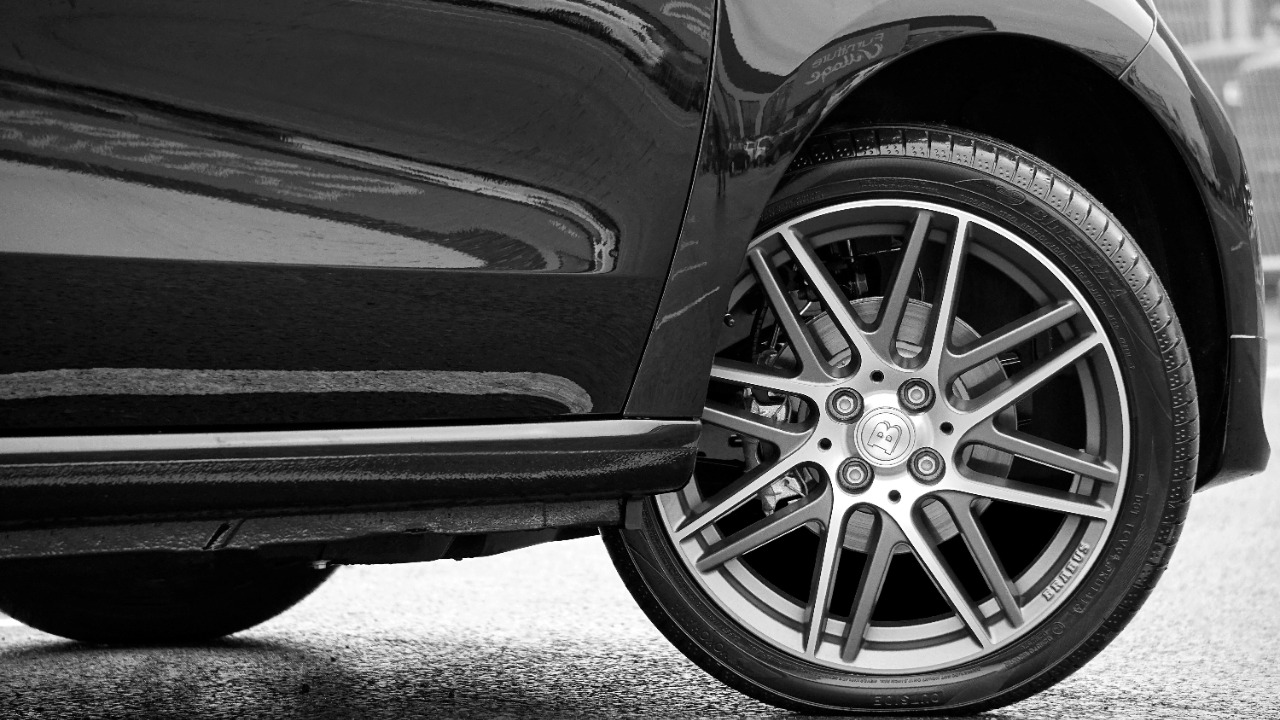
Cheap tires generally lack the advanced tread designs and water-repelling features found in premium alternatives. This results in poor performance during wet conditions, increasing the risk of hydroplaning. A vehicle with tires that can’t effectively channel water away from the contact patch will struggle to maintain grip on wet roads. This can lead to longer stopping distances and a higher likelihood of skidding, making driving in the rain a risky endeavor.
5. Subpar Manufacturing Standards
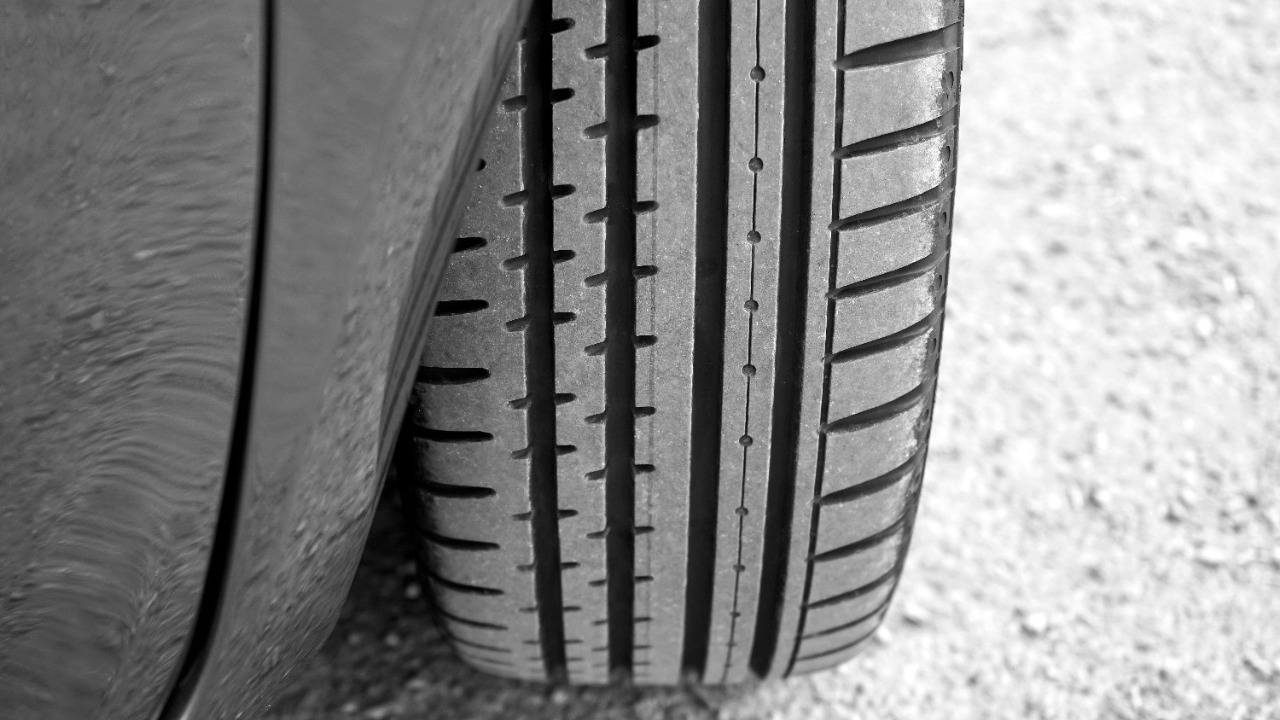
Tires from budget brands often come from facilities with subpar manufacturing standards. These tires may not meet the rigorous testing and quality control measures that are standard in reputable brands. As a result, defects are more common, ranging from uneven wear to structural weaknesses. Such defects can lead to unpredictable performance and safety hazards, making it crucial to consider the manufacturing pedigree when purchasing tires.
6. Limited Warranty and Support
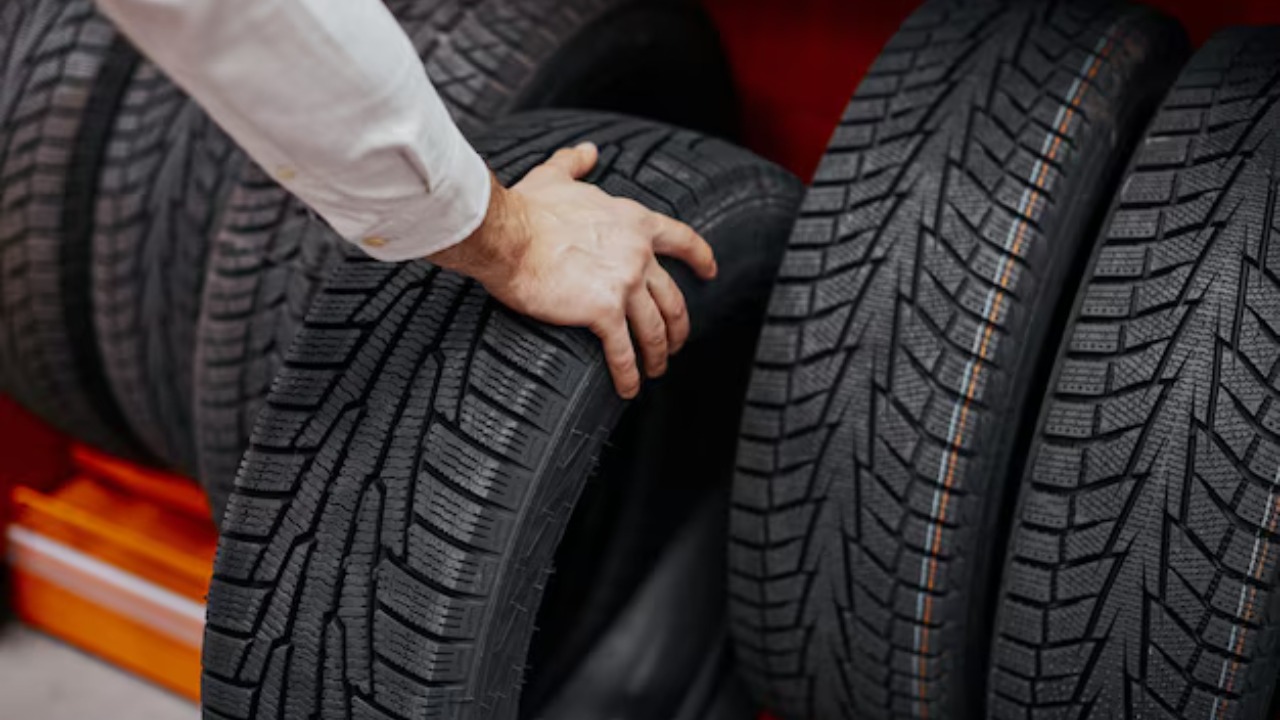
Another downside of opting for cheap tires is the limited warranty and support they often come with. Many budget tire manufacturers offer minimal or non-existent warranties, leaving you without recourse if issues arise. This lack of support can be frustrating and costly, as you’re left to handle replacements or repairs on your own. Investing in tires with comprehensive warranties and customer support can provide peace of mind, ensuring that any problems are addressed promptly and professionally.
7. Environmental and Health Concerns
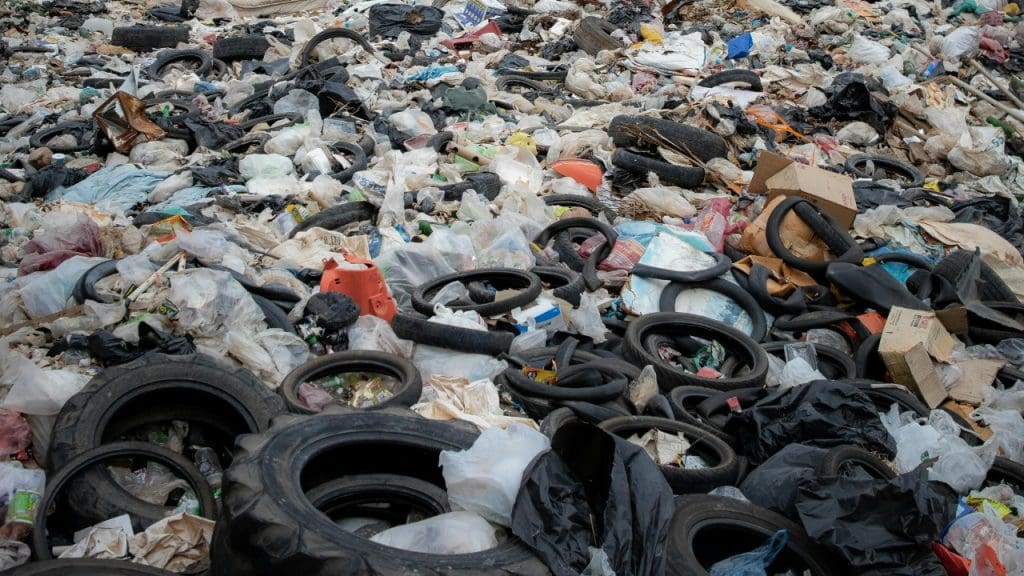
Cheap tires can contribute to environmental and health concerns due to the materials and processes used in their production. These tires often contain higher levels of pollutants and are less recyclable, contributing to environmental degradation. Furthermore, poor-quality tires can release harmful particles into the air as they wear down, posing potential health risks. Choosing eco-friendly tires from reputable brands can help reduce your carbon footprint and promote safer air quality.
