Electric vehicles (EVs) are gaining traction worldwide, but they aren’t without their challenges. One common issue that continues to perplex consumers and experts alike is charging. From infrastructure limitations to technological hurdles, several popular EV models face ongoing charging challenges. Here’s a closer look at seven EVs with noteworthy charging issues.
Tesla Model X
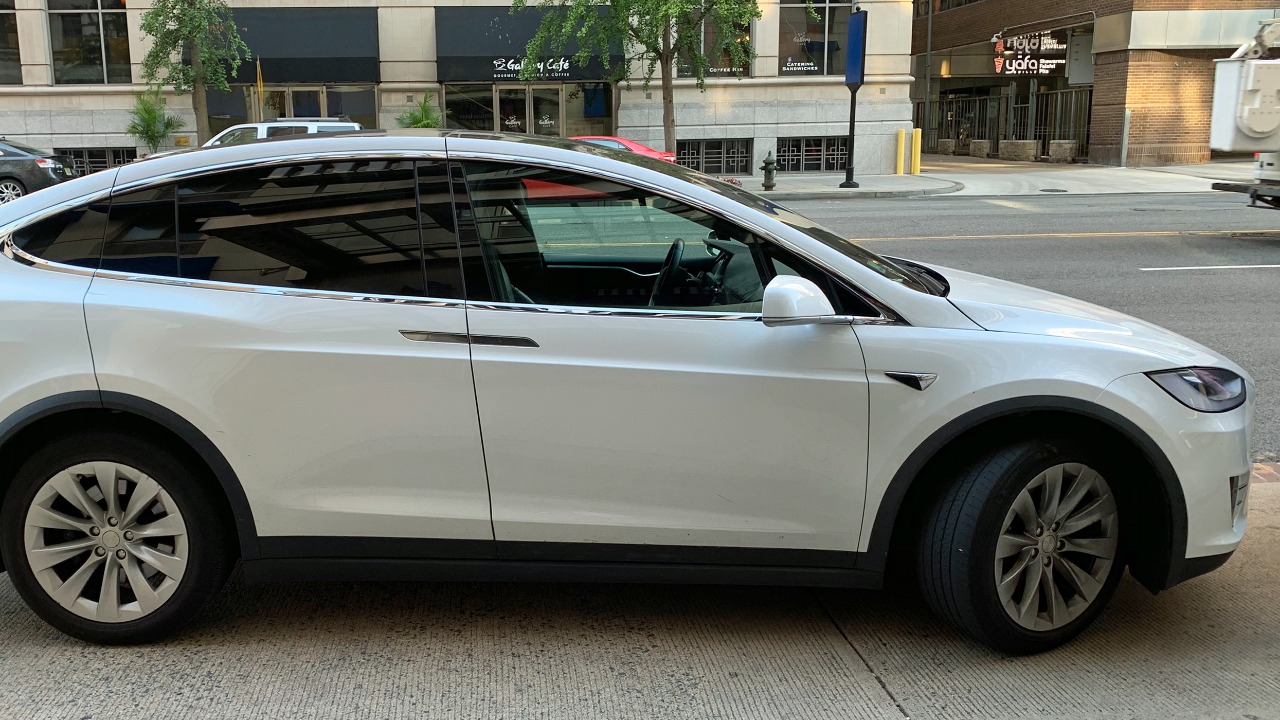
The Tesla Model X is renowned for its cutting-edge technology and impressive range. However, owners often experience charging complications. Despite Tesla’s extensive Supercharger network, congestion at charging stations can lead to long wait times, particularly in high-traffic areas. Additionally, while Tesla’s proprietary charging connectors provide fast charging, compatibility with other charging networks can be problematic.
Moreover, some users report issues with charging speed degradation over time, which can be an inconvenience for long-distance travelers. The reliance on proprietary technology can also limit flexibility, making it challenging for Model X owners to use third-party chargers without adapters.
Ford Mustang Mach-E

The Ford Mustang Mach-E is celebrated for its sporty design and performance, yet charging remains an area where it needs improvement. While the vehicle supports fast charging, the real-world experience can vary due to inconsistent charging infrastructure. Many users find that public charging stations are not as widespread as needed, leading to range anxiety.
Additionally, the software that manages charging can sometimes be unreliable, leading to difficulties in initiating or completing a charging session. Owners have also reported discrepancies between expected and actual charging times, which can disrupt travel plans.
Nissan Leaf
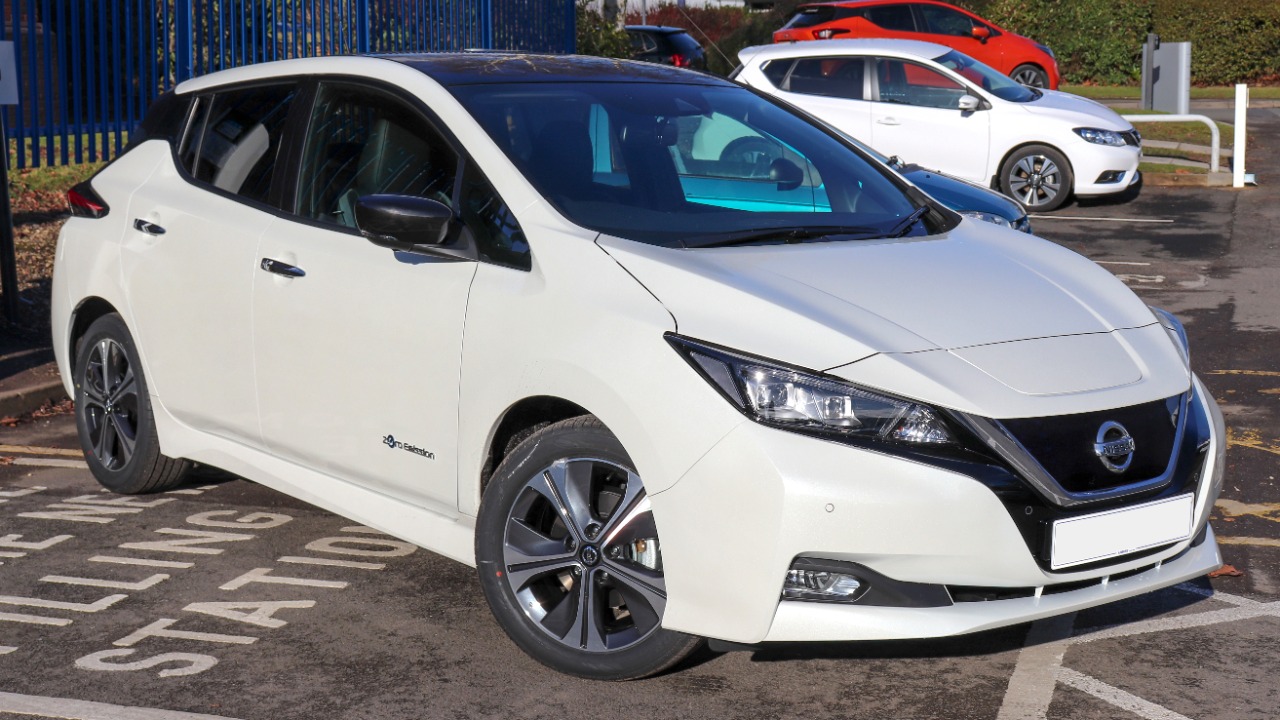
The Nissan Leaf, one of the pioneers in the EV market, faces its own set of charging challenges. While it is equipped with CHAdeMO fast charging, the proliferation of this standard is limited compared to others like CCS, which can make finding compatible chargers difficult.
Over time, some Leaf owners have experienced battery degradation, which affects charging efficiency and driving range. This issue is compounded by the fact that the Leaf’s battery cooling system is not as advanced as those found in newer models, potentially leading to thermal management issues during fast charging sessions.
Chevrolet Bolt EV
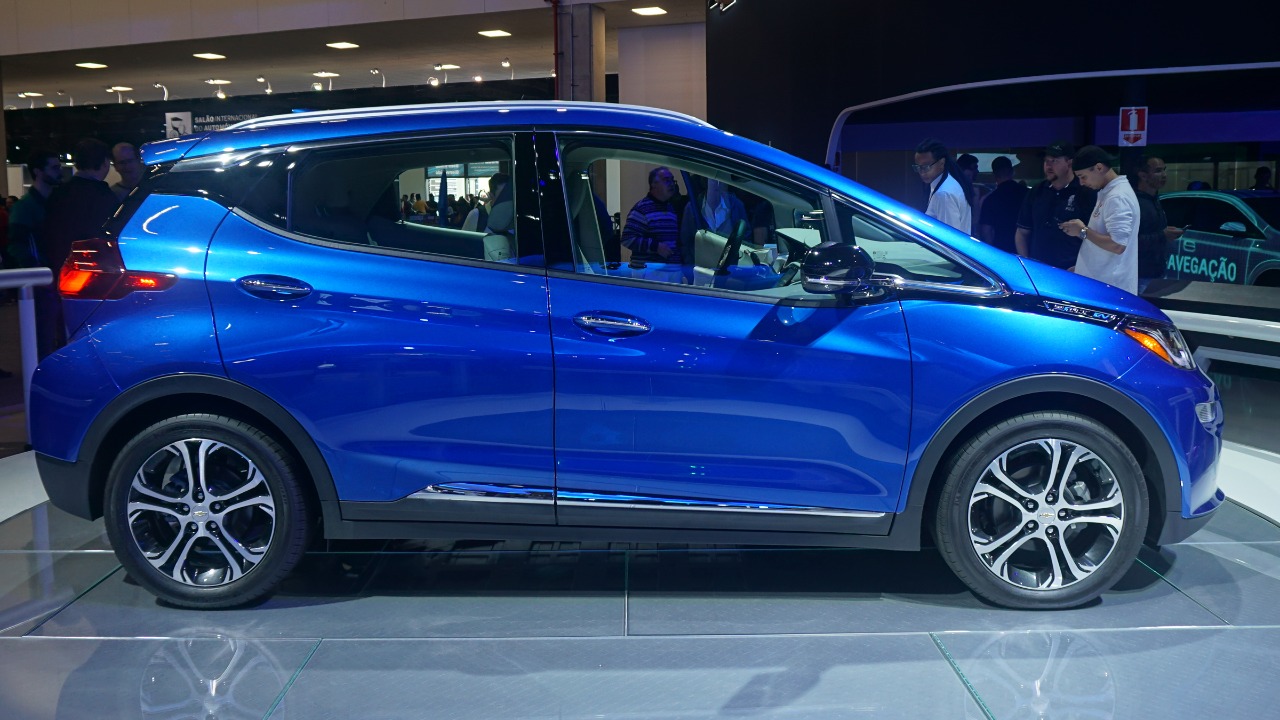
The Chevrolet Bolt EV is often praised for its affordability and range, but charging can be a hassle. The vehicle supports DC fast charging, but like many EVs, the availability of compatible stations can be limited, particularly in less urbanized areas.
Furthermore, the Bolt has been subject to recalls related to battery issues, impacting its charging performance and safety. These problems have raised concerns about its reliability, with some drivers experiencing reduced charging speeds and limited battery capacity over time.
Audi e-tron
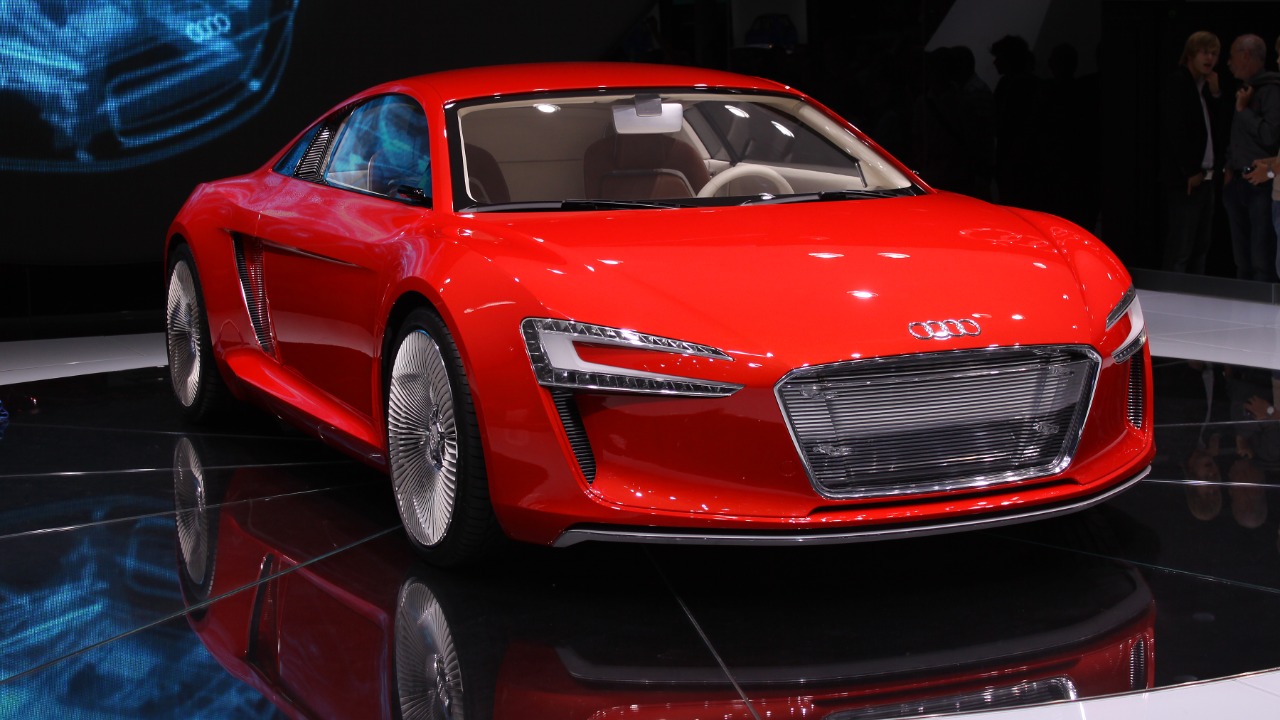
Audi’s e-tron is a luxury EV that offers a premium driving experience, but its charging capabilities leave something to be desired. Despite Audi’s partnership with the Electrify America network, charging infrastructure still varies greatly by region, which can lead to frustration for owners.
Additionally, the e-tron’s charging speed, while competitive, doesn’t quite match that of some rivals, and its larger battery takes longer to charge fully. Audi drivers may find themselves waiting more often at charging stations compared to other vehicles in its class.
Hyundai Kona Electric
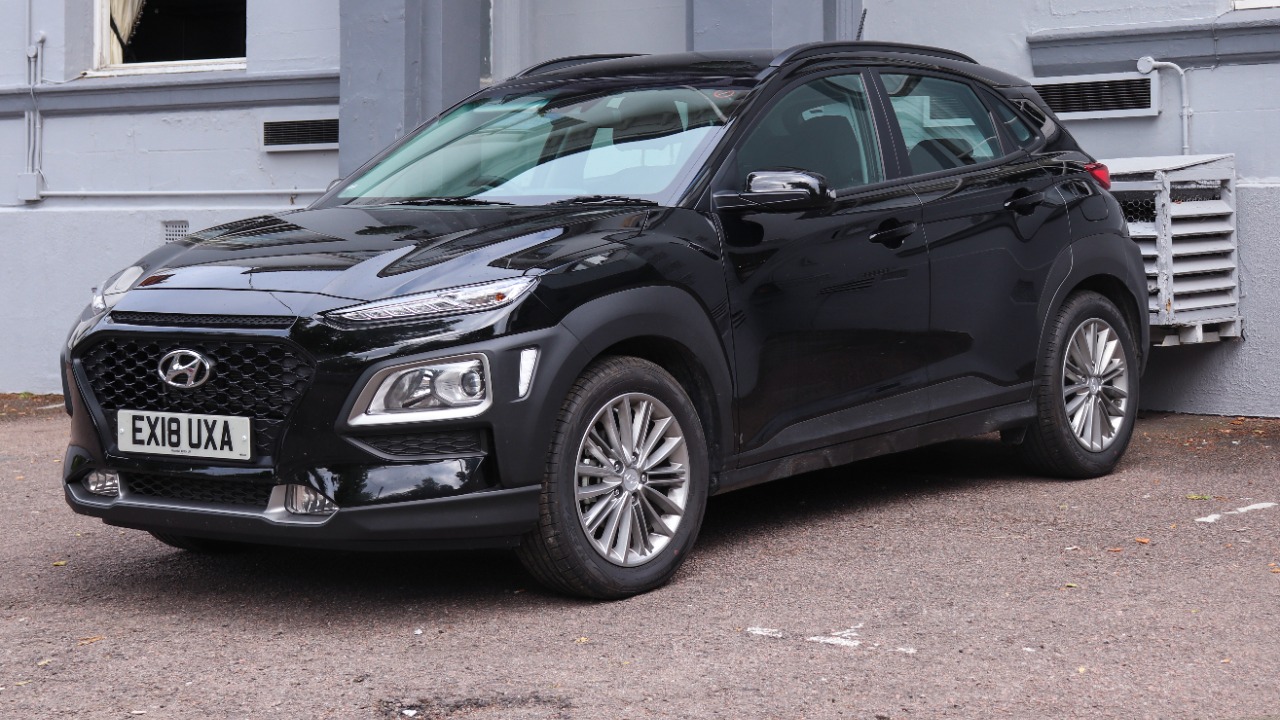
The Hyundai Kona Electric is popular for its balance of range and price, but charging is an area where it faces challenges. The availability of high-speed chargers can be inconsistent, affecting the convenience of long journeys.
Moreover, like many EVs, the Kona Electric’s charging performance can be affected by temperature extremes. Cold weather can significantly reduce charging speed and efficiency, as detailed in studies on battery performance. This can lead to longer charging times and reduced range in colder climates.
Jaguar I-PACE
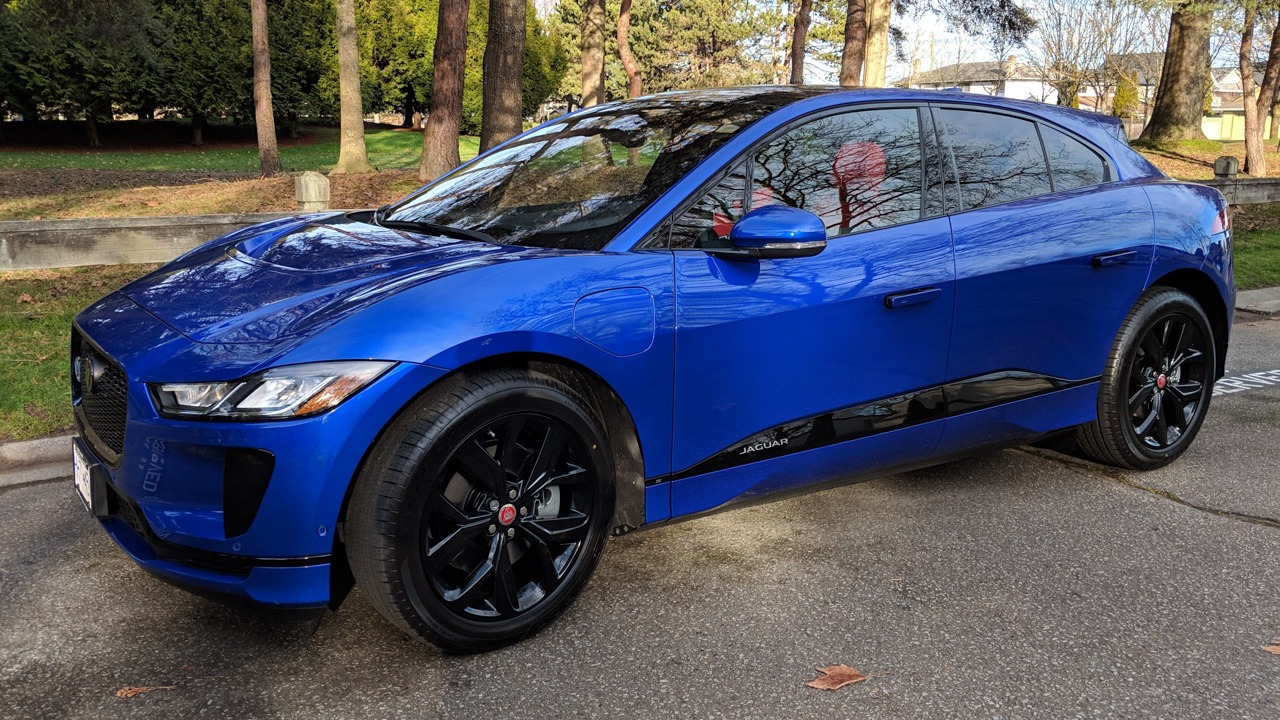
The Jaguar I-PACE is an award-winning electric SUV, yet its charging capabilities are not without criticism. Owners have reported issues with the vehicle’s charging port and software glitches, which can complicate the charging process.
Additionally, the I-PACE’s charging network compatibility can be limited, as it does not support all types of fast chargers. This limitation can pose significant challenges during long trips, where access to a reliable and rapid charging network is crucial for maintaining a smooth travel experience. Research into charging infrastructure highlights the importance of expanding and standardizing networks to better meet consumer needs.
