
While electric vehicles (EVs) are heralded for their innovative technology and environmental benefits, they are not without their issues. Several lesser-known recalls have surfaced recently, covering everything from software glitches to mechanical failures. Here are seven recalls you might not have heard about.
Battery Management System Glitch
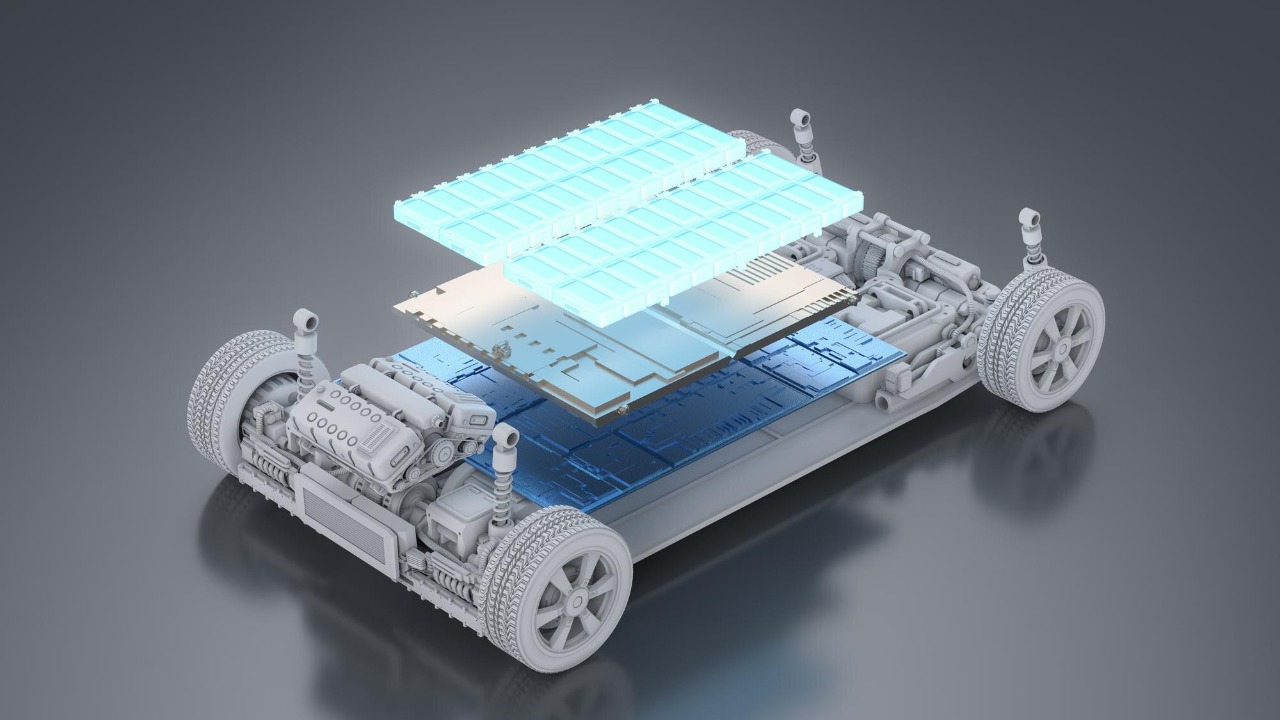
One recent recall involves a glitch in the battery management system that can lead to unexpected power loss. This issue primarily affects a batch of vehicles manufactured between 2022 and 2023. Owners have reported sudden decreases in power, causing safety concerns during high-speed travel.
While manufacturers are working on software updates to resolve the issue, drivers are advised to keep their vehicles updated with the latest software patches. This recall highlights the importance of regularly checking for software updates from your EV manufacturer.
Faulty Charging Port Design

Another issue that has flown under the radar is a faulty charging port design. This design flaw can lead to improper charging or even damage to the vehicle’s electrical system. In some cases, the charging cable fails to lock into place securely, interrupting the charging process.
Manufacturers are addressing these issues by replacing the charging ports in affected models. If you suspect your vehicle might be affected, it’s a good idea to contact your dealer for an inspection and possible port replacement.
Inaccurate Range Display

Inaccurate range displays have caused confusion and frustration for some EV owners. This issue involves the vehicle’s dashboard showing an incorrect estimate of the remaining range, which could lead to unexpected stops.
To remedy this, manufacturers are issuing software updates to recalibrate the range estimation algorithms. If you’re experiencing this issue, keeping your software up to date is crucial to ensure you have an accurate understanding of your vehicle’s capabilities.
Unexpected Software Shutdown

Some EVs have been recalled due to unexpected software shutdowns that occur without warning. This problem can temporarily disable important vehicle functions, raising safety concerns.
Manufacturers are responding by rolling out patches to address these software bugs. If your vehicle is affected, it’s recommended to install the updates as soon as they become available to ensure your car operates smoothly and safely.
Defective Thermal Management System
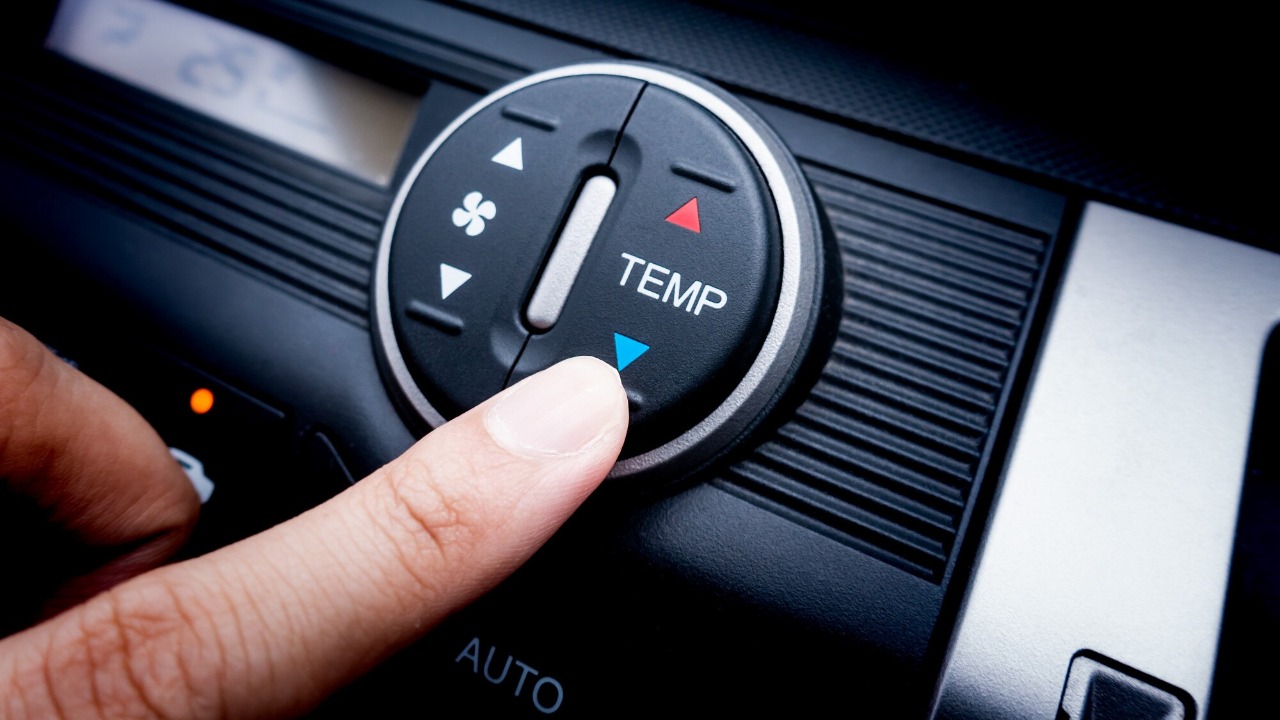
Thermal management systems are crucial for maintaining optimal battery temperature. A defective system can lead to overheating, which poses risks to both vehicle performance and safety.
Recall efforts are focused on replacing faulty components and updating software to better manage battery temperatures. Owners are advised to monitor their vehicle’s temperature and report any irregularities to their dealer.
Brake System Malfunction

In some EV models, a malfunction in the brake system has prompted recalls. This issue can lead to decreased braking performance, which is a serious safety concern.
Automakers are conducting inspections and replacing defective parts to rectify the problem. If you notice any changes in your car’s braking performance, it’s important to have it checked as soon as possible.
Power Steering Failure
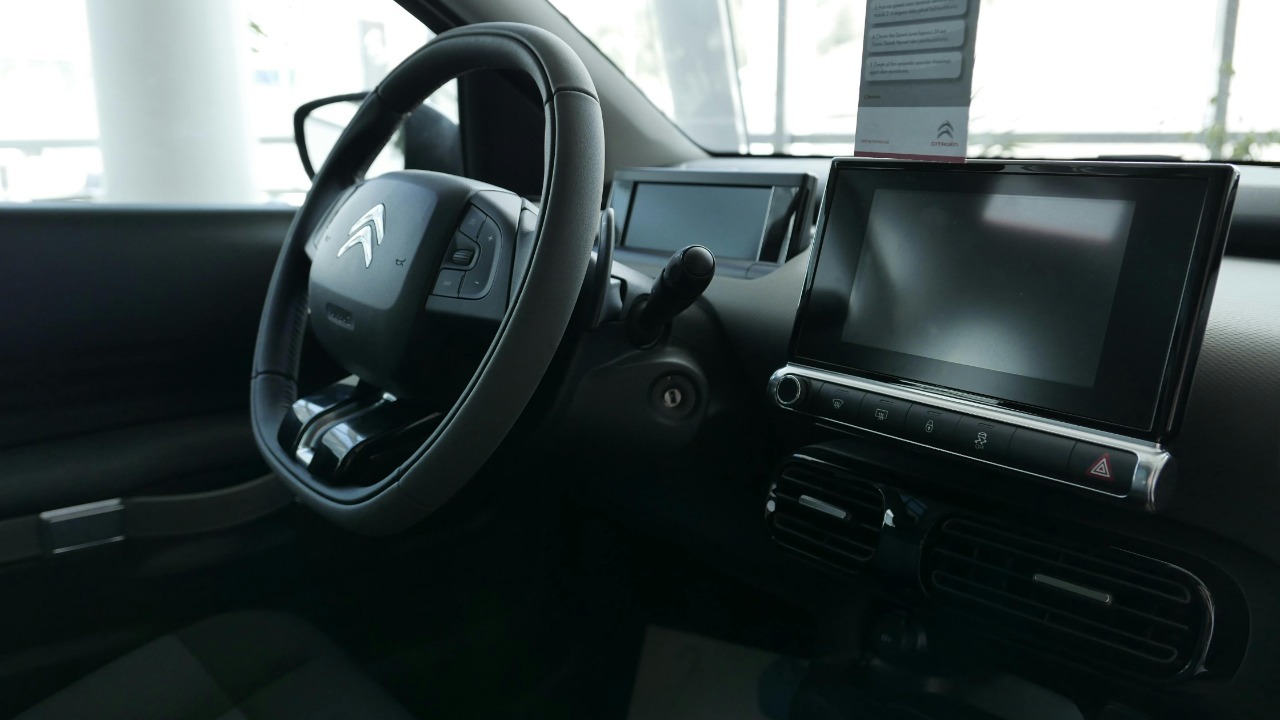
Power steering failure is another issue that has emerged, affecting the drivability of certain EVs. This problem can make steering more difficult, especially at lower speeds.
Manufacturers are offering repairs and replacements for affected steering components. It’s essential to report any steering difficulties to your dealer to ensure your vehicle remains safe to drive. In some cases, this can also be tied to larger issues, such as the Cybertruck recall involving multiple component failures.
