
Depreciation is a reality that car owners face, and some vehicles are notorious for losing value rapidly. Understanding which types of cars are most prone to depreciation can help buyers make informed decisions. Here, we explore seven categories of cars that can lose up to 50% of their value within just two years.
Luxury Sedans
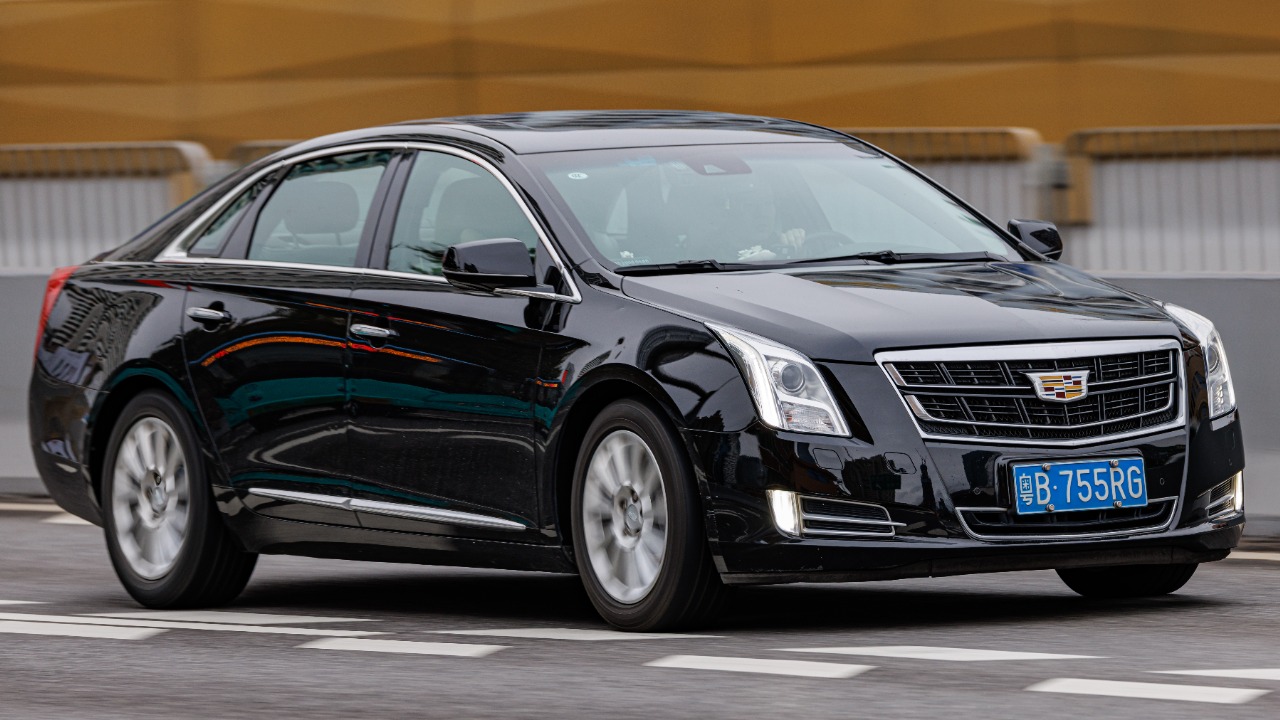
Luxury sedans often come with a hefty price tag, which can make their depreciation even more noticeable. These vehicles are packed with high-end features and technology that quickly become outdated, leading to steep value drops. Moreover, the demand for large luxury cars has been waning, causing their resale values to plummet.
Brands like BMW and Mercedes-Benz see significant depreciation, with some models losing nearly half their value within two years. Buyers looking for luxury might find greater value in slightly used models where depreciation has already taken its toll.
Electric Vehicles
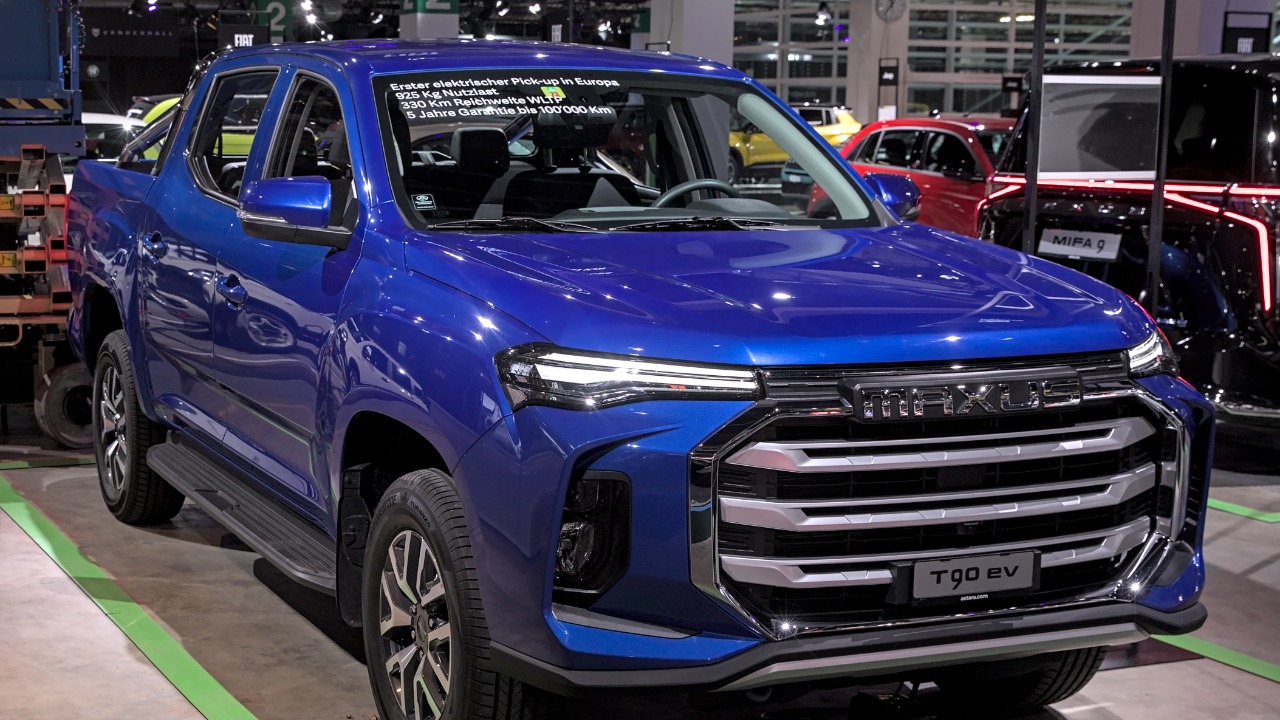
Electric vehicles (EVs) are growing in popularity, yet they tend to depreciate faster than traditional cars. Factors contributing to this include rapidly advancing technology and government incentives that make new EVs more attractive. The introduction of newer models with better battery life and features further depreciates older models.
Despite their environmental benefits, EVs like the Nissan Leaf often see significant value drops shortly after purchase. Buyers need to be cautious about the specific model and its anticipated market acceptance.
High-End SUVs
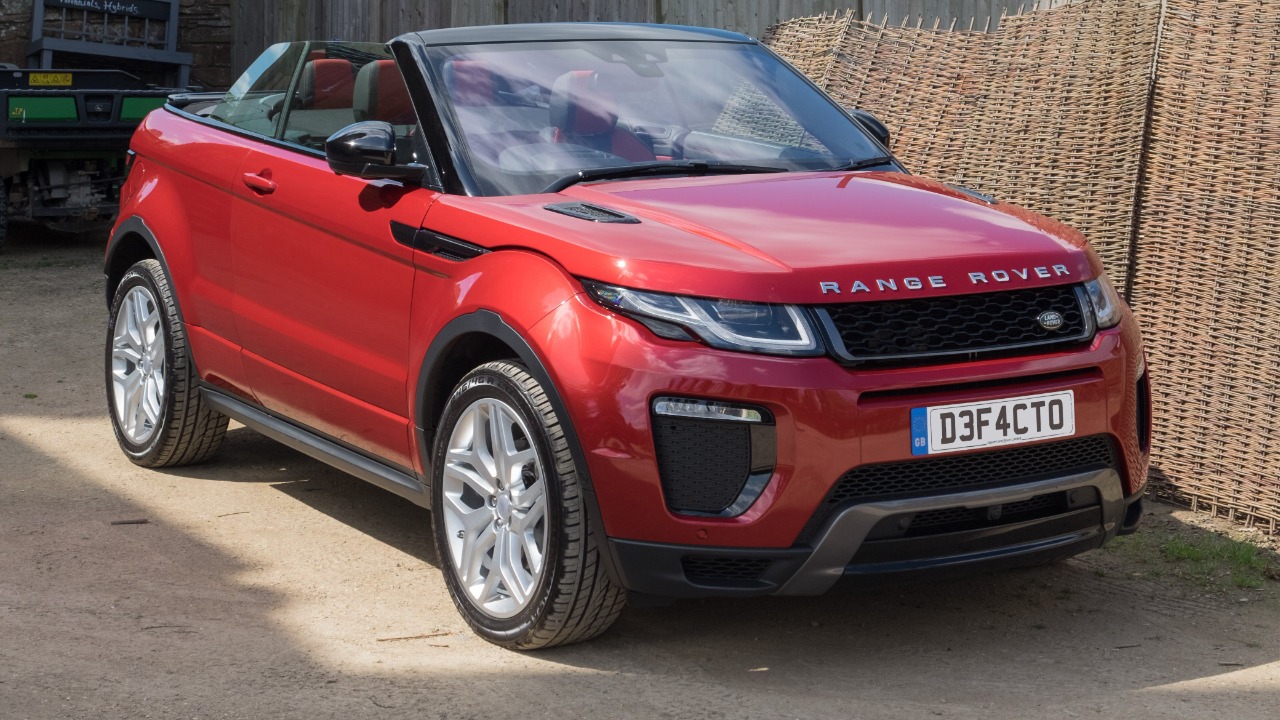
High-end SUVs combine luxury with utility, but they are not immune to quick depreciation. The market is saturated with choices, and new models with enhanced features are frequently released. This competition drives down the resale values of older models.
Audi and Land Rover, for example, have models that depreciate rapidly. It’s important for potential buyers to consider how much they value the latest features and whether they are willing to pay a premium for them.
Sports Cars
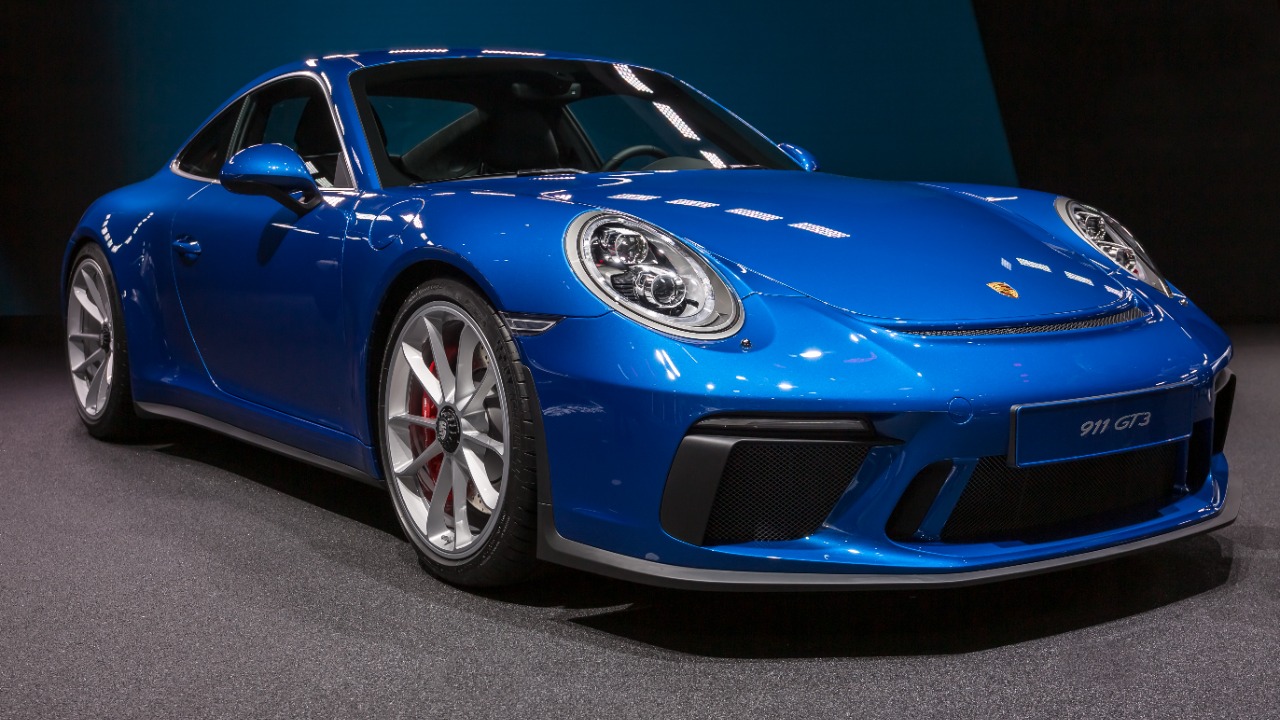
Sports cars are designed for performance, but they can lose their value almost as fast as they accelerate. These vehicles often appeal to niche markets, which can shrink considerably over time. As new models with better performance specs are released, older models see their values plummet.
Brands like Porsche and Jaguar are known for quick depreciation, as enthusiasts often prefer the latest models. For those set on a sports car, waiting a couple of years can offer significant savings.
Large Pickup Trucks
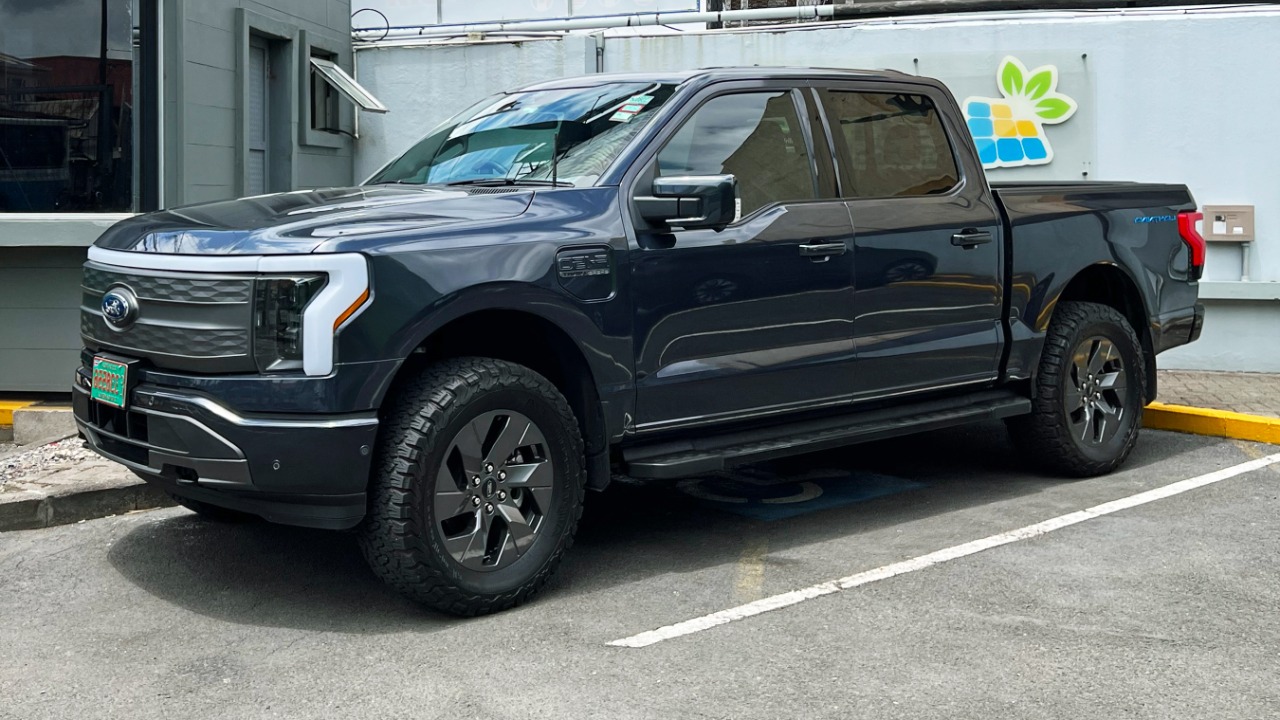
Large pickup trucks are popular for their utility and power, but they aren’t immune to high depreciation rates. Fuel efficiency concerns and the constant release of improved models contribute to their rapid depreciation.
While brands like Ford and Ram are leaders in this segment, even their models see steep value drops. Buyers should consider their long-term needs and the potential for resale when investing in a large pickup.
Imported Luxury Coupes
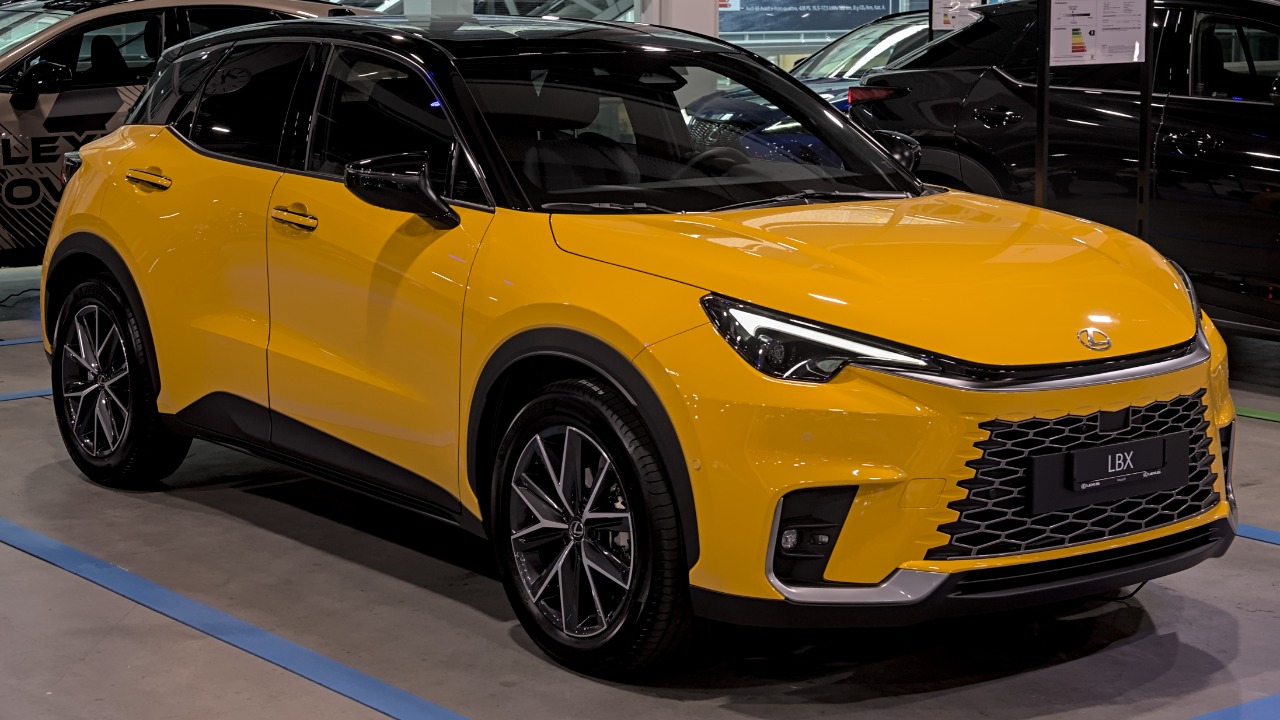
Imported luxury coupes often face steep depreciation due to their high initial cost and niche market appeal. While they offer an allure of exclusivity and performance, their limited market can quickly diminish interest, leading to a drop in value.
Brands like Lexus and Infiniti are known to depreciate rapidly, primarily because luxury buyers often prefer the latest models with the newest technology and features. Buying a pre-owned coupe can often offer the same luxury experience at a fraction of the price.
Niche Market Vehicles
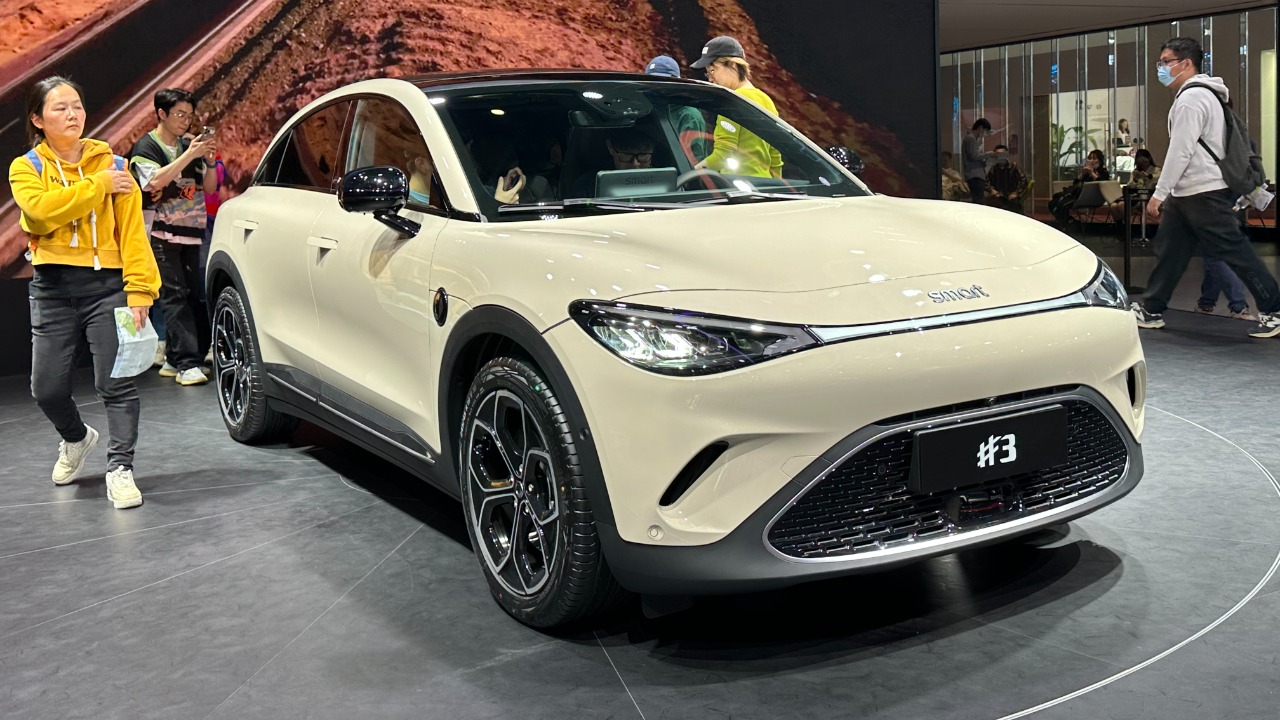
Niche market vehicles cater to specific tastes and needs, which can be a double-edged sword. Their unique appeal can quickly turn into a liability as market trends shift, leading to rapid depreciation.
Models like the Smart Car have experienced significant value drops, as their limited appeal can quickly become outdated. Buyers should be wary of niche vehicles unless they are certain of their long-term commitment to the car’s unique features.
