
Car enthusiasts often look forward to redesigns, hoping for improved performance, style, and features. However, sometimes these overhauls don’t hit the mark, leaving fans and drivers disappointed. Here, I explore seven cars that took a step back after their much-anticipated redesigns.
Ford Mustang
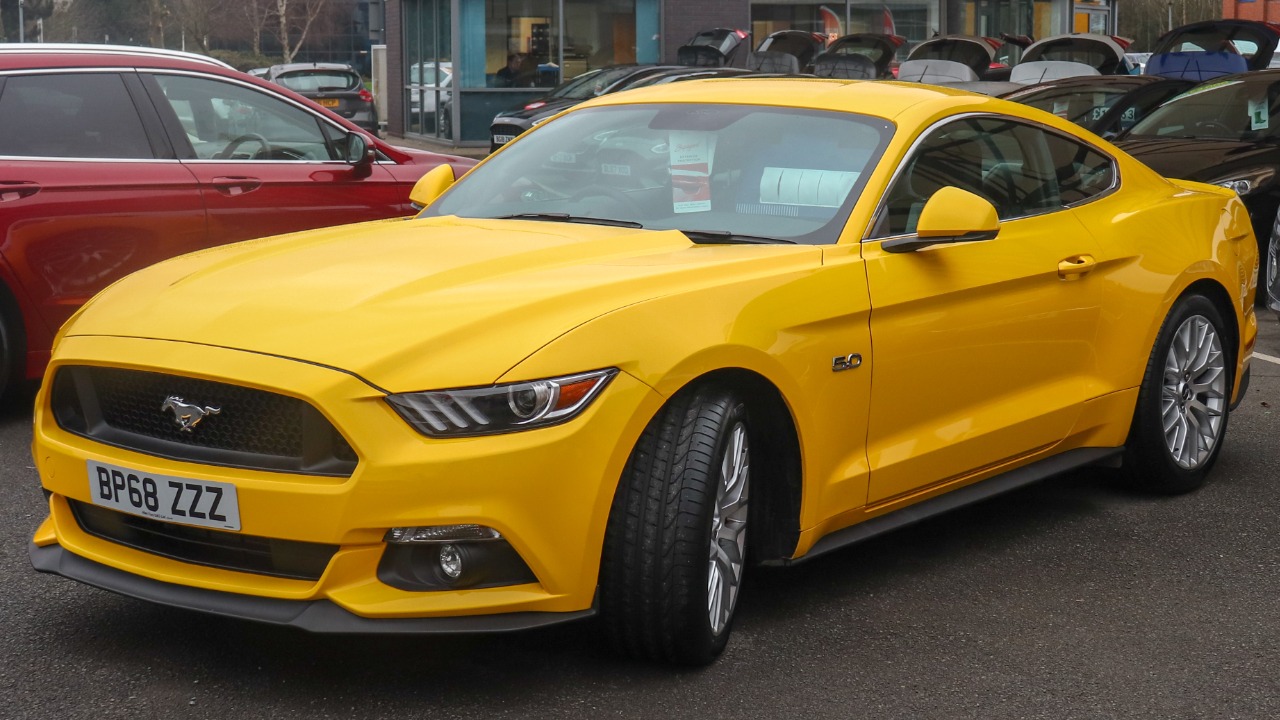
The Ford Mustang, a staple in the muscle car world, faced criticism after its recent redesign. Enthusiasts felt the latest iteration strayed too far from its classic roots. The changes were not well-received, with many pointing out that the new design lacked the raw, aggressive styling that made the Mustang iconic. Despite the intention to modernize, the redesign left some fans yearning for the previous model’s charisma.
Toyota Prius
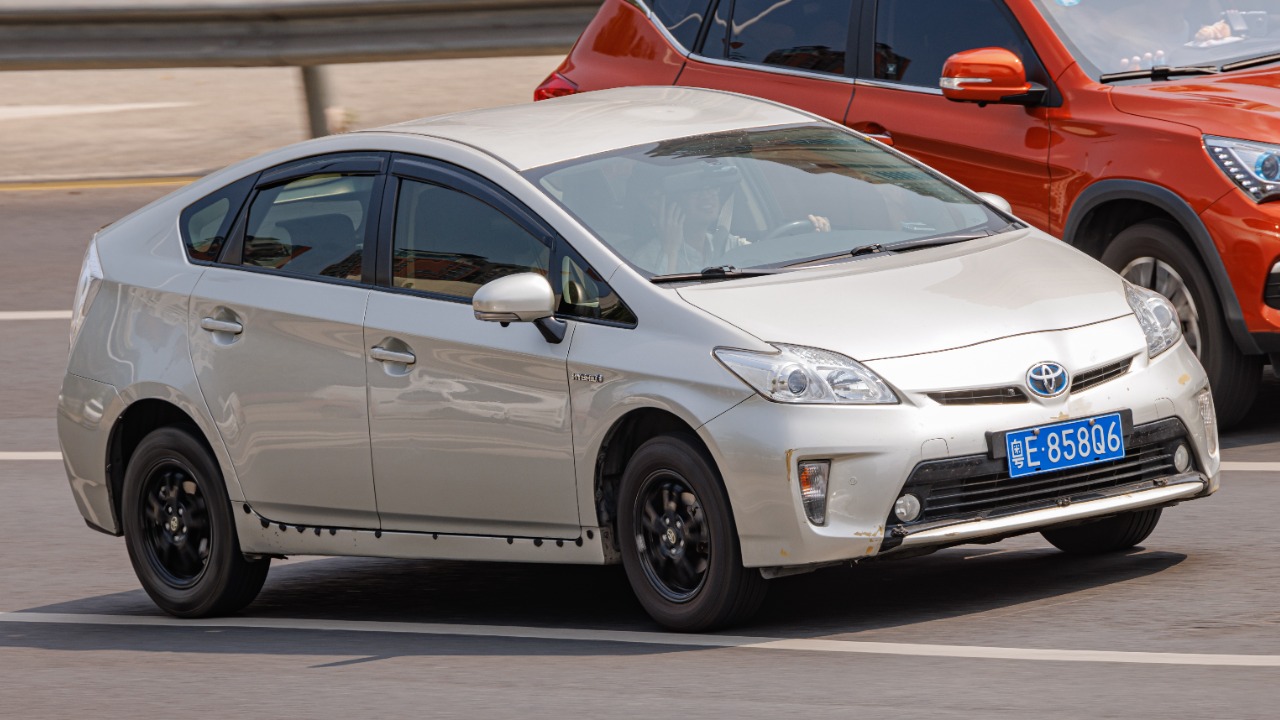
The Toyota Prius has long been a leader in hybrid technology. However, its latest redesign faced backlash for its polarizing exterior. While the intent was to make the vehicle more aerodynamic, it resulted in a look that many found unattractive. Additionally, the interior technology updates did not impress, leaving some drivers missing the user-friendly interface of earlier models. The Prius’s attempt to stay cutting-edge may have missed the mark.
BMW 3 Series
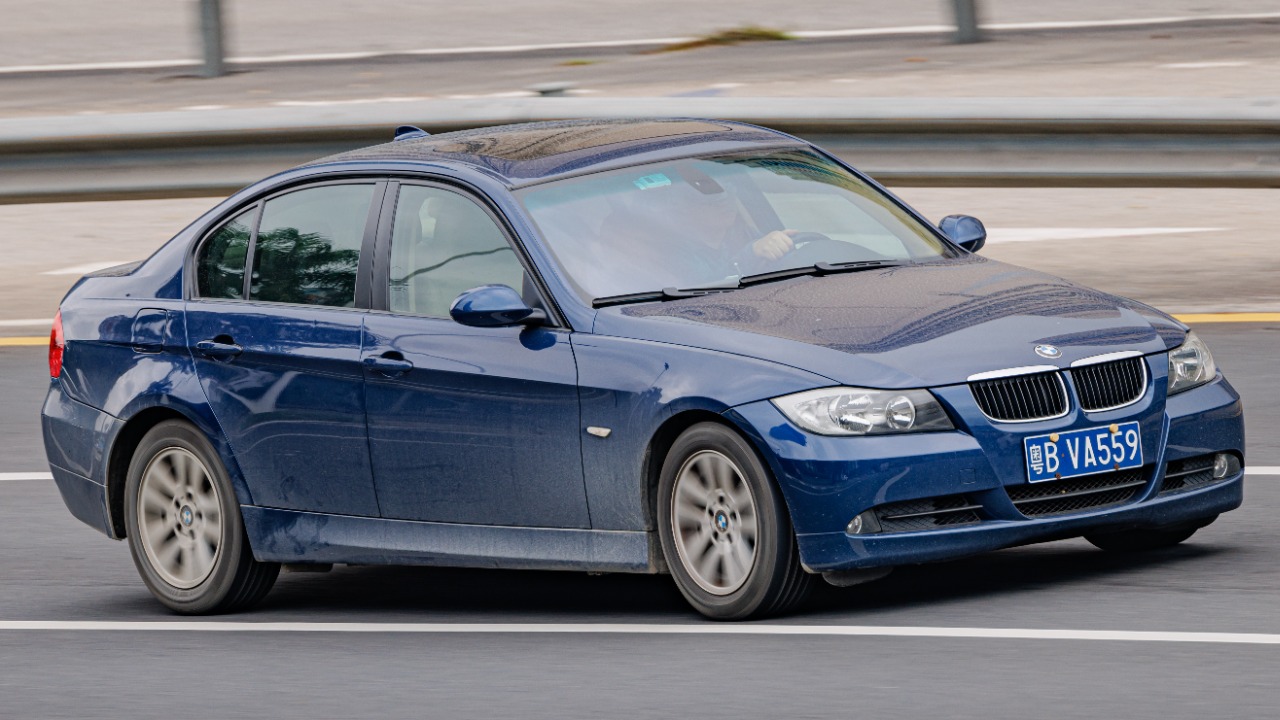
The BMW 3 Series has traditionally been celebrated for its driving dynamics and luxury. However, the latest redesign introduced a more digital-focused interior, which did not resonate with everyone. According to The Globe and Mail, the shift towards digital craftsmanship has been met with mixed reactions. Some fans felt the tactile, driver-centric experience was lost in favor of tech-heavy features.
Honda Civic
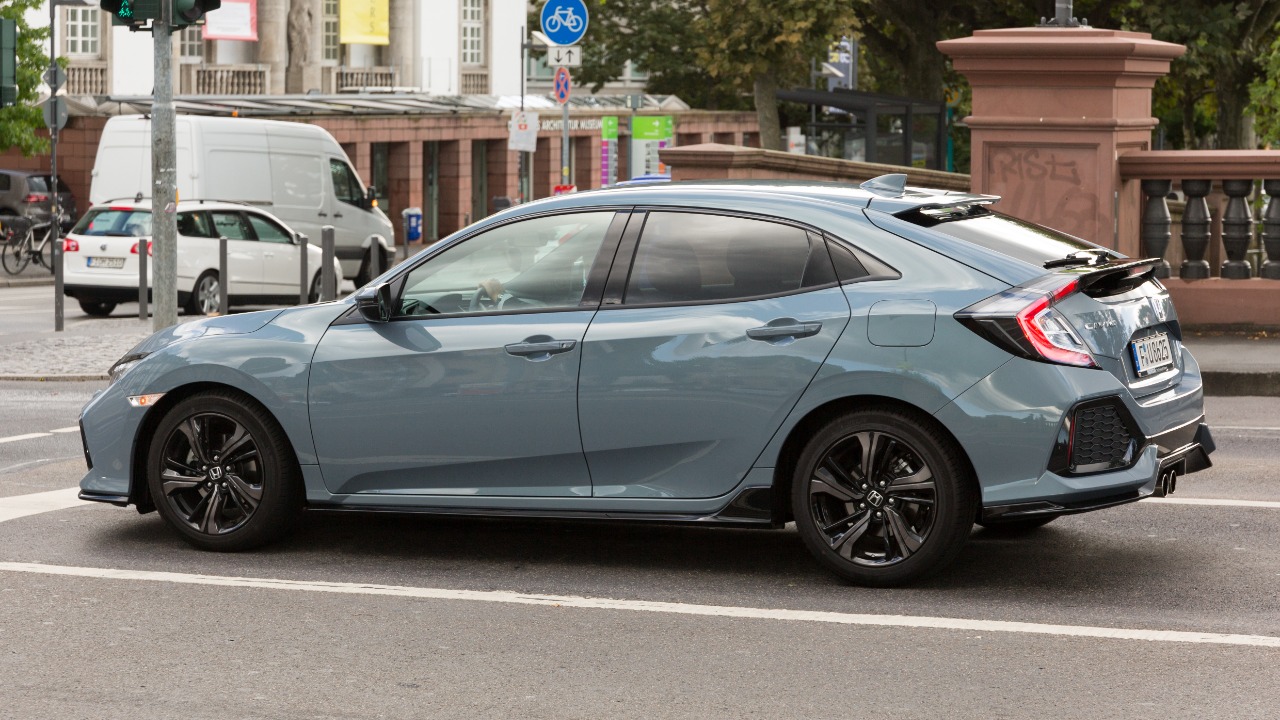
The Honda Civic has always been known for its reliability and practicality. However, its redesign received mixed reviews, with some criticizing its subdued styling compared to previous, more dynamic models. The interior updates also left some feeling underwhelmed, as the minimalist approach sacrificed some of the functional features that drivers had come to appreciate. The redesign seemed to prioritize aesthetics over the Civic’s practical roots.
Nissan Pathfinder
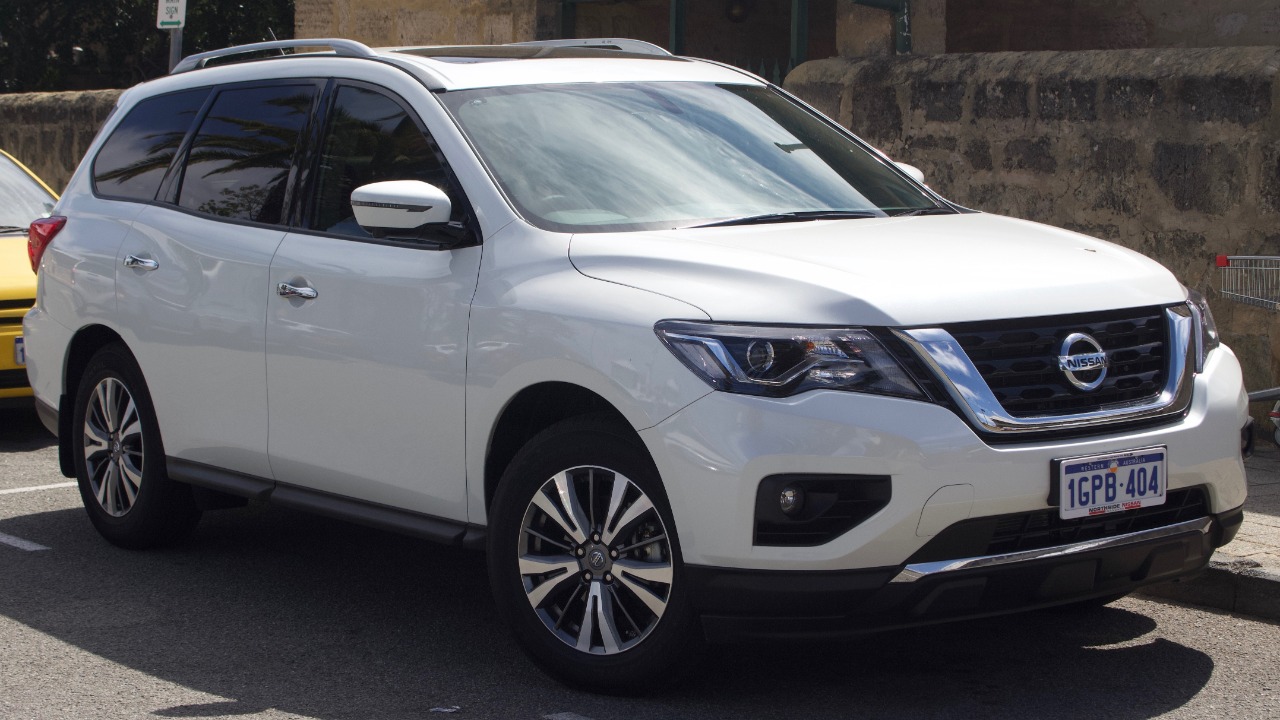
The Nissan Pathfinder’s recent redesign aimed to return the SUV to its rugged origins. Yet, the execution didn’t fully satisfy long-time fans. While the exterior attempted to evoke strength, some critics felt it lacked the boldness expected from an SUV. Additionally, the interior changes, while more high-tech, did not significantly enhance the driving experience. This redesign seemed to fall short of its intended revival.
Chevrolet Malibu
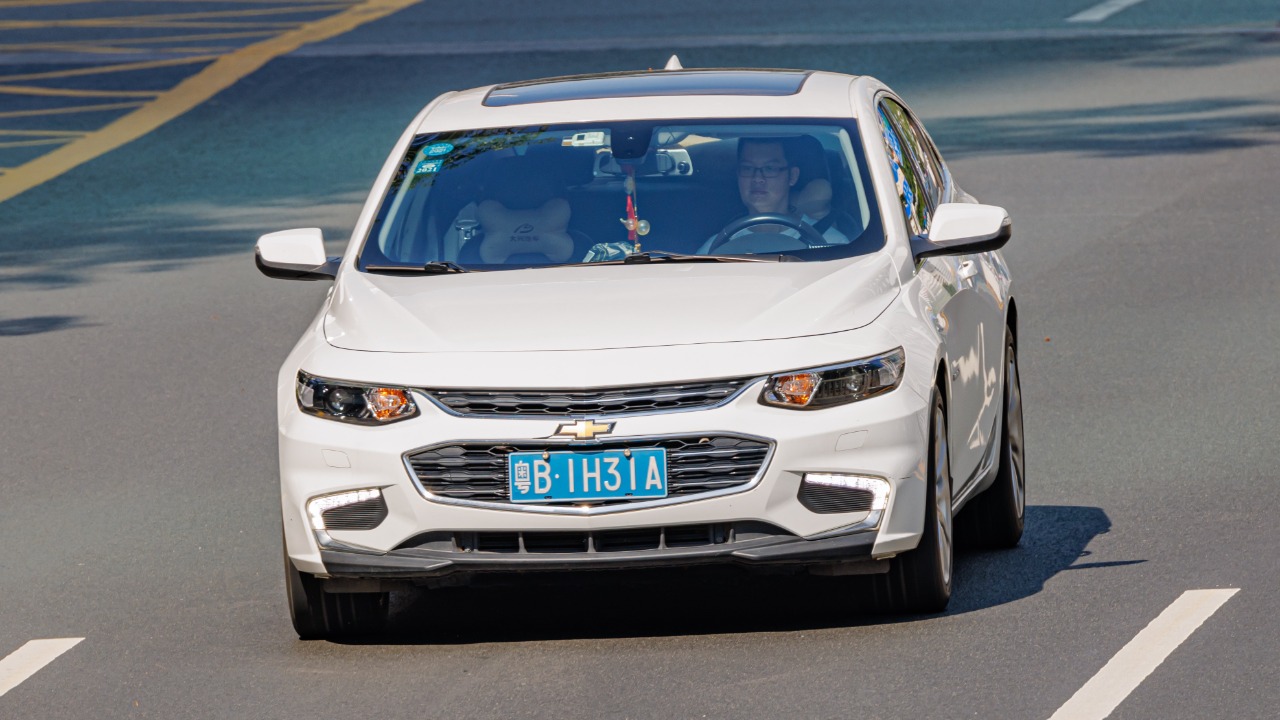
The Chevrolet Malibu’s redesign was intended to give the sedan a more contemporary feel. However, the changes did not resonate with everyone. Many found that the new style removed the distinctiveness that had set the Malibu apart. Interior modifications aimed at enhancing comfort and tech integration were met with lukewarm responses. The redesign’s attempt to modernize the Malibu seemed to dilute its identity.
Mercedes-Benz A-Class
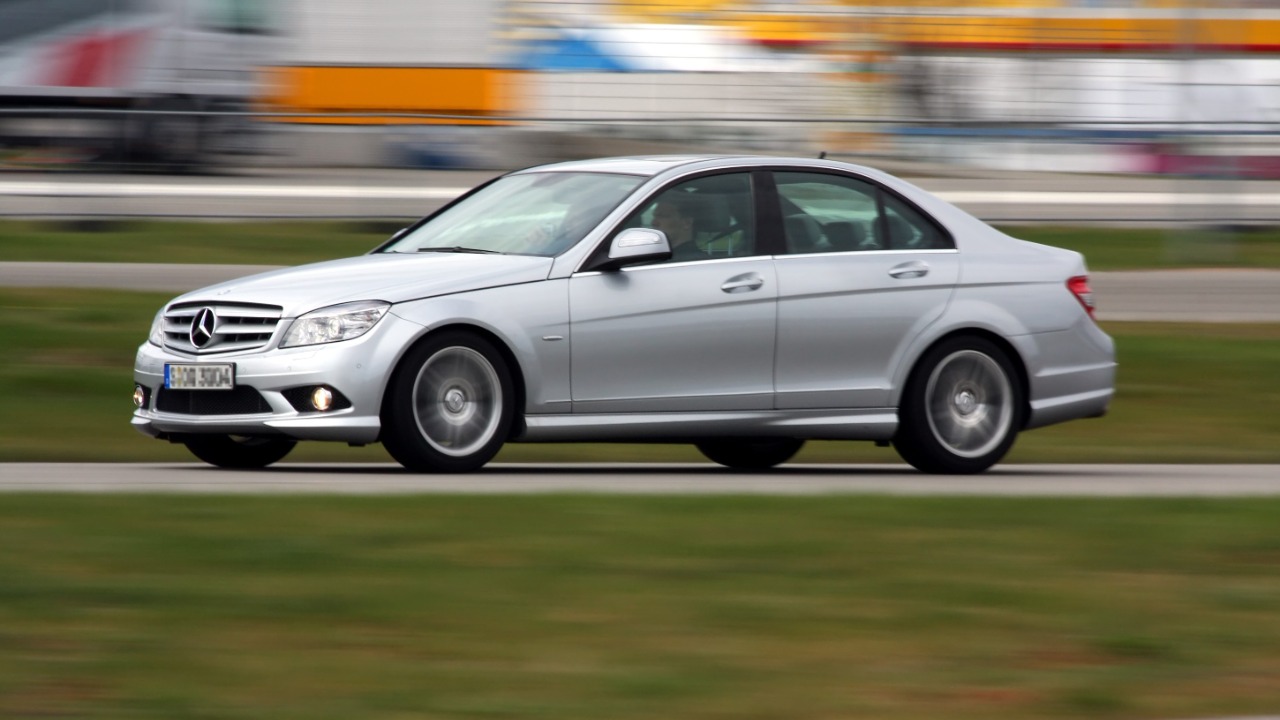
The Mercedes-Benz A-Class, known for its compact luxury, underwent a redesign that was met with skepticism. The changes, while aiming for a sleeker profile, were seen as a departure from the brand’s hallmark design language.
Moreover, some critics felt the interior updates, though technologically advanced, compromised on the luxurious feel. This redesign exemplifies why buying a car in its first year of redesign can be risky.
