Throughout aviation history, several warplanes have dazzled onlookers with their innovative designs and promising capabilities, only to be canceled before taking flight. These projects, despite their potential, never saw active service but remain fascinating glimpses into what could have been.
Northrop YF-23 Black Widow II
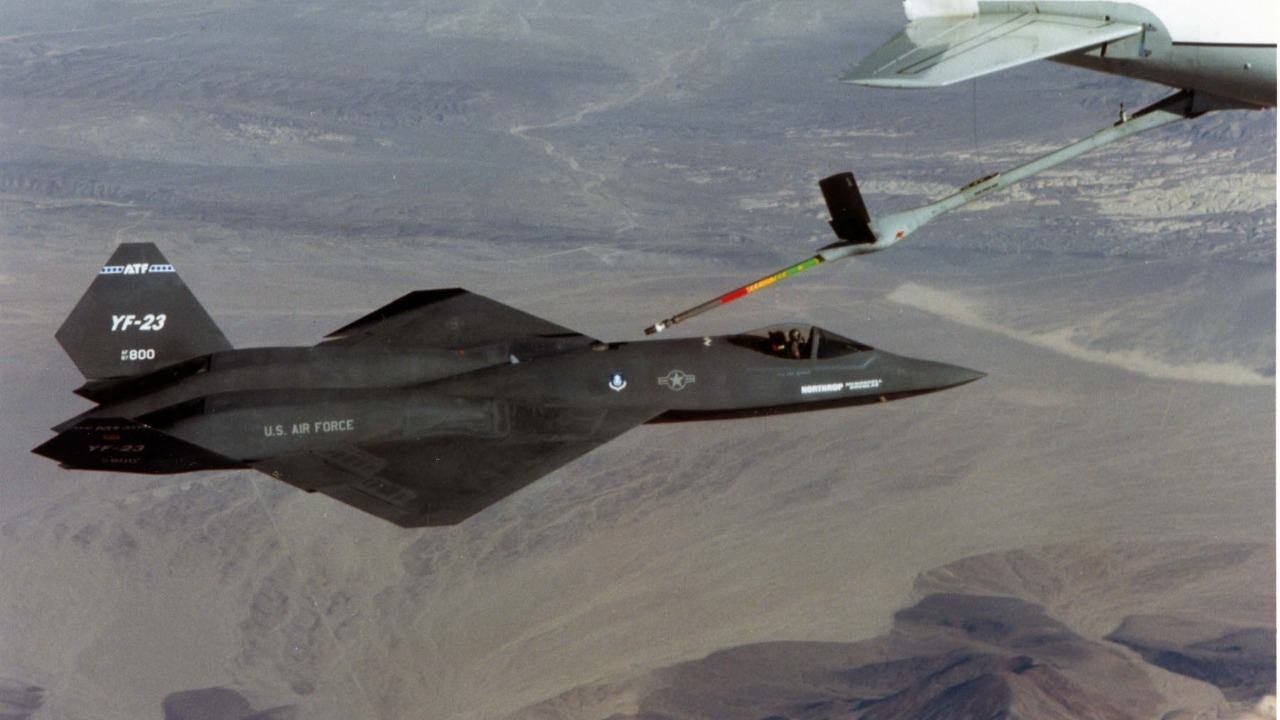
The Northrop YF-23 Black Widow II was a stealth fighter prototype developed in the 1980s as part of the United States Air Force’s Advanced Tactical Fighter competition. It boasted a sleek, futuristic design with diamond-shaped wings and a distinctive V-tail. Despite its promising stealth capabilities and advanced technology, the YF-23 lost the contract to the Lockheed Martin F-22 Raptor.
Although the YF-23 never entered production, it remains a celebrated example of stealth aircraft design. Aviation enthusiasts often debate whether it could have outperformed the F-22 in operational scenarios. Hushkit offers a deep dive into the history of this remarkable aircraft, which continues to capture the imagination of military aviation fans.
Lockheed Martin X-44 MANTA
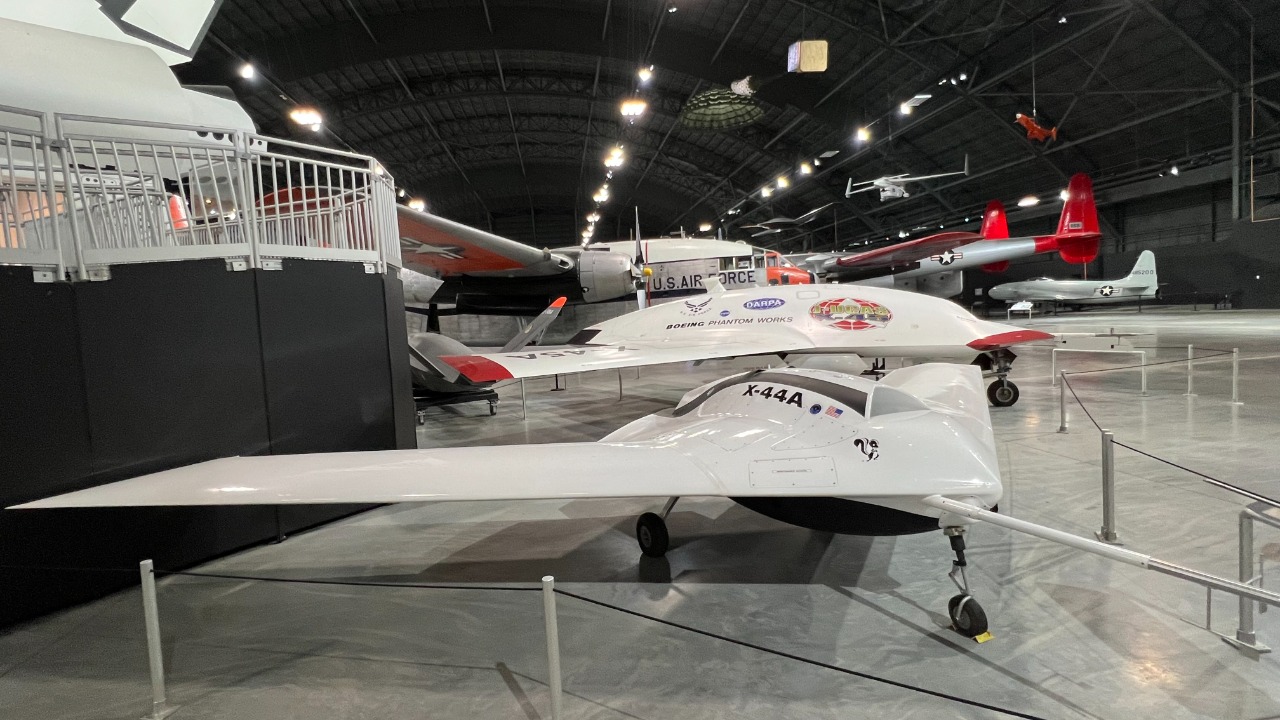
The Lockheed Martin X-44 MANTA, short for Multi-Axis No-Tail Aircraft, was a visionary project aimed at creating a tailless fighter jet. The concept envisioned a highly maneuverable aircraft utilizing thrust vectoring technology instead of traditional control surfaces. The absence of a tail promised enhanced stealth and agility.
Despite its potential, the X-44 MANTA never progressed beyond the conceptual stage. The project was eventually shelved in favor of more traditional designs. However, the ideas explored during its development may inspire future aircraft design. For more on the evolving landscape of military aviation, check out this book.
Boeing X-32 Joint Strike Fighter
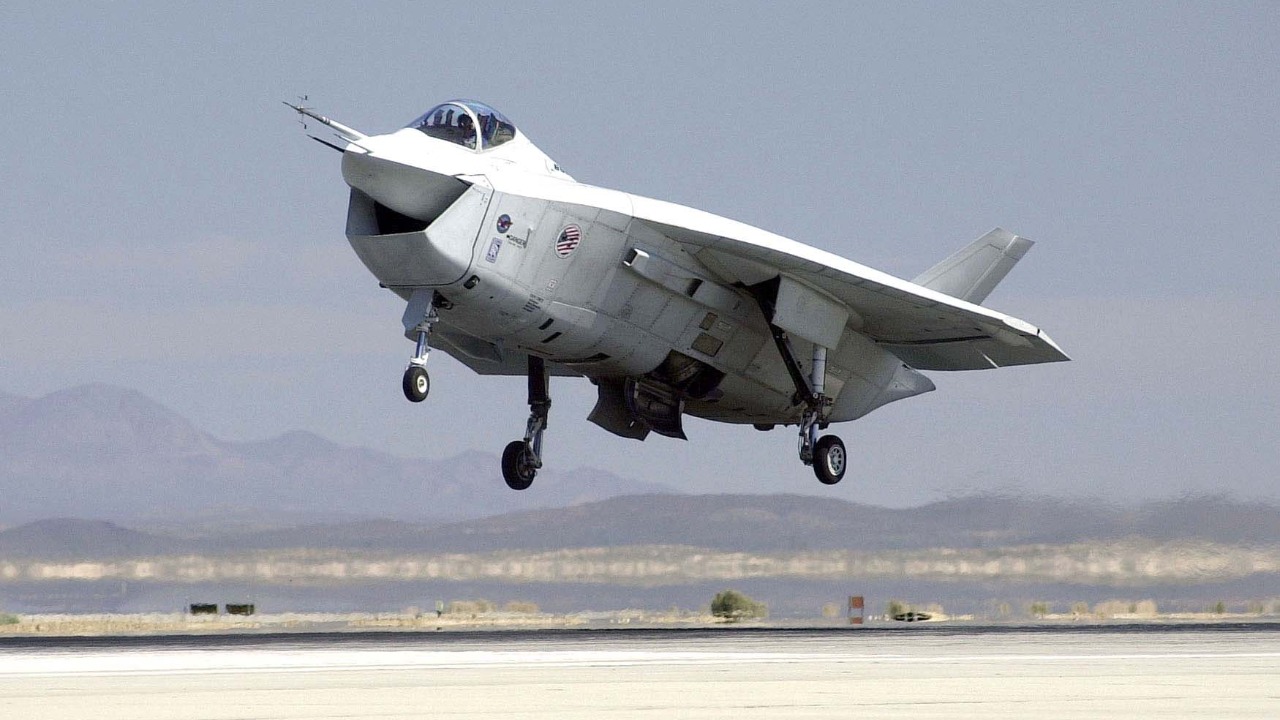
The Boeing X-32 was a contender in the Joint Strike Fighter competition, which sought a next-generation multirole fighter for the U.S. and its allies. Known for its unconventional appearance, the X-32 featured a large, chin-mounted air intake and a delta wing design. Despite its bold approach, the X-32 was ultimately not selected, losing to the Lockheed Martin X-35, which became the F-35 Lightning II.
This loss did not diminish the X-32’s significance in aviation history. It demonstrated innovative design elements and advanced technology, contributing valuable insights to the development of future aircraft. Snopes provides an interesting read about the F-35’s international impact and its roots in competitions like that of the X-32.
McDonnell Douglas A-12 Avenger II
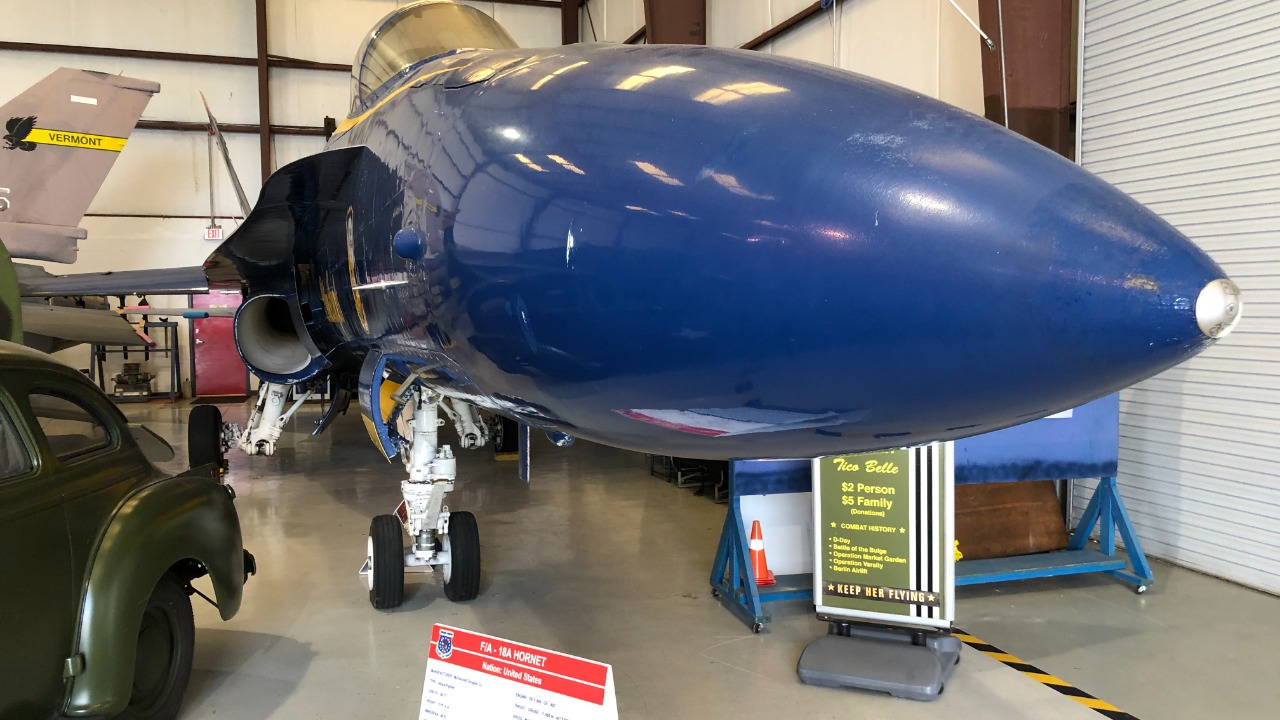
Dubbed the “Flying Dorito” due to its triangular shape, the McDonnell Douglas A-12 Avenger II was an ambitious project aimed at creating a stealth attack aircraft for the U.S. Navy. It promised to deliver unparalleled stealth capabilities and advanced avionics, making it a formidable addition to naval aviation.
Unfortunately, the A-12 was plagued by technical challenges and cost overruns, leading to its cancellation in the early 1990s. Despite its short life, the A-12 remains a subject of intrigue for aviation historians and enthusiasts. The project’s challenges underscore the complexities faced in developing advanced military technologies.
Republic XF-84H Thunderscreech
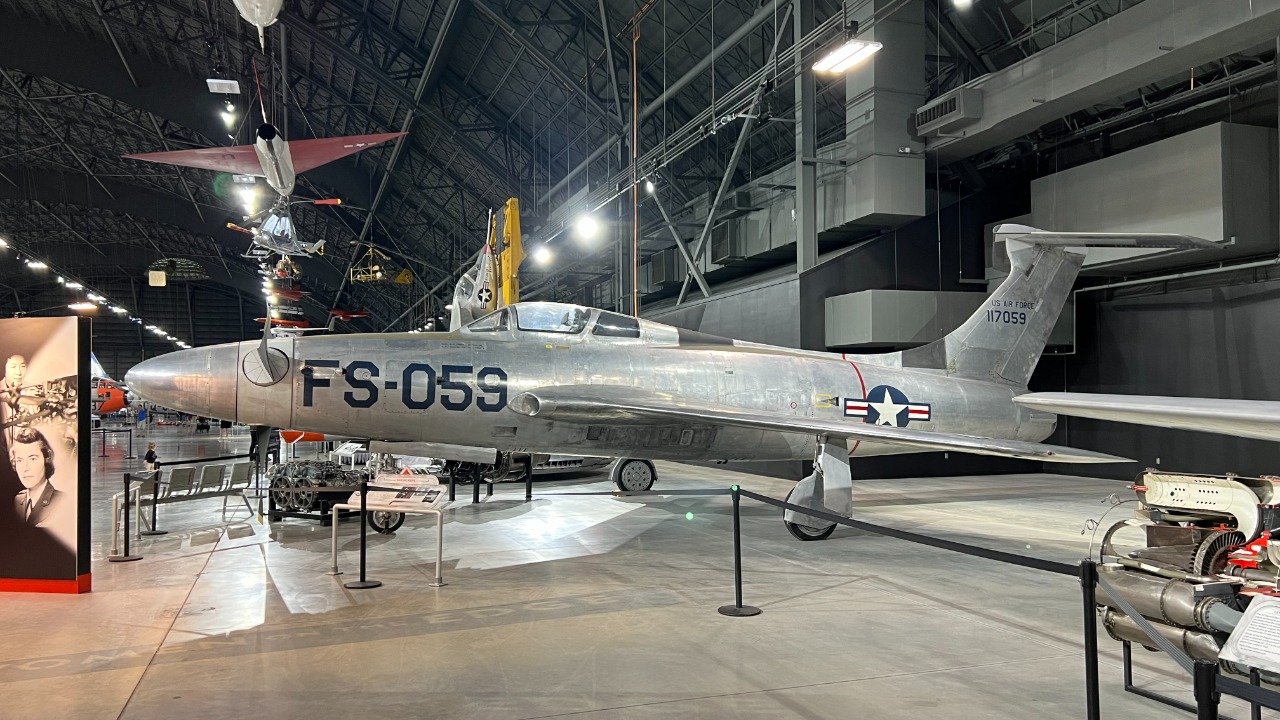
The Republic XF-84H Thunderscreech was a unique experimental aircraft known for its attempt to combine turboprop propulsion with supersonic capabilities. Featuring a powerful turboprop engine and distinctive propeller design, the Thunderscreech was intended to push the boundaries of speed for propeller-driven aircraft.
Despite its groundbreaking ambitions, the XF-84H faced significant technical issues, including extreme noise levels that earned it its ominous nickname. The project was eventually canceled, but it remains a fascinating chapter in aviation history. For those interested in the challenges of aviation, Reuters offers insights into the hurdles faced by various aircraft projects.
Convair Model 200 Sea Dart
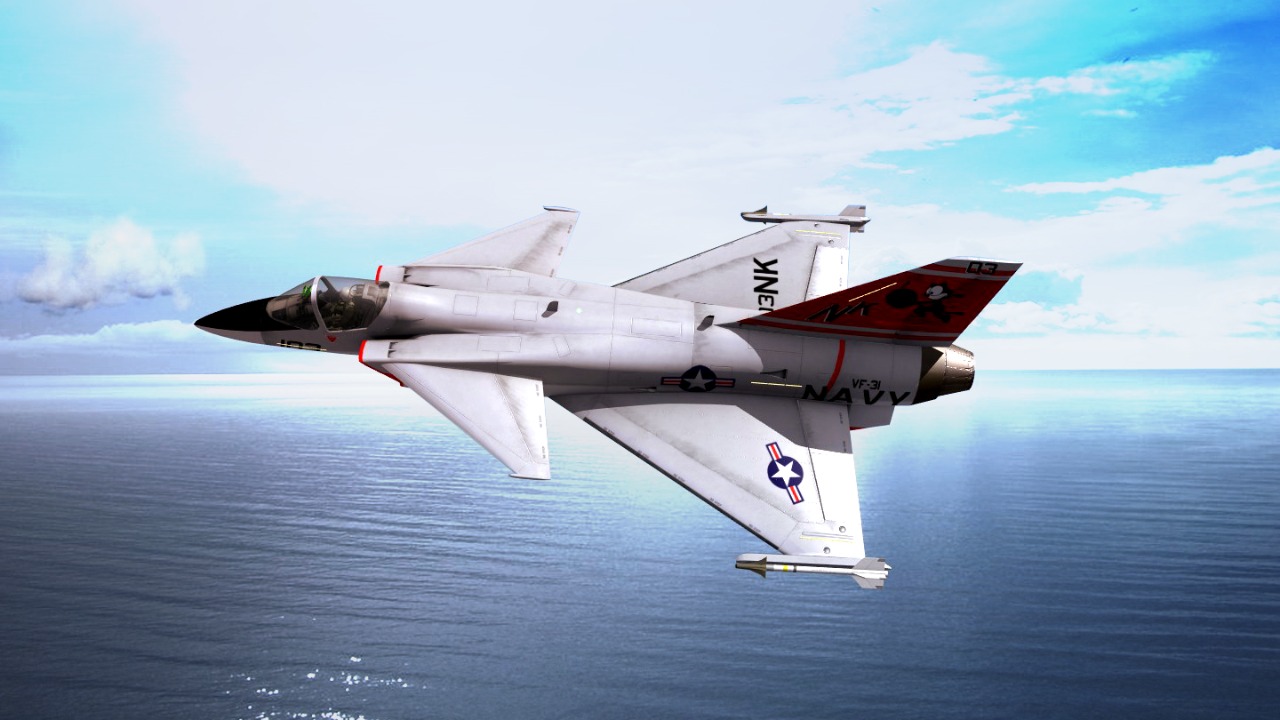
The Convair Model 200 Sea Dart was a one-of-a-kind seaplane fighter developed during the 1950s. It was designed to operate from water, offering a unique solution for naval aviation. The Sea Dart featured retractable hydro-skis for takeoff and landing, allowing it to operate from the ocean’s surface.
Despite its innovative approach, the Sea Dart faced numerous challenges, including stability issues and performance limitations. It was ultimately canceled, but its daring design remains a testament to the creativity of aviation engineers. The Sea Dart’s story highlights the complexities of integrating new technologies into military applications.
North American XB-70 Valkyrie
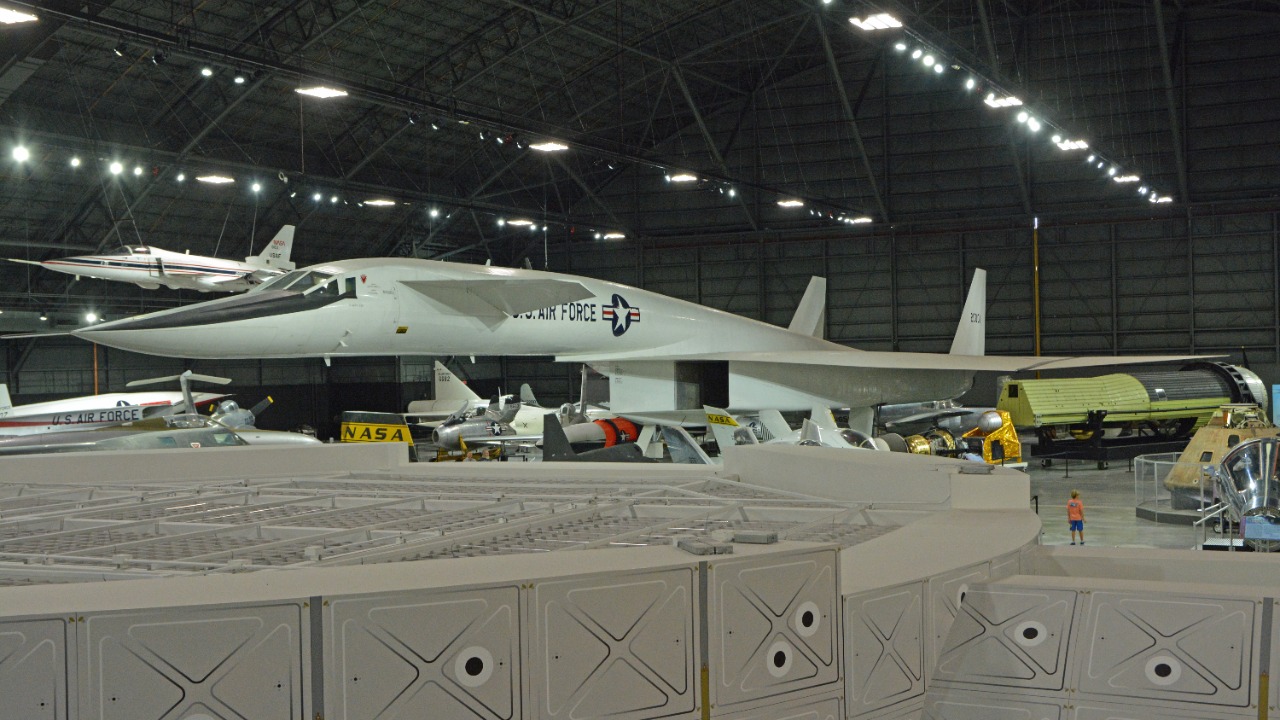
The North American XB-70 Valkyrie was an awe-inspiring supersonic bomber developed during the Cold War era. With its sleek, futuristic design and six powerful engines, the XB-70 was intended to fly at speeds exceeding Mach 3, delivering nuclear payloads deep into enemy territory.
Despite its impressive capabilities, the XB-70 program was canceled due to advancements in missile technology, which rendered high-speed bombers less relevant. Two prototypes were built, and one remains on display at the National Museum of the United States Air Force. The Valkyrie’s story is a reminder of the rapid evolution of military technology during the Cold War. For more on how technology impacts aviation, check out SoundGuys for insights into modern aviation tech.
