Throughout the history of aviation, certain bombers have earned a reputation for their impressive range and capability. These aircraft are marvels of engineering, designed to carry out long-distance missions with precision. Here, we explore seven bombers that have the potential to circumnavigate the globe.
Boeing B-52 Stratofortress
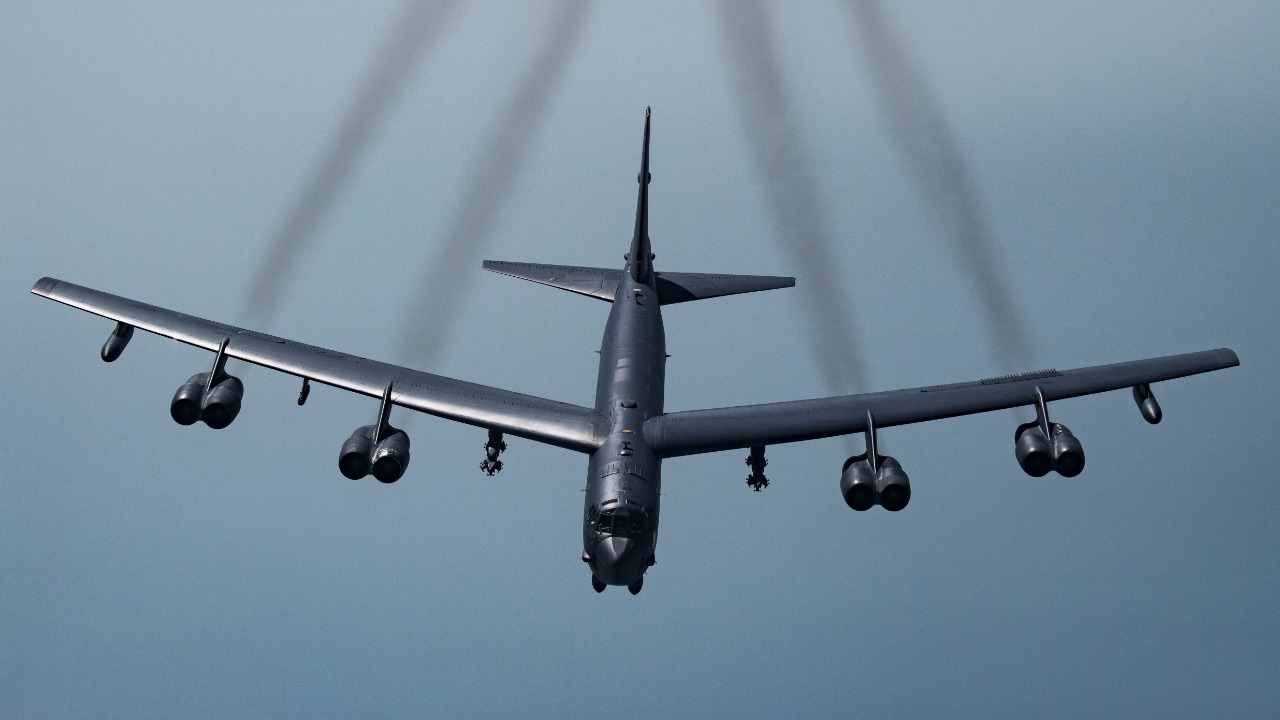
The Boeing B-52 Stratofortress is a long-range, subsonic, jet-powered strategic bomber, which first took to the skies in the 1950s. Its design has stood the test of time, making it one of the most enduring aircraft in the United States Air Force. With a range of over 8,800 miles without aerial refueling, this aircraft has been a staple in strategic bombing missions.
The B-52’s ability to carry a wide variety of weapons, including nuclear payloads, makes it a versatile option for various military operations. The aircraft is equipped with advanced avionics and communication systems, allowing it to perform in diverse environments. Its longevity and reliability have made it a critical component of the U.S. strategic bomber fleet, capable of flying around the world if necessary. Learn more about its strategic importance in global military operations.
Northrop Grumman B-2 Spirit
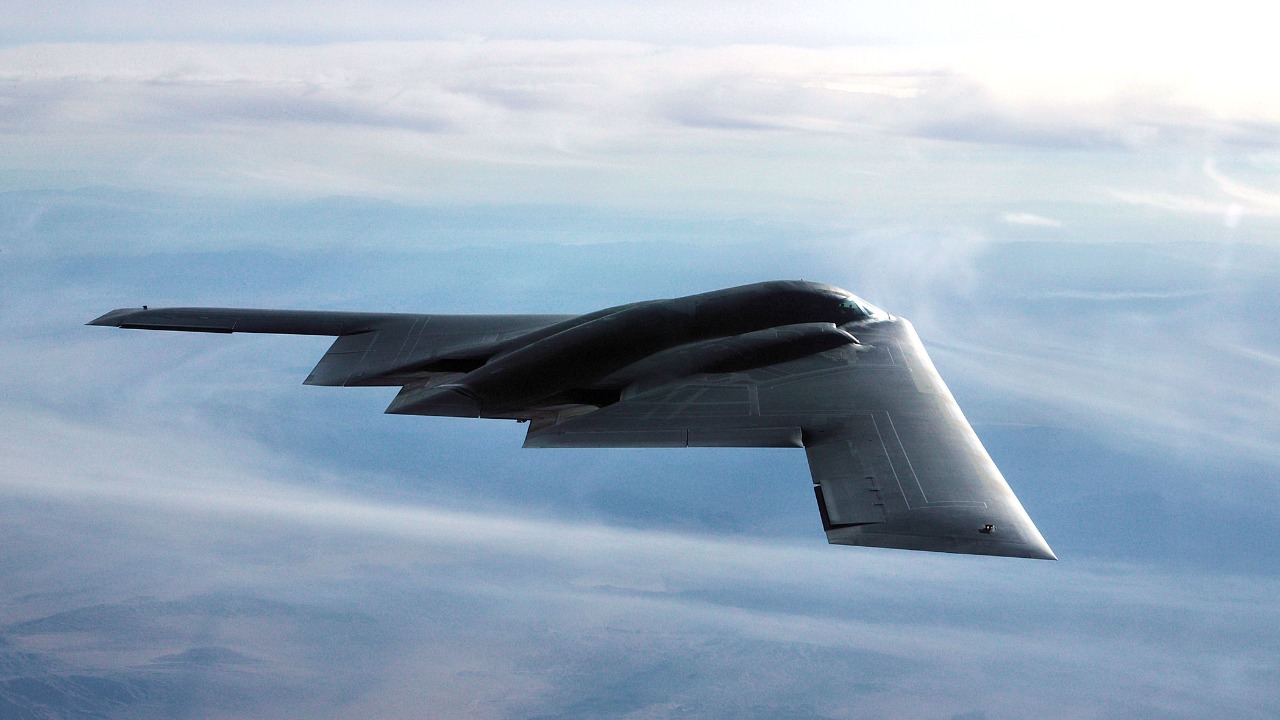
The Northrop Grumman B-2 Spirit is a stealth bomber known for its flying wing design and low observable stealth technology. Introduced in the late 1980s, the B-2 Spirit can penetrate sophisticated anti-aircraft defenses and is capable of all-altitude attack missions up to 50,000 feet. Its range is impressive, reaching up to 6,900 miles on internal fuel.
This aircraft can carry both conventional and nuclear munitions, making it a key element in U.S. strategic deterrence. The B-2’s advanced stealth capabilities enable it to evade radar detection, providing a significant advantage in combat scenarios. It remains a vital tool for the U.S. military, capable of executing missions across the globe. For more insights into its capabilities, check out this detailed exploration.
Tupolev Tu-160 “Blackjack”
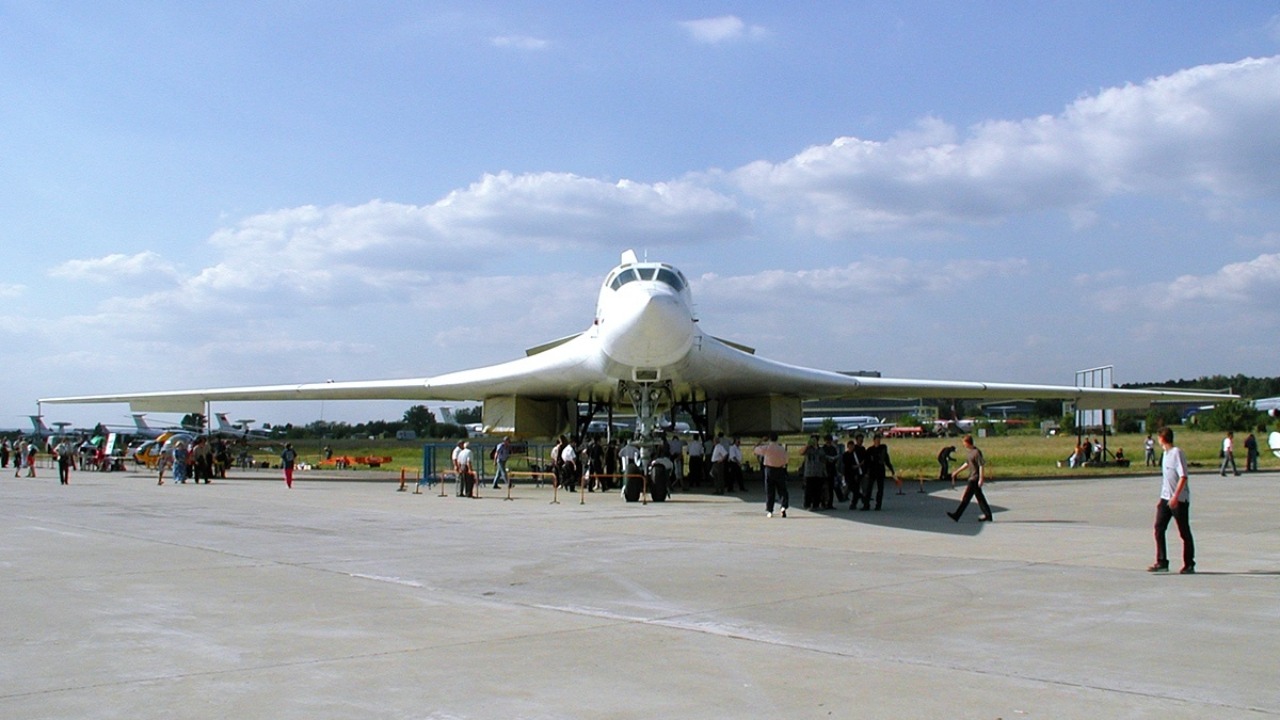
The Tupolev Tu-160, also known as “Blackjack,” is a supersonic strategic bomber developed by the Soviet Union. It is the heaviest combat aircraft ever built and remains the fastest bomber in service today. With a range of over 7,600 miles, the Tu-160 can undertake long-range missions that cover significant distances.
Equipped with variable-sweep wings, the Tu-160 can adjust its flight profile for optimal performance across various speeds and altitudes. Its ability to carry cruise missiles and nuclear warheads enhances its strategic role. The Blackjack continues to serve as a critical asset for the Russian Aerospace Forces, showcasing its global reach. For a deeper understanding of its role, consider exploring this video overview.
Rockwell B-1 Lancer
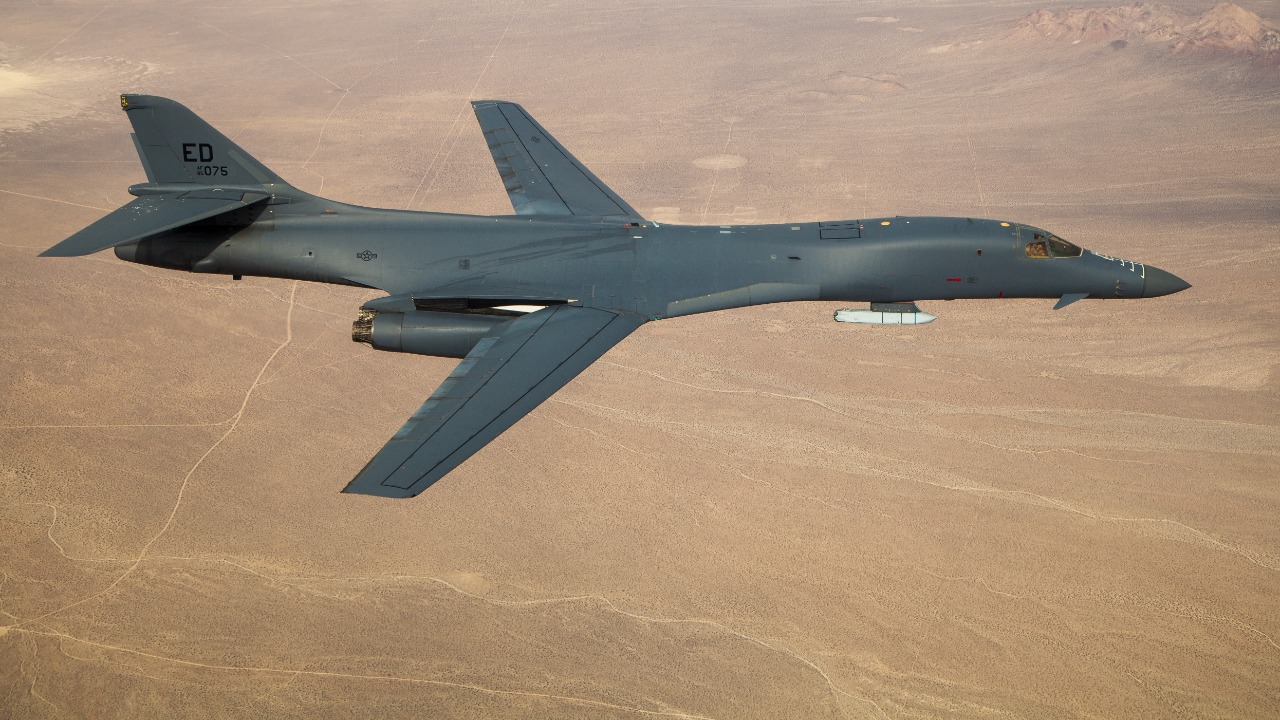
The Rockwell B-1 Lancer is a supersonic variable-sweep wing, heavy bomber used by the United States Air Force. Originally developed in the 1970s, the B-1 Lancer has been adapted over the years to meet modern military requirements. Its range extends to over 7,450 miles, making it suitable for global missions.
The B-1’s sophisticated avionics and electronic warfare systems enhance its survivability and mission flexibility. Capable of carrying a diverse array of weapons, including nuclear and conventional payloads, the B-1 Lancer is a versatile component of the U.S. bomber fleet. It continues to provide strategic and tactical advantages in various military operations. For more on its operational history, see this detailed study.
Tupolev Tu-95 “Bear”
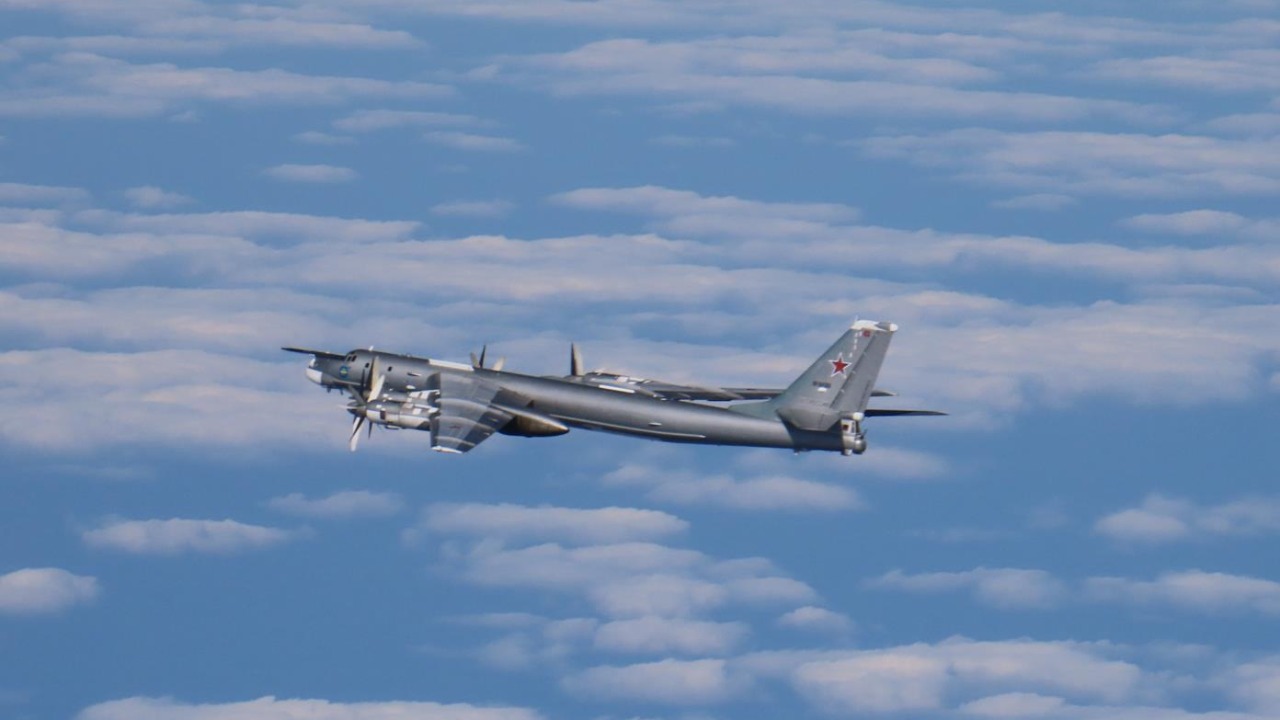
The Tupolev Tu-95, nicknamed “Bear,” is a long-range strategic bomber and missile platform developed by the Soviet Union. Known for its distinctive turboprop engines, the Tu-95 has a range of over 9,400 miles, making it one of the longest-range bombers in the world.
Despite its age, the Tu-95 remains in service due to its reliability and strategic value. It can carry a variety of weapons, including cruise missiles, and has been continually upgraded with modern avionics and systems. The Bear’s extensive range and payload capacity make it an enduring element of Russia’s strategic bomber fleet. Discover more about its capabilities in this recent analysis.
Xi’an H-6
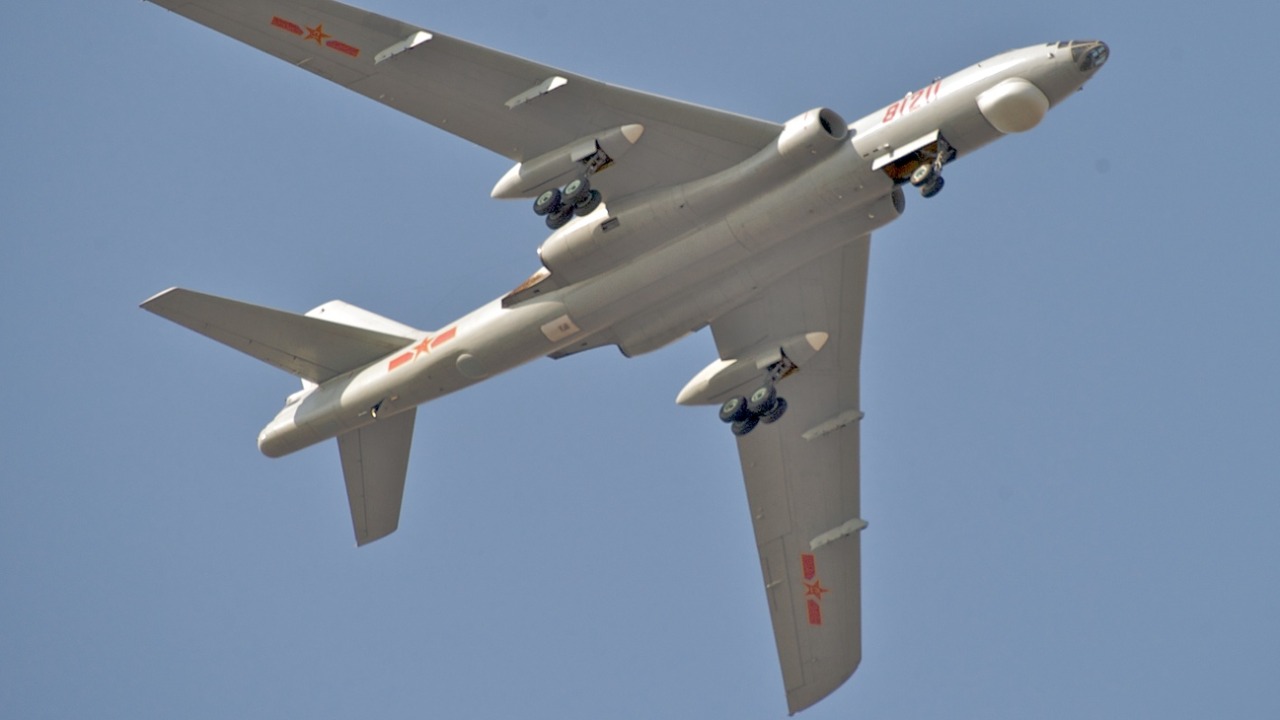
The Xi’an H-6 is a strategic bomber developed by China, derived from the Soviet Tu-16 Badger. The H-6 has seen numerous upgrades over the years, enhancing its range and payload capabilities. Modern variants of the H-6 can fly over 3,700 miles, enabling it to reach targets across the globe.
The H-6 is equipped with the latest avionics, radar, and weapon systems, allowing it to perform a wide range of missions. Its ability to carry both conventional and nuclear weapons adds to its strategic importance for China’s military. The bomber continues to play a significant role in China’s defense strategy. For further reading, explore this comprehensive discussion.
Avro Vulcan
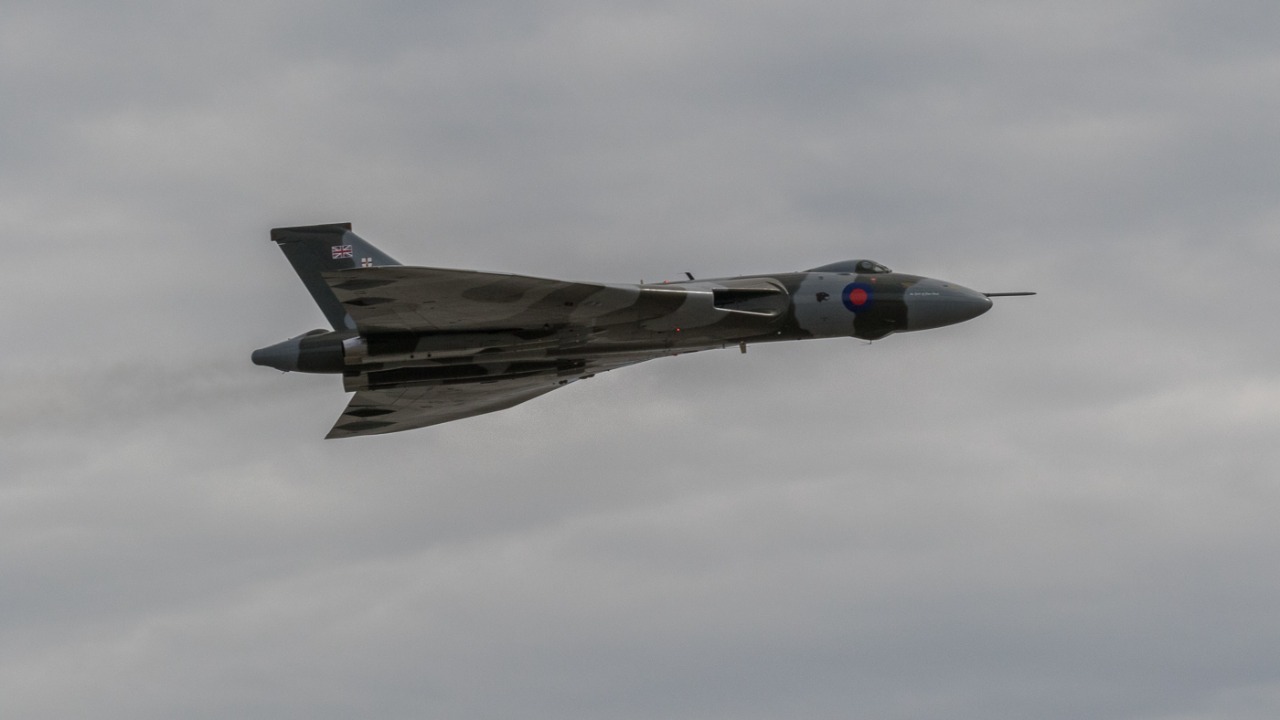
The Avro Vulcan was a British delta-wing strategic bomber, operational from 1956 to 1984. Known for its distinctive design and agility, the Vulcan played a key role during the Cold War, particularly noted for its participation in the Falklands War. Although retired, its range of about 4,600 miles made it capable of long-distance missions.
The Vulcan’s advanced aerodynamics and electronic systems made it a formidable bomber of its time. While it no longer serves in active duty, its legacy continues through air shows and as a symbol of British aviation history. The Vulcan remains an iconic aircraft that demonstrated the potential for global reach during its operational period. For a nostalgic look back, watch this tribute video.
