As humanity sets its sights on Mars, one question stands out: which creatures could potentially survive on the Red Planet? While humans have long dreamed of colonizing Mars, certain resilient organisms might actually be better suited for its harsh conditions. Let’s explore some fascinating creatures that could potentially thrive in Mars’ extreme environment.
Tardigrades

Often called “water bears,” tardigrades are microscopic creatures known for their ability to survive in extreme environments. Tardigrades can endure temperatures from nearly absolute zero to above boiling, and they can withstand intense radiation. These qualities make them prime candidates for survival on Mars. Their unique ability to enter a cryptobiotic state, where they lose almost all their water content, allows them to endure harsh conditions, including the thin Martian atmosphere.
Brine Shrimp
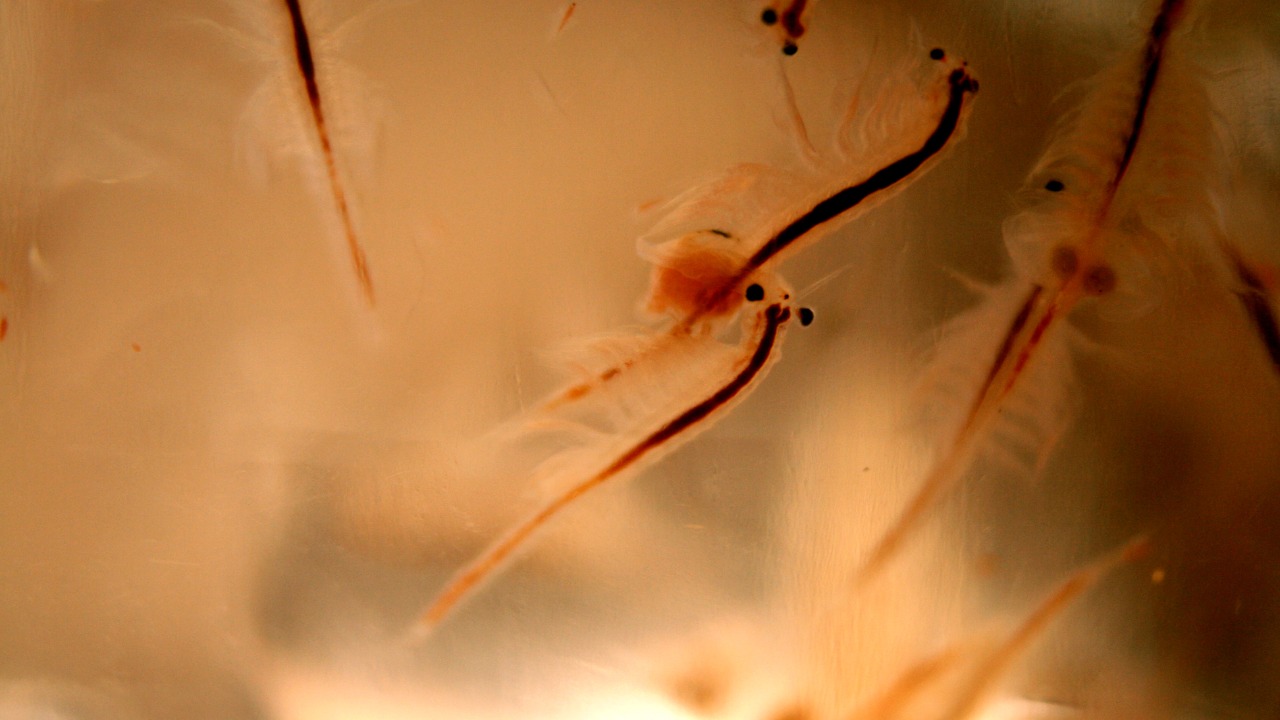
Brine shrimp, commonly known as sea monkeys, have a remarkable ability to survive in extreme conditions by entering a state of cryptobiosis. These tiny crustaceans are capable of tolerating high salinity and can go dormant for extended periods. Their resilience makes them potential candidates for survival on Mars, where water scarcity and high salinity levels are major challenges. Brine shrimp’s ability to withstand such conditions could potentially allow them to thrive in Martian environments.
Nematodes
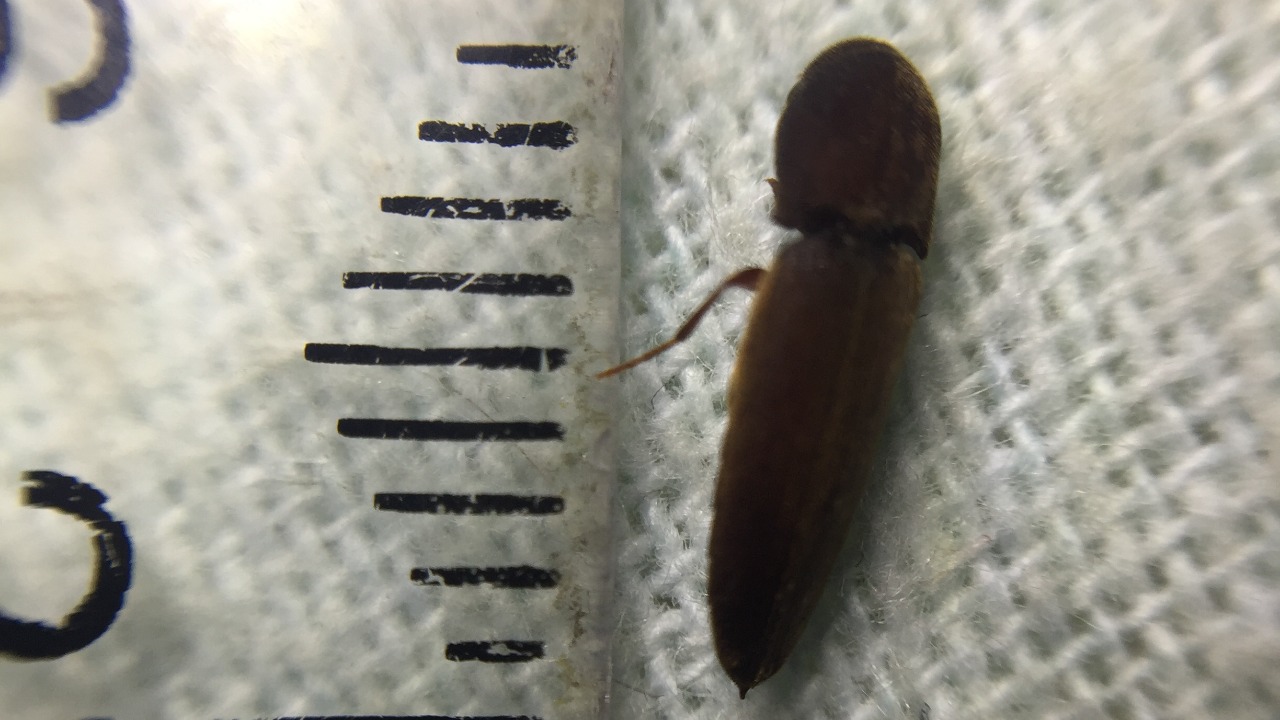
Nematodes, or roundworms, are versatile creatures found in diverse environments on Earth, from deep ocean trenches to arid deserts. Known for their resilience, nematodes are capable of surviving extreme temperatures and radiation. Their adaptable physiology allows them to thrive in conditions that would be inhospitable to most other organisms, making them potential survivors on Mars. Given their adaptability, nematodes could play a crucial role in future Martian ecosystems.
Cockroaches
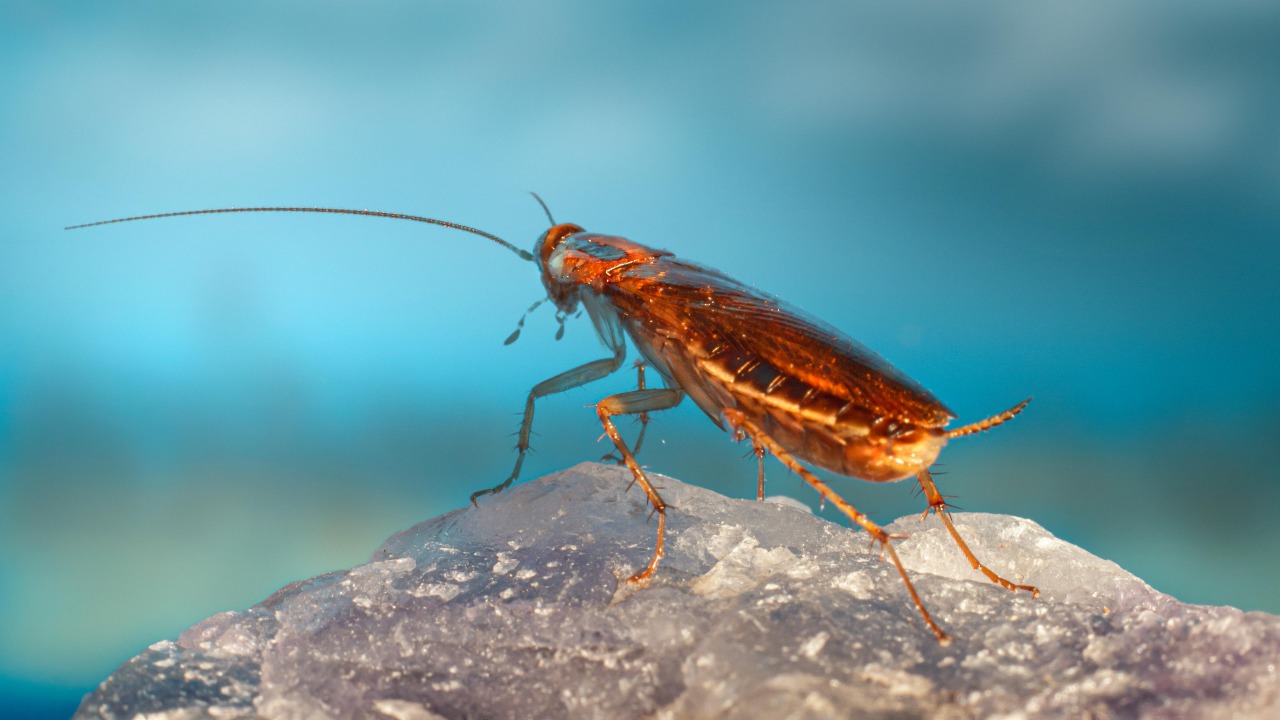
Renowned for their resilience, cockroaches have adapted to survive in some of Earth’s most challenging environments. Their ability to withstand radiation and go without food for extended periods makes them potential candidates for survival on Mars. While the conditions on Mars are vastly different from Earth, the cockroach’s hardiness and adaptability could allow them to endure the planet’s harsh environment.
Certain Bacteria
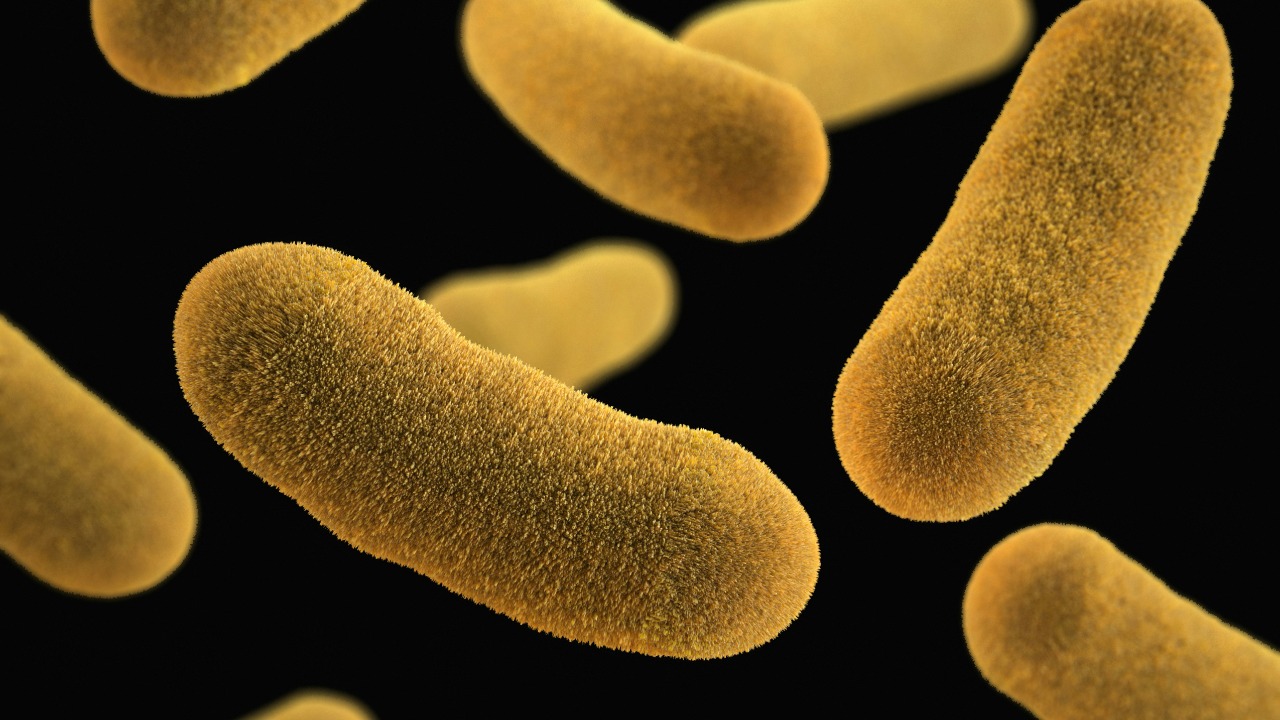
Some types of bacteria are extremophiles, thriving in conditions that would be lethal to most life forms. These bacteria can survive extreme heat, cold, radiation, and high salinity, making them prime candidates for colonization on Mars. Their ability to process various chemical elements could even be harnessed to support human life by generating essential resources like oxygen or food. The adaptability of extremophile bacteria is a promising indication that they could potentially survive and even flourish on Mars.
Fungi
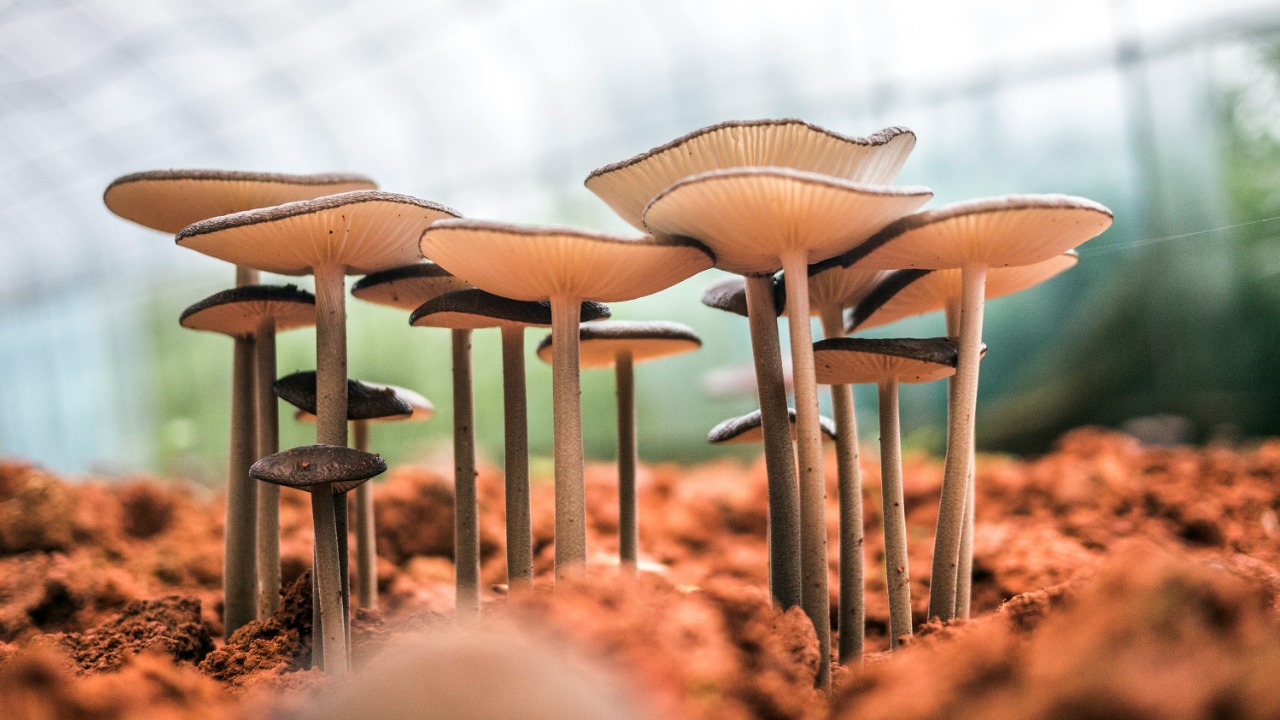
Fungi are known for their ability to thrive in dark, nutrient-poor environments, making them well-suited for Mars’ subterranean conditions. Certain types of fungi can withstand radiation and extreme temperatures, characteristics that would be essential for survival on Mars. Their capacity to break down organic material and recycle nutrients could make them valuable partners in developing sustainable ecosystems on the Red Planet. Fungi’s resilience and adaptability make them promising candidates for Martian colonization efforts.
Extremophile Algae
Extremophile algae, such as cyanobacteria, are capable of surviving in harsh conditions, including high radiation and low temperatures. These algae are photosynthetic, meaning they can convert sunlight into energy, which could be an invaluable resource on Mars. Their ability to produce oxygen and fix carbon could potentially support human colonization efforts. By harnessing the unique capabilities of extremophile algae, we might be able to create a more habitable environment on Mars, paving the way for future exploration.
