Throughout history, ancient civilizations have left behind remarkable technologies that continue to baffle us today. Despite our modern advancements, there are still many ancient inventions and structures whose purposes and methods of construction remain shrouded in mystery. Here are seven ancient technologies that continue to intrigue and puzzle experts worldwide.
The Antikythera Mechanism
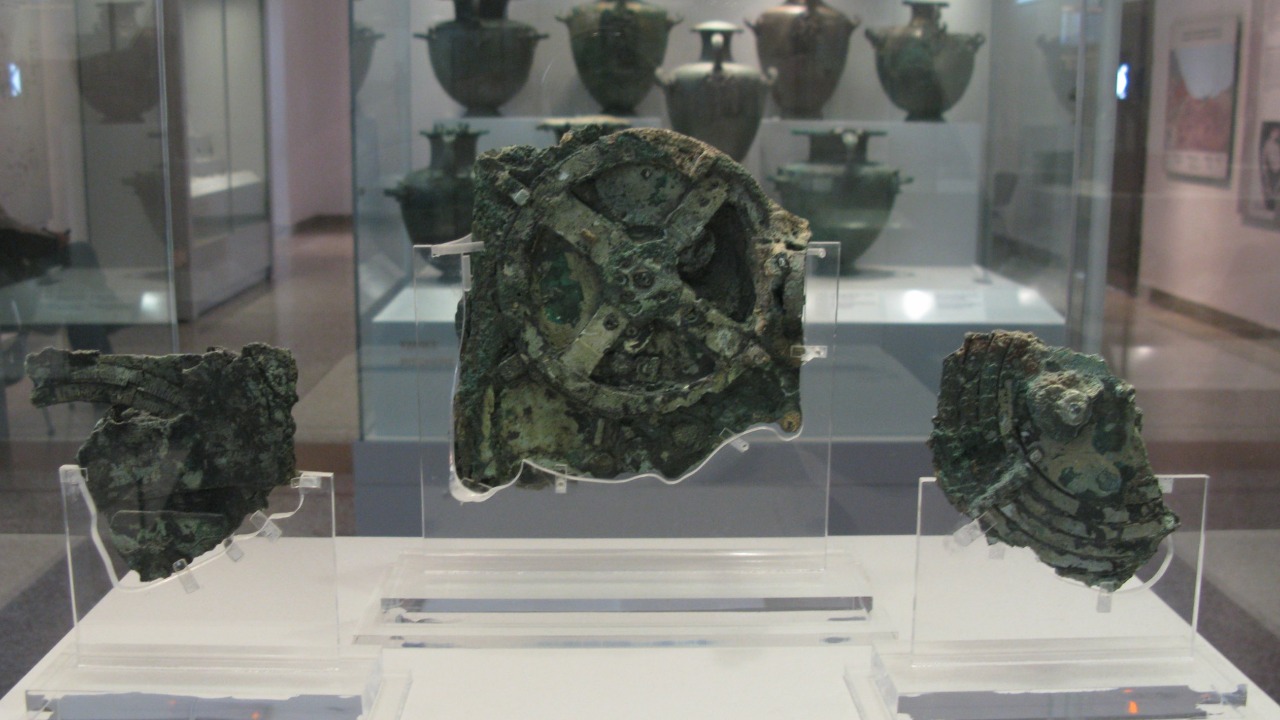
Discovered in a shipwreck off the coast of Greece in 1901, the Antikythera Mechanism is often referred to as the world’s first analog computer. Dating back to around 100 BC, this intricate device was used to predict astronomical positions and eclipses for calendrical and astrological purposes. The complexity of its gears and mechanisms is astonishing, and it was not until the 21st century that researchers began to understand its full capabilities.
Despite extensive studies, the exact origins and functions of the Antikythera Mechanism remain a mystery. The level of sophistication in its design suggests that similar devices may have existed, but none have been found. This raises questions about the technological capabilities of ancient civilizations and challenges our understanding of historical technological progress.
The Pyramids of Giza

The Pyramids of Giza are among the most iconic ancient structures in the world, yet they continue to puzzle historians and archaeologists. Built around 4,500 years ago, these colossal monuments were constructed with such precision that even modern engineers are baffled by the techniques used. The alignment with the cardinal points and the mathematical knowledge required for their construction suggest advanced understanding that seems out of place for the time.
Various theories abound regarding the construction methods, including the use of ramps, levers, and even extraterrestrial assistance. However, no definitive evidence has been found to support any single theory. The Pyramids of Giza stand as a testament to the ingenuity of ancient builders, but their full story remains untold.
The Nazca Lines
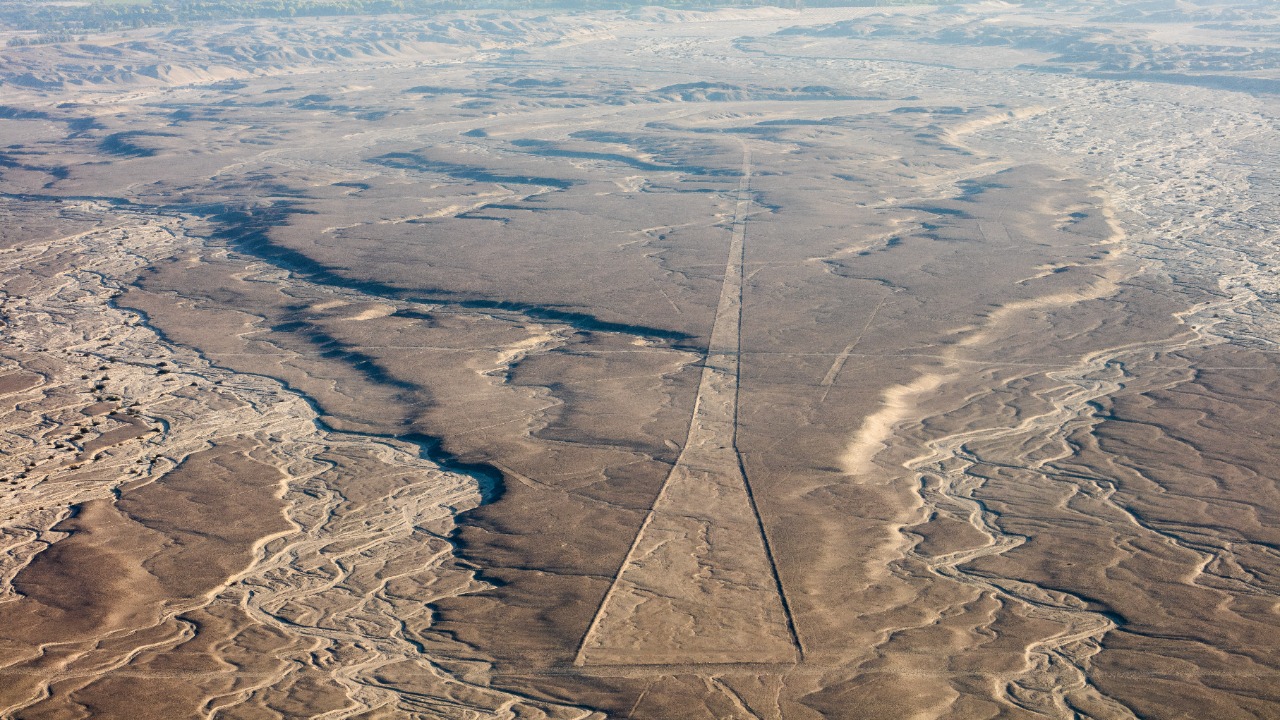
Etched into the arid plains of southern Peru, the Nazca Lines are a series of massive geoglyphs that remain one of archaeology’s greatest mysteries. Created by the Nazca culture between 500 BC and 500 AD, these lines depict various figures, including animals and plants, best appreciated from the air. The purpose of these designs is unknown, with theories ranging from astronomical calendars to religious rituals.
The construction of the Nazca Lines required precise planning and execution, suggesting a sophisticated understanding of geometry and surveying. Despite numerous studies, the true reason behind their creation remains elusive, leaving us to wonder about the cultural and technological capabilities of the ancient Nazca people.
Stonehenge
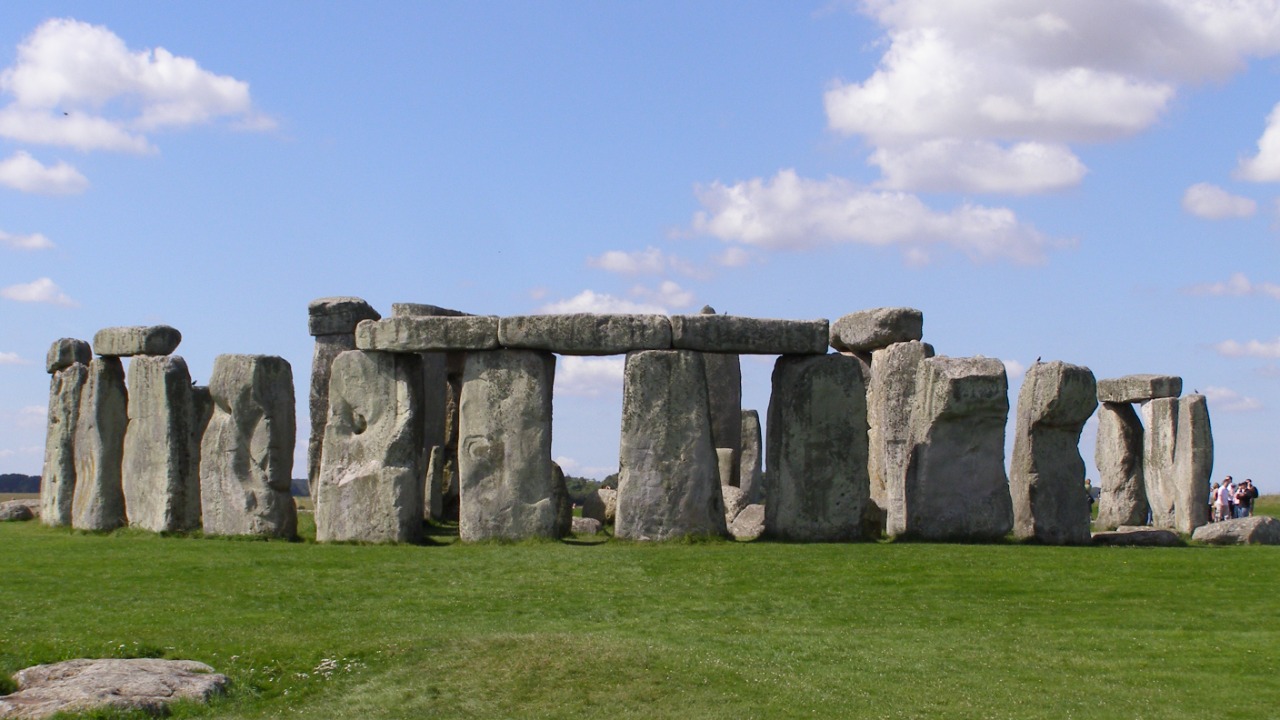
Stonehenge, located in Wiltshire, England, is a prehistoric monument that has fascinated people for centuries. Comprising massive stone blocks arranged in a circular formation, its original purpose is still up for debate. Constructed around 2500 BC, Stonehenge is believed to have been used for ceremonial or astronomical purposes, but the specifics remain unclear.
What makes Stonehenge particularly intriguing is the transportation and erection of the massive stones, some of which were sourced from over 150 miles away. The methods used to transport these stones and the reason for their specific arrangement continue to challenge researchers, contributing to its enduring mystery.
The Baghdad Battery
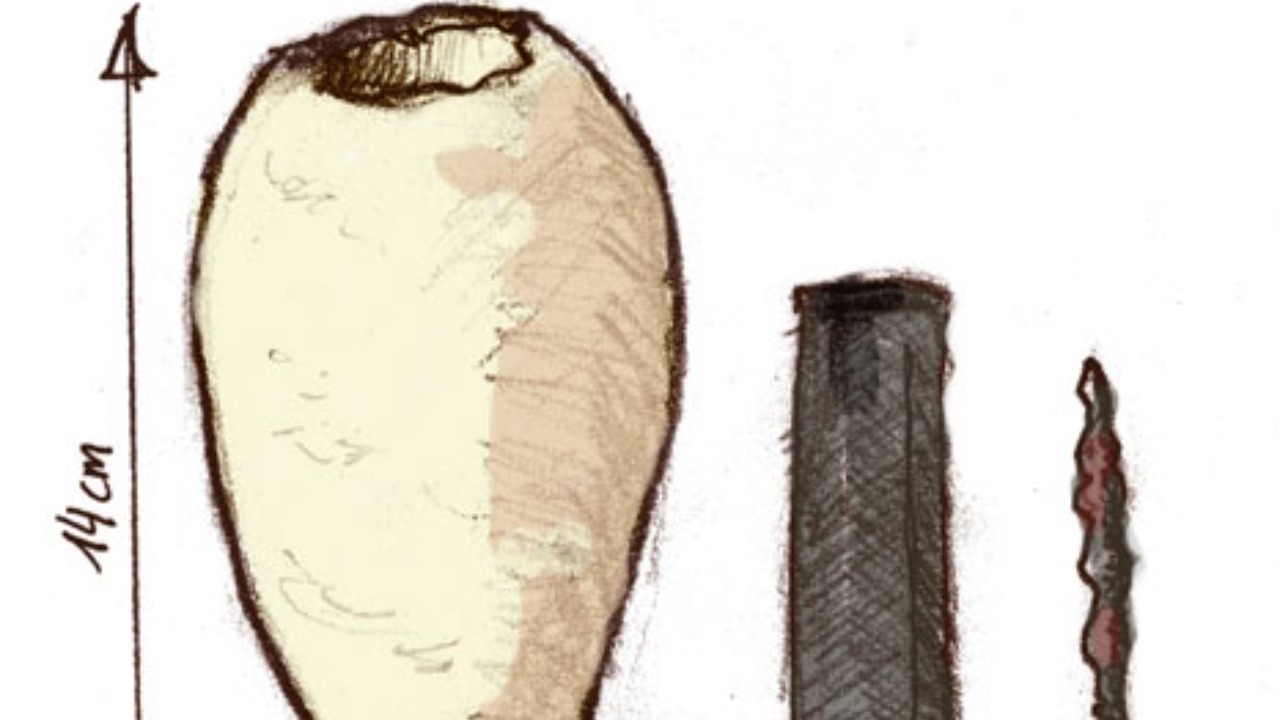
The Baghdad Battery is a curious artifact that suggests the possibility of ancient electrical technology. Discovered near Baghdad, Iraq, in the 1930s, these small clay jars contain copper cylinders and iron rods, leading some to speculate they were used as galvanic cells. If true, this would imply that ancient civilizations had knowledge of electricity long before it was officially discovered.
While some researchers believe the Baghdad Battery was used for electroplating or medicinal purposes, others argue it may have had a purely mundane function. The lack of definitive evidence means the true purpose of these artifacts remains open to interpretation, adding to the intrigue surrounding ancient technological capabilities.
The Roman Concrete
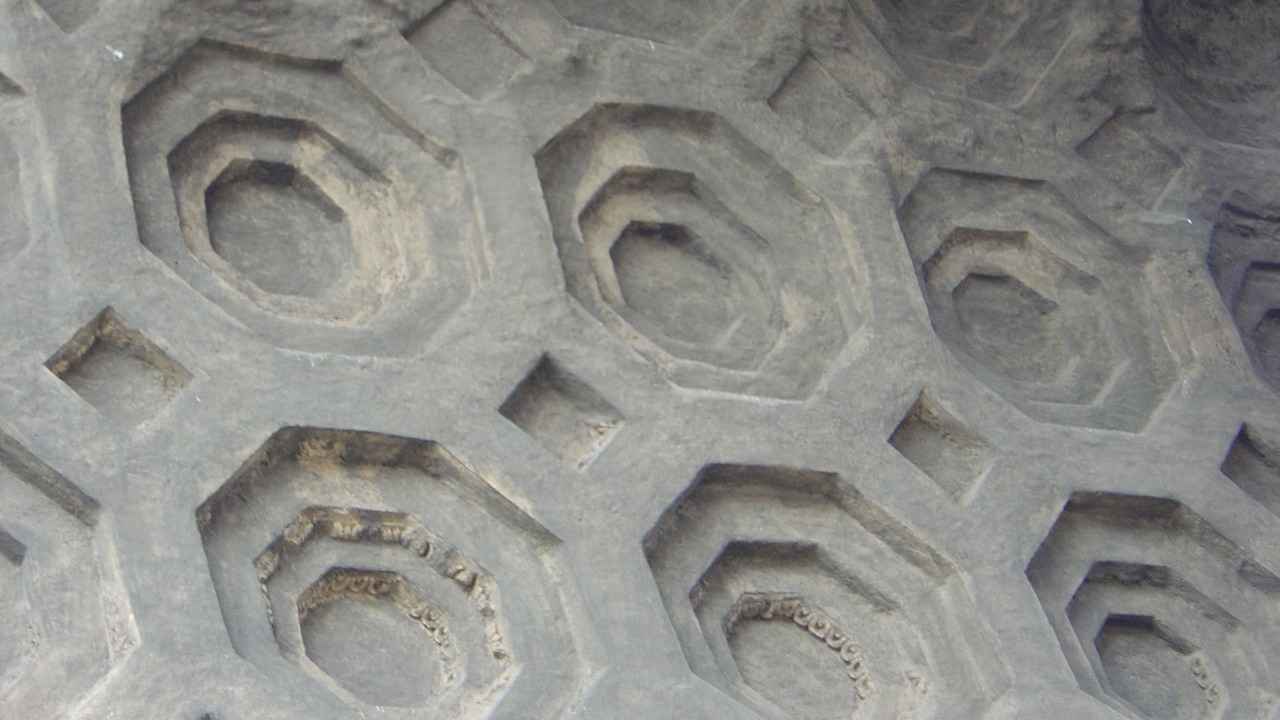
Roman concrete is renowned for its durability, and many ancient Roman structures still stand today thanks to this remarkable building material. Unlike modern concrete, which can deteriorate over time, Roman concrete seems to gain strength with age. Its secret lies in its unique composition, which includes volcanic ash, lime, and seawater.
The exact formula for Roman concrete has been lost to history, and researchers are still trying to fully understand its properties. The ability of this ancient material to withstand the test of time raises questions about the technological ingenuity of the Romans and what modern construction could learn from their methods.
The Voynich Manuscript

The Voynich Manuscript is an enigmatic illustrated codex that has defied all attempts at decipherment since its discovery in the 15th century. Written in an unknown script and filled with strange illustrations of plants, astronomical charts, and human figures, it has puzzled linguists, cryptographers, and historians alike.
Despite numerous attempts to crack its code, the Voynich Manuscript remains unreadable, leading some to speculate that it is an elaborate hoax. Others believe it encodes valuable information or represents an unknown language. Until its secrets are unlocked, the Voynich Manuscript will continue to be a source of fascination and frustration for those seeking to uncover its mysteries.
