
Throughout history, humanity has been captivated by the stars and the possibility of otherworldly travel. Some ancient sites are thought to be more than just relics of the past; they are speculated to be portals, or stargates, to other realms. Whether based on astronomical alignments or mysterious legends, these sites continue to intrigue both scholars and enthusiasts.
Stonehenge, England
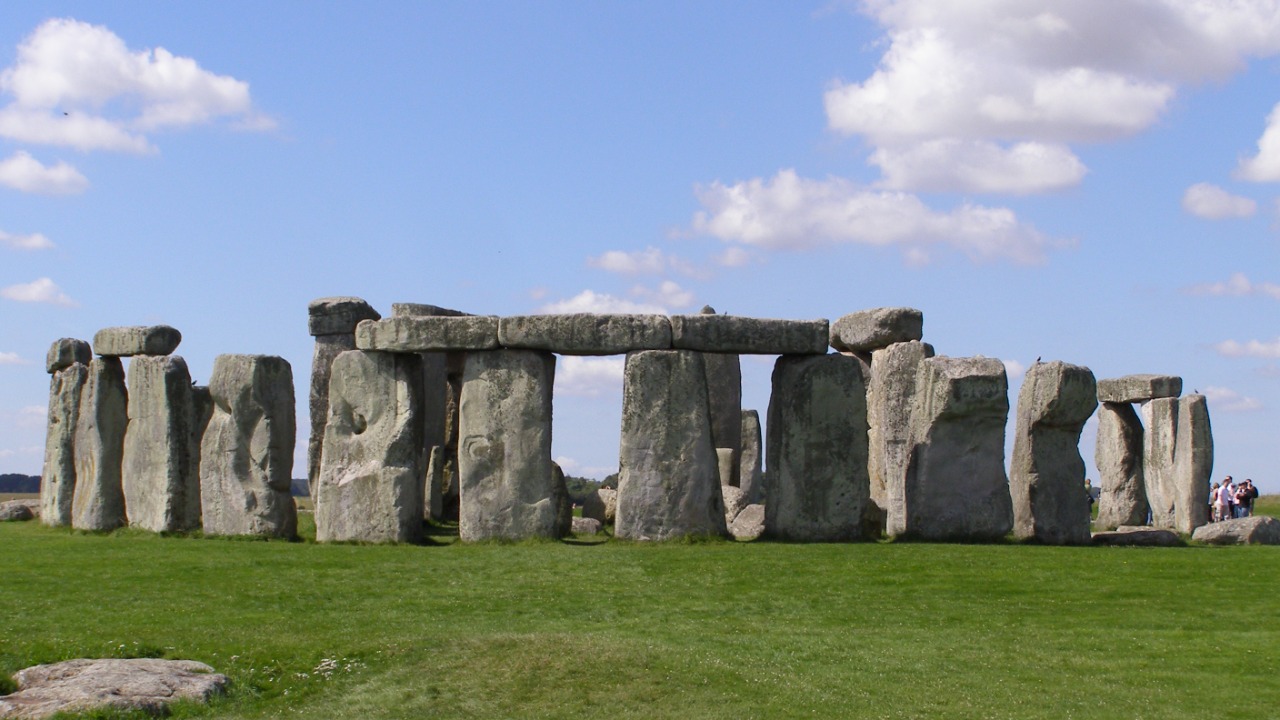
Stonehenge has long been a subject of fascination and speculation. Situated on the Salisbury Plain, its massive stones align with certain celestial events, such as the summer solstice. This alignment has led some to propose that Stonehenge could serve as a kind of portal or stargate. The exact purpose of Stonehenge remains unknown, but theories range from an ancient burial ground to a celestial observatory.
While many archeologists focus on its historical and cultural significance, others delve into more mystical explanations. Could this iconic circle of stones be a gateway to another world, or simply a testament to ancient human ingenuity?
The Great Pyramid of Giza, Egypt
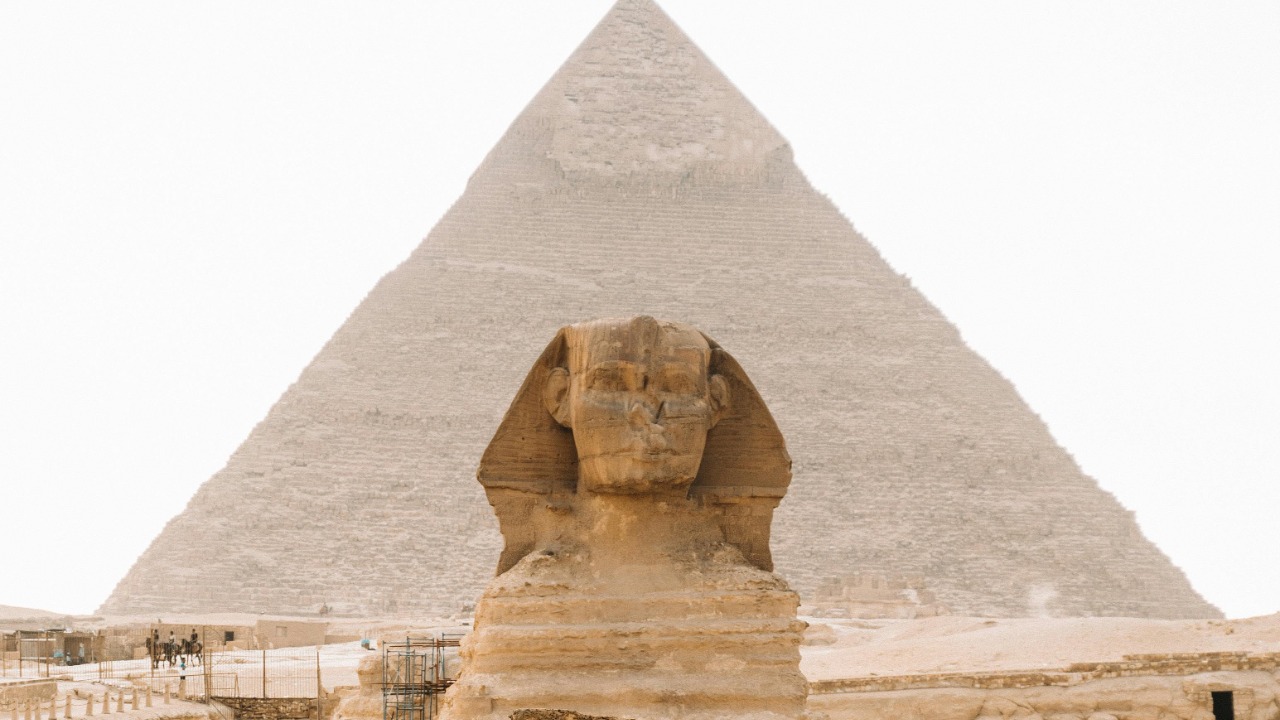
The Great Pyramid of Giza, one of the Seven Wonders of the Ancient World, has intrigued researchers for centuries. Its precise construction and alignment with the stars have led some to believe it might be an ancient stargate. The pyramid’s design incorporates advanced mathematical knowledge, and its purpose is still a topic of scholarly debate.
Some alternative theorists suggest that the pyramid was not just a tomb but a beacon or portal. While mainstream archaeology does not support these claims, the allure of the Great Pyramid as a potential gateway to other worlds continues to capture the imagination.
Teotihuacan, Mexico
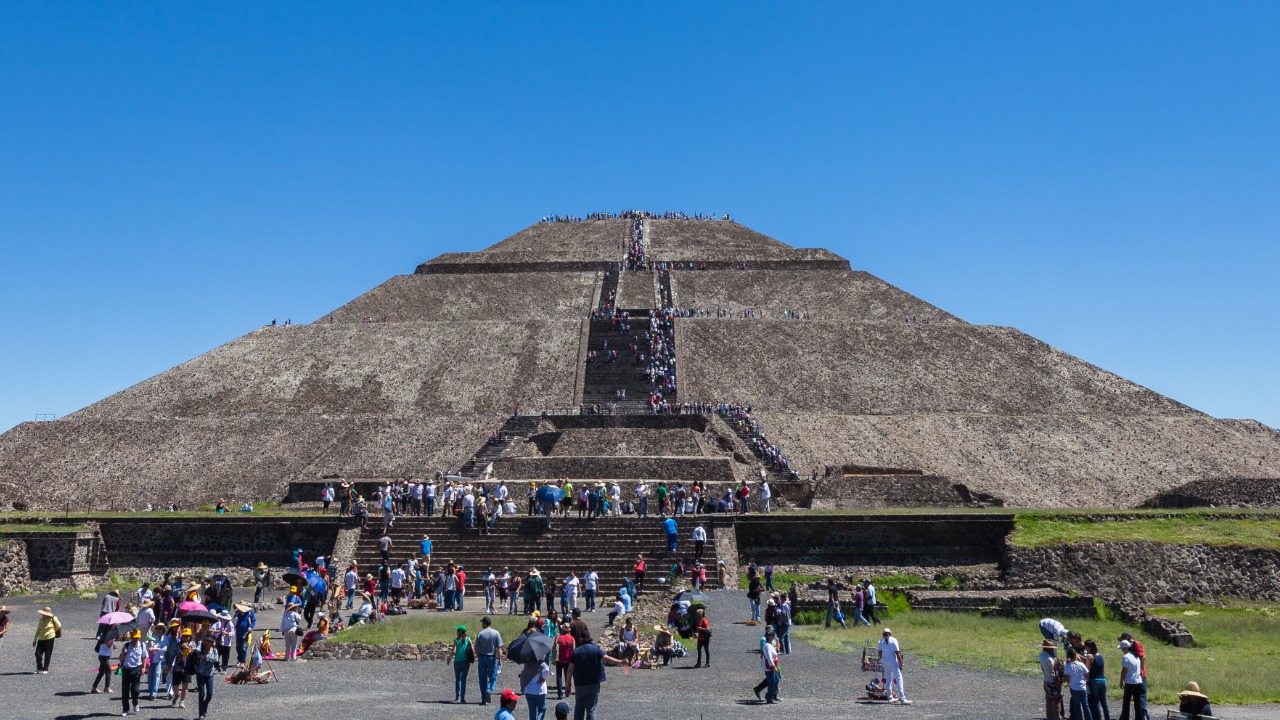
Teotihuacan, the ancient Mesoamerican city near modern-day Mexico City, is home to the Pyramid of the Sun and the Pyramid of the Moon. The city’s layout is aligned with astronomical phenomena, which has led some to propose that it could have served as a portal or stargate. The true purpose of Teotihuacan remains a mystery, as the original builders left no written records.
Despite the lack of concrete evidence, the mystical aura surrounding Teotihuacan continues to inspire theories about its role in ancient space travel or its connection to extraterrestrial beings.
Machu Picchu, Peru

Machu Picchu, the Incan citadel perched high in the Andes Mountains, is renowned for its breathtaking views and enigmatic architecture. Some believe its remote location and alignment with celestial events suggest a potential use as a stargate. The Incas are known for their sophisticated understanding of astronomy, evident in their architectural designs.
While scientific explanations focus on its role as a royal estate or religious site, the notion of Machu Picchu as a portal to the stars adds an intriguing layer to its mystique, inviting visitors to ponder its true purpose.
Gobekli Tepe, Turkey
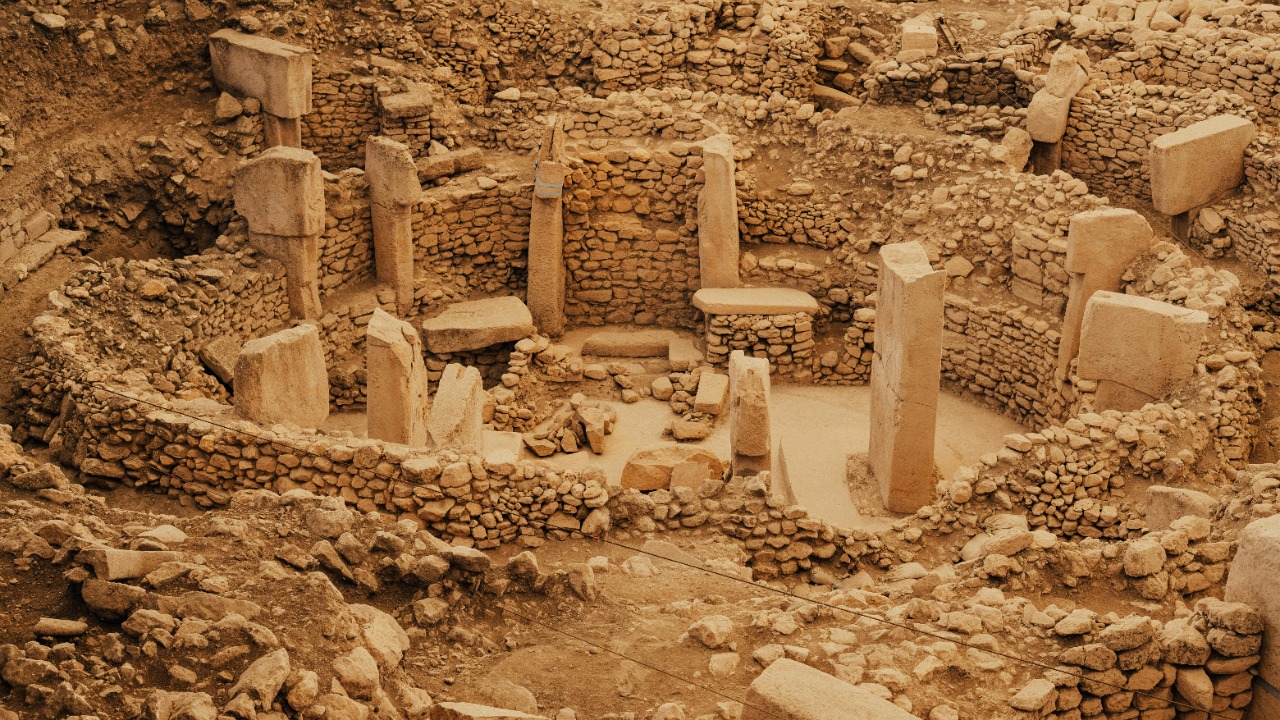
Gobekli Tepe is one of the world’s oldest known temple complexes, dating back over 11,000 years. Its intricately carved stones and sophisticated design have sparked theories about its potential function as a stargate. The site’s discovery has challenged our understanding of prehistoric societies and their capabilities.
As archaeologists continue to unearth its secrets, the possibility of Gobekli Tepe serving as a gateway to the cosmos remains a tantalizing prospect for those fascinated by ancient mysteries and the potential for lost knowledge.
Chichen Itza, Mexico
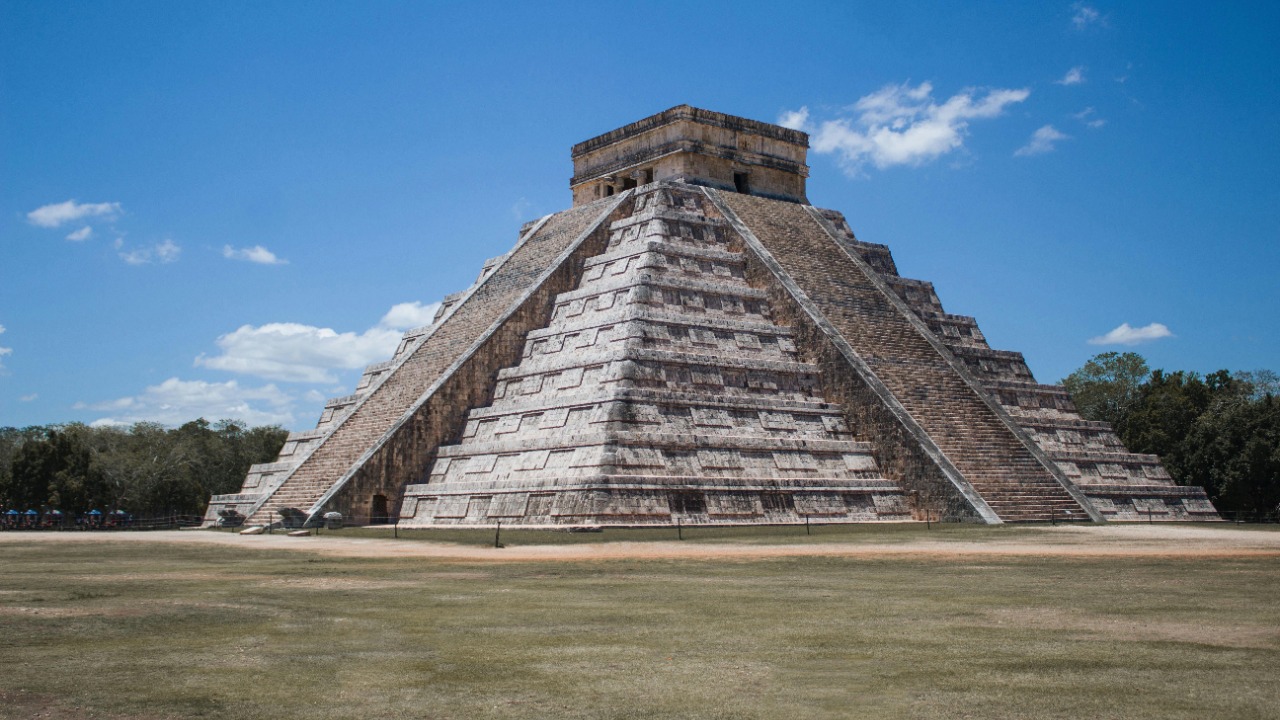
Chichen Itza, a large pre-Columbian city built by the Maya, is home to the famous El Castillo pyramid. This structure is aligned with solar phenomena, such as the equinox, when a serpent-shaped shadow appears on its steps. These astronomical alignments have fueled speculation about Chichen Itza’s potential use as a stargate.
While mainstream archaeology attributes these features to the Maya’s advanced understanding of astronomy, the idea of Chichen Itza as a portal to other realms remains a captivating thought for those who enjoy exploring the boundaries of ancient science and myth.
Angkor Wat, Cambodia
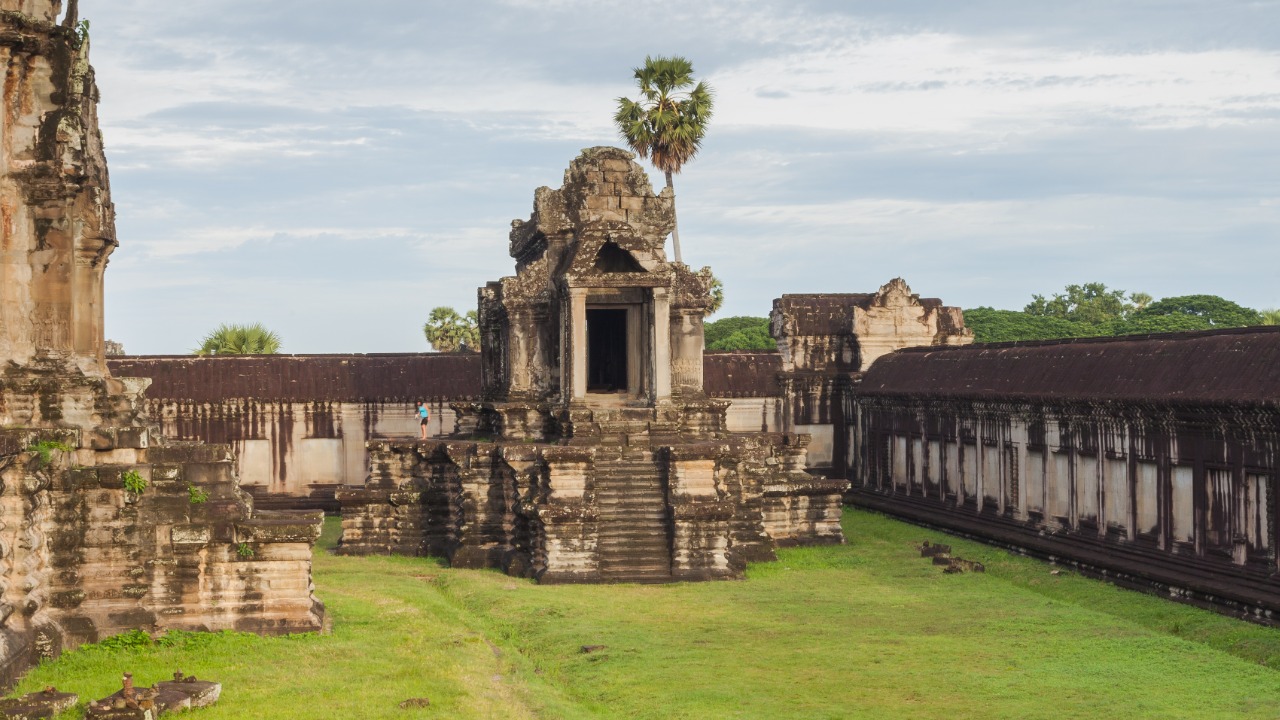
Angkor Wat, the largest religious monument in the world, is a stunning example of Khmer architecture. Its alignment with the sun and moon has led some to propose that it could function as a stargate. The temple’s design reflects a deep understanding of astronomy and cosmology, evident in its precise construction and alignment.
Though primarily recognized as a Hindu, and later Buddhist, temple, Angkor Wat’s potential as a portal to the stars adds an element of intrigue to its already rich history. The temple’s grandeur and mysteries continue to draw visitors and researchers alike.
