Car warranties can be a lifesaver for drivers, providing peace of mind and financial protection. However, many drivers unknowingly make critical mistakes that invalidate their warranties and result in substantial expenses. Understanding these common pitfalls can save you from costly surprises down the road.
Ignoring the Fine Print

One of the most frequent mistakes I’ve seen is ignoring the fine print in warranty agreements. Each warranty has specific terms and conditions that must be adhered to, and overlooking them can nullify the coverage. For instance, some warranties require services to be done at specific intervals or by authorized dealers. Failing to comply with these requirements can lead to a denial of coverage when you need it most.
To avoid this, take the time to carefully read your warranty document. Pay close attention to any clauses regarding maintenance schedules and repair procedures. If you are unsure about any terms, don’t hesitate to contact the warranty provider for clarification. It’s a small effort that can save a lot of headaches and expenses later.
Missing Regular Maintenance

Skipping regular maintenance is another common oversight. Many warranties stipulate that routine maintenance, such as oil changes and tire rotations, must be performed regularly to keep the warranty valid. Missing these services not only risks your vehicle’s performance but can also void the warranty. For example, failing to adhere to the maintenance schedule on a 2018 Ford F-150 might lead to hefty repair bills for issues that would have otherwise been covered.
To avoid such scenarios, I recommend keeping a detailed log of all maintenance activities. This includes receipts and service records that can be presented if there is any dispute over coverage. By doing so, you maintain the validity of your warranty and ensure your car performs optimally.
Using Unauthorized Repair Shops

Taking your vehicle to an unauthorized repair shop can be another costly mistake. Most warranties specify that repairs must be performed by authorized service centers. For instance, if you own a 2020 Toyota Camry, using a non-certified shop for repairs might result in your warranty being voided, leaving you to cover all costs.
Before scheduling any repairs, confirm with your warranty provider which repair shops are authorized. It might seem convenient to go to a local mechanic, but sticking to approved service centers is crucial. This not only protects your warranty but also ensures that repairs are done according to the manufacturer’s standards.
Delaying Necessary Repairs
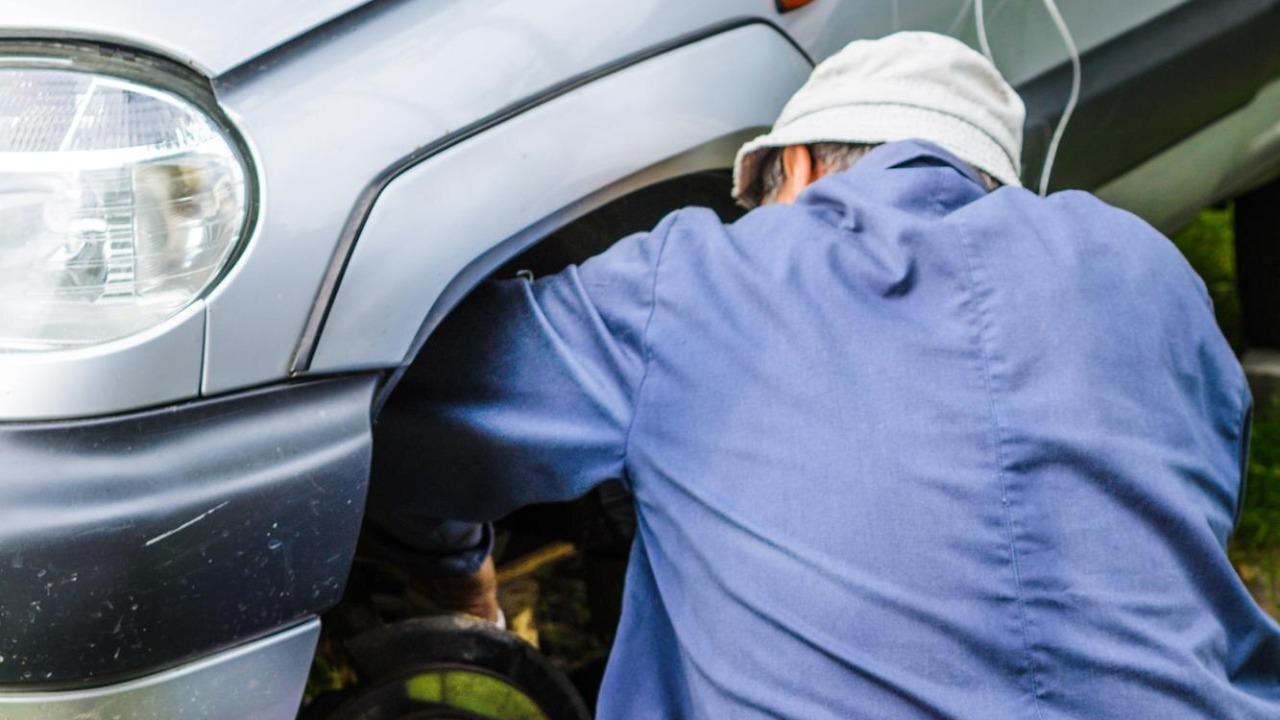
Delaying necessary repairs can also lead to more significant issues and potentially nullify your warranty. If a minor issue, such as an oil leak in an Audi, is left unaddressed, it could escalate into a more severe problem, as highlighted by the dangerous oil leak recalls. Ignoring these issues not only risks your safety but may also result in warranty denial due to neglect.
Whenever you notice a problem with your vehicle, address it promptly. Consult your warranty provider to ensure the repairs are covered and follow their guidelines for repair procedures. Timely attention to issues can prevent further damage and safeguard your warranty coverage.
Modifying the Vehicle
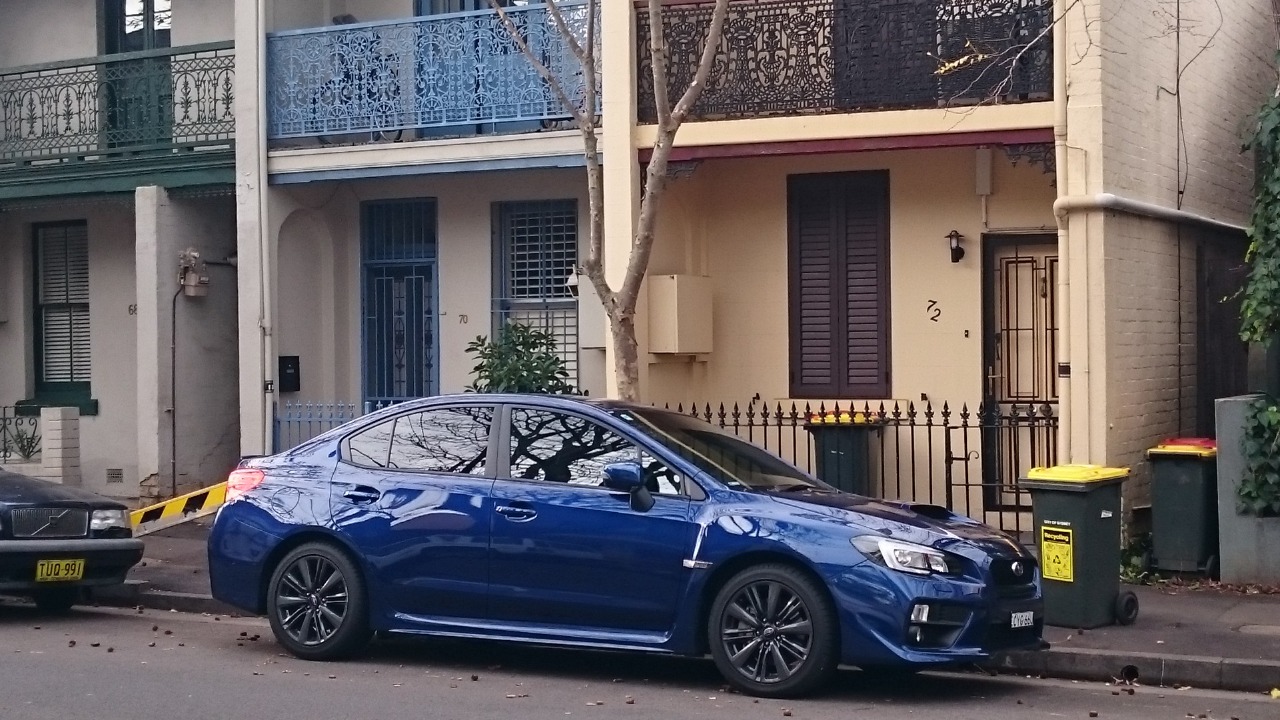
Customizing your vehicle might seem appealing, but modifications can often void your warranty. Many warranties explicitly state that alterations to the engine, suspension, or other critical components are prohibited. For example, installing aftermarket parts on a 2019 Subaru WRX could lead to a complete loss of warranty coverage.
Before making any modifications, review your warranty terms to understand the impact. If modifications are essential, consider aftermarket warranties that cover changes. It’s crucial to weigh the benefits of customization against the potential loss of valuable warranty protection.
Failing to Transfer the Warranty

Finally, failing to transfer the warranty when selling your vehicle is a common oversight. Many warranties are transferable, adding value to the vehicle and peace of mind for the new owner. However, this process is not automatic. It often requires notifying the warranty provider and possibly paying a transfer fee.
If you’re selling your car, ensure that the warranty transfer is handled correctly. This not only enhances your vehicle’s resale value but also ensures that the new owner continues to benefit from the warranty. Properly transferring the warranty is a simple step that can prevent potential disputes and financial burdens.
