Navigating residential streets with heavy vehicles can pose significant challenges. Not only can these oversized trucks cause damage to local roadways, but they can also create safety hazards for pedestrians and other vehicles. Here are six types of trucks that are generally too heavy for residential streets.
Heavy-Duty Dump Trucks
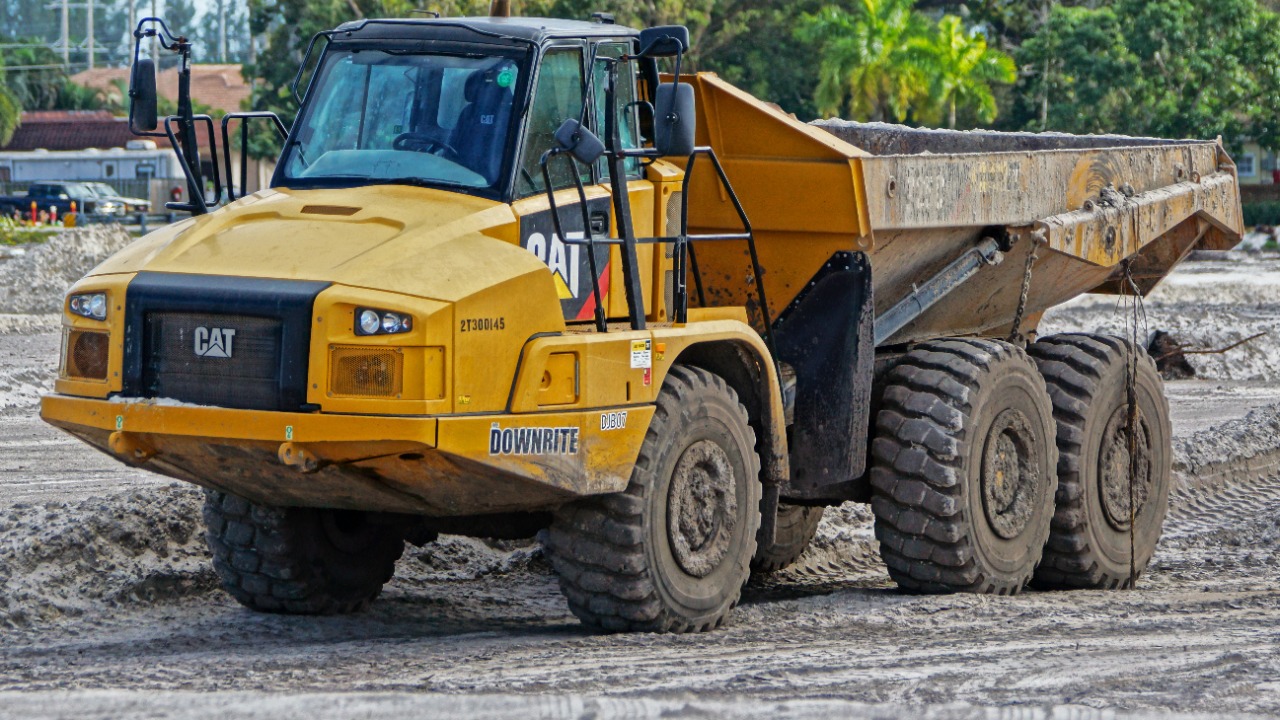
Heavy-duty dump trucks are essential for construction and mining operations, known for their ability to transport large quantities of materials like gravel, sand, and dirt. These trucks feature a hydraulic system to lift the cargo container, allowing for easy unloading. However, their sheer weight and size make them unsuitable for residential areas. The excessive weight can cause significant wear and tear on smaller roads that aren’t designed to handle such loads.
Moreover, the large turning radius of these vehicles can be problematic in neighborhoods with narrow streets. In urban areas like New York City, city initiatives often regulate the routes that such trucks can take to minimize disruption and damage.
Concrete Mixer Trucks
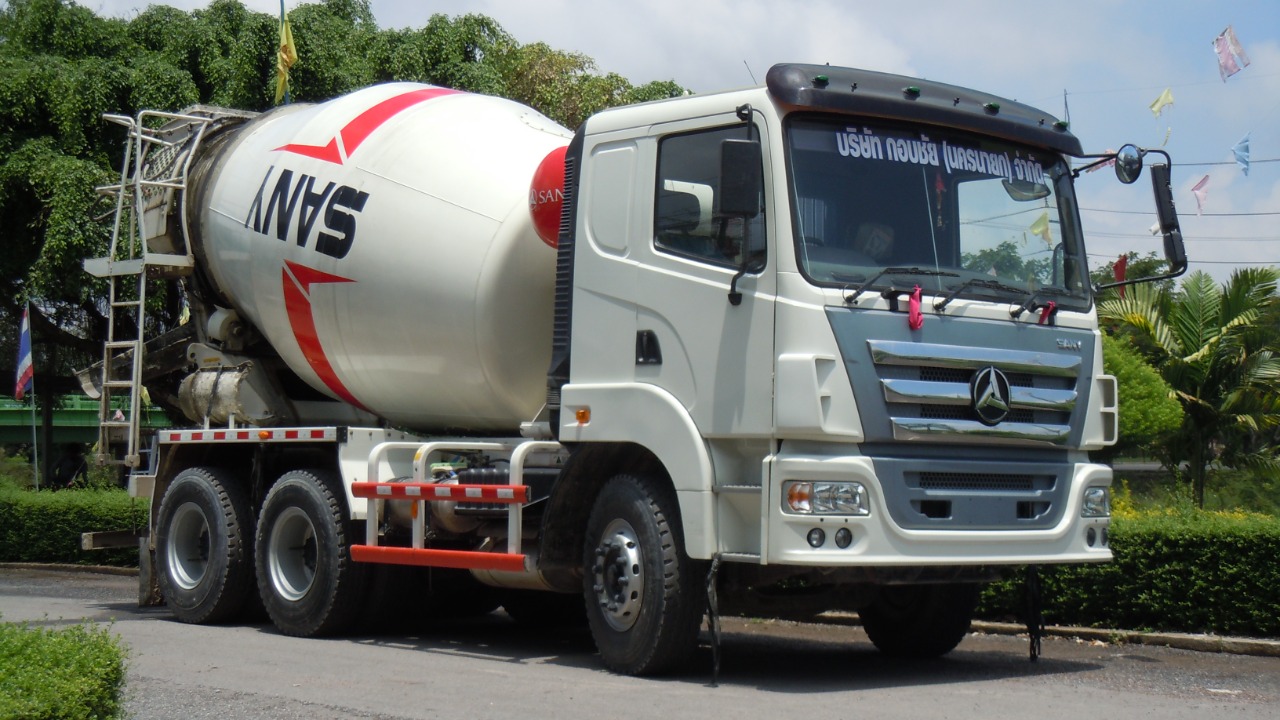
Concrete mixer trucks are essential for delivering ready-mix concrete to construction sites. These trucks have rotating drums that keep the concrete in a liquid state until it is ready to be poured. The average concrete mixer truck can weigh up to 60,000 pounds when fully loaded, placing immense stress on residential roads.
The constant rotation of the drum also creates additional mechanical stress, which can lead to road damage over time. In many municipalities, including Palatine, Illinois, there are specific routes designated for these heavy vehicles to mitigate damage to residential streets and maintain safety.
Large Mobile Cranes
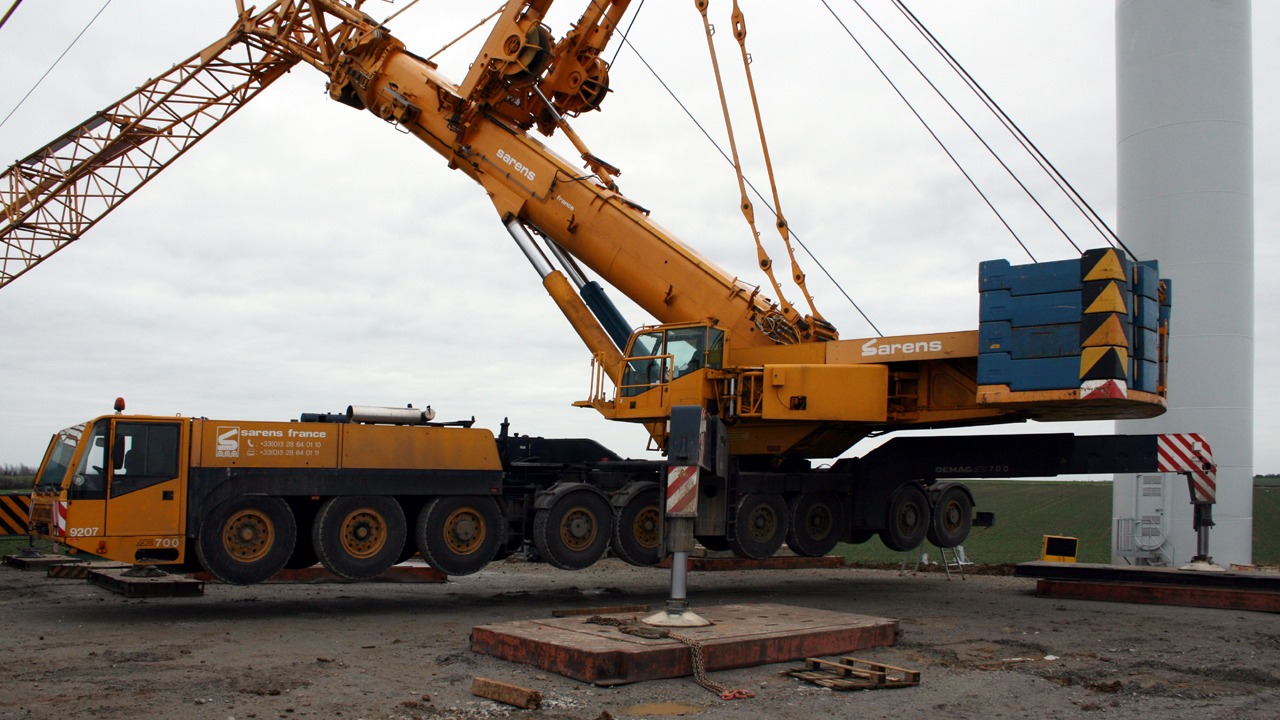
Mobile cranes are a cornerstone of modern construction, used for lifting heavy materials to great heights. These cranes are mounted on a truck chassis, making them mobile yet extremely heavy. The weight and size of these vehicles can exceed the load-bearing capacity of residential streets, leading to potential road damage and safety risks.
Additionally, the operation of a mobile crane requires a significant amount of space, which is often unavailable in residential areas. The heavy weight and size of these cranes can also pose a hazard during inclement weather, as seen in Billings, Montana, where snow and ice can exacerbate safety risks.
Logging Trucks
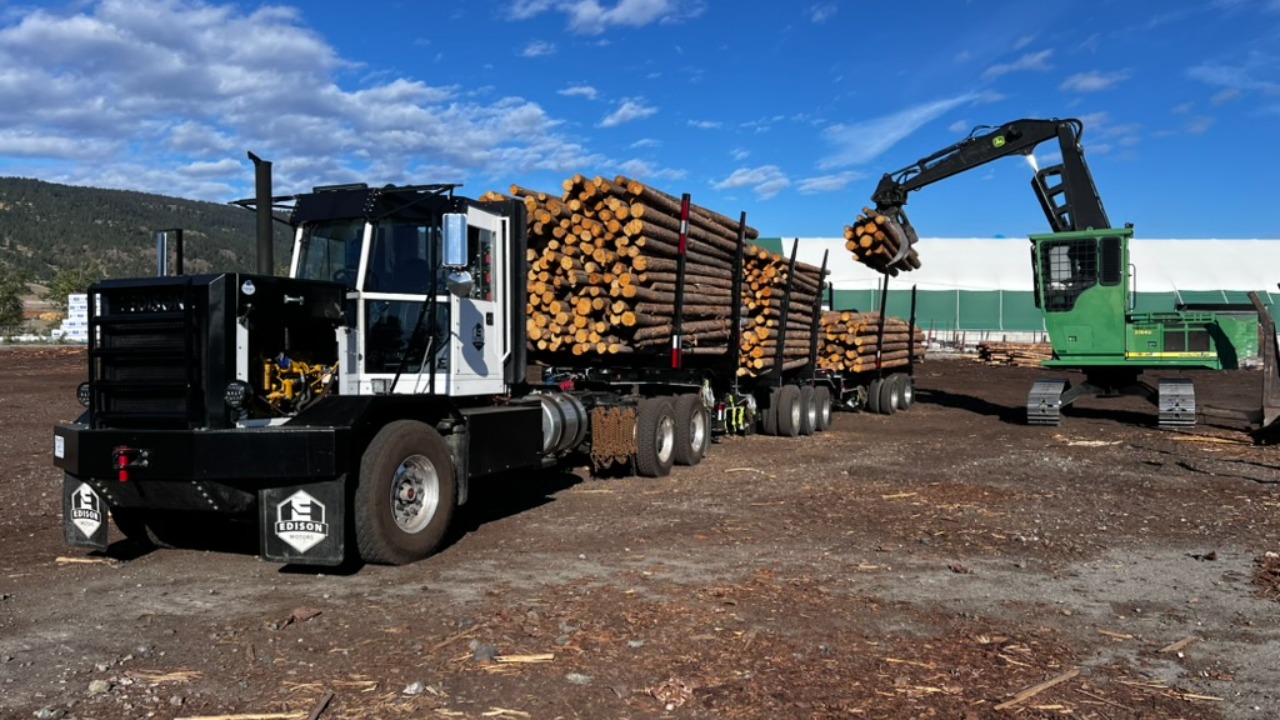
Logging trucks are designed to transport large logs from forests to processing facilities. These trucks are equipped with trailers that can carry multiple logs, making them some of the heaviest vehicles on the road. Their weight and length make them unsuitable for residential streets, where they can cause significant damage to the road surface.
The size of logging trucks also poses visibility issues for drivers and pedestrians, increasing the risk of accidents. In some areas, logging trucks are restricted to certain routes and highways to prevent damage to residential infrastructure and to ensure safety.
Tanker Trucks
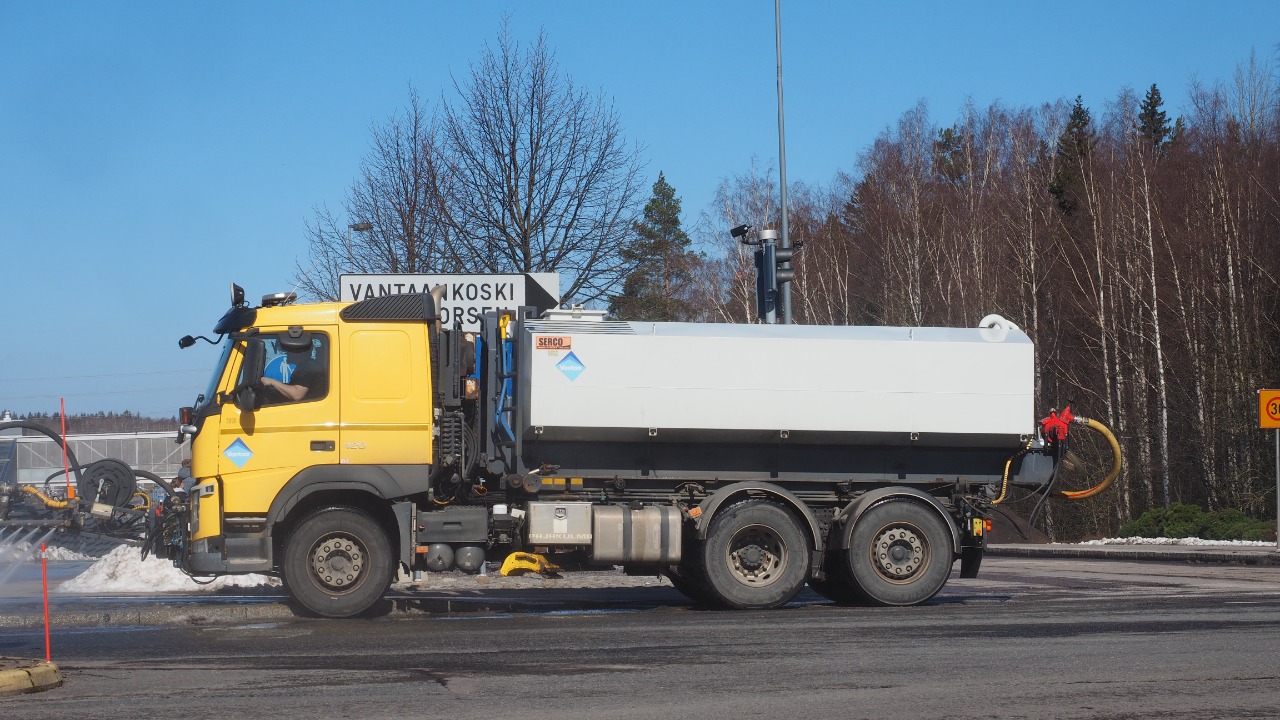
Tanker trucks are used to transport a variety of liquids, including fuel, chemicals, and water. Depending on their cargo, these trucks can weigh up to 80,000 pounds. This immense weight makes them unsuitable for residential streets, which are not designed to handle such loads.
Furthermore, tanker trucks carrying hazardous materials pose additional safety risks in residential areas. In many areas, environmental regulations restrict the routes these trucks can take to minimize the risk of accidents and environmental contamination.
Car Carrier Trailers
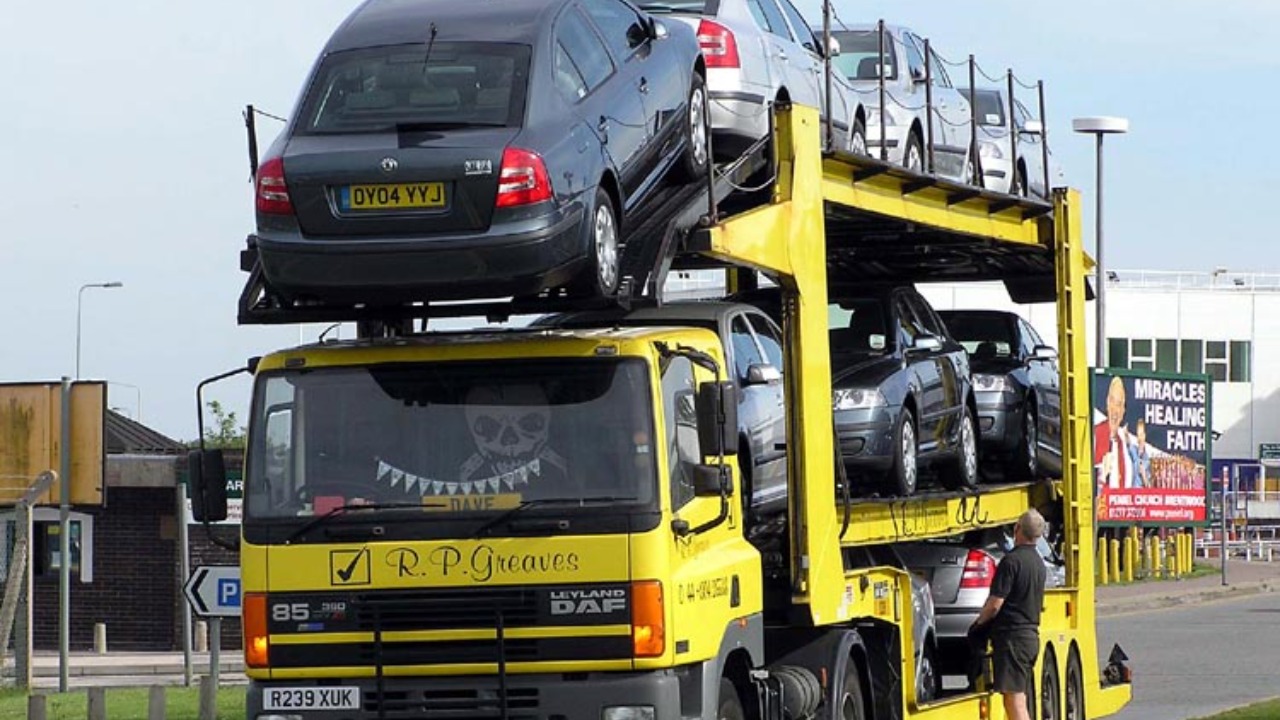
Car carrier trailers are used to transport multiple vehicles simultaneously, making them a common sight on highways. These trailers can carry up to 12 cars, resulting in a total weight that far exceeds the safe limits for residential streets. The length and height of these carriers also make them unsuitable for navigating through residential neighborhoods with low bridges and tight corners.
Additionally, the process of loading and unloading vehicles can cause congestion and pose safety risks in residential areas. Many cities have regulations in place to prevent car carrier trailers from entering residential streets, ensuring that they use designated routes to minimize disruption and maintain safety.
