As trusted workhorses, trucks are built to withstand heavy-duty tasks, yet not all live up to the expectations. Some models, due to cost-cutting measures, have left mechanics shaking their heads. In this exploration, we’ll delve into six trucks that, according to mechanics, were built too cheaply, impacting their performance and reliability.
Ford Ranger
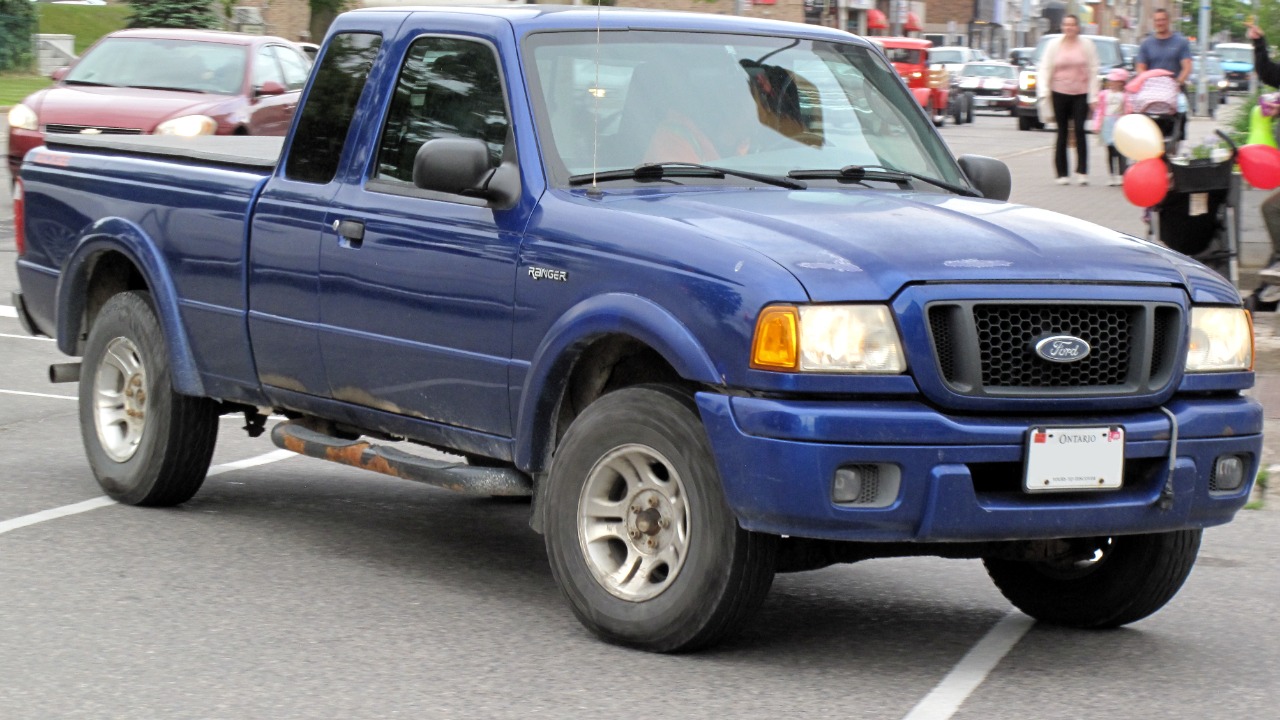
The Ford Ranger, particularly the models from 2001 to 2004, often comes up in discussions about cost-cutting. While it was a popular choice for its size and utility, the Ranger’s interior components, such as the dashboard and door panels, were often criticized for being flimsy. Mechanics frequently reported issues with the suspension system, which was prone to premature wear. MotorTrend has noted that despite its reputation, these models required more frequent maintenance than their competitors.
Despite its shortcomings in build quality, the Ranger maintained a loyal fan base. However, many owners found themselves dealing with frequent electrical issues and rust problems, particularly in areas with harsh winters. These factors contributed to a perception that some models were built with a focus on budget rather than durability.
Chevrolet Colorado
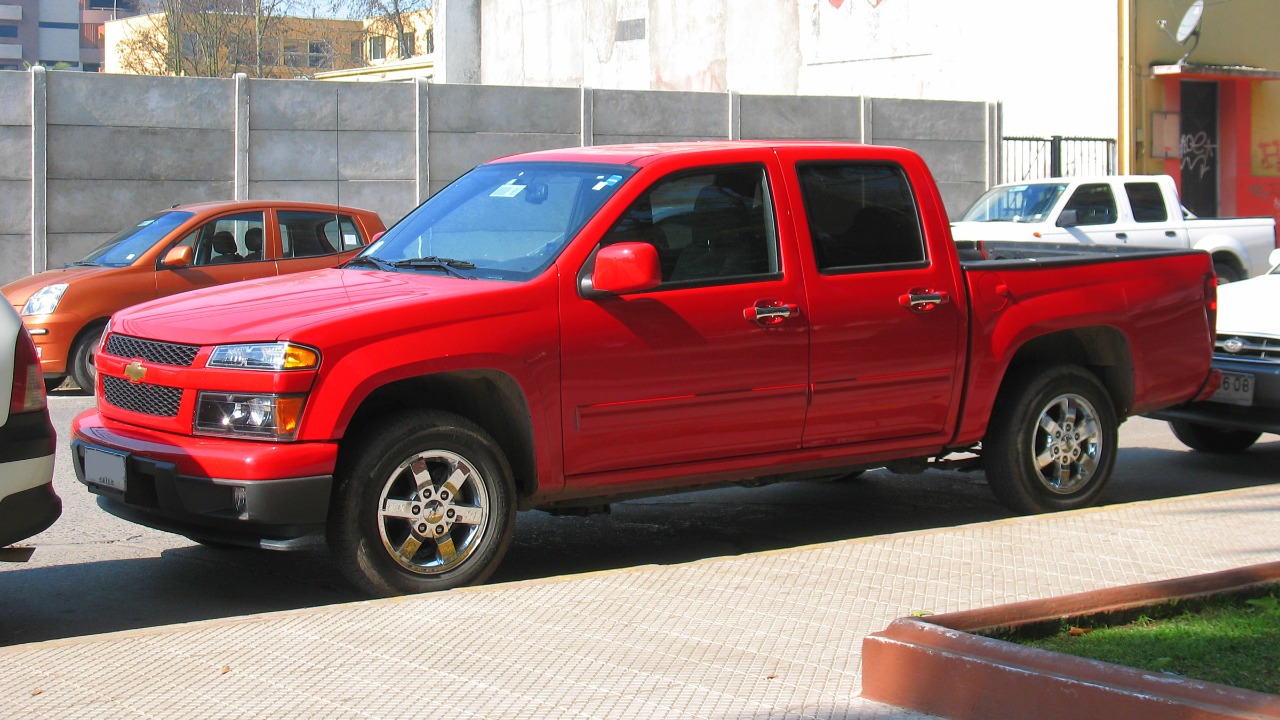
The Chevrolet Colorado, especially the 2004-2012 generations, is often cited for its cost-cutting measures. Mechanics noted that these trucks had a tendency for electrical problems, with issues cropping up in the power windows and door locks. The plastic used in the interior was also prone to cracking and fading over time, which detracted from the vehicle’s overall appeal.
Additionally, the engine’s performance left much to be desired, with reports of sluggish acceleration and frequent transmission issues. These problems often led to costly repairs, making the Colorado less attractive to those looking for a robust and reliable truck.
Dodge Dakota
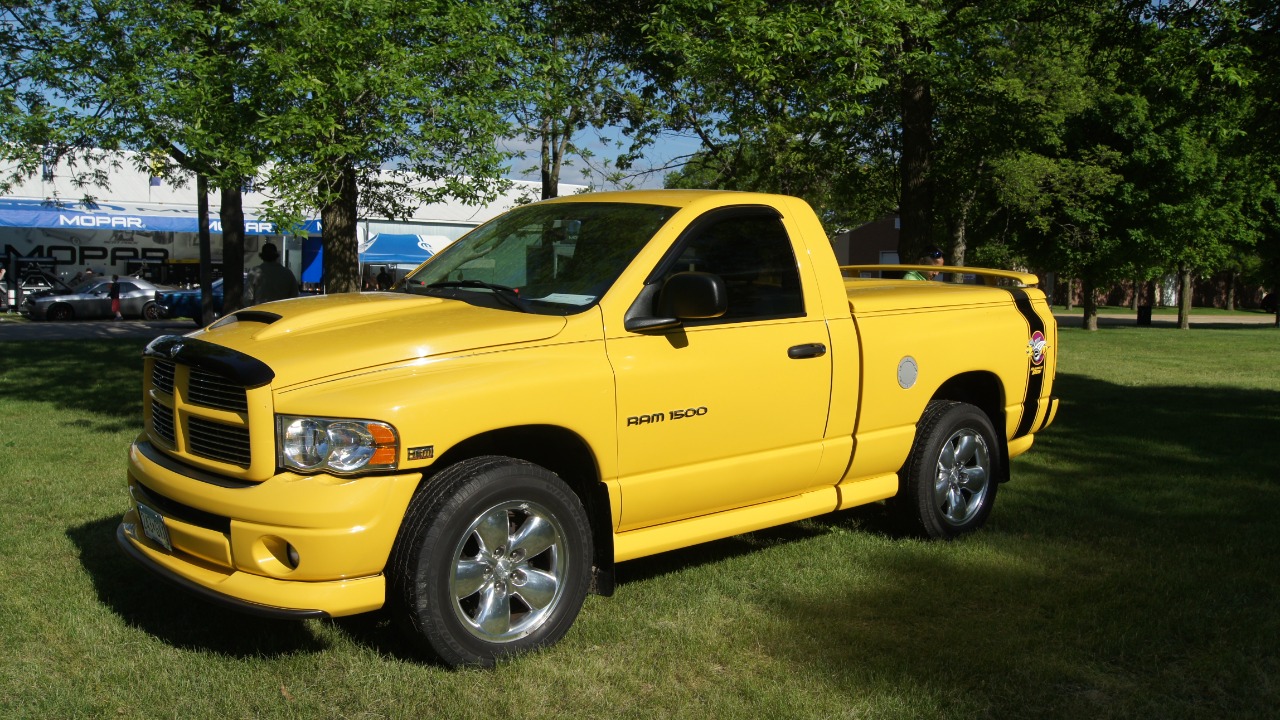
The Dodge Dakota, with particular focus on the 1997-2004 models, is often mentioned for its less-than-stellar build quality. A common complaint among mechanics was the premature wear of the front suspension components, which often led to alignment issues and uneven tire wear. The Dakota’s V6 engine, while powerful, was notorious for its fuel inefficiency and tendency to develop oil leaks.
Interior-wise, the Dakota did not fare much better. Owners reported issues with the quality of materials used in the cabin, leading to a dated and worn-out appearance even in relatively newer models. Despite its rugged exterior, the Dakota’s construction left much to be desired, according to many mechanics.
Nissan Frontier
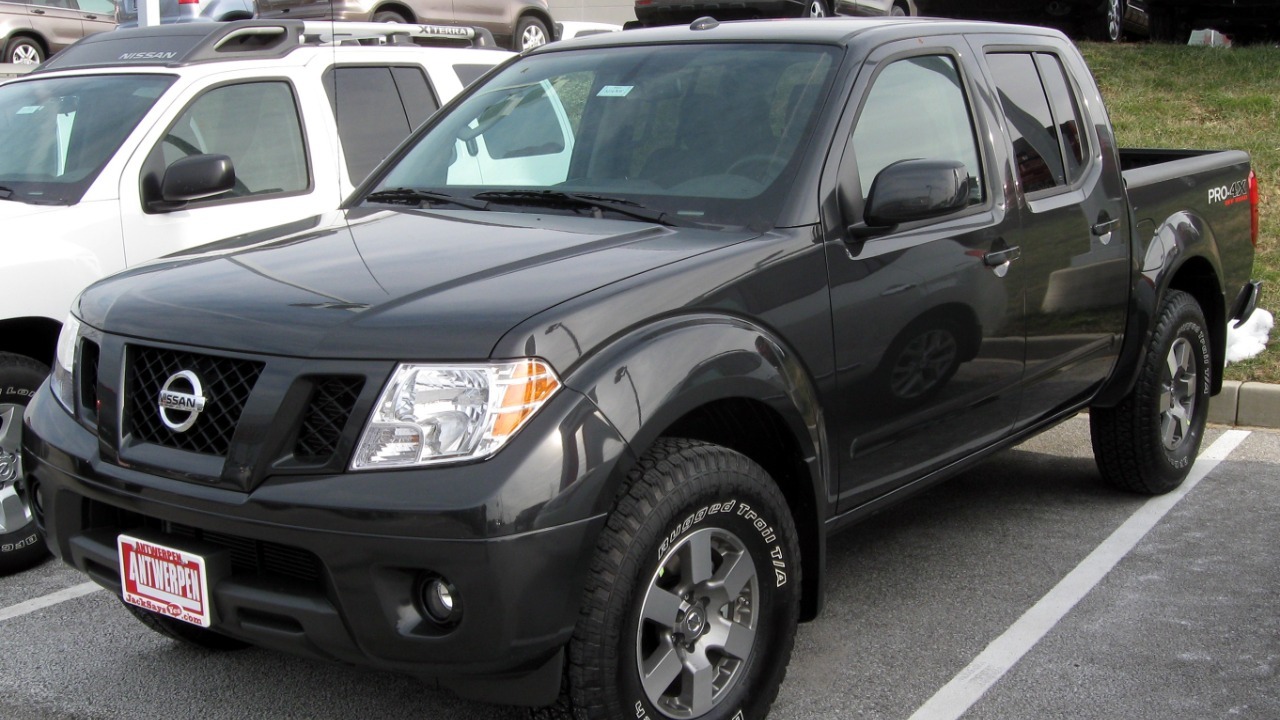
The Nissan Frontier, particularly models from 2005 to 2010, often faced criticism for its build quality. While the truck was praised for its off-road capabilities, its interior materials were often seen as subpar. The plastics used were prone to scratching and discoloration, and the seats were not known for their long-term comfort.
Mechanics frequently encountered issues with the Frontier’s cooling system, which was prone to leaks and overheating. These mechanical issues, combined with the underwhelming interior, made the Frontier a less appealing choice for those seeking a durable and long-lasting truck.
GMC Canyon

The GMC Canyon, especially the 2004-2012 models, shares many of the same criticisms as the Chevrolet Colorado. Mechanics often pointed out the Canyon’s issues with the electrical system, particularly with the dashboard lights and power accessories. The truck’s interior was another point of contention, with many owners noting the substandard quality of the materials used.
Under the hood, the Canyon’s engines sometimes struggled with performance and reliability. Owners frequently reported issues with the transmission, which could lead to expensive repairs. These factors contributed to a perception that the Canyon was built with an eye towards affordability rather than longevity.
Toyota Tundra

The Toyota Tundra, particularly the models from the early 2000s, is a surprising entry on this list. Despite Toyota’s reputation for reliability, these Tundras were often criticized for their rust-prone frames. Many owners reported significant rust issues, especially in regions with heavy road salt usage, which sometimes led to costly frame replacements.
Additionally, the Tundra’s interior was not immune to criticism. The plastic components inside the cabin were often described as cheap-feeling and prone to rattling over time. While the Tundra maintained its status as a capable truck, these build quality issues tarnished its otherwise strong reputation.
