Throughout history, scientific discoveries have dramatically reshaped our understanding of the world. However, not all discoveries have been immediately embraced or even revealed. There have been instances where breakthroughs were hidden, sometimes due to controversy, political pressure, or financial interests. Here are six times scientists covered up significant discoveries.
The Piltdown Man Hoax
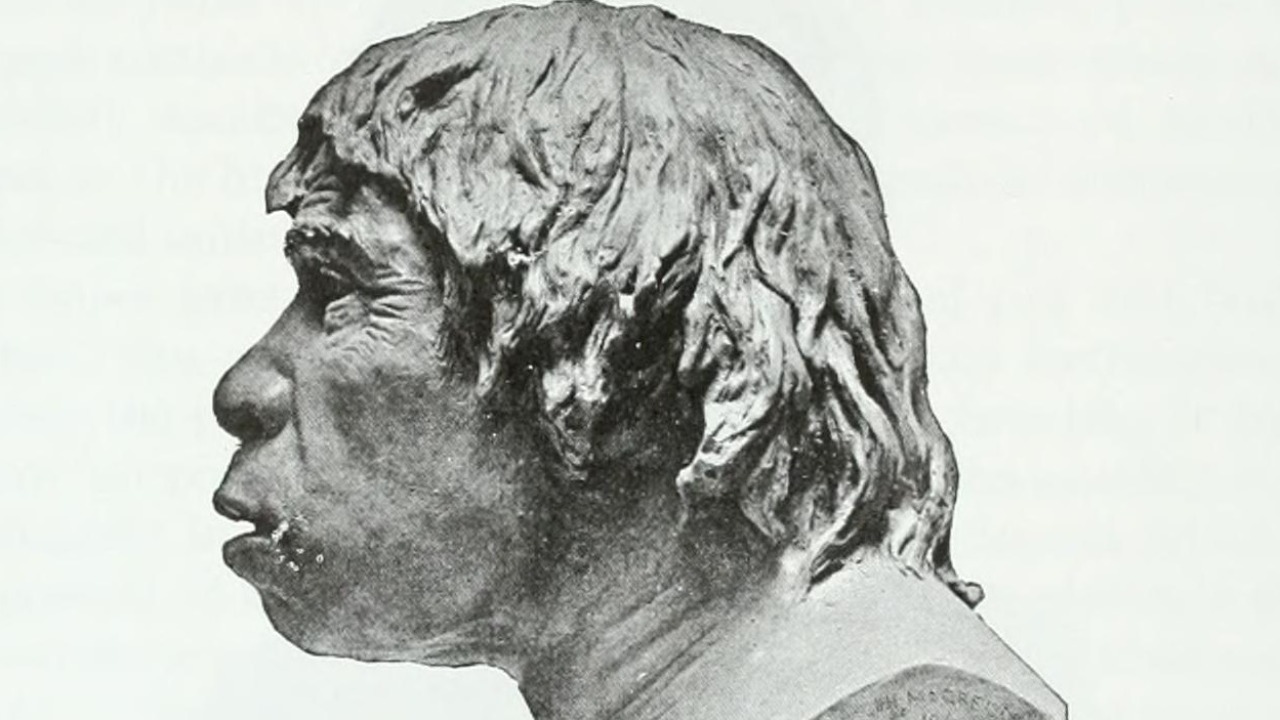
The Piltdown Man is one of the most notorious scientific hoaxes in history. In 1912, Charles Dawson claimed to have found fossilized remains of a previously unknown early human in Piltdown, England. For decades, these findings were considered vital to understanding human evolution. However, in 1953, the bones were revealed to be a forgery, consisting of a medieval human skull and an orangutan jaw. This deliberate deception misled scientists for over 40 years.
Cold Fusion Controversy

In 1989, chemists Martin Fleischmann and Stanley Pons announced they had achieved cold fusion, a process that could potentially provide limitless energy. Their claims, however, were met with skepticism as other scientists were unable to replicate their results. The scientific community largely dismissed their findings, and accusations of fraud and incompetence emerged. Cold fusion remains a controversial topic, with ongoing debates about the scientists’ methods and motivations.
The Suppression of Nikola Tesla’s Research
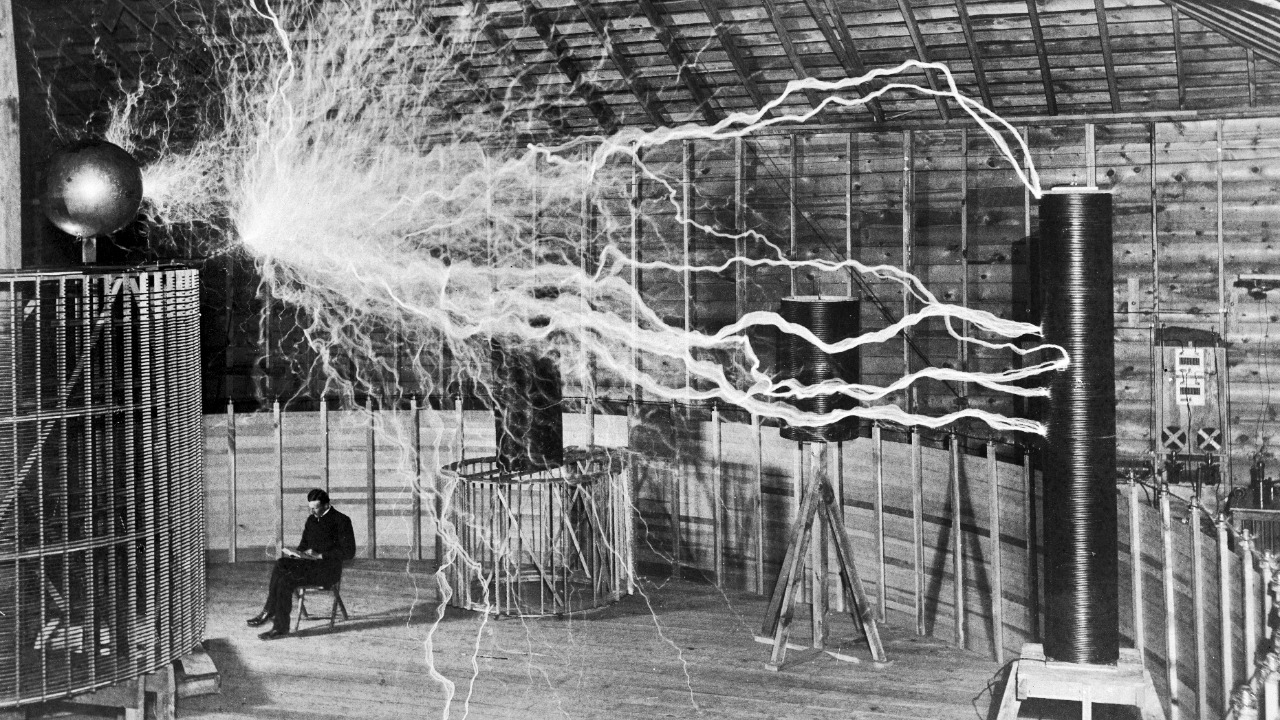
Nikola Tesla, a visionary inventor, made numerous contributions to electrical engineering and wireless communication. However, many of his ideas never saw the light of day. Tesla’s ambitious projects, such as wireless energy transmission, faced opposition from financial backers like J.P. Morgan, who feared the implications for the burgeoning electricity industry. Some of Tesla’s research papers were even seized by the U.S. government after his death, fueling theories about suppressed innovations.
The Hidden Dangers of Asbestos
Asbestos was once heralded as a miracle material due to its fire-resistant properties. However, by the early 20th century, health risks associated with asbestos exposure became apparent. Despite mounting evidence of asbestos-related diseases, companies and scientists concealed the dangers for decades to protect their financial interests. This cover-up resulted in widespread health issues and numerous legal battles, highlighting the tensions between profit and public safety.
The Ozone Layer Deception
In the late 20th century, scientists discovered that chlorofluorocarbons (CFCs) were depleting the ozone layer, which protects Earth from harmful ultraviolet radiation. Initially, chemical companies and some scientists downplayed these findings to avoid regulatory actions. However, the evidence became too overwhelming to ignore, leading to international agreements such as the Montreal Protocol. This case underscores the delicate balance between industry interests and environmental preservation.
The Cover-Up of Climate Change Data

Climate change is one of the most pressing issues of our time, yet efforts to address it have been hindered by data suppression. In some instances, scientists have faced pressure to alter or downplay findings that highlight the severity of climate change. Political and economic interests have often clashed with scientific integrity, resulting in a complex debate about transparency and accountability in scientific research.
