
Google has faced scrutiny over its user data tracking practices multiple times. Despite its efforts to ensure privacy, controversies have arisen, raising questions about the extent of data collection. Here are six instances where Google was found tracking users in unexpected ways.
Location History Controversy
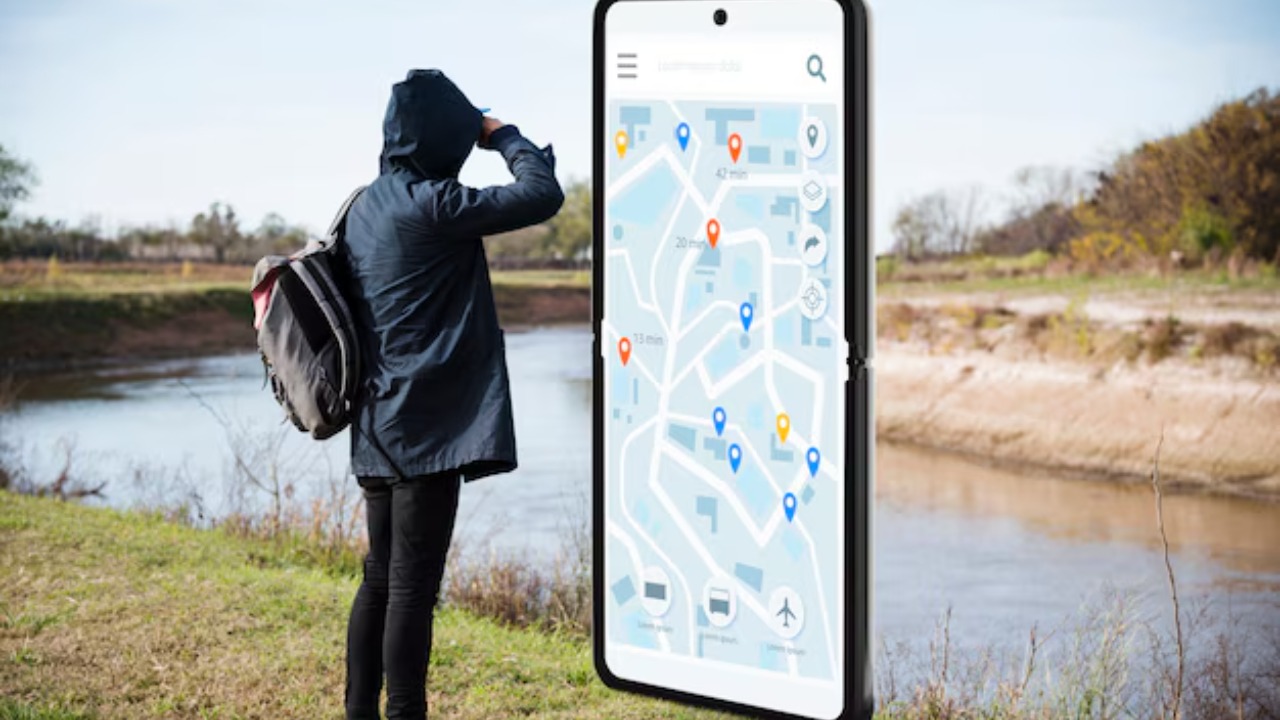
In 2018, Google was criticized for tracking users’ location history even when the feature was turned off. Investigations revealed that certain apps still stored time-stamped location data, causing privacy concerns. Google’s explanation was that disabling location history did not affect other location services on devices. This incident highlighted a gap between user expectations and Google’s data practices, sparking debates about transparency.
Wi-Fi Data Collection Incident

Google faced backlash in 2010 when it was discovered that its Street View cars were collecting data from unencrypted Wi-Fi networks. This incident resulted in Google collecting emails, passwords, and other private information inadvertently. Google claimed it was a mistake and ceased the practice, but the damage to user trust was significant. The case led to regulatory inquiries in multiple countries and a renewed focus on Wi-Fi security.
Google Assistant Voice Recordings
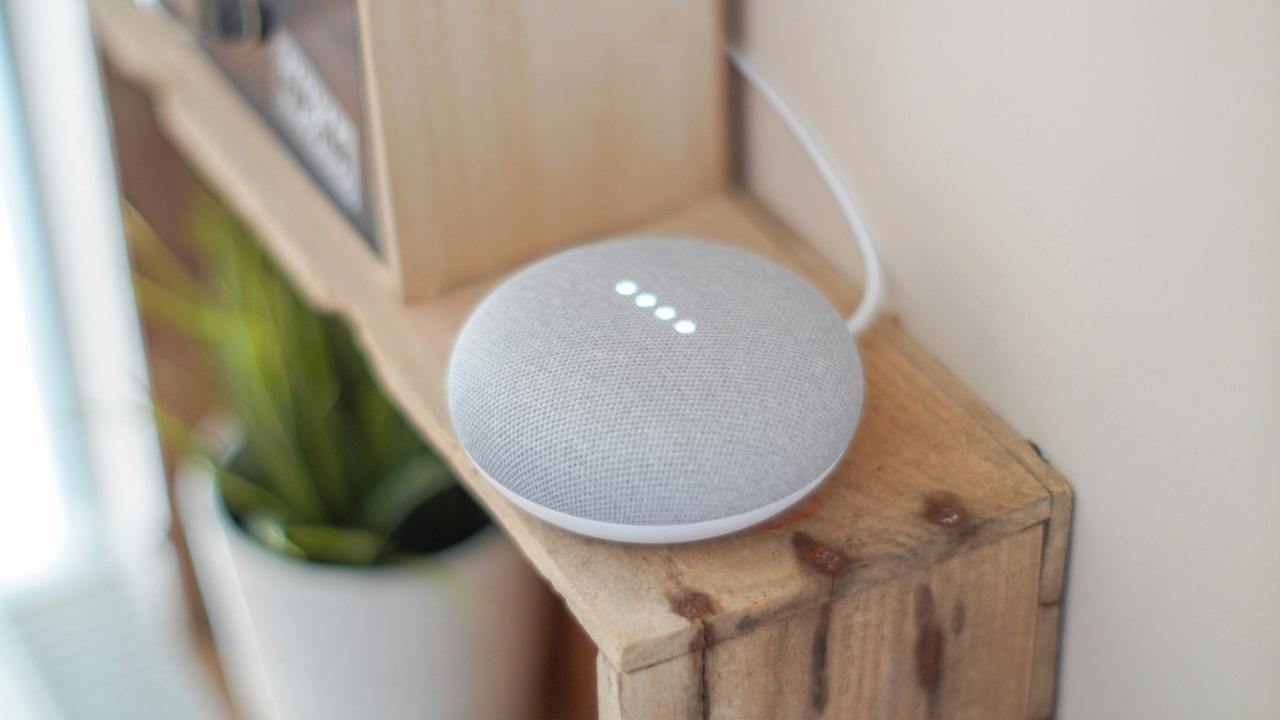
Google Assistant came under fire when it was revealed that recordings were being saved and listened to by human reviewers. This practice, aimed at improving voice recognition accuracy, raised concerns about user privacy. Although users could opt out, many were unaware of the default settings. Google’s response included a promise to improve transparency and make opting out easier, but the incident highlighted the complexity of managing privacy in AI-powered services.
Incognito Mode Tracking Allegations
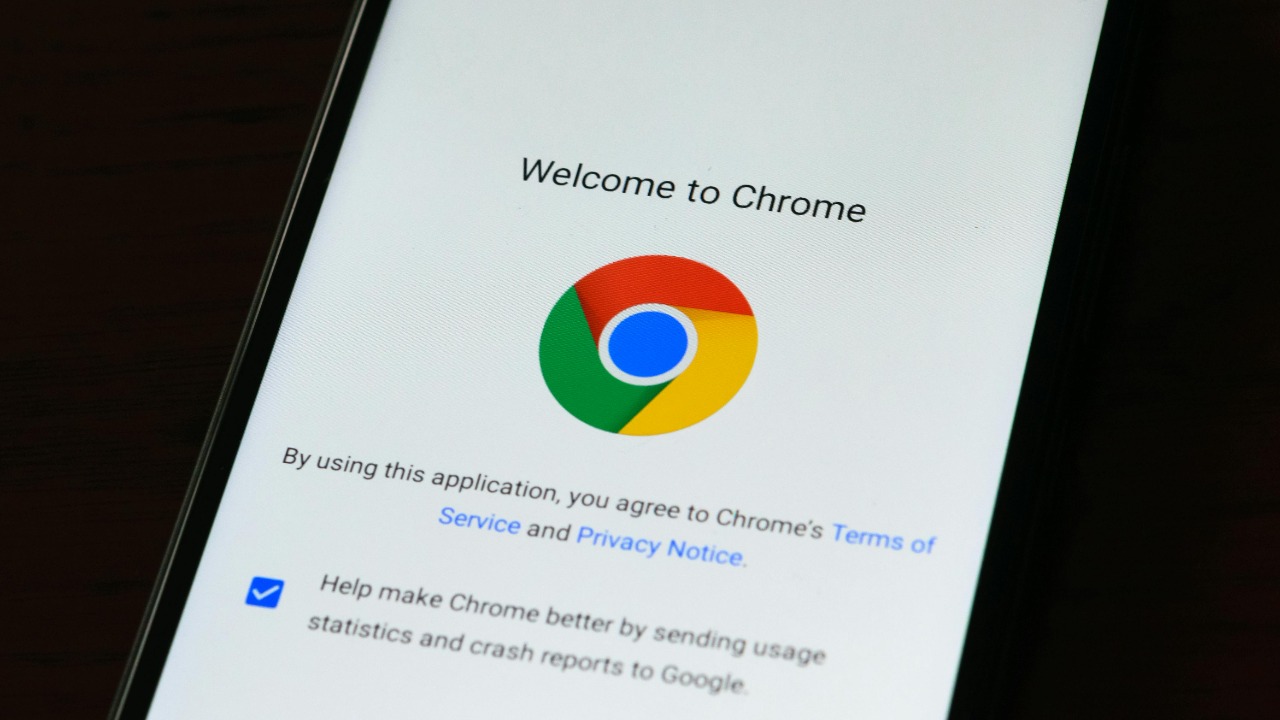
Incognito Mode in Google’s Chrome browser promises private browsing, but users filed a lawsuit alleging that Google still collected data. Users were surprised to learn that incognito mode did not prevent websites from seeing user activity. Google clarified that Incognito Mode stops Chrome from saving browsing history, but it doesn’t shield activity from websites or advertisers.
Android Device Location Services

In 2017, it was reported that Android devices were collecting location data through cell tower triangulation, even with location services disabled. This data was sent back to Google, raising concerns about privacy and user consent. Google stated that the data was never stored and was part of an effort to improve message delivery. However, the practice was stopped amidst the outcry, and it stirred discussions about user control over personal data.
Chrome Browser Activity Monitoring

Google Chrome is a popular browser, but it has faced criticism for its extensive tracking capabilities. Reports indicated that even when users disabled tracking features, Google could still monitor certain activities. This raised questions about the effectiveness of privacy controls within the browser. Google has since committed to enhancing user privacy options, but the case remains a reminder of the challenges in balancing convenience and privacy.
