The idea that we might be living in a simulation is not just a notion confined to science fiction. It has gained traction among philosophers, scientists, and tech enthusiasts alike. From the mysteries of quantum mechanics to the potential of artificial intelligence, several factors suggest we might be part of a grand simulated reality.
The Uncanny Nature of Quantum Mechanics
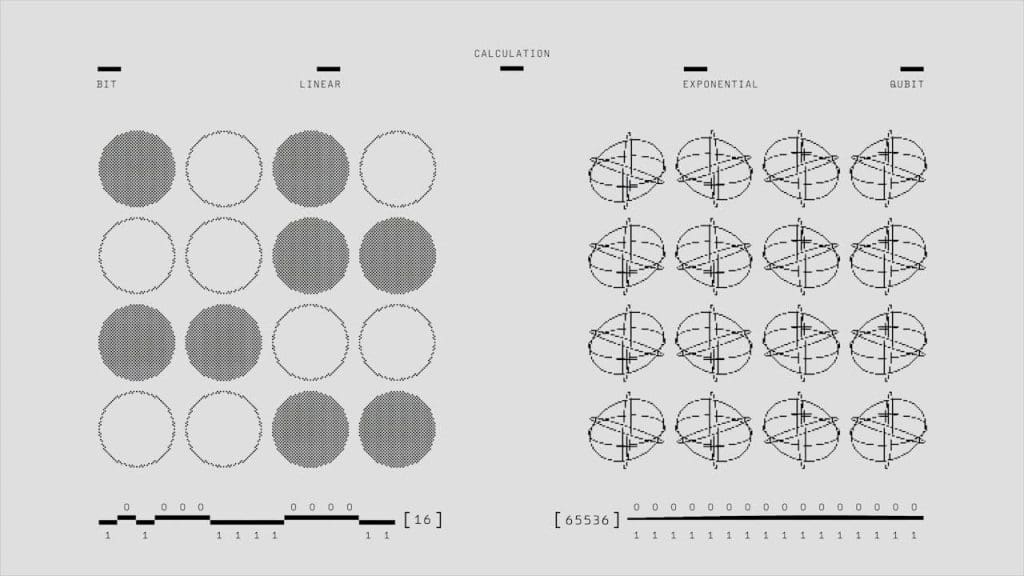
Quantum mechanics is notorious for its strange and unpredictable behavior. Subatomic particles can exist in multiple states at once until observed, a phenomenon known as superposition. This peculiar aspect of particles might imply that our universe operates on a set of programmed rules, akin to a simulation. Some researchers have even speculated that the bizarre properties of quantum mechanics could be evidence that our reality is a complex computer simulation.
The Limits of Our Technological Understanding

Despite our technological advancements, there remain vast unknowns about the universe. Our current understanding could be akin to an advanced civilization’s simulation game. The fact that we regularly discover new aspects of physics and reality suggests that what we know might be just a fraction of a greater, possibly simulated, existence. Could our universe be a digital construct beyond our current comprehension?
The Fermi Paradox and the Rarity of Life
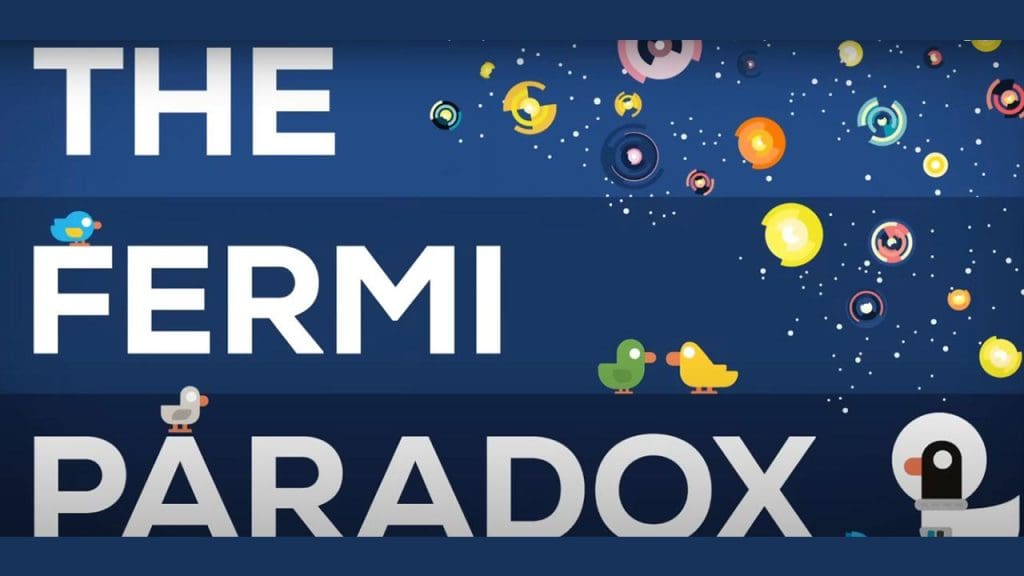
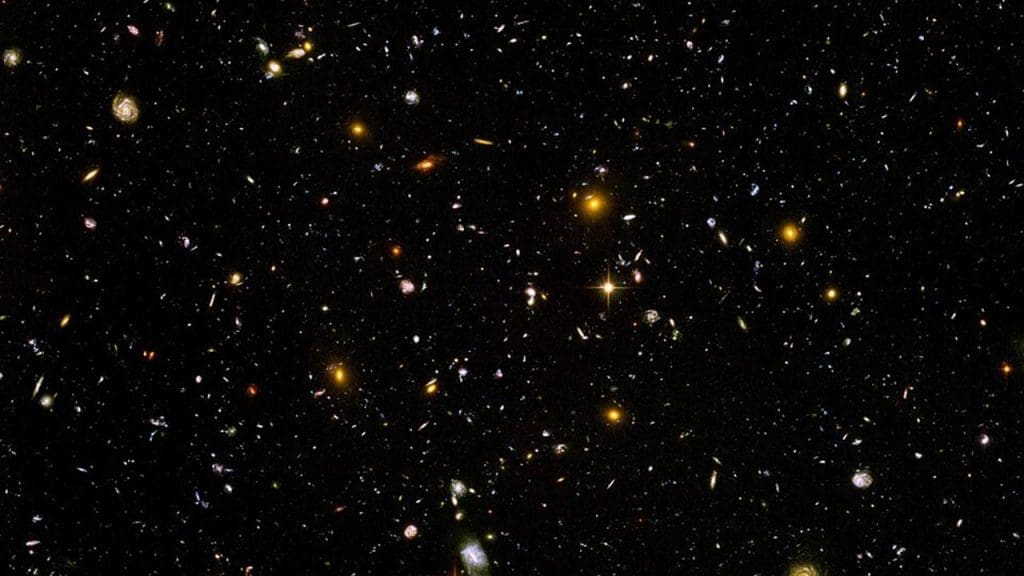
The Fermi Paradox highlights the contradiction between the high probability of extraterrestrial life and the lack of evidence for, or contact with, such civilizations. If our universe is a simulation, it might be designed to focus solely on Earth and human life, leaving other potential life forms out of reach or non-existent. This rarity could be a feature of a controlled, simulated environment.
The Concept of Infinite Realities
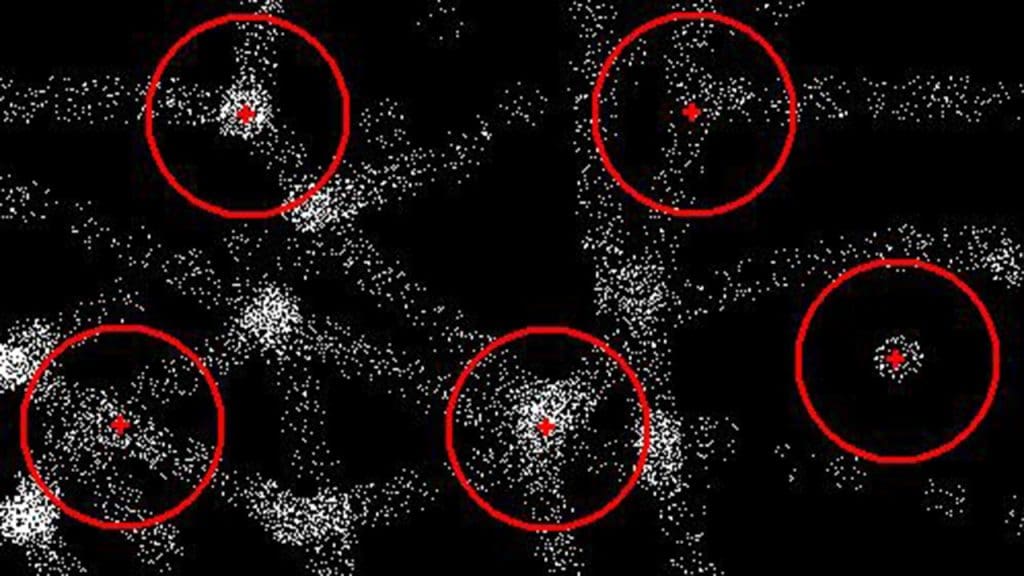
The multiverse theory suggests the existence of multiple, perhaps even infinite, realities. If each universe operates under different laws of physics, it raises the possibility that some of these could be simulations. This idea is supported by the notion that a sufficiently advanced civilization could create simulated worlds, contributing to the vast number of realities. In this context, our reality being a simulation is not far-fetched.
The Advancements in Artificial Intelligence
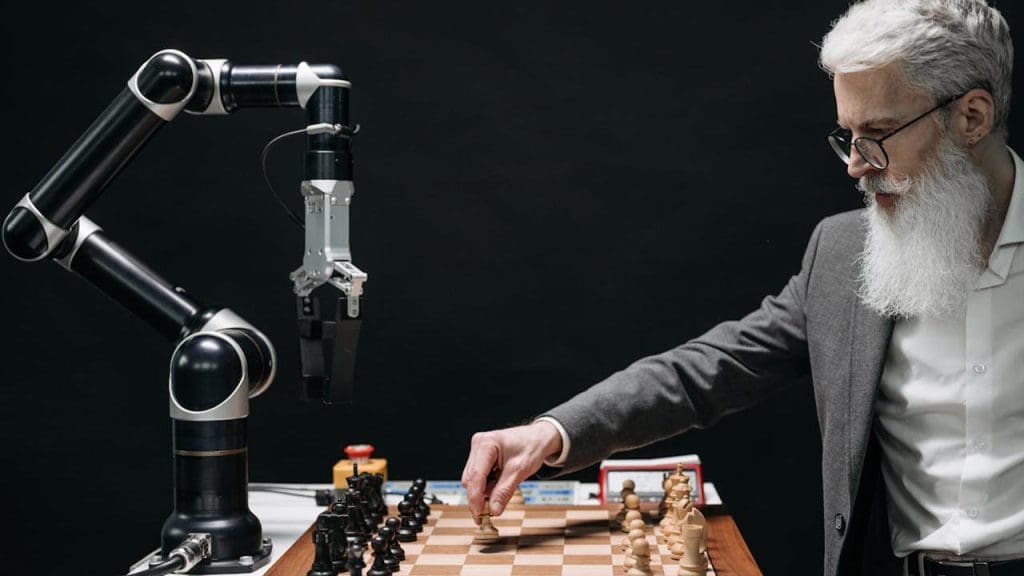
As artificial intelligence continues to evolve, we’re witnessing machines capable of complex decision-making, learning, and mimicking human behavior. This progress invites speculation that our own consciousness could be an advanced simulation created by a superior intelligence. If humans can create simulated environments with increasing realism, the leap to considering our world as a simulation becomes less of a stretch.
The Philosophical Argument of Simulated Consciousness
Philosophers have long debated the nature of consciousness and existence. The simulation hypothesis suggests that our minds could be a sophisticated program running in a simulated universe. This argument posits that if a civilization reaches a point where it can create conscious beings in a simulation, it would likely do so many times. As a result, the probability that we are one of these simulated consciousnesses is high. The philosophical implications challenge our understanding of reality and consciousness.
