Many luxury SUVs ask for premium gasoline, but some models might not justify the extra cost. Paying more at the pump can be frustrating, especially if the performance difference is negligible. Here, I explore six popular SUVs that require premium gas but perhaps shouldn’t, offering insights into their performance and fuel needs.
BMW X3

The BMW X3 is a versatile SUV that combines performance and luxury. While the manufacturer recommends premium fuel for optimal performance, the 2.0-liter turbocharged engine in models like the 2020 X3 xDrive30i can run efficiently on regular gas. The slight dip in horsepower may not be noticeable in everyday driving, making premium fuel an unnecessary expense for some drivers. Still, those seeking peak performance might opt to stick with premium.
For anyone considering the X3, it’s worth evaluating whether the benefits of using premium gas are significant enough to justify the cost. Consumer Reports suggests that many drivers might not notice a difference in performance or efficiency, making regular gas a viable option.
Lexus RX
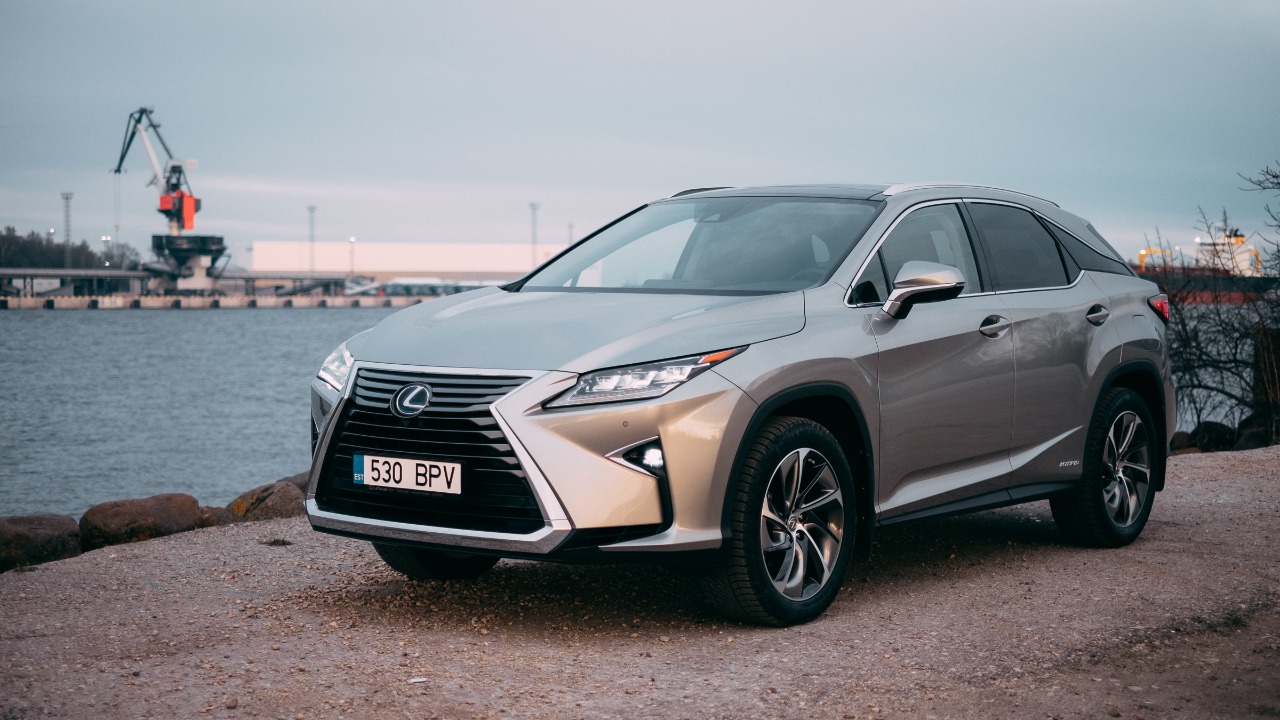
The Lexus RX is renowned for its smooth ride and luxurious interior. The RX 350, in particular, is often debated among car enthusiasts regarding its fuel requirements. Officially, Lexus recommends premium gasoline, but drivers have reported satisfactory performance with regular gas.
The debate often centers around whether the RX truly benefits from premium gas in everyday situations. The RX 350’s V6 engine is capable, but for those prioritizing budget over marginal performance gains, regular gas could be a sensible choice.
Audi Q5
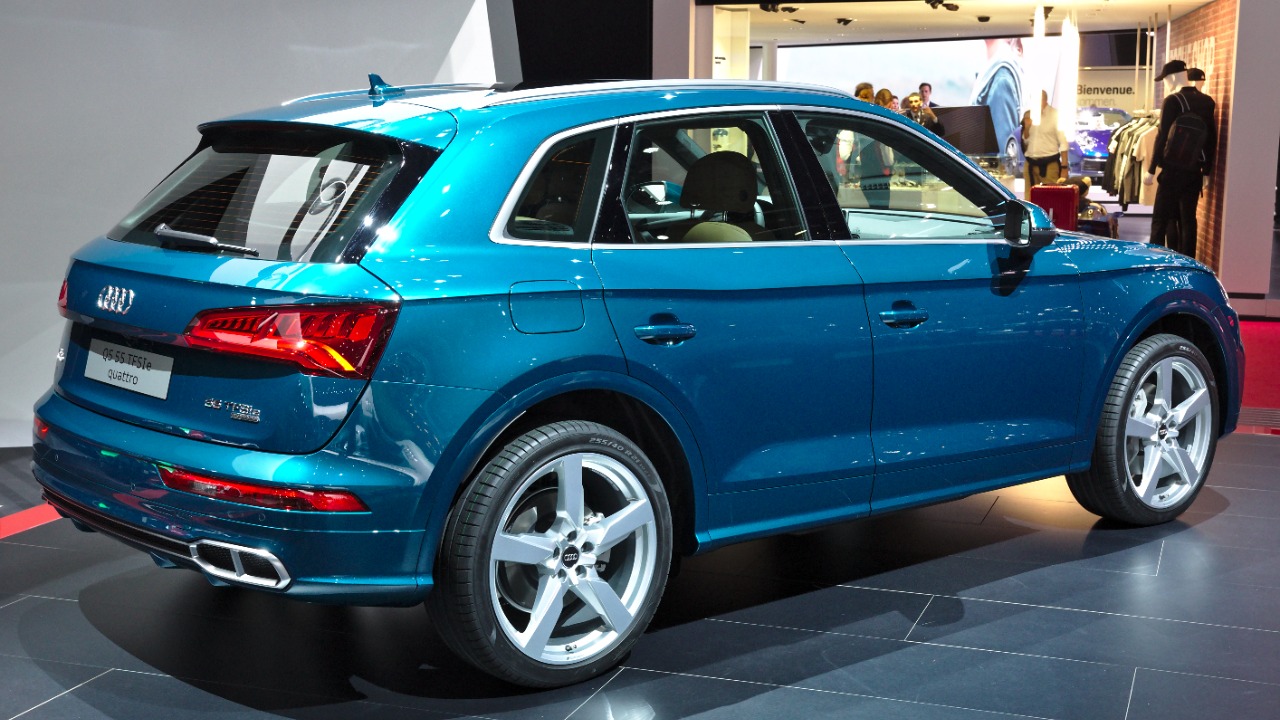
The Audi Q5 is a favorite among luxury SUV buyers, offering a blend of performance, comfort, and style. Audi recommends premium gasoline for the 2.0-liter turbocharged engine found in models like the 2019 Q5. However, discussions with other drivers reveal that many have successfully used regular gas without significant drops in performance or fuel economy.
For those who primarily use their Q5 for city commuting, the difference in performance might not justify the added cost of premium fuel. It’s a classic case of weighing cost against potential benefits, where individual driving habits play a crucial role in the decision.
Mercedes-Benz GLA

The Mercedes-Benz GLA is a compact SUV that promises the brand’s signature luxury and performance. With its turbocharged engine, the GLA is designed to run on premium gas. However, some owners have found that regular gas works just as well for their needs, especially in less demanding driving conditions.
Choosing the right fuel for the GLA can depend on how the vehicle is used. If you’re not frequently pushing the engine to its limits, the benefits of premium gas may not outweigh the costs. For a deeper dive into luxury car fuel requirements, explore this Reddit discussion on the topic.
Volvo XC60
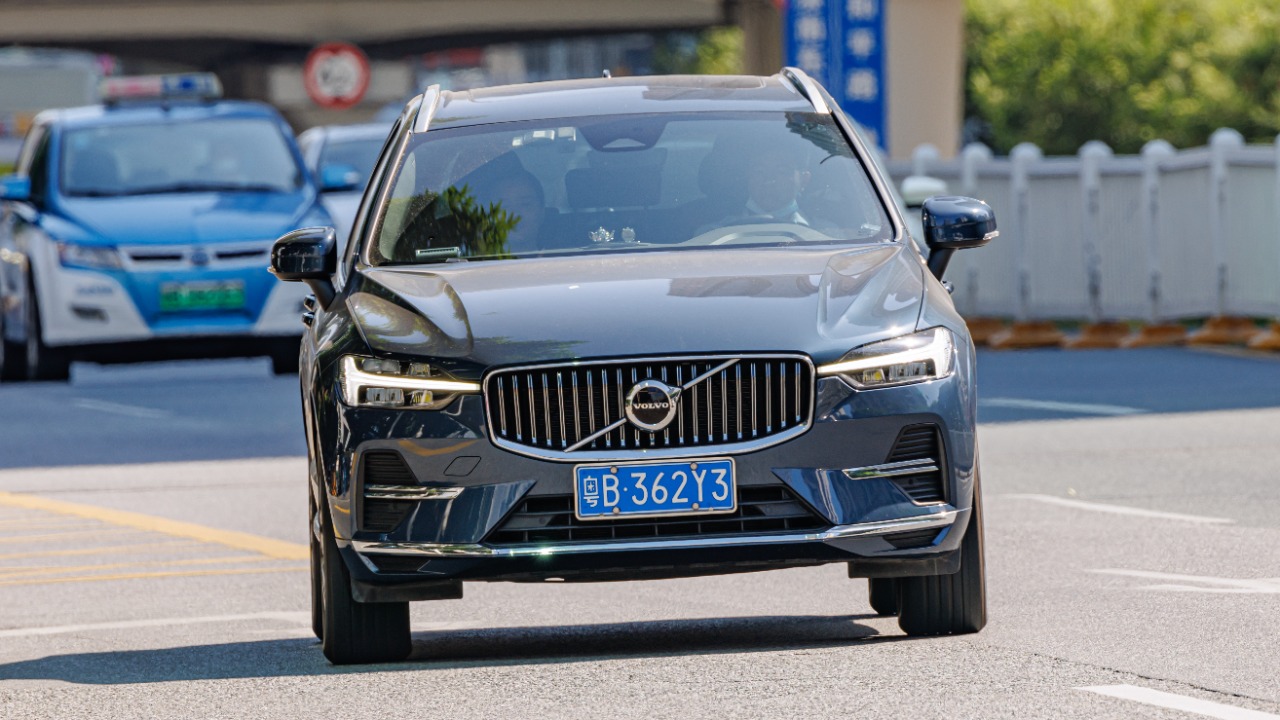
The Volvo XC60 is known for its safety features and Scandinavian design. Volvo suggests premium fuel for the T5 and T6 engines, yet many drivers find regular gas sufficient for their needs. The slight reduction in horsepower when using regular gas might not be an issue for those who prioritize comfort over speed.
The decision to use premium fuel often boils down to personal preference and driving style. For the average driver, the benefits of premium gas in the XC60 might not justify the additional cost per tank.
Infiniti QX50
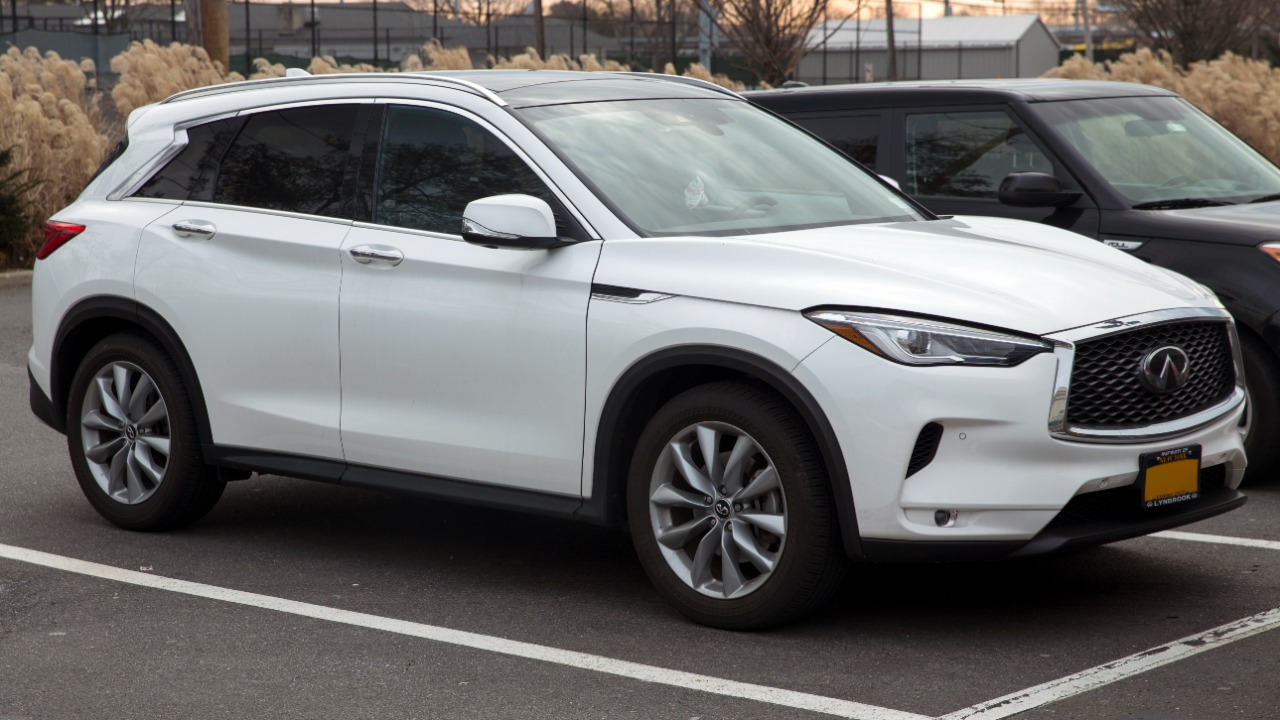
The Infiniti QX50 offers a unique driving experience with its variable compression turbo engine. Infiniti recommends premium gas to achieve maximum performance and efficiency, but regular gas can suffice for many users. The 2021 model’s engine is adaptable, making it a strong contender for those looking to save on fuel costs without compromising too much on performance.
While premium gas can enhance the QX50’s capabilities, many drivers find the difference in performance to be negligible. For those interested in how the SUV market is shifting, check out this Carscoops article on the future of gas-powered SUVs.
