I am constantly awed by the strides humanity has made in understanding the universe. Our pursuit of cosmic knowledge is powered by some truly remarkable space probes. These six probes are revolutionizing our view of the cosmos.
James Webb Space Telescope
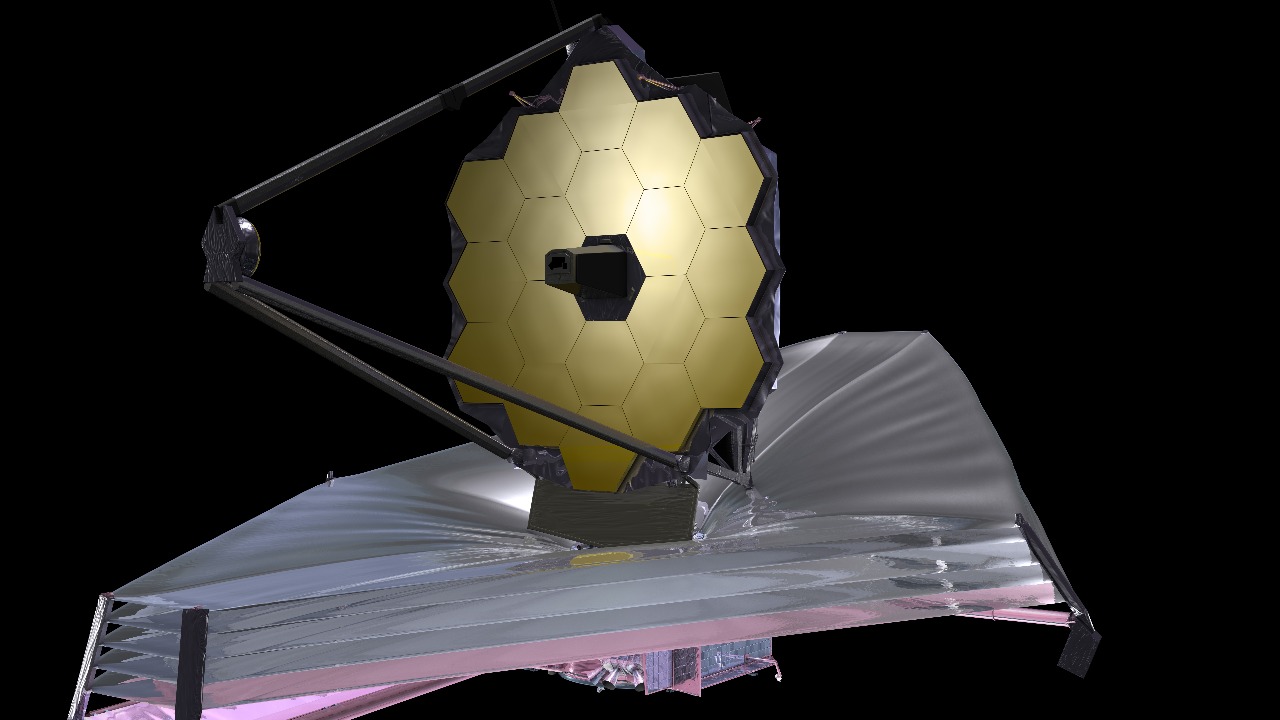
The James Webb Space Telescope (JWST) continues to push the boundaries of astronomy. As the successor to the Hubble Space Telescope, it offers unprecedented clarity and depth when observing distant galaxies, stars, and planets. Its advanced infrared capabilities allow scientists to peer through cosmic dust and uncover mysteries hidden from traditional telescopes.
Since its launch, JWST has focused on capturing some of the universe’s first galaxies. It is also instrumental in analyzing the atmospheres of exoplanets, potentially identifying those that might host life. Its findings are reshaping our understanding of how galaxies evolve over time.
Perseverance Rover
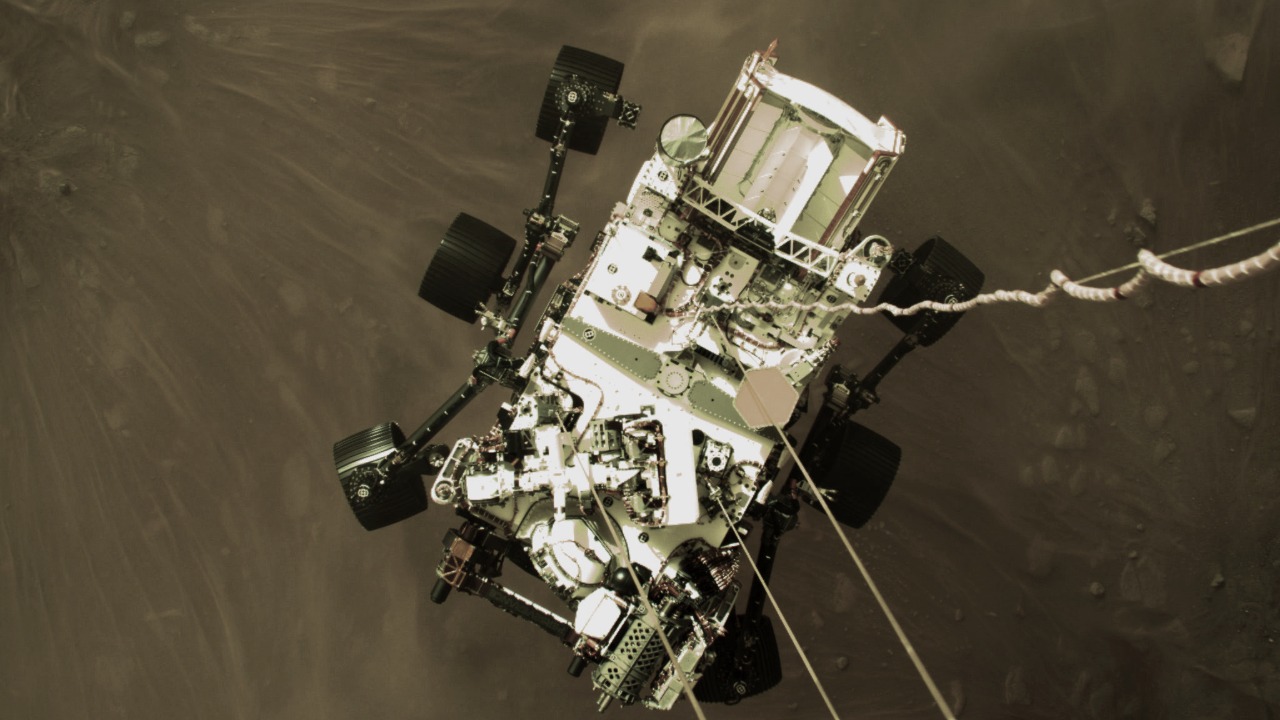
Launched in 2020, the Perseverance Rover is transforming our knowledge of the Red Planet. Stationed in the Jezero Crater, it is equipped with tools to search for signs of ancient life and collect samples for future return to Earth. These samples could provide unprecedented insights into Mars’ geological and possibly biological history.
Perseverance’s mission is not just about collecting data; it’s also setting the stage for future human exploration. By testing new technologies like the Ingenuity helicopter, it paves the way for the first human missions to Mars, helping us understand what it takes to survive and work on another planet.
New Horizons
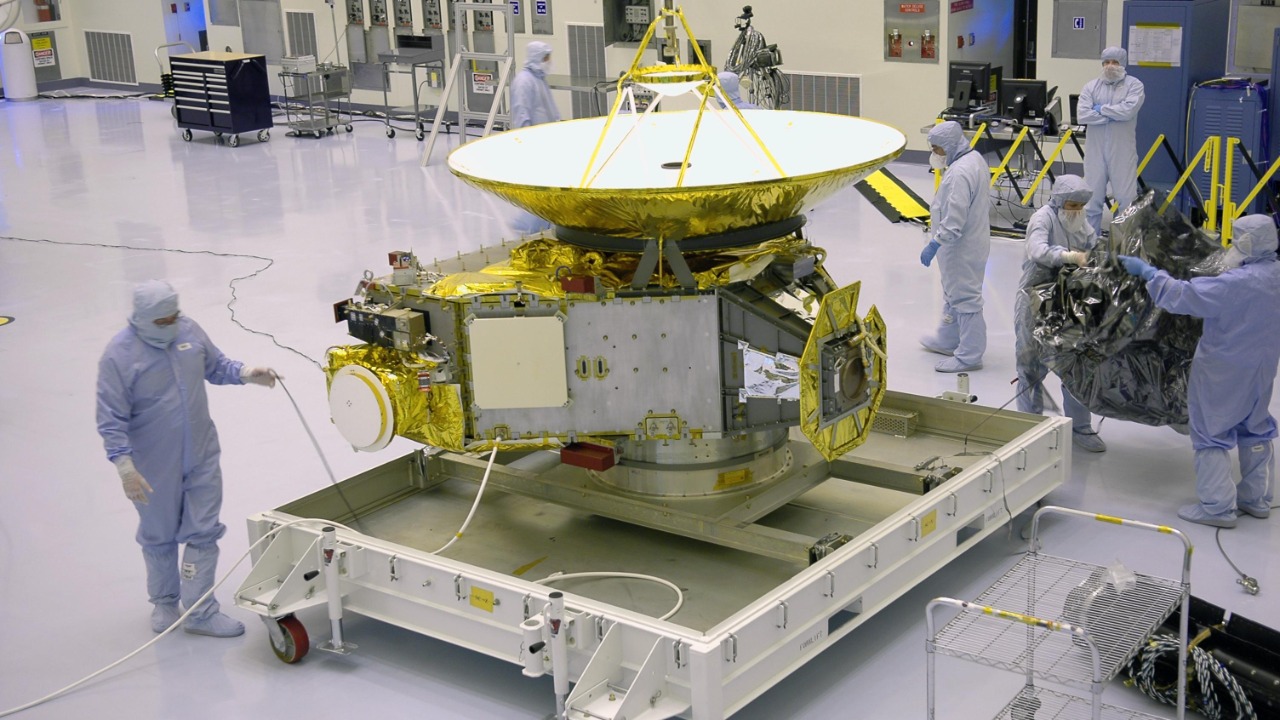
The New Horizons mission has provided humanity with its first close-up look at Pluto and the Kuiper Belt. Launched in 2006, it flew by Pluto in 2015, revealing a complex and active world with mountains of water ice and vast plains of frozen nitrogen.
Beyond Pluto, New Horizons continues its journey through the Kuiper Belt, offering a glimpse into the building blocks of our solar system. Its extended mission is helping us understand the outermost regions of our cosmic neighborhood, contributing to our understanding of planetary formation and evolution.
Juno
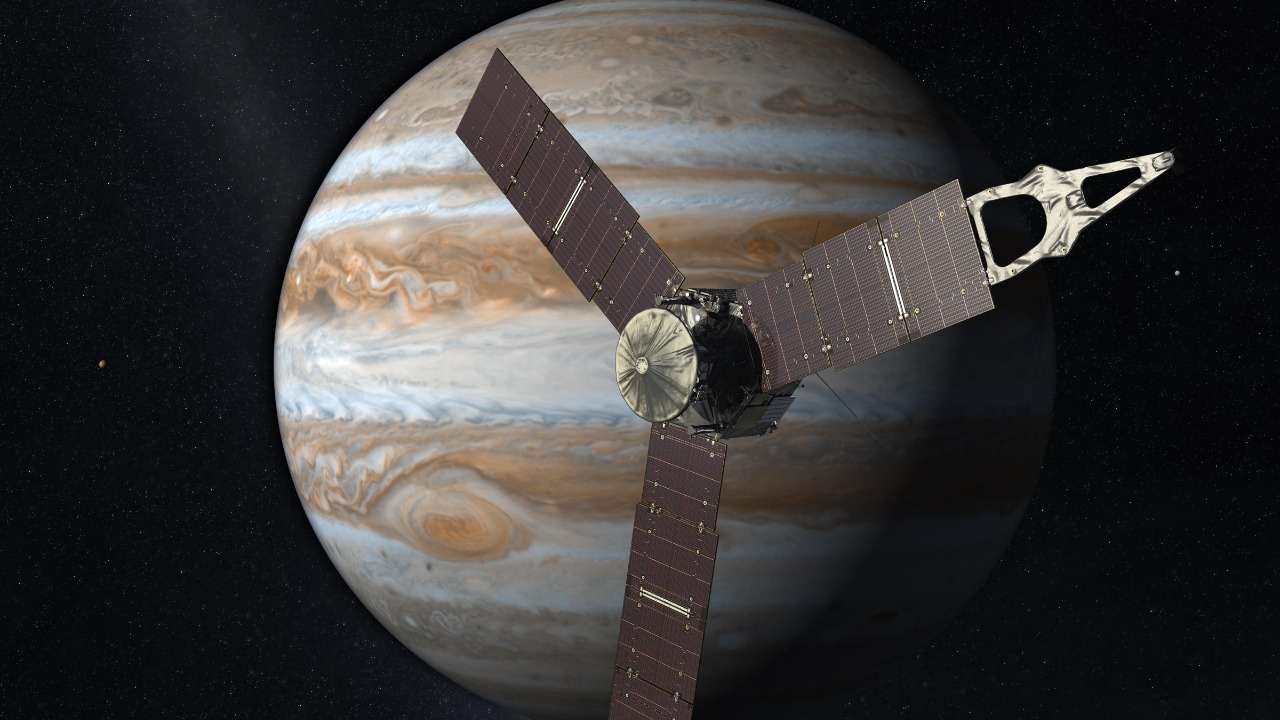
The Juno spacecraft is transforming our understanding of Jupiter, the solar system’s largest planet. Since arriving in 2016, Juno has been studying Jupiter’s atmosphere, magnetic field, and gravitational field. Its findings have revolutionized our understanding of the planet’s structure and composition.
Juno’s data have revealed that Jupiter’s iconic Great Red Spot is shrinking and that the planet’s core may be more diffuse than previously thought. By studying these phenomena, Juno helps scientists learn more about planetary formation and the dynamics of giant planets both in our solar system and beyond.
Parker Solar Probe
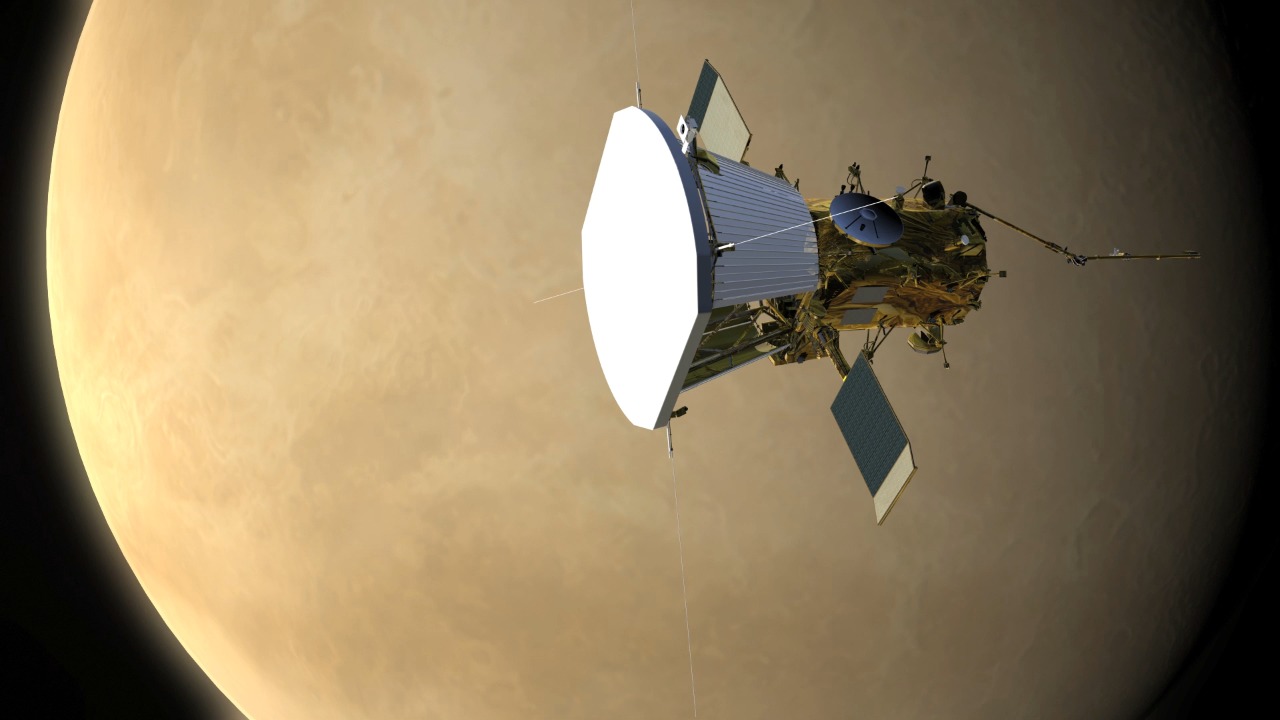
The Parker Solar Probe is a remarkable mission dedicated to understanding the Sun. It is the first spacecraft to fly through the Sun’s corona, the outermost part of its atmosphere. By getting closer to the Sun than any previous spacecraft, Parker is providing invaluable data on solar winds and the magnetic fields that shape space weather.
These insights are crucial for predicting solar storms that can impact satellite communications and power grids on Earth. The Parker Solar Probe’s findings are not only advancing solar science but also safeguarding our technology-dependent society.
Gaia
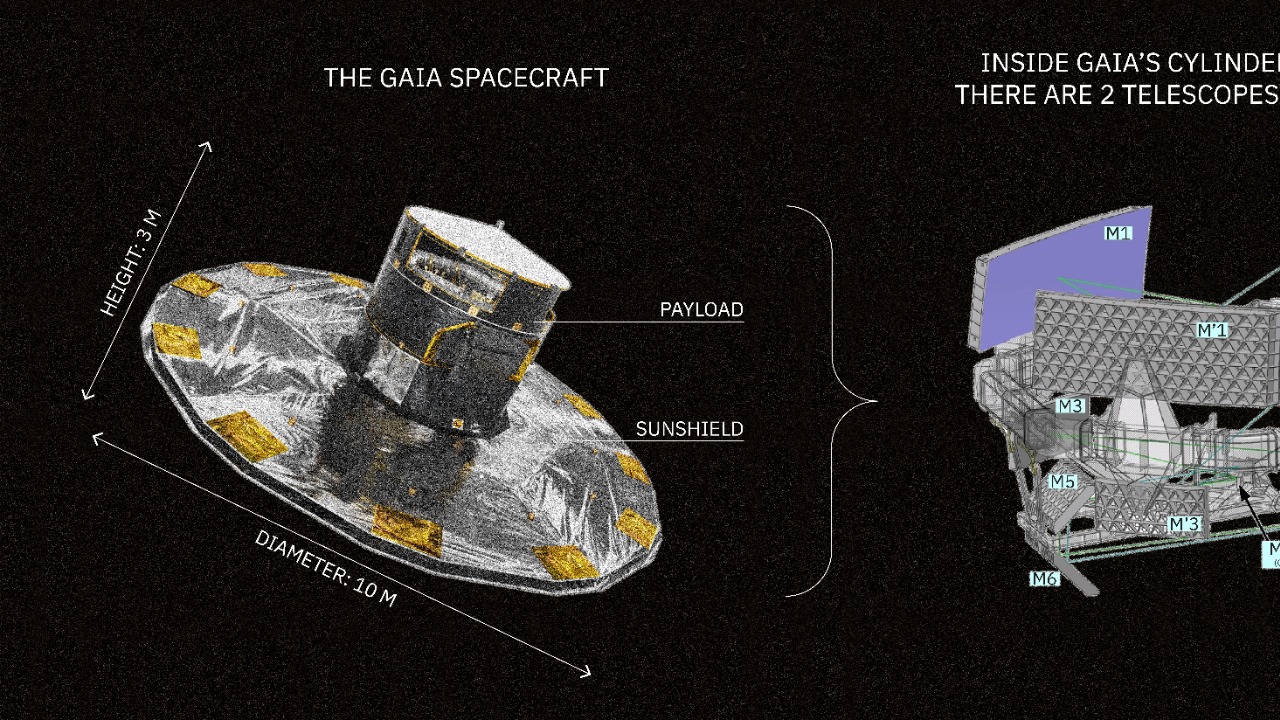
The European Space Agency’s Gaia mission is mapping the Milky Way with unprecedented precision. Since its launch in 2013, Gaia has been cataloging stars, creating a detailed 3D map of our galaxy. This map is helping scientists understand the Milky Way’s formation, structure, and evolution.
Gaia’s data have already led to groundbreaking discoveries, such as identifying new star clusters and tracing the paths of stars. Its ongoing mission will continue to enhance our understanding of the galaxy we call home, potentially revealing secrets about its past and future.
