In a baffling turn of events, six satellites have disappeared without a trace, leaving experts and enthusiasts alike searching for answers. These mysterious vanishings have sparked discussions across the globe, with theories ranging from technical malfunctions to extraterrestrial interference. The potential reasons and implications of these satellite disappearances are both intriguing and concerning.
The Mysterious Disappearance of Satellites
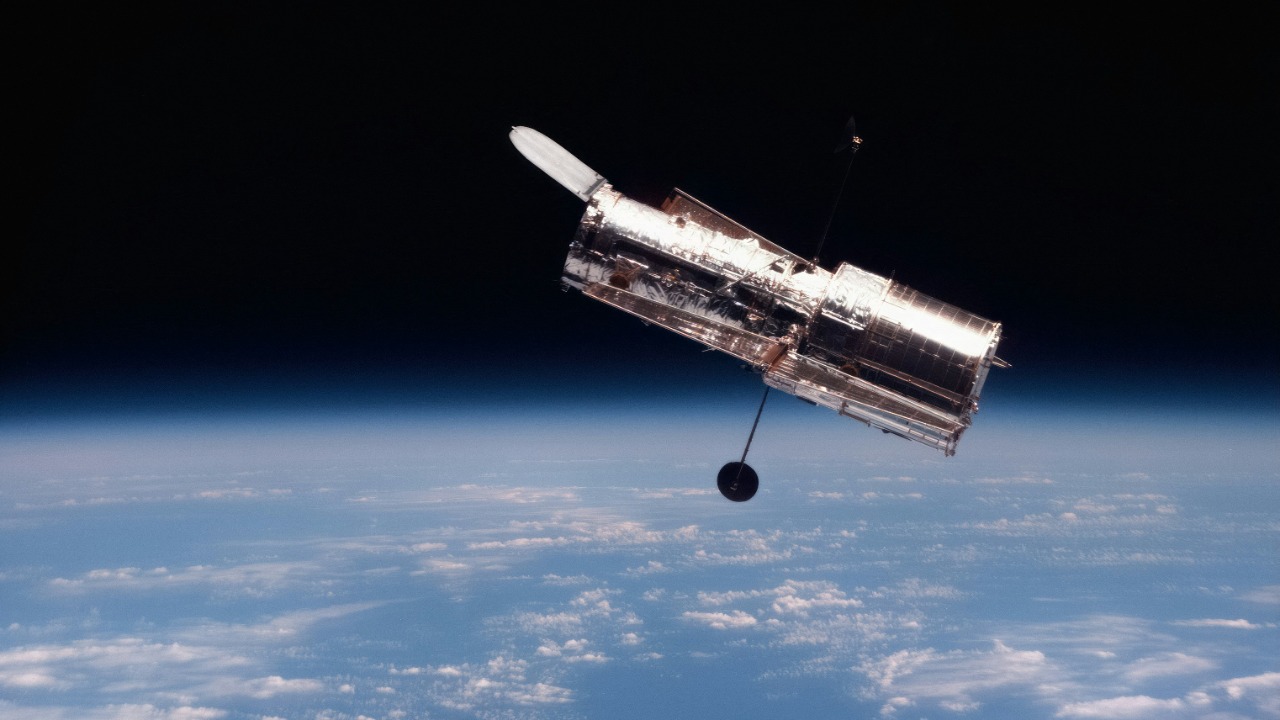
The disappearance of these satellites has puzzled the scientific community. Each satellite vanished under different circumstances, with timelines and last known positions varying, making it difficult to pinpoint a common cause. Initial reports suggest that technical malfunctions, accidental collisions, or possibly human error could be responsible. However, these explanations remain speculative and unconfirmed.
Historically, there have been incidents of satellite disappearances, such as the case of the NASA satellite that went missing in the 1990s. In most cases, resolutions have been found through extensive investigation and tracking. These past incidents provide a historical context that might offer insights into the current disappearances, although the outcomes this time remain uncertain.
The Role of Satellite Tracking Systems
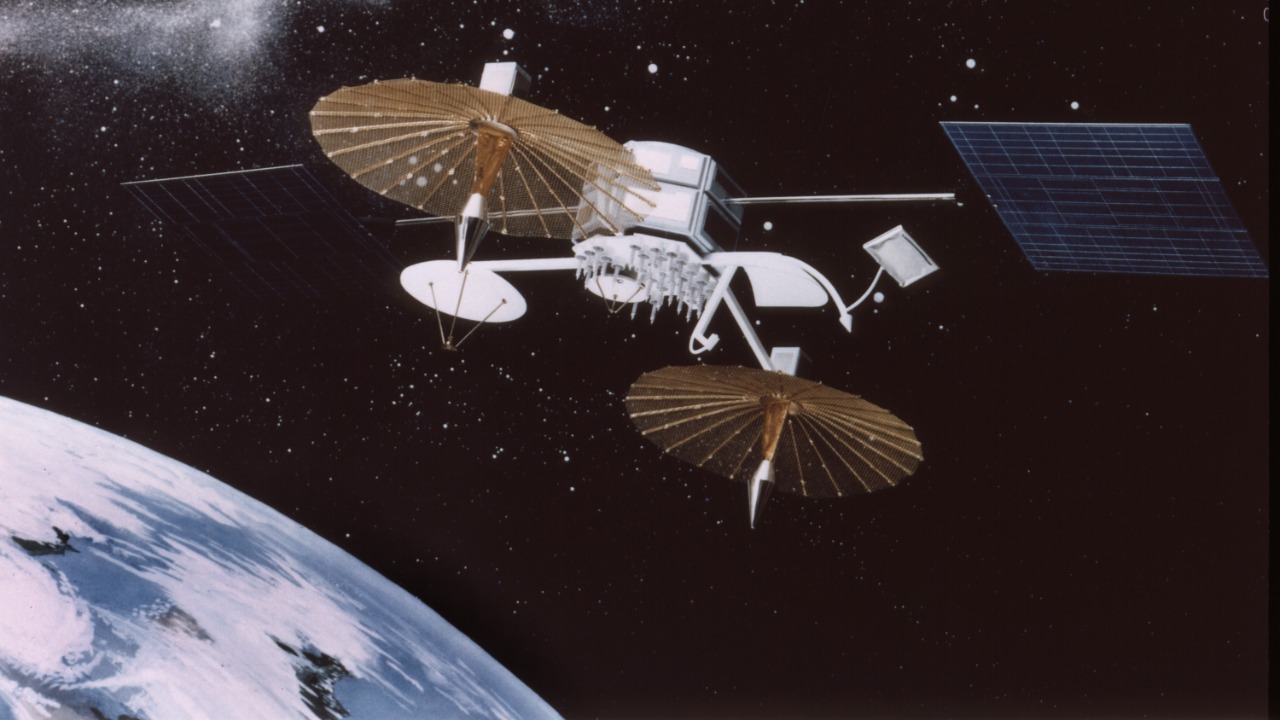
Satellite tracking systems are crucial for monitoring and managing the myriad objects orbiting Earth. These systems utilize radar and optical telescopes to track satellites’ positions and trajectories. However, they are not infallible. Limitations such as interference from space debris and atmospheric conditions can hinder their accuracy and effectiveness.
Recent advancements in tracking technology, like improved radar systems and AI-driven analytics, have enhanced our capabilities to monitor satellites. Yet, these advancements have not completely eliminated the challenges faced by tracking systems. Identifying and locating missing satellites is a complex task that requires constant technological improvements and international cooperation.
Theories and Speculations
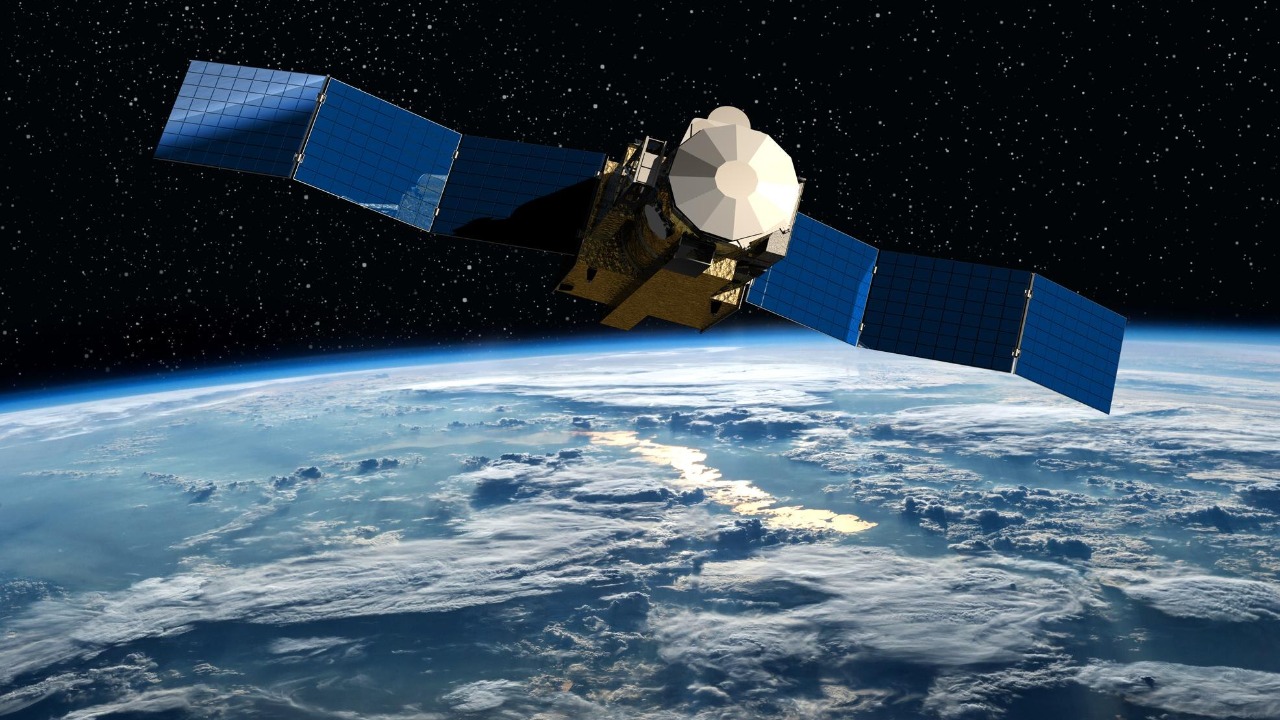
The sudden disappearance of multiple satellites has given rise to various theories and speculations. Some experts suggest technical failures, such as software glitches or hardware malfunctions, might be to blame. Human oversight could also play a role, with errors in command sequences potentially leading to loss of control.
Another consideration is space weather phenomena. Events like solar flares and geomagnetic storms can disrupt satellite operations and communications. There are also more unconventional theories involving extraterrestrial interference. While these theories capture public imagination, there is currently no evidence to support such claims.
The Impact on Global Communications and Security

The loss of communication satellites can have significant repercussions on global connectivity. Many countries rely on these satellites for internet, television, and telecommunication services. A disruption could affect millions, leading to economic and social impacts worldwide.
Security concerns are also paramount, as many countries depend on satellite data for defense and intelligence purposes. The loss of such satellites could compromise national security and hinder scientific research, including meteorological forecasting, which relies heavily on satellite data to predict weather patterns and natural disasters.
Efforts to Retrieve or Replace the Lost Satellites
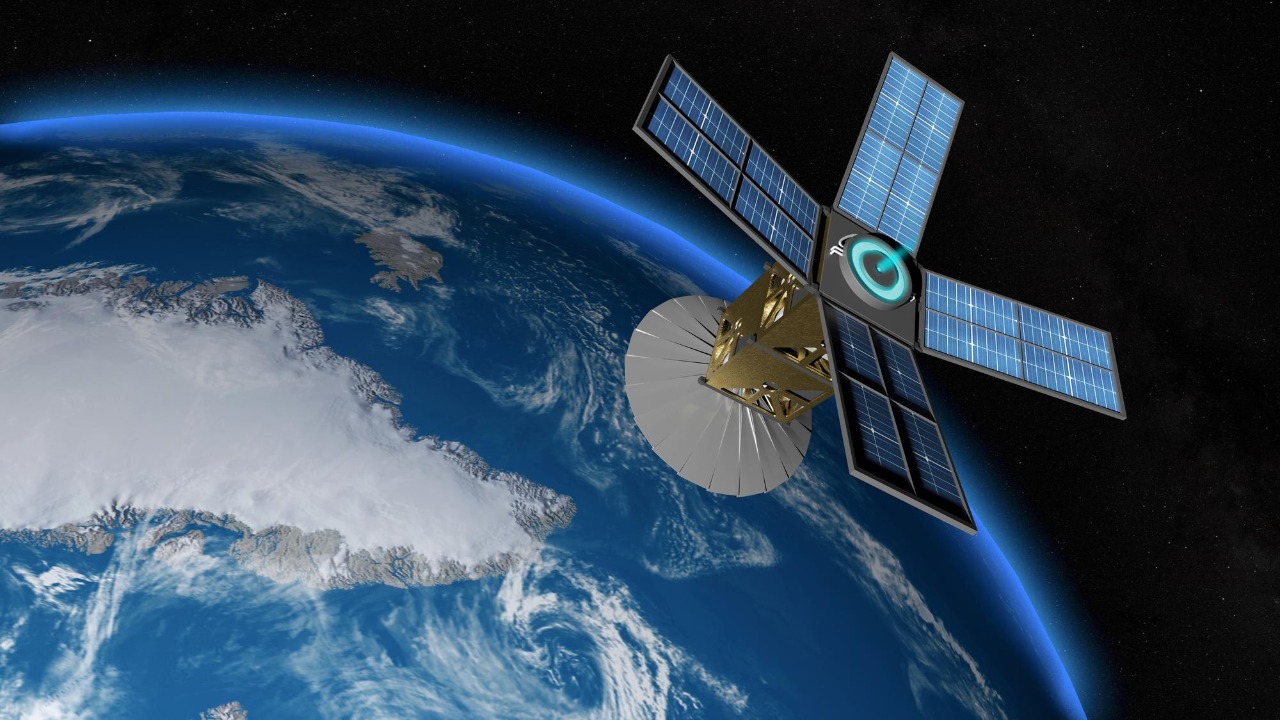
Space agencies worldwide are working diligently to locate the missing satellites. These efforts are crucial, not only for recovering the lost assets but also for understanding the causes behind their disappearance. The logistics involved in launching replacement satellites are complex and costly, requiring significant resources and coordination.
To address these challenges, collaborations between countries and private companies are being explored. Joint ventures and shared technological resources could expedite the process of replacing lost satellites and prevent similar incidents in the future. The cost of launching new satellites is a considerable factor, necessitating efficient and innovative solutions.
Lessons Learned and Future Precautions

The disappearance of these satellites offers valuable lessons for the future. Insights gained from this incident can inform the design and execution of upcoming satellite missions. Enhancing the robustness of satellite systems and improving error detection protocols are vital steps in mitigating the risk of future disappearances.
International cooperation in satellite monitoring and recovery is essential. By sharing data and resources, countries can enhance their collective ability to track and recover lost satellites. Innovations in satellite design and deployment, such as more resilient hardware and smarter software systems, will be key in preventing future disappearances and ensuring the reliability of our space infrastructure.
