
As humanity continues its journey into the cosmos, the prospect of conflict in space is becoming increasingly plausible. With technological advancements, international competition, and economic interests at stake, the stage is set for potential confrontations beyond Earth’s atmosphere. Here are six reasons why the next major war might be fought in space.
Technological Advancements in Space Weaponry
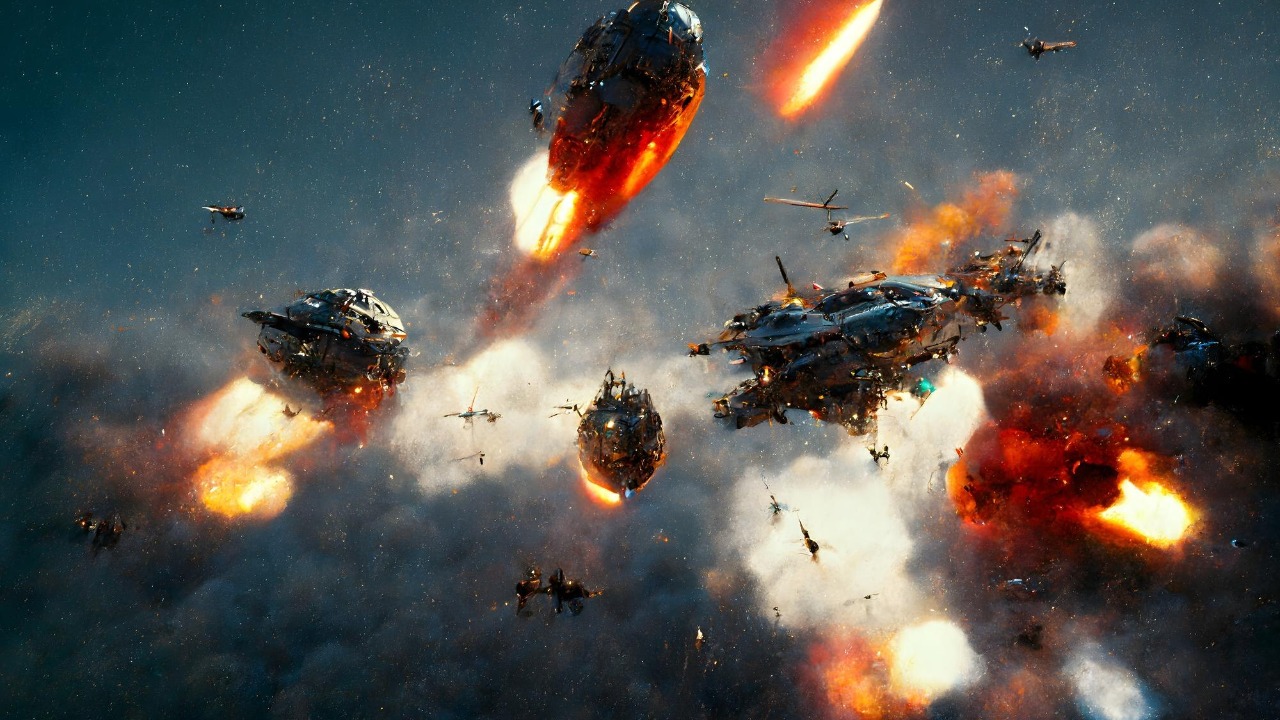
Recent advancements in space weaponry have heightened the potential for space-based conflicts. Nations are investing heavily in technologies such as anti-satellite weapons and orbital defense systems. These innovations are not only reshaping military strategies but also raising concerns about the weaponization of space.
As countries develop these capabilities, the risk of a space arms race increases. The potential for destruction is immense, given the critical role satellites play in global communications and military operations. The evolving landscape of space technology necessitates a reevaluation of international treaties and agreements to prevent an escalation of conflict.
Strategic Military Advantages of Space Dominance
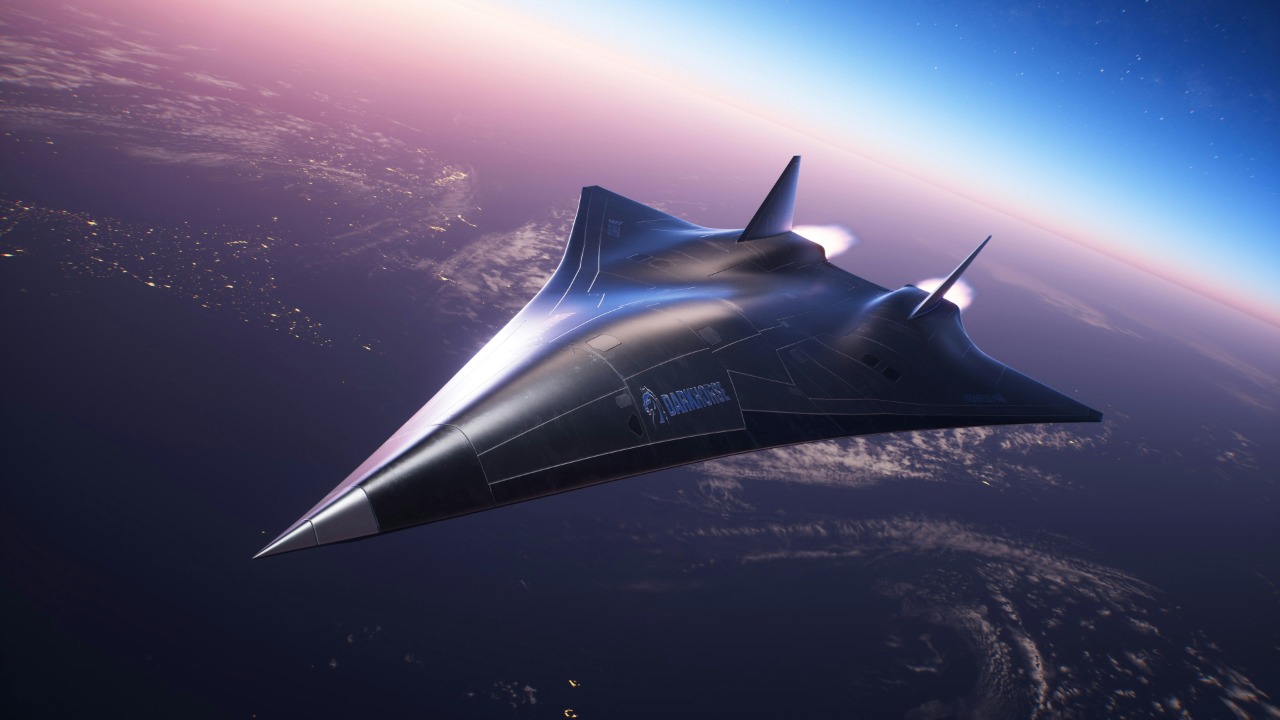
Space dominance offers unparalleled strategic military advantages. Control over space assets can enhance a nation’s surveillance, reconnaissance, and communication capabilities. Military strategists recognize that superiority in space could translate to increased terrestrial dominance, making space the ultimate high ground.
Efforts to establish a permanent presence in space are not just about exploration; they also involve securing a strategic advantage. The race to establish space dominance can potentially lead to conflicts as nations vie to protect their interests and assert control over critical space infrastructures.
Increasing Tensions Over Satellite Control
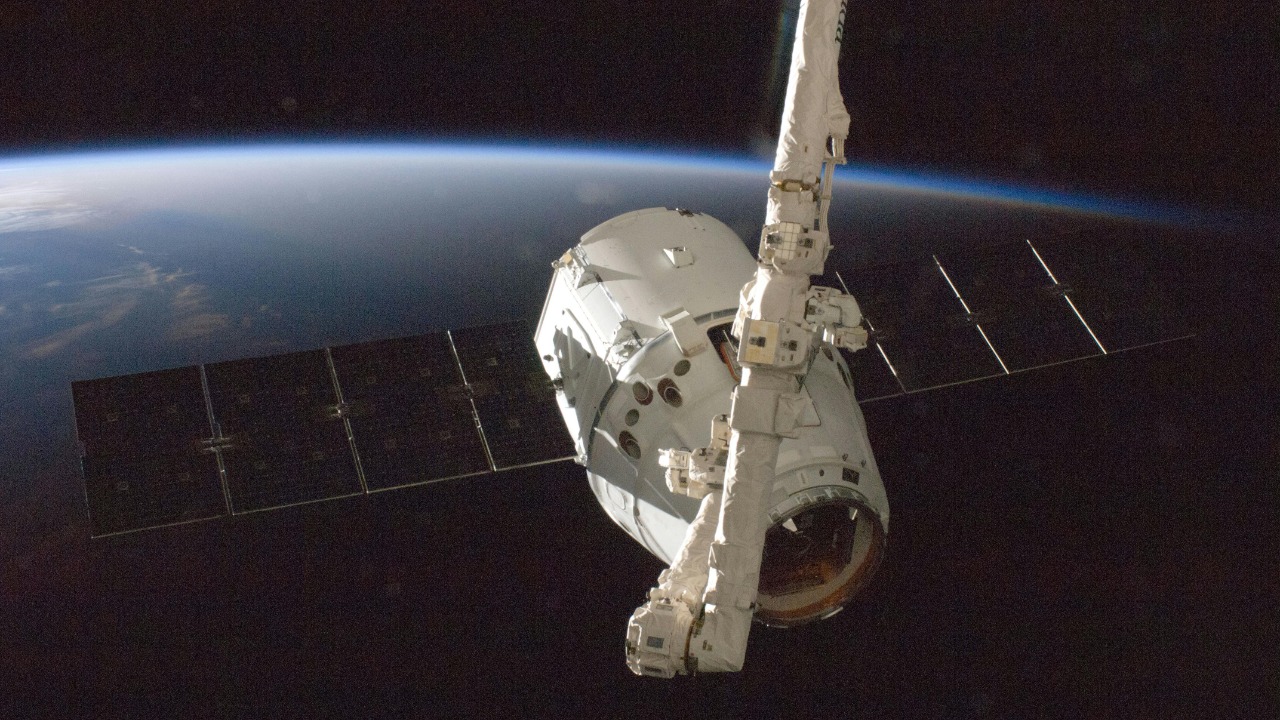
Satellites are the backbone of modern communication, navigation, and surveillance systems. The increasing dependency on these orbital assets has made them a focal point for international tensions. Countries are investing in technologies to disrupt or destroy satellites, leading to a precarious situation where a single incident could escalate into a broader conflict.
These tensions are exacerbated by the lack of comprehensive international regulations governing the use of space. As nations continue to develop capabilities to interfere with satellites, the potential for misunderstandings or accidental conflicts becomes more pronounced, highlighting the urgent need for diplomatic solutions.
The Rise of Space-Faring Nations

The number of space-faring nations is on the rise, with countries like China, India, and private enterprises joining the ranks of established space powers. This diversification of space actors increases the complexity of international relations and the potential for conflict.
With more players in space, the competition for strategic positioning and resource acquisition intensifies. This dynamic, coupled with national pride and geopolitical ambitions, creates an environment ripe for conflict as countries strive to secure their place in the space hierarchy.
Economic Interests in Extraterrestrial Resources
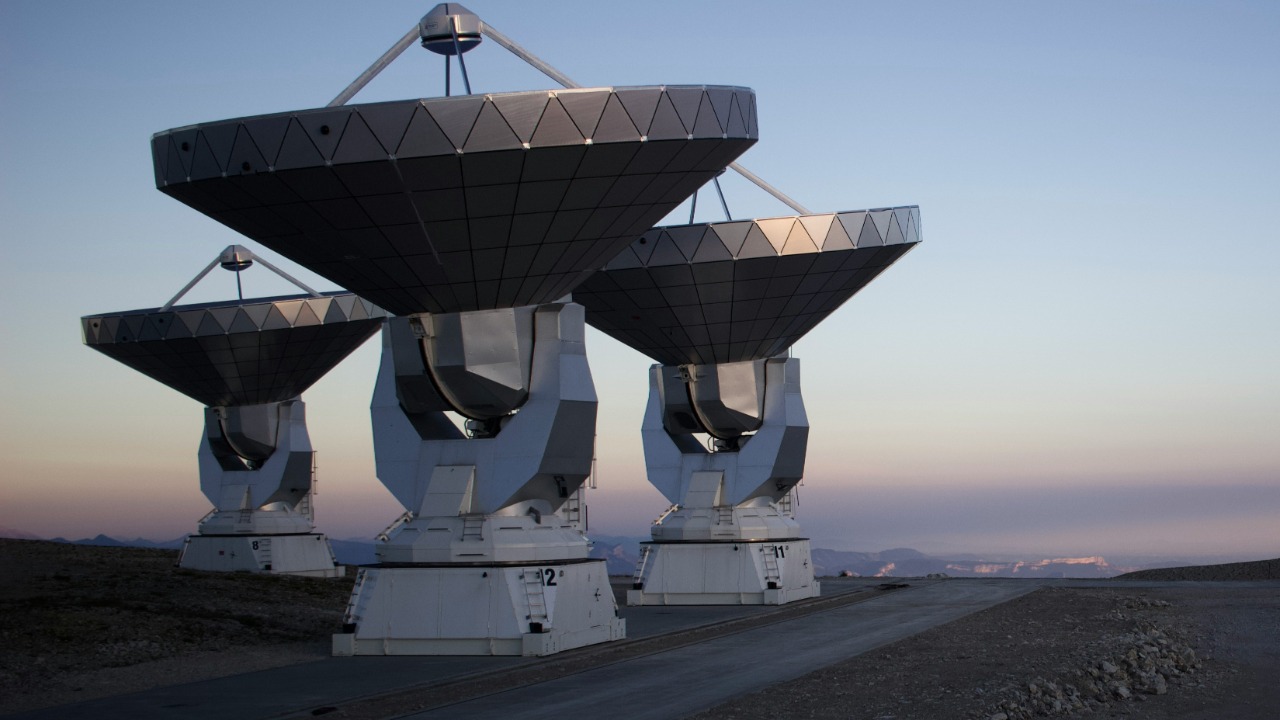
There is a growing economic interest in the exploitation of extraterrestrial resources. Asteroids and other celestial bodies contain valuable minerals that could revolutionize industries on Earth. As technology advances, the feasibility of mining these resources becomes more realistic.
This potential wealth creates a new frontier for competition, with nations and corporations eager to stake their claims. The race to secure these resources could lead to conflicts, especially in the absence of clear international guidelines on the ownership and utilization of space resources.
Vulnerabilities in Global Communication Networks
The increasing reliance on space-based communication networks presents significant vulnerabilities. Disruptions to these systems could have catastrophic effects on global economies and military operations. As nations recognize the critical nature of these infrastructures, they are investing in both defensive and offensive capabilities.
The potential for conflict arises as countries seek to protect their communication networks while also developing the means to disrupt those of their adversaries. The balance of power in space is delicate, with the potential for even minor incidents to escalate into full-blown conflicts.
