As technology advances, so do the tools and capabilities of military and surveillance devices. DARPA’s latest drone innovation pushes the boundaries of what we can achieve in aerial technology. While these advancements are impressive, they also come with potential concerns that affect privacy, security, and ethical considerations.
1. Advanced Autonomy Capabilities
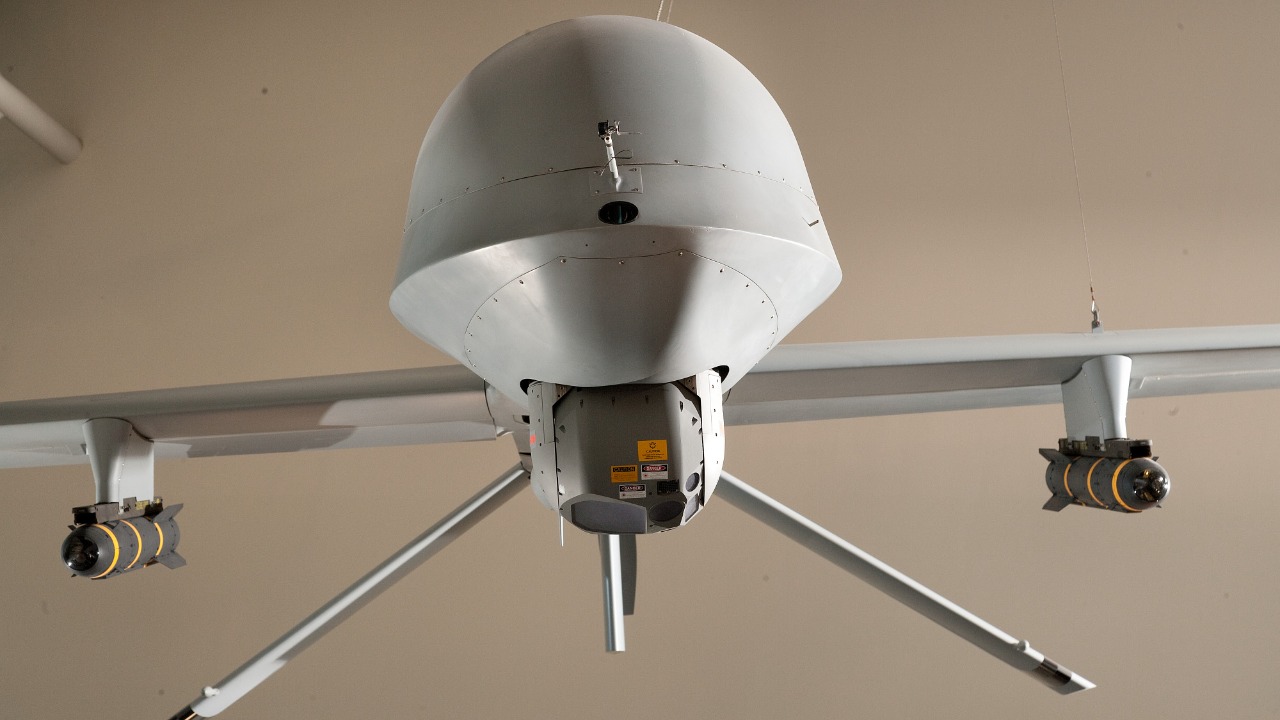
One of the most striking features of DARPA’s new drone is its advanced autonomy capabilities. This drone can operate independently, making decisions on navigation and mission objectives without human intervention.
While this reduces the need for constant human oversight, it also raises questions about the potential for unintended actions or errors during missions. The prospect of machines making critical decisions in real-time is both awe-inspiring and unnerving.
2. Enhanced Surveillance Features
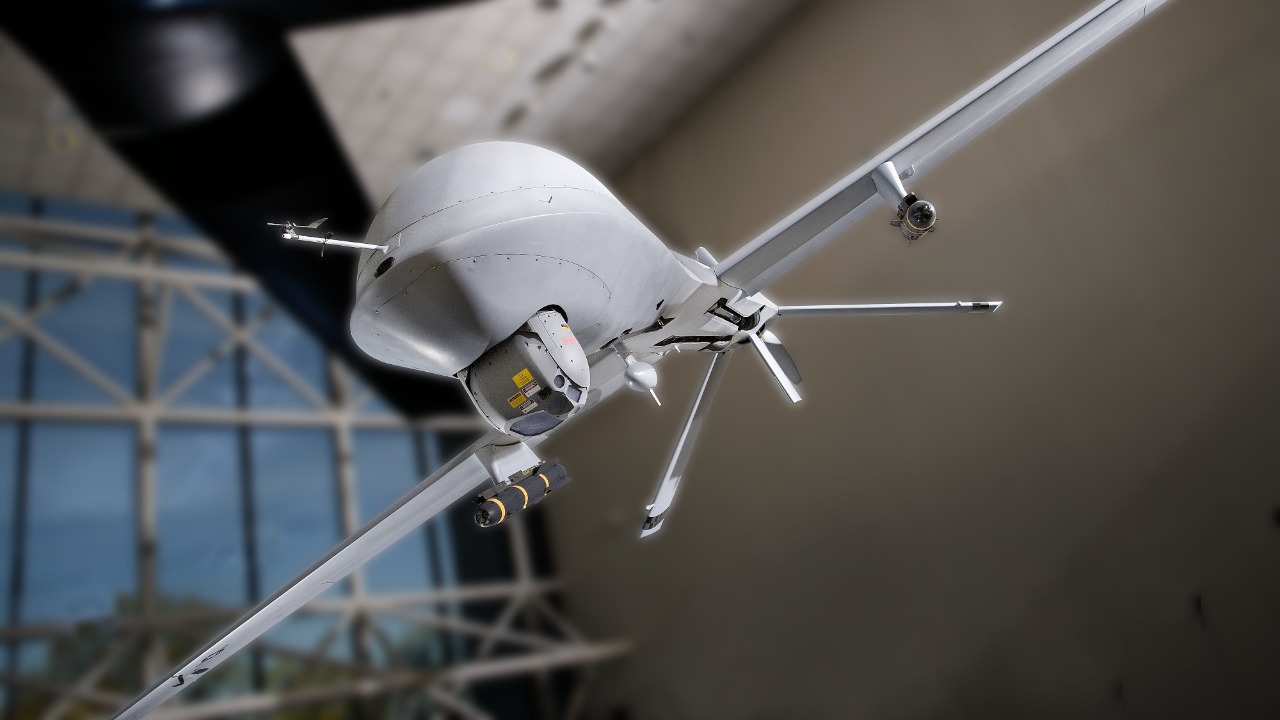
Equipped with next-generation surveillance technology, this drone can capture high-definition images and videos from miles away. Its ability to gather comprehensive data through gigapixel cameras makes it a formidable tool for intelligence and reconnaissance missions. However, such capabilities also pose significant privacy concerns.
The potential for misuse in monitoring civilian populations is a worrying possibility that cannot be ignored.
3. Stealth Technology Integration
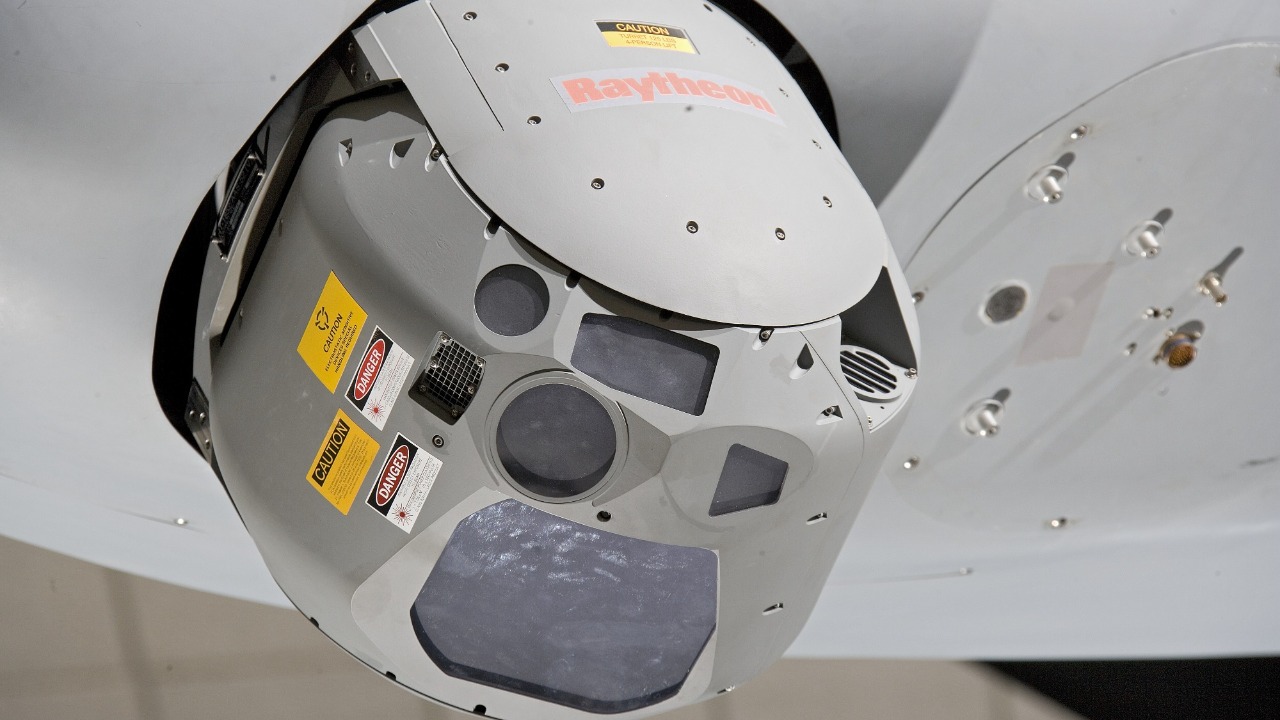
The integration of advanced stealth technology ensures that this drone can operate undetected in various environments. This ability to remain invisible to radar and other detection methods makes it a powerful asset in military operations. On the flip side, the potential for such technology to be used in covert surveillance activities raises ethical questions about transparency and accountability.
4. Weaponization Potential
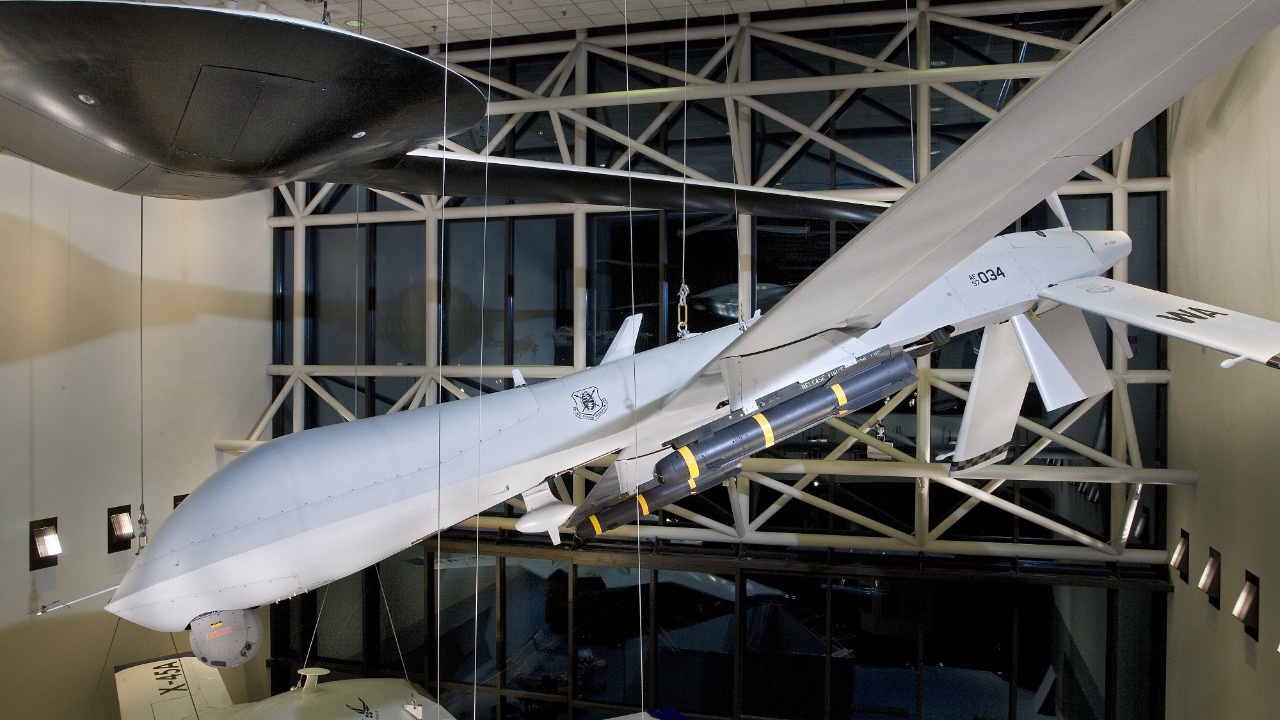
While DARPA’s drone is primarily designed for surveillance, its design allows for potential weaponization. The ability to equip drones with offensive capabilities could transform them into powerful tools of warfare.
This raises serious ethical and legal questions about the deployment of autonomous weapons systems and the potential for escalation in conflict zones. The blurring lines between surveillance and combat roles add to the complexity of international regulations.
5. Swarm Coordination Abilities
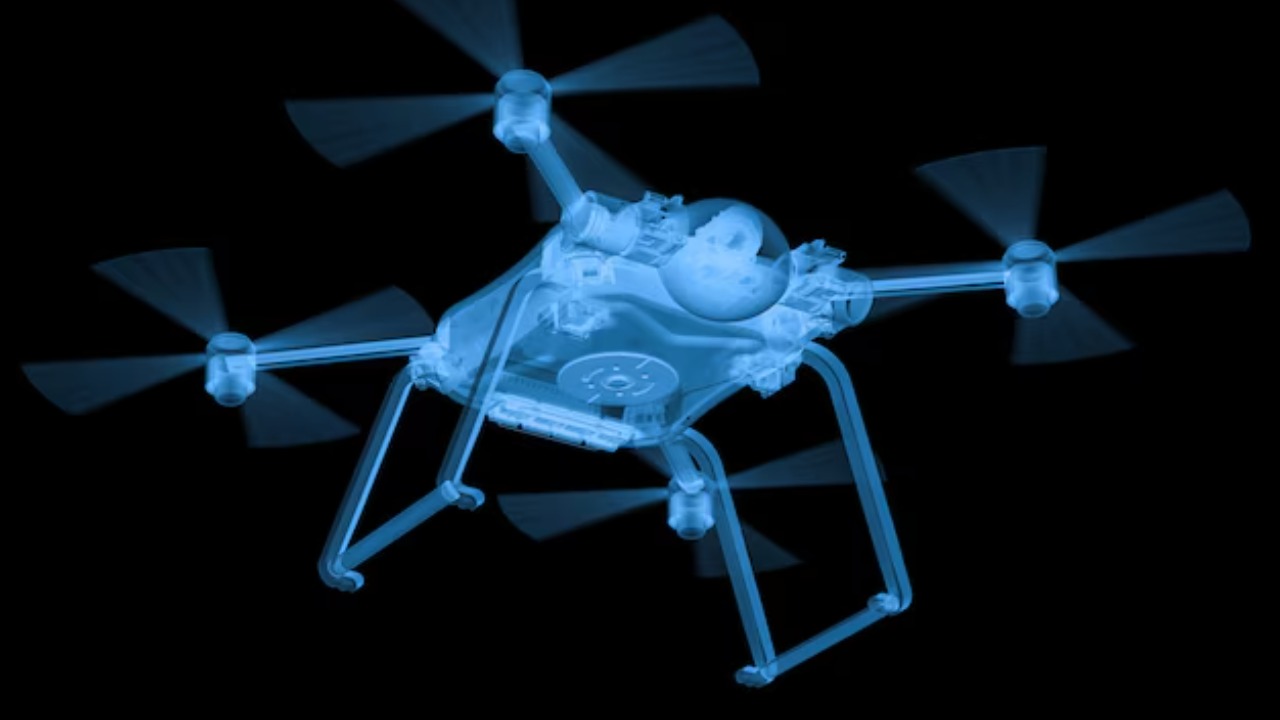
One of the most futuristic aspects of this drone is its ability to coordinate with other drones in a swarm. This capability allows for complex operations that involve multiple drones working in unison to achieve a shared goal.
While this technology can be used for humanitarian purposes, such as search and rescue missions, it also has potential military applications that could change the face of warfare.
6. Cybersecurity Vulnerabilities
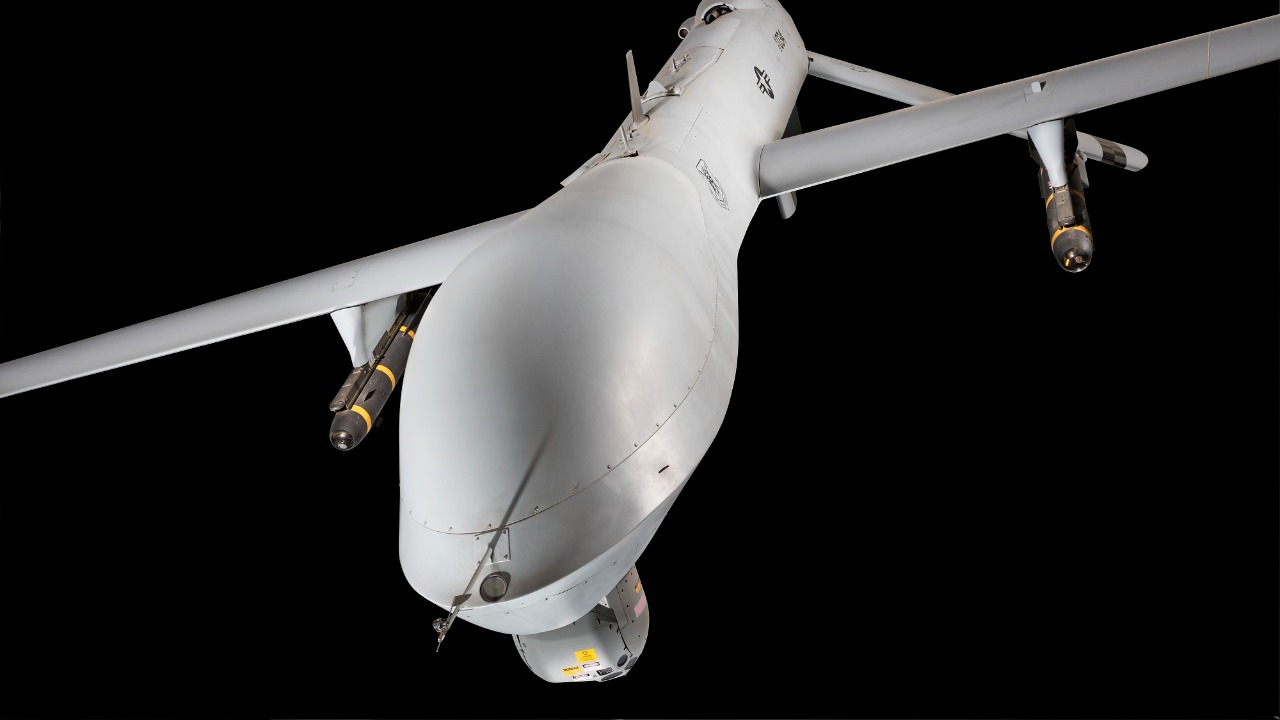
Despite its advanced features, the drone is not immune to cybersecurity threats. As with any digital system, there are potential vulnerabilities that could be exploited by malicious actors. The possibility of hacking into these systems poses significant security risks. Ensuring robust cybersecurity measures are in place is crucial to prevent unauthorized access and control over these sophisticated machines.
