
As technology advances, we’re seeing smart speakers integrated into everyday life. However, these devices are not immune to security risks. In this piece, we delve into the potential vulnerabilities of six popular smart speakers on the market today.
Amazon Echo: Potential Privacy Concerns
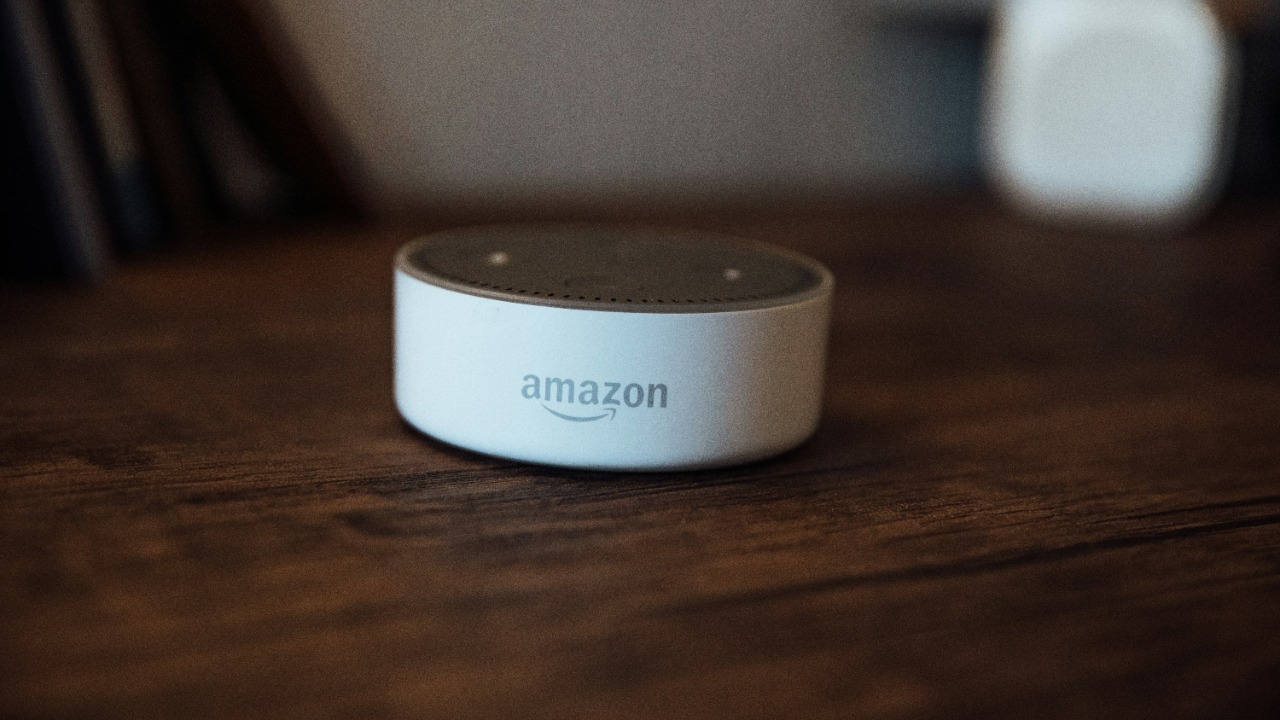
Amazon Echo, popularly known as Alexa, has been a game-changer in the smart speaker industry. However, these devices come with their share of security concerns. The Echo’s always-on microphones, for instance, can inadvertently record personal conversations, leading to potential privacy issues. Research has shown that these recordings can be accessed by hackers or even used by Amazon for targeted advertising.
Additionally, the Echo’s integration with other Amazon services can make users’ data vulnerable if not properly secured. In response to these concerns, Amazon has added features like voice recognition and the ability to delete recordings, but users should remain cautious.
Google Home: Security Flaws Identified
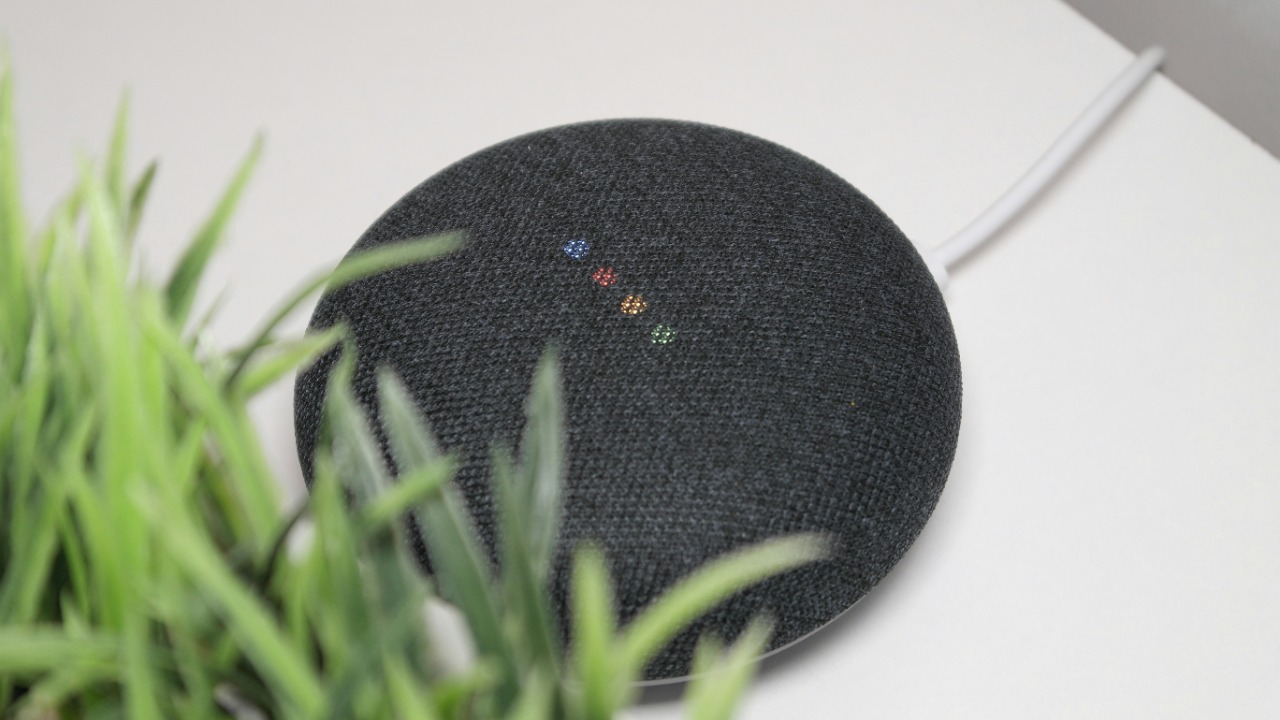
Google Home, another top contender in the smart speaker industry, has also been flagged for potential security risks. Some of these vulnerabilities stem from the device’s microphone, which, like the Amazon Echo, is always listening. This opens up the possibility for unwanted eavesdropping.
Moreover, the Google Home’s integration with Google’s other services can pose a risk if these accounts are compromised. Google has made steps to address these concerns, with measures such as two-factor authentication, but users should still be vigilant about their security settings.
Sonos One: Vulnerabilities in Security Systems
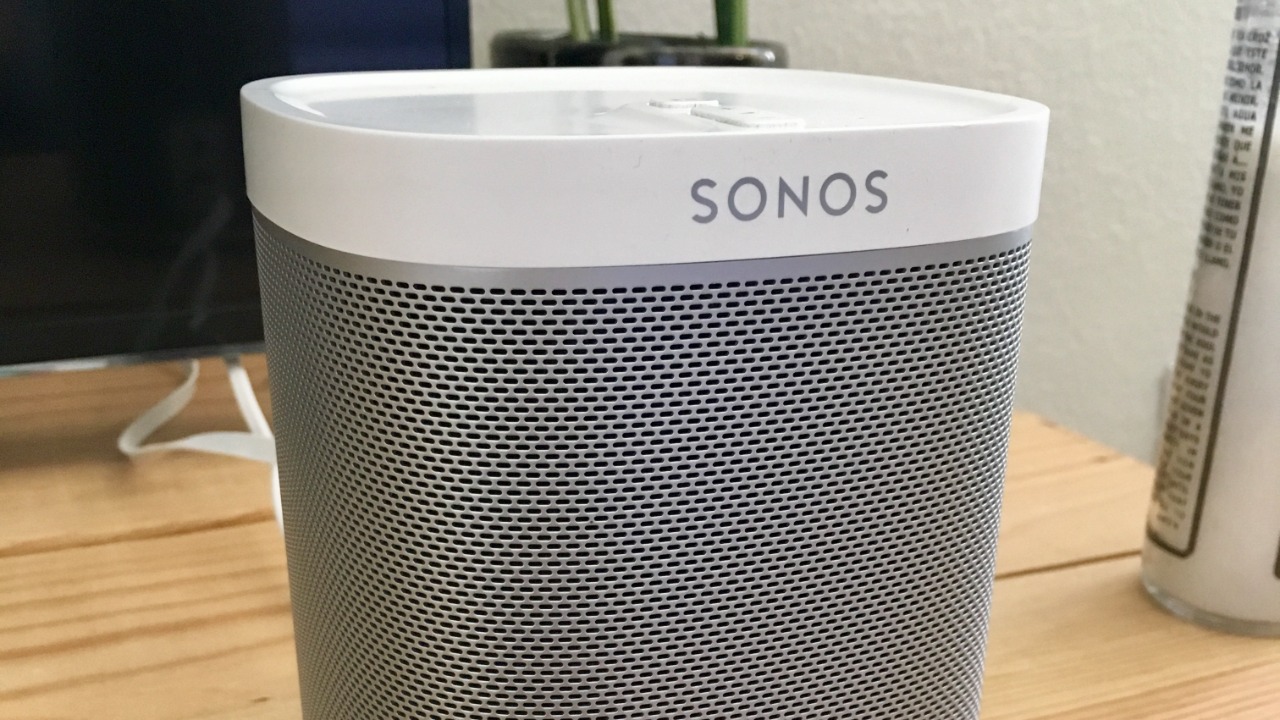
The Sonos One has garnered attention for its superior sound quality, but it’s not without its potential security flaws. Attacks on the device’s system could potentially allow hackers to take control of the speaker, leading to serious privacy concerns. It’s therefore essential that users apply all software updates promptly to protect against these vulnerabilities.
Apple HomePod: Risks Associated with Data Breaches
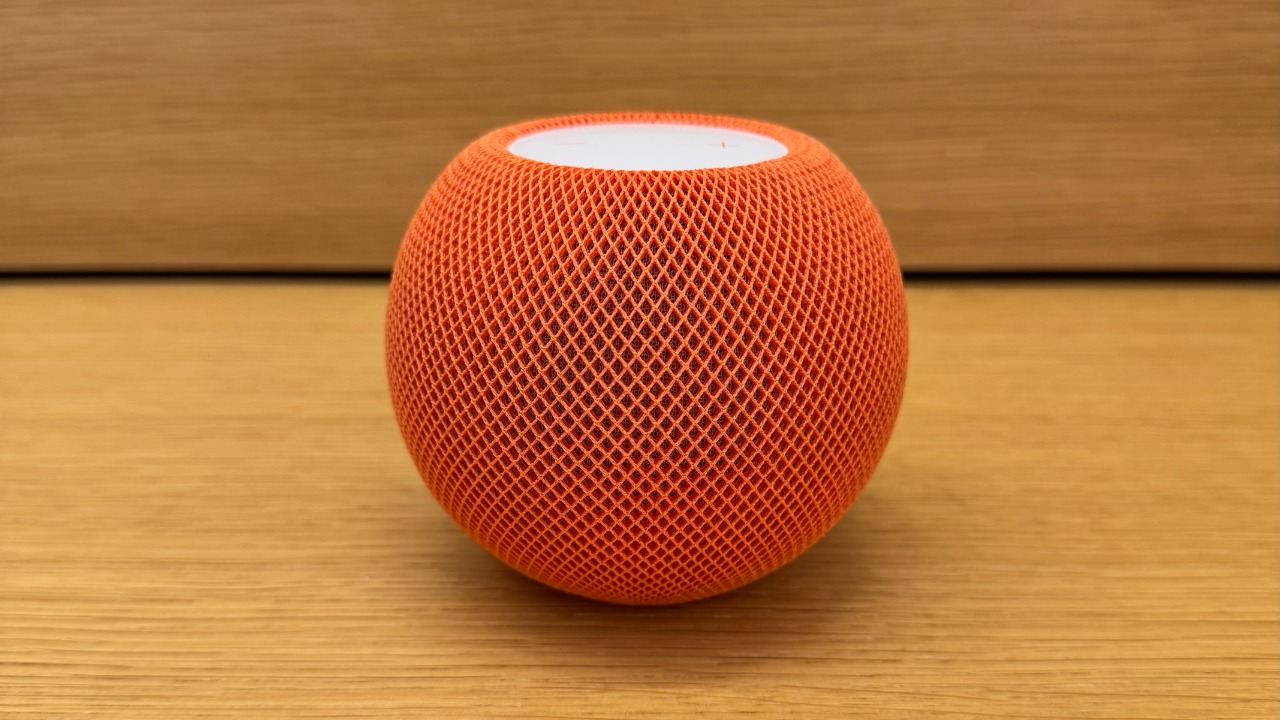
The Apple HomePod is known for its seamless integration with Apple’s ecosystem, but this connectivity can also pose security risks. If an attacker gains access to a user’s Apple ID, they could potentially access personal data stored on the HomePod. Apple has taken steps to mitigate these risks, but users should be proactive about their security settings, especially if they use their HomePod for sensitive tasks.
Bose Home Speaker 500: Possible Cybersecurity Threats
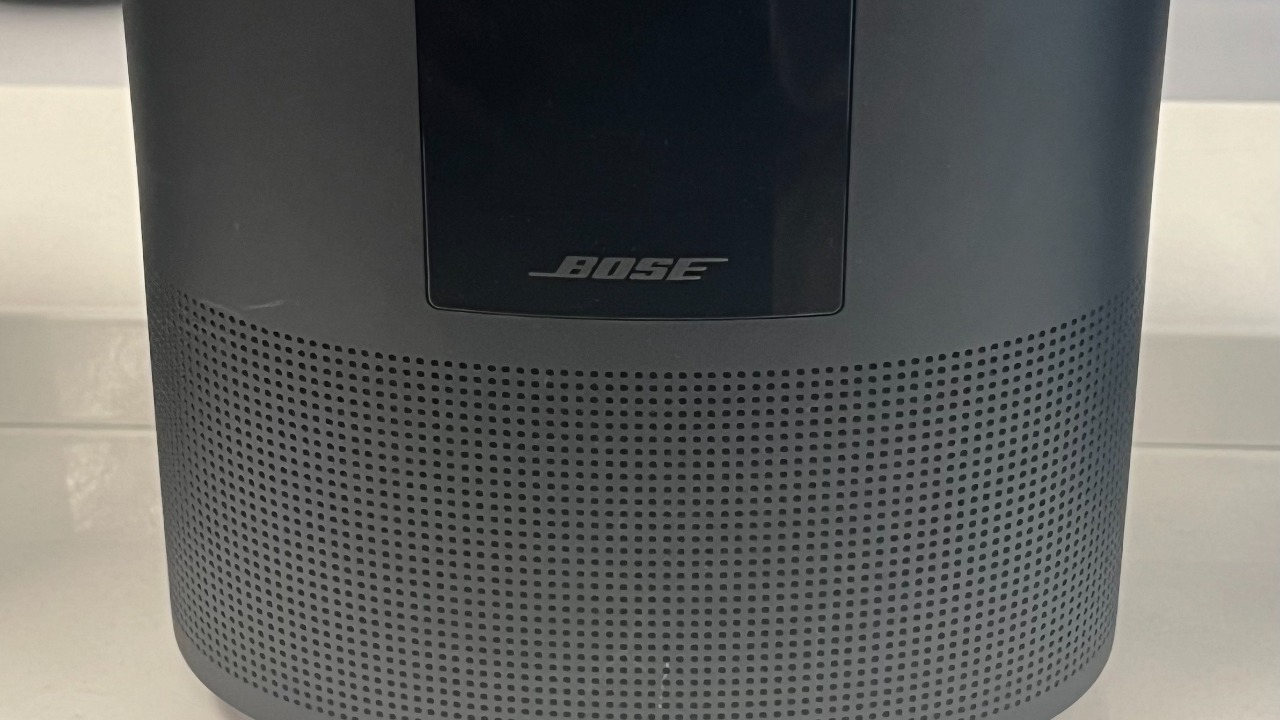
The Bose Home Speaker 500 is lauded for its audio quality but has been flagged for potential cybersecurity threats. These risks could allow hackers to gain access to personal information stored on the device. Bose has acknowledged these concerns and advises users to regularly update their speakers’ firmware to ensure the highest level of security.
Harman Kardon Invoke: Uncovered Security Issues
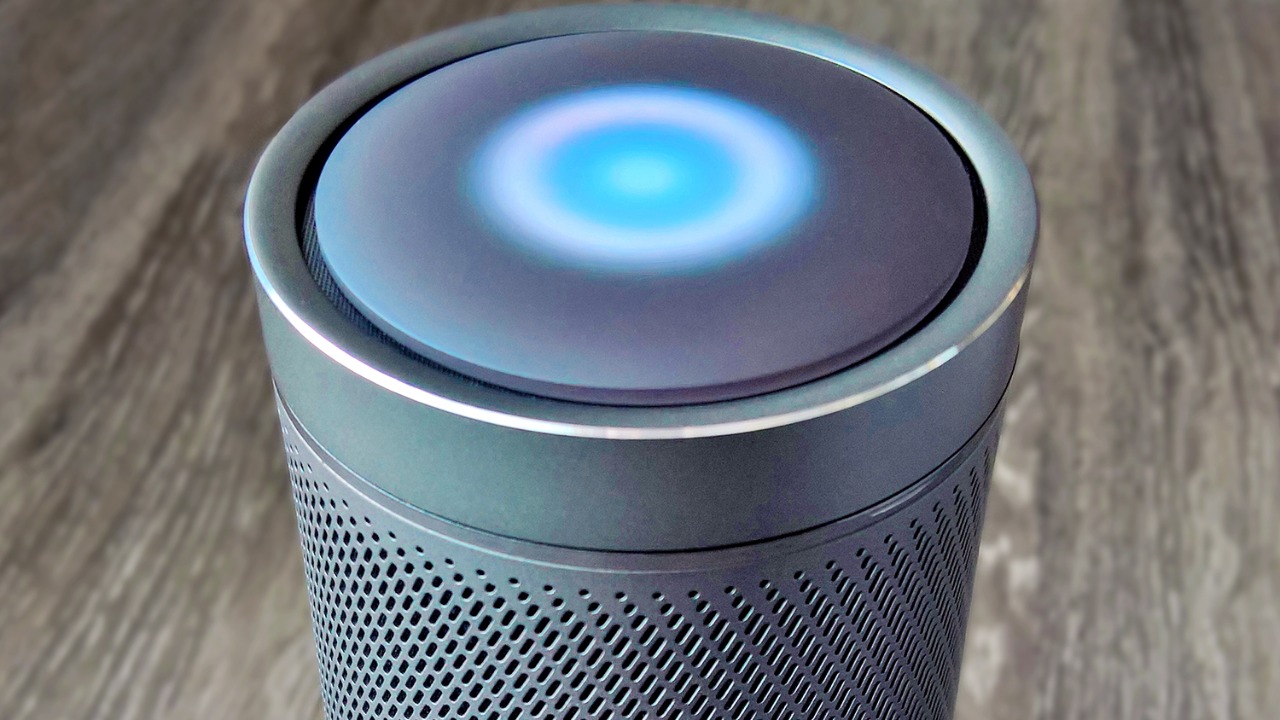
The Harman Kardon Invoke, known for its integration with Microsoft’s Cortana, has also been flagged for security concerns. The speaker’s ability to connect with other devices in a smart home setup can pose risks if these connections are not properly secured. Experts recommend placing smart speakers in less accessible areas of the home to mitigate these risks.
