
In recent years, automakers have been re-evaluating the features that go into their vehicles. While technological advancements continue to introduce new innovations, some beloved features are getting the axe. Here’s a look at six popular features that are being phased out by automakers.
Manual Transmissions
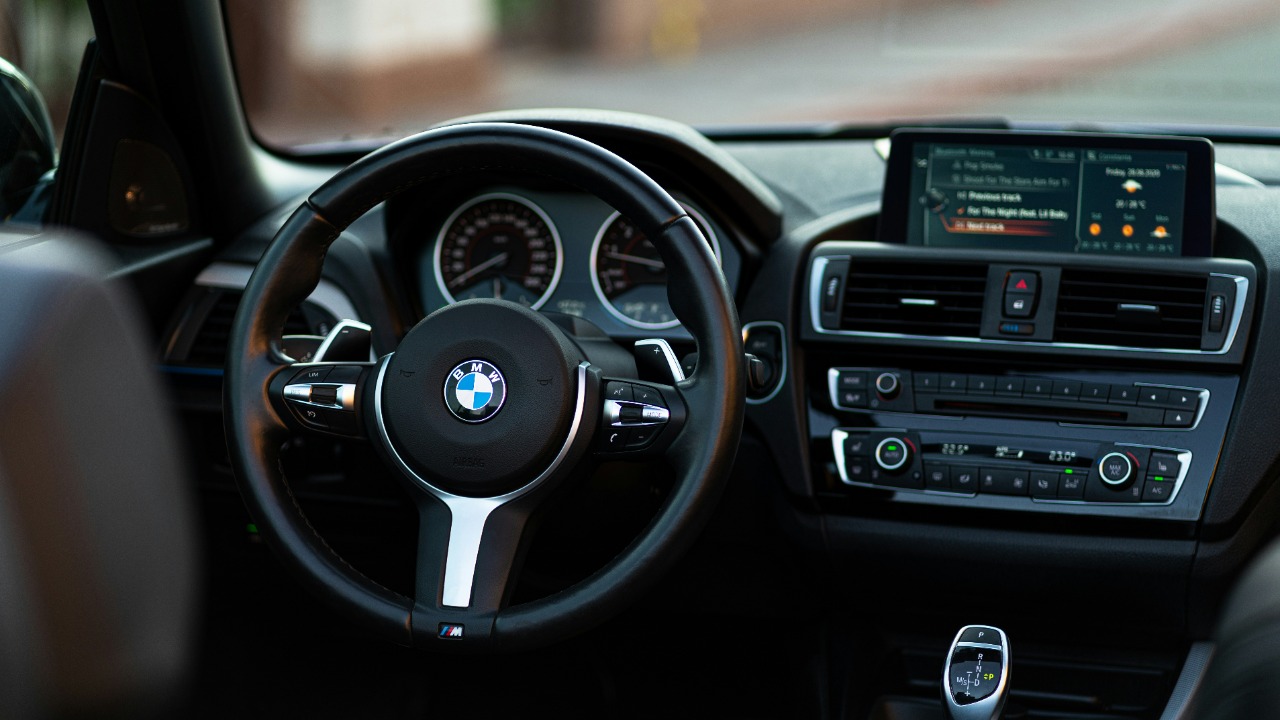
For driving enthusiasts, manual transmissions have long been a preferred choice for the control and engagement they offer. However, automakers are increasingly discontinuing manual options in favor of automatic transmissions. The shift is largely due to the demand for convenience, improved fuel efficiency, and the growing prevalence of electric vehicles, which do not require traditional gear shifting.
While some purists mourn the loss of the stick shift, the writing has been on the wall for some time. According to an academic study, the decline of manual transmissions stems from the broad appeal of automatic and semi-automatic gearboxes that cater to a wider audience.
CD Players
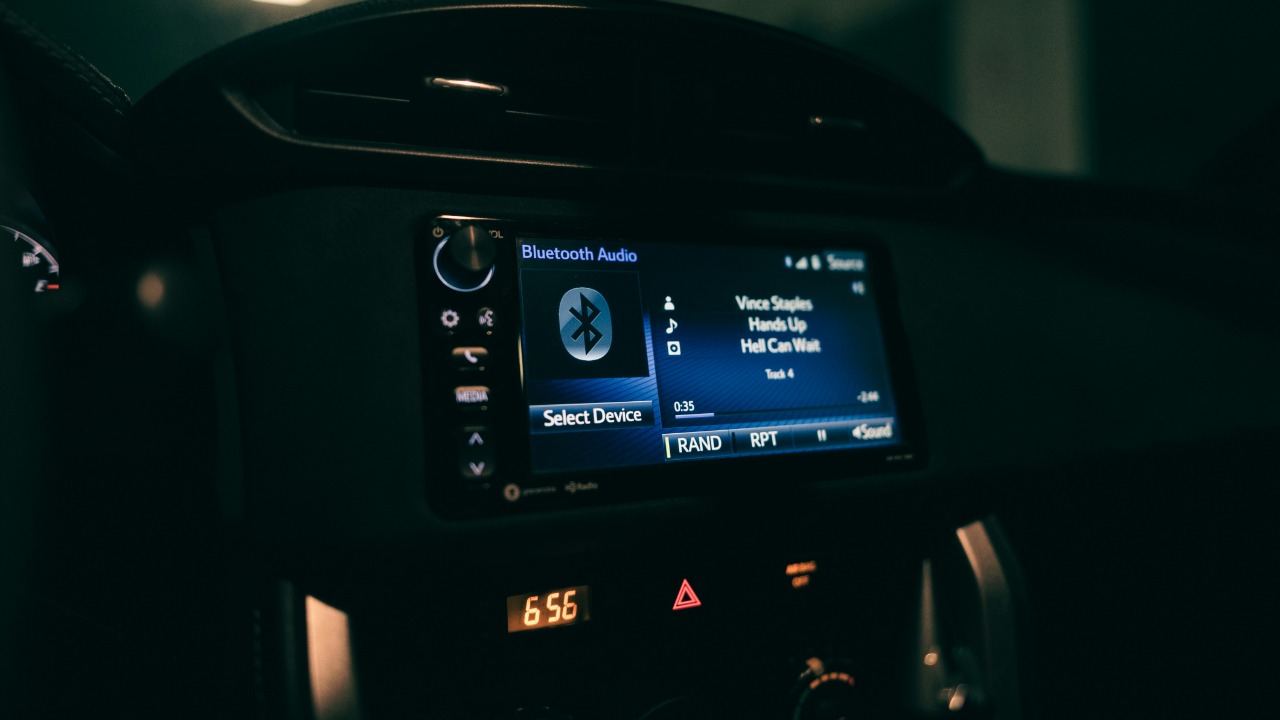
Once a staple in car entertainment systems, CD players are now becoming a rarity. As streaming services and Bluetooth technology dominate the market, the need for physical media has diminished. Automakers are opting to replace CD players with more modern infotainment systems that offer a range of digital options.
The transition reflects broader consumer trends towards digital media consumption. According to a report, removing CD players allows car manufacturers to streamline dashboards and reduce production costs.
Touchscreen Control Knobs
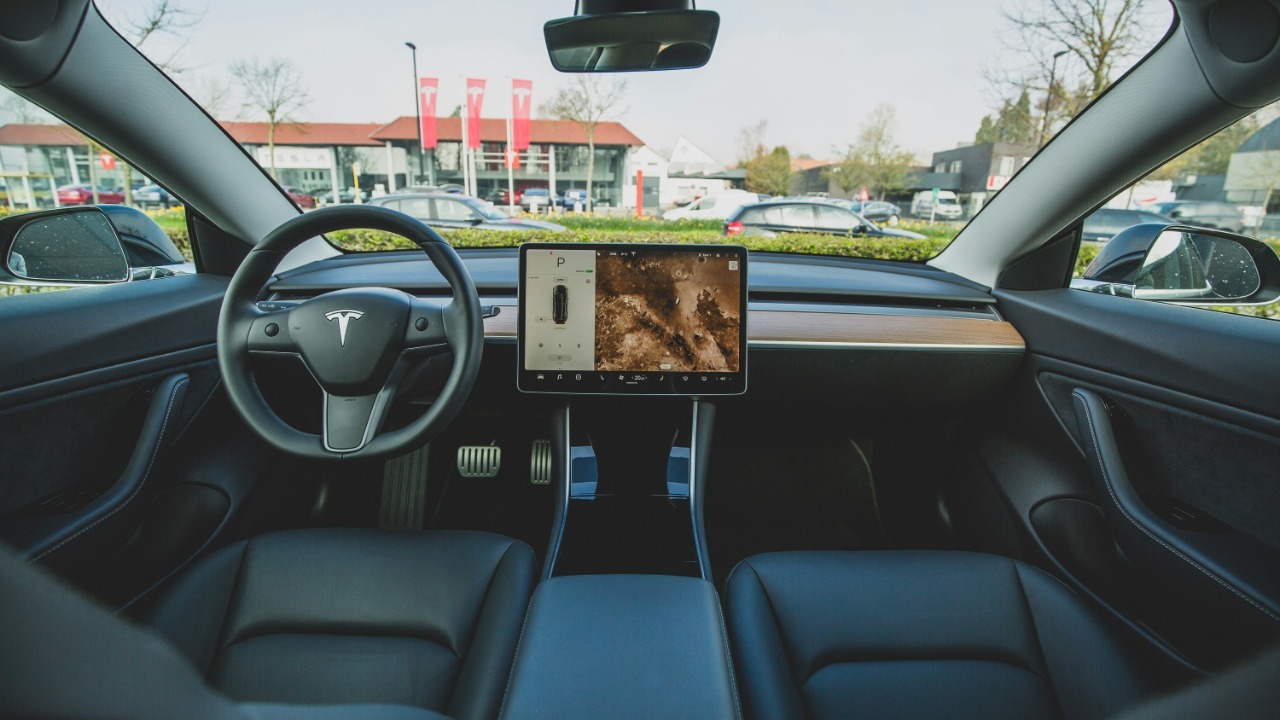
The shift towards minimalist design has led many automakers to eliminate physical knobs for touchscreen controls. While touchscreens offer a sleek, modern look, they can be challenging to operate without taking eyes off the road, raising concerns about driver distraction.
Despite the aesthetic and tech appeal, some consumers prefer the tactile feedback of traditional knobs. As automakers continue to experiment with user interfaces, the debate over the best approach to controls is likely to persist.
Spare Tires

In an effort to reduce weight and improve fuel efficiency, many manufacturers are eliminating spare tires from their vehicles. Instead, they provide tire repair kits or run-flat tires as alternatives. While this change can enhance performance and save space, it leaves some drivers feeling unprepared for roadside emergencies.
The absence of a spare tire can be inconvenient, especially in remote areas where towing services are scarce. The trend is indicative of a broader move towards efficiency and cost-saving measures in automotive design.
V8 Engines

With stricter emissions regulations and a shift towards sustainability, V8 engines are starting to disappear from many lineups. Automakers are focusing on smaller, turbocharged engines and hybrids to meet environmental standards and consumer demand for improved fuel efficiency.
While the roar of a V8 engine remains a powerful draw for car enthusiasts, the industry’s future is increasingly electric. This transition reflects the growing momentum towards alternative propulsion systems that promise both performance and eco-friendliness.
Physical Climate Control Buttons
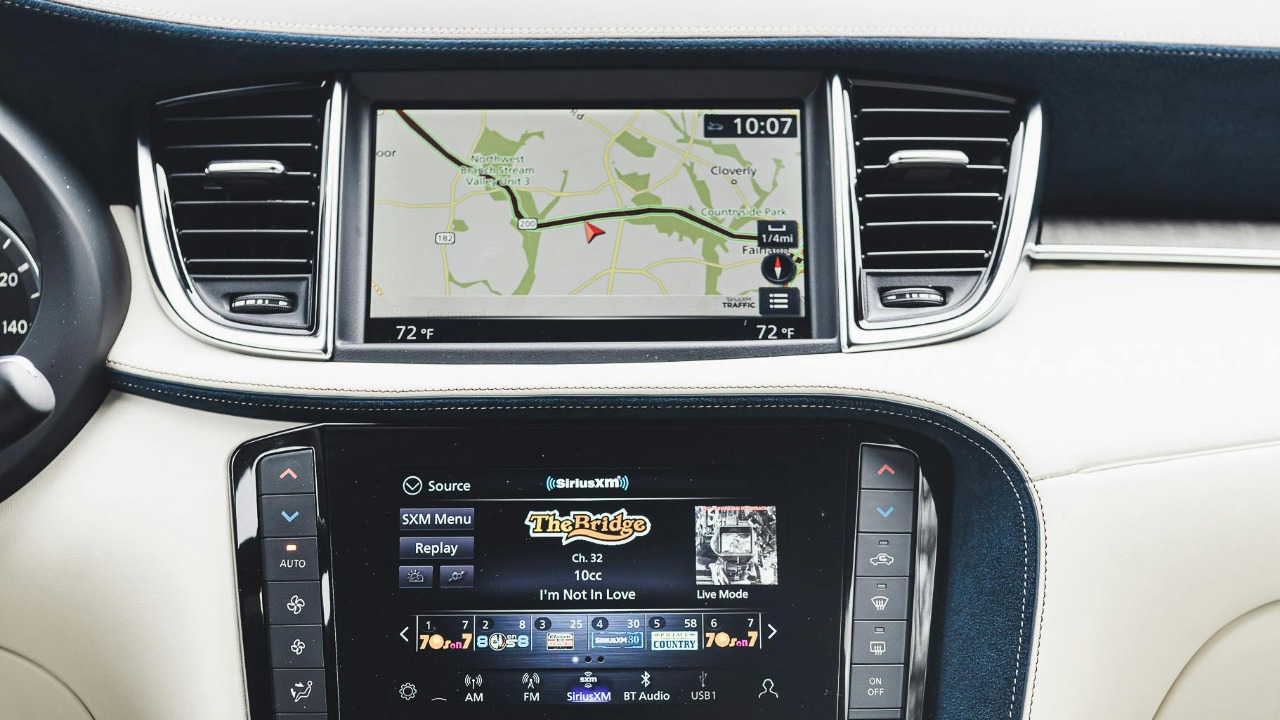
The move towards integrated touchscreen systems has led to the removal of physical climate control buttons in some vehicles. These traditional buttons are being swapped out for digital interfaces that offer centralized control of various car functions.
While this change contributes to a cleaner dashboard design, it can complicate simple tasks like adjusting the temperature while driving. According to a recent analysis, the balance between convenience and safety remains a crucial consideration in automotive design.
