As we move further into the digital age, keeping our devices secure with the latest updates is more crucial than ever. However, not all smartphones will continue to receive security support indefinitely. Knowing which phones will lose this support can help you make informed decisions about your next upgrade. Here’s a look at six popular phones that will lose security support in 2025.
Samsung Galaxy S21 Series
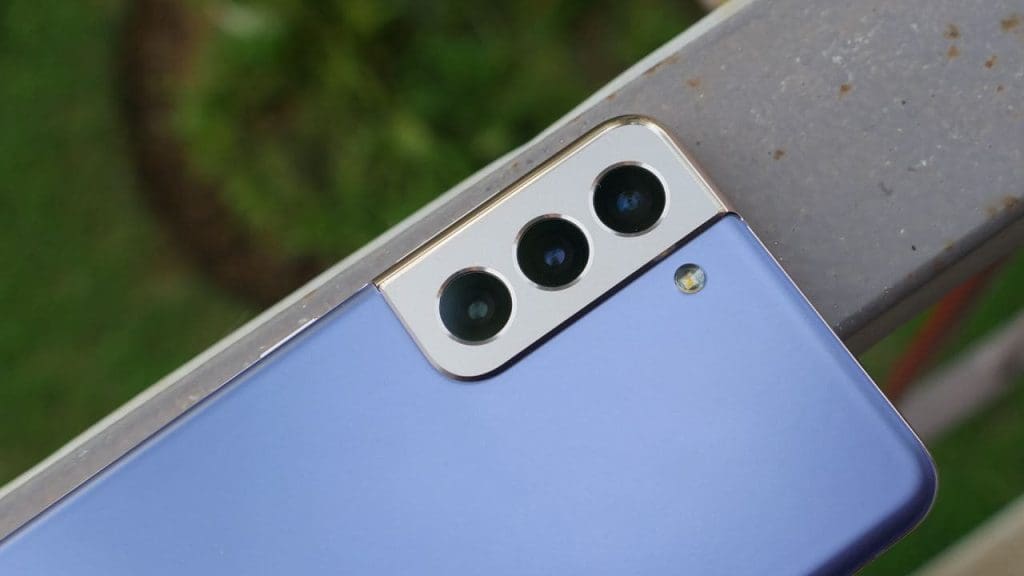
The Samsung Galaxy S21 series, launched in early 2021, is expected to lose security support by 2025. This series was a hit with consumers, thanks to its impressive camera capabilities and powerful processors. However, as with many Samsung Galaxy models, the cycle of updates will eventually come to a close.
Samsung typically offers three to four years of security updates for its devices, and the S21 series is no exception. This means that while the phone will still function, it will become increasingly vulnerable to security threats over time. For those still using this series, it might be a good idea to start thinking about a replacement.
Google Pixel 5
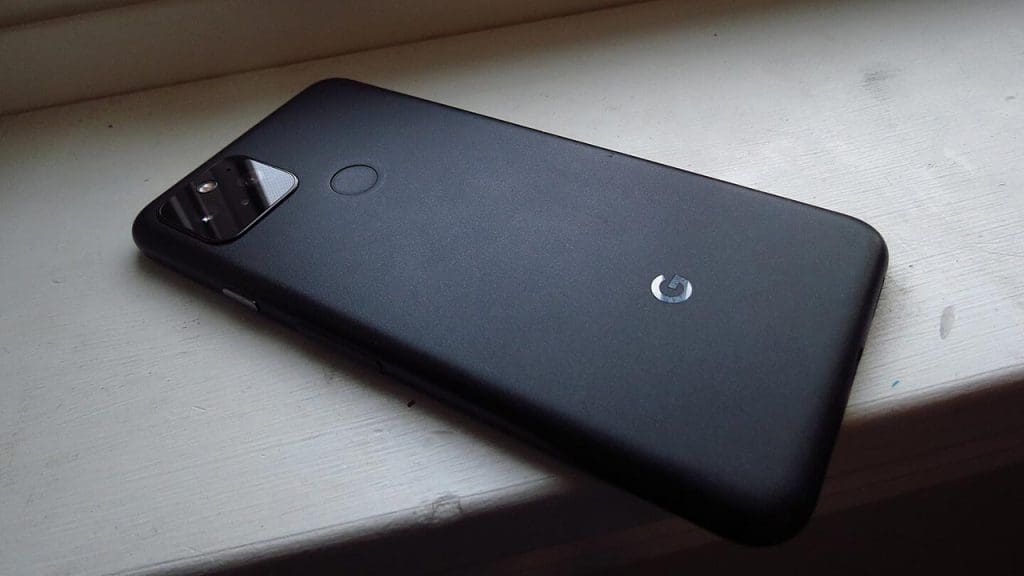
The Google Pixel 5, released in late 2020, is another device that will soon see its security support phased out. Known for its clean user interface and excellent camera performance, the Pixel 5 has been a favorite for Android enthusiasts. However, Google’s commitment to providing updates is usually limited to a few years post-launch.
By 2025, the Pixel 5 will have reached the end of its update cycle, similar to other Android versions that are no longer supported. Users will need to consider upgrading to newer models that offer ongoing security enhancements.
OnePlus 8T
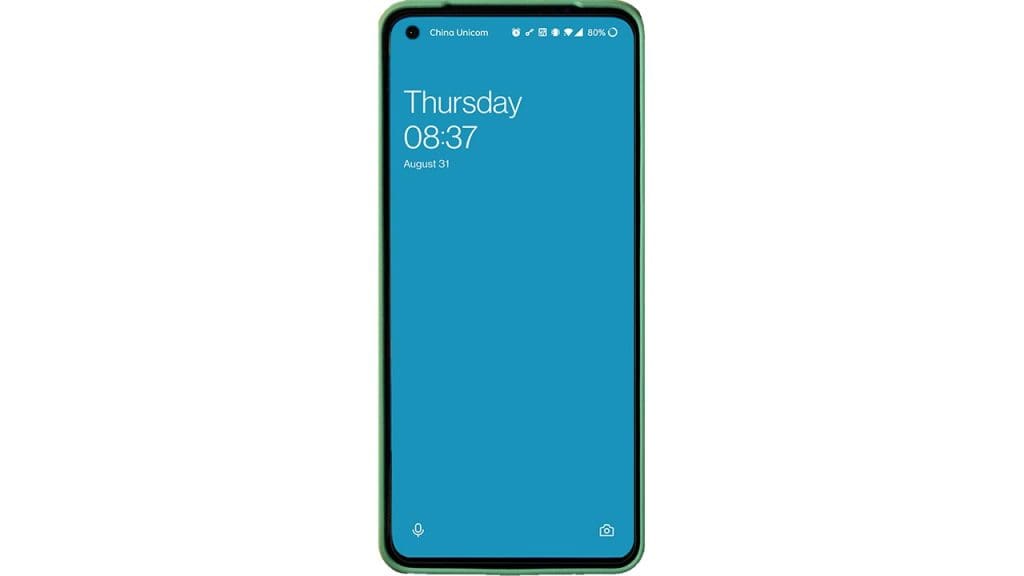
The OnePlus 8T, with its fast charging and fluid display, was a competitive offering in the mid-range smartphone market. Released in late 2020, it too will lose security support by 2025. OnePlus has been known for its commitment to timely updates, but this doesn’t last indefinitely.
With the end of security updates, the OnePlus 8T will become susceptible to vulnerabilities. Users who prioritize mobile security should start exploring newer options that guarantee regular updates and patches.
Xiaomi Mi 10
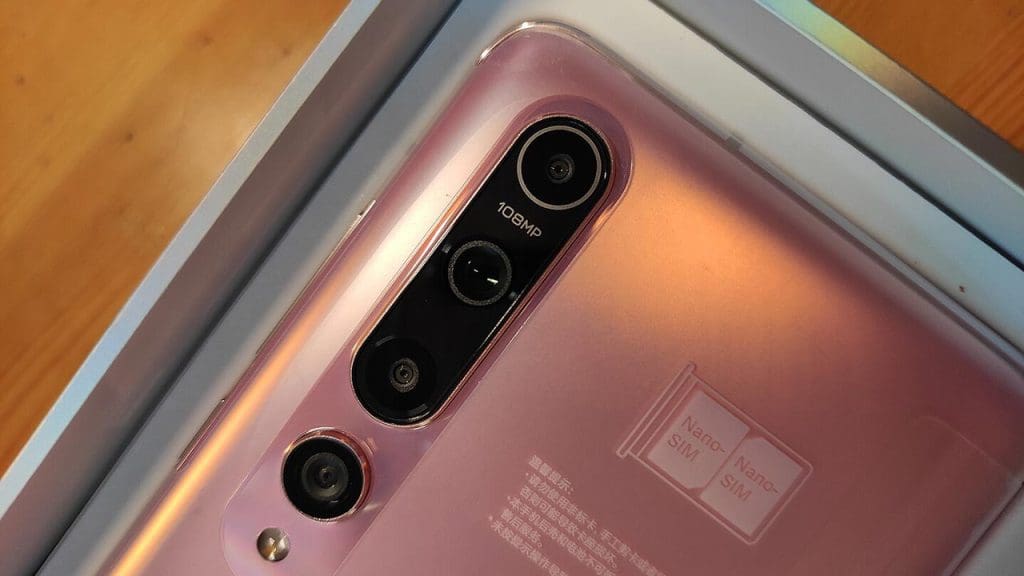
The Xiaomi Mi 10 gained attention for its high-performance specs and affordability. However, like many technology offerings, it will eventually see its support end. Xiaomi typically provides updates for a few years, and the Mi 10 is approaching that limit.
Without security updates, the risk of data breaches increases. Users of the Mi 10 should consider upgrading to newer Xiaomi models or other brands that provide extended support to ensure their information remains protected.
Sony Xperia 1 II
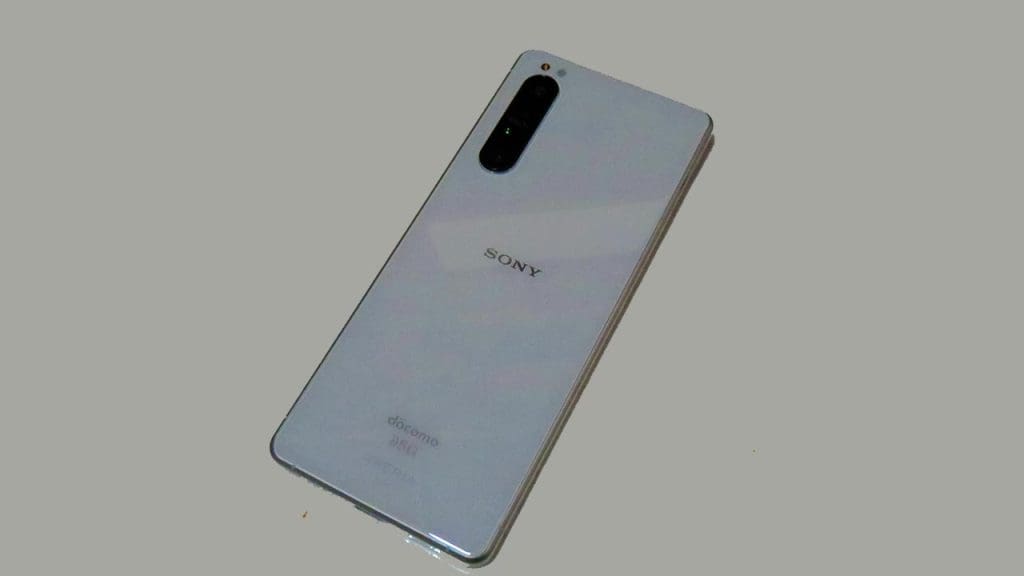
Sony’s Xperia 1 II is known for its cinematic display and professional camera features. Released in 2020, it captured the attention of those seeking advanced multimedia capabilities. However, the Xperia 1 II will lose its security support in 2025, aligning with Sony’s typical update timeline.
As security threats evolve, having a phone that lacks current updates can be risky. For Xperia 1 II users, transitioning to a more recent model with ongoing support will help maintain data safety and device performance.
LG Velvet
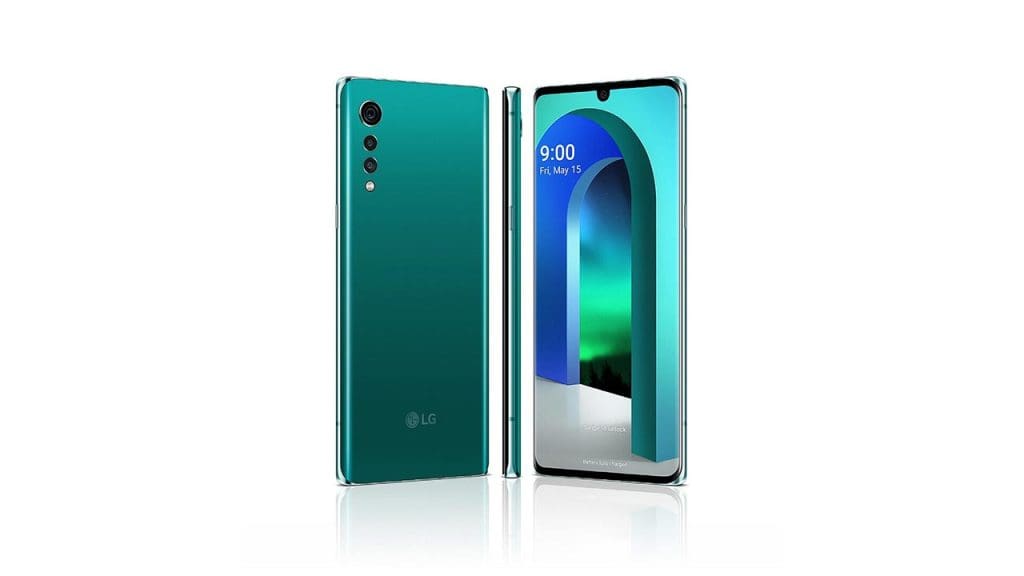
The LG Velvet was praised for its design and 5G connectivity when it launched in 2020. Despite its features, LG has since exited the smartphone market, leading to limited future support for its devices. By 2025, the Velvet will no longer receive security updates.
For those still using the LG Velvet, this means it’s time to consider moving to devices from manufacturers that continue to provide updates. This ensures that you remain protected from potential security vulnerabilities and can enjoy the latest technological advancements.
