Nuclear fusion, the process that powers the sun, is a promising avenue for achieving sustainable and clean energy. Recent advancements in various fusion technologies are bringing us closer to realizing this potential. Here are six breakthroughs in nuclear fusion that are worth keeping an eye on.
Advancements in Magnetic Confinement Systems

Magnetic confinement systems are pivotal in stabilizing the plasma, which is necessary for sustaining fusion reactions. Recent developments have seen improvements in magnetic field control, enhancing plasma confinement. For instance, the use of high-temperature superconductors has led to stronger and more efficient magnetic fields, which are crucial for maintaining the intense heat required for fusion. The latest research is paving the way for more robust and scalable magnetic confinement solutions.
Achievements in Inertial Confinement Fusion

Inertial confinement fusion (ICF) has seen significant achievements with the increasing precision of laser and particle beam technologies. These advancements have allowed for better control over the compression of fusion fuel, leading to more efficient fusion reactions. Facilities like the National Ignition Facility in the United States have reported record-breaking energy yields, marking a crucial step toward achieving ignition. Learn more about these exciting milestones in ICF.
Innovations in Tokamak Reactor Design

Tokamaks have long been a focus of fusion research, and recent innovations are making them more viable for commercial energy production. The integration of advanced materials and improved plasma heating techniques has led to more efficient and stable reactor operations. The Commonwealth Fusion Systems’ breakthroughs in tokamak design are propelling the industry toward practical fusion energy solutions.
Progress in Stellarator Technology

Stellarators, known for their complex magnetic field configurations, have made notable progress in recent years. These reactors offer advantages in maintaining steady-state operations, which is essential for continuous energy production. Recent work has focused on refining the magnetic geometry to enhance plasma stability and reduce energy losses. Researchers are optimistic about the potential of stellarators to complement tokamak research and advance the fusion energy landscape.
Breakthroughs in Fusion Power Scaling
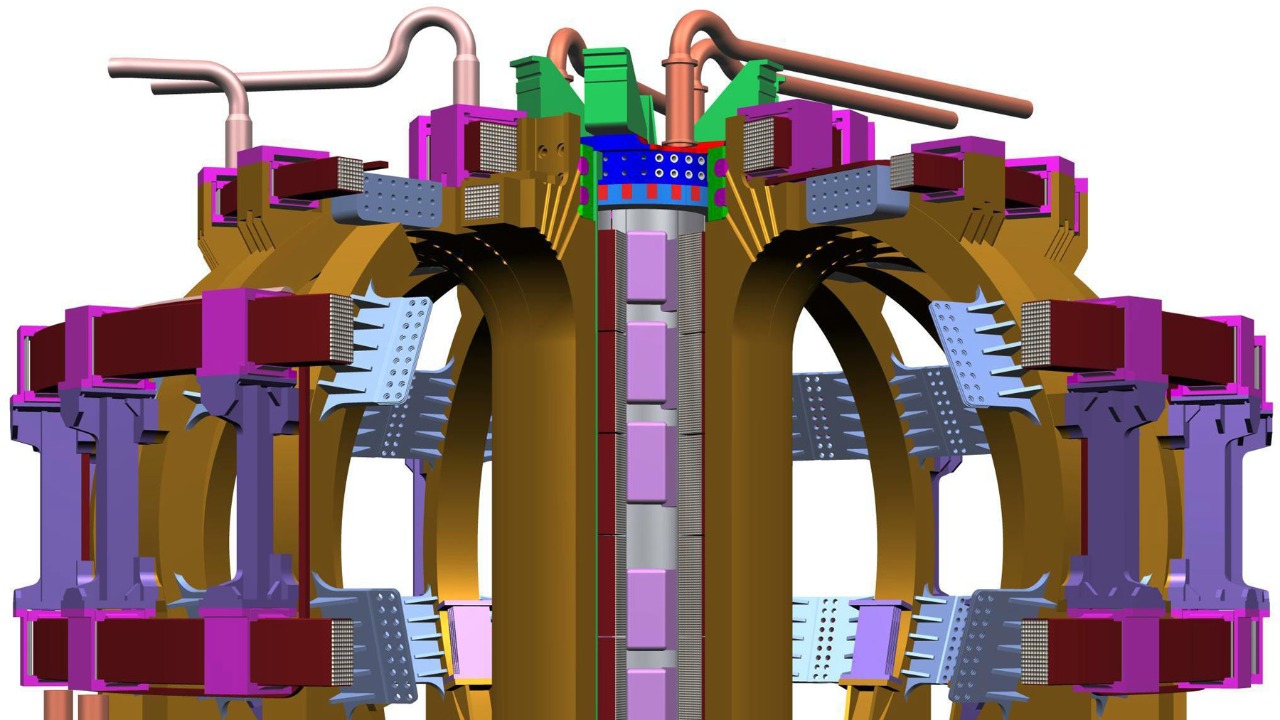
Scaling fusion power to a commercially viable level is one of the field’s biggest challenges. Recent breakthroughs in power scaling involve optimizing reactor designs and improving energy efficiency. By increasing the energy output relative to the input power, these advancements are essential for making fusion a competitive energy source. Explore some recent breakthroughs in fusion energy generation that are pushing the boundaries of what’s possible.
Developments in Alternative Fusion Approaches

Alternative fusion approaches, such as magnetic target fusion and aneutronic fusion, are gaining traction. These methods aim to overcome some of the challenges associated with traditional fusion technologies by exploring different fuel cycles and confinement techniques. The pursuit of alternative pathways is crucial for diversifying fusion research and finding the most effective route to sustainable energy. Discover more about these innovative approaches that could revolutionize the field.
