Dark matter remains one of the most enigmatic components of our universe, accounting for roughly 27% of its total mass and energy. Its elusive nature has led scientists to propose various theories about its structure. Here, I delve into six intriguing theories that are reshaping our understanding of dark matter.
Quantum Entanglement Networks
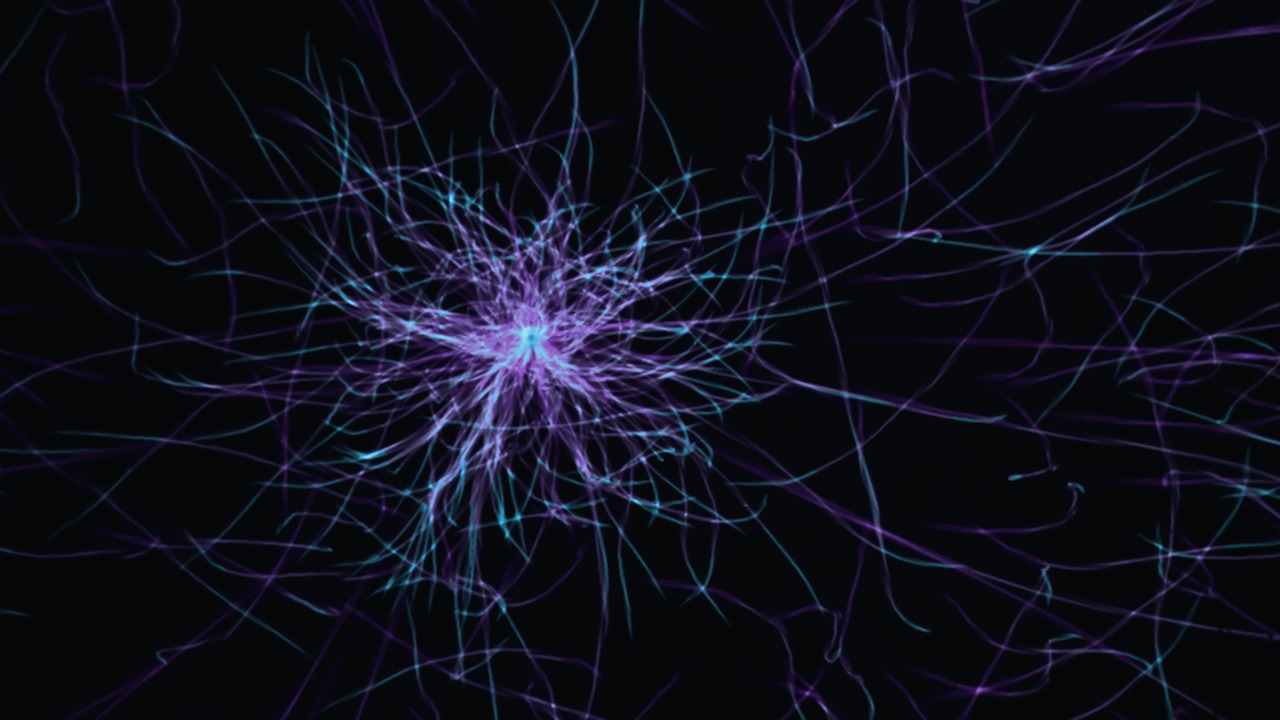
One fascinating theory suggests that dark matter could form quantum entanglement networks. This concept proposes that dark matter particles may be connected through intricate webs of quantum entanglement, allowing them to influence one another over vast distances. Such networks could potentially explain the dark matter’s gravitational effects observed in galaxies without requiring direct interaction with ordinary matter.
Understanding these networks could not only shed light on dark matter but also offer insights into the fundamental nature of quantum mechanics. By exploring these quantum connections, researchers hope to bridge the gap between quantum physics and cosmology, opening new avenues for scientific exploration.
Supersymmetric Particle Hypothesis
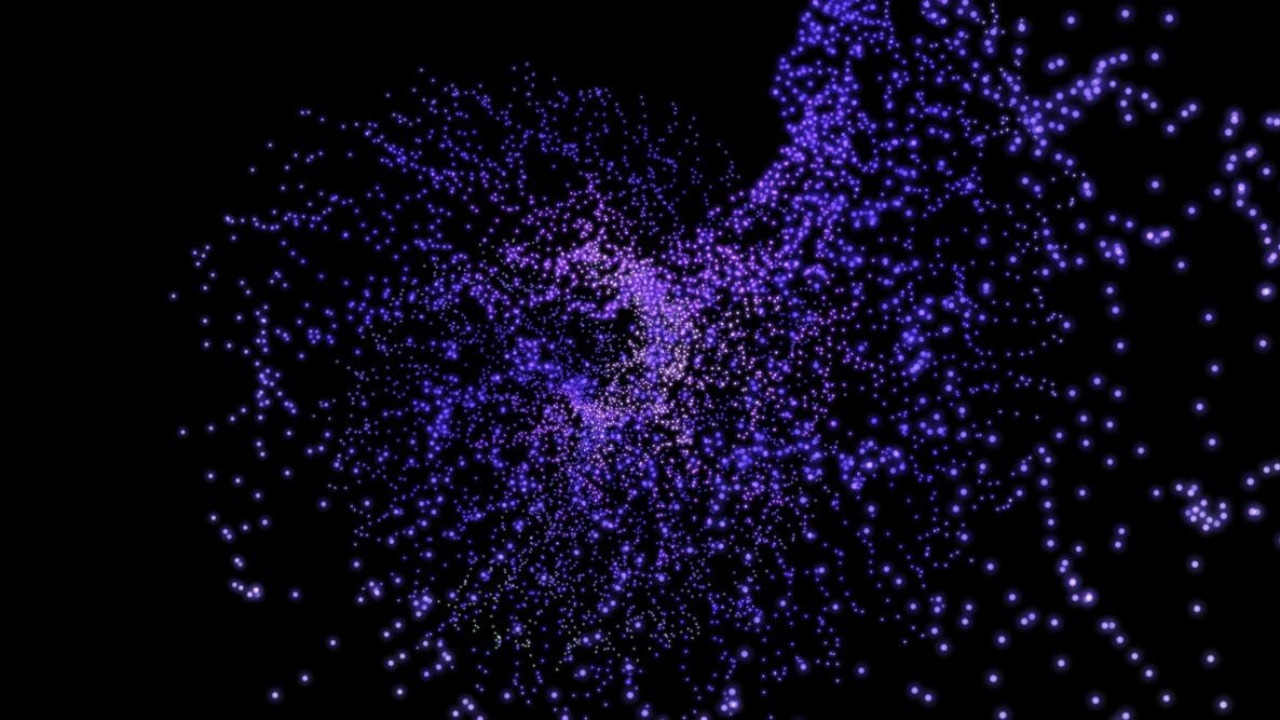
The supersymmetric particle hypothesis is another prominent theory that seeks to explain dark matter’s structure. Supersymmetry suggests the existence of partner particles for every known particle in the Standard Model, potentially including particles that make up dark matter. These hypothesized particles, such as neutralinos, could possess properties that make them ideal dark matter candidates.
Although supersymmetry remains unproven, it provides a compelling framework for understanding dark matter. Ongoing experiments at particle accelerators, like the Large Hadron Collider, continue to search for evidence of supersymmetric particles, hoping to unlock the mysteries of the universe’s invisible mass.
Dark Fluid Dynamics
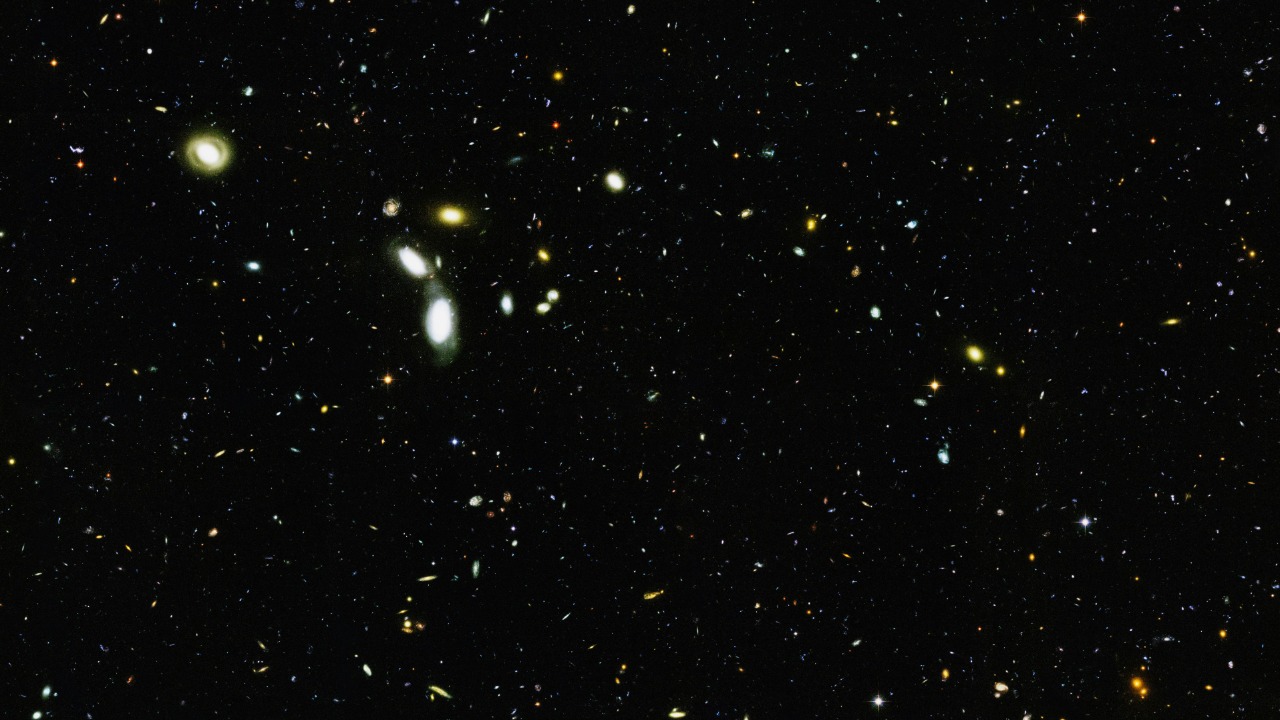
Challenging traditional views, some scientists propose that dark matter might behave like a dark fluid. This theory suggests that dark matter and dark energy might not be separate entities but rather two aspects of a single, unified phenomenon. As a fluid, dark matter could interact with itself and ordinary matter in ways that are not yet fully understood.
Researchers exploring dark fluid dynamics aim to reconcile the apparent discrepancies between observations of cosmic structures and the predictions of conventional dark matter models. If validated, this theory could revolutionize our understanding of the universe’s large-scale structure and evolution.
Multidimensional Brane Theory

Multidimensional brane theory posits that our universe may exist on a “brane” within a higher-dimensional space. In this framework, dark matter could be manifestations of gravity from other dimensions affecting our own. This idea is linked to string theory, which suggests that additional dimensions beyond the familiar three of space and one of time might exist.
By considering gravity’s role across multiple dimensions, scientists hope to explain dark matter’s elusive properties without invoking unknown particles. Although complex, this theory provides a tantalizing glimpse into the potential structure of our universe and its hidden dimensions.
Axion Condensate Model
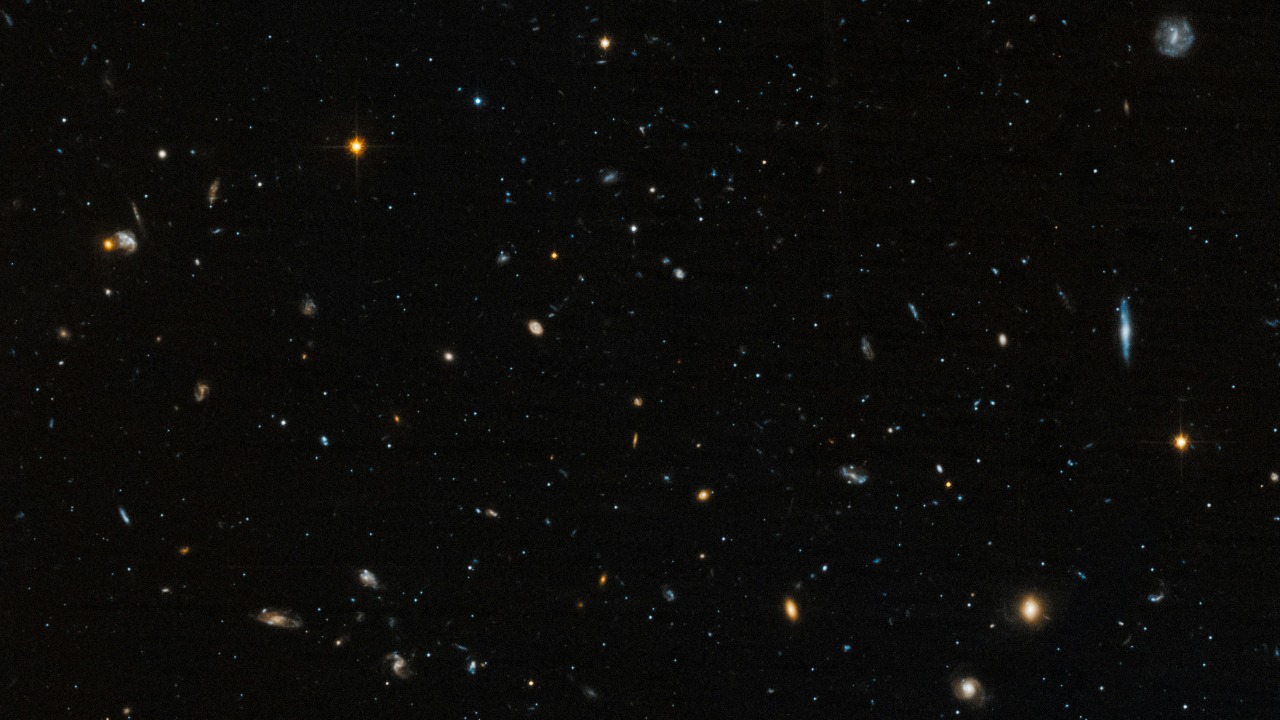
The axion condensate model proposes that dark matter could be composed of a vast collection of hypothetical particles known as axions. These particles, originally introduced to solve problems in quantum chromodynamics, may form a condensate throughout the universe, exerting gravitational effects on cosmic structures.
Axions are particularly intriguing because they could also interact with electromagnetic fields, offering a potential link between dark matter and ordinary matter. Experimental efforts are underway to detect axions using highly sensitive instruments, which might someday confirm their role in the universe’s dark sector.
Emergent Gravity Framework
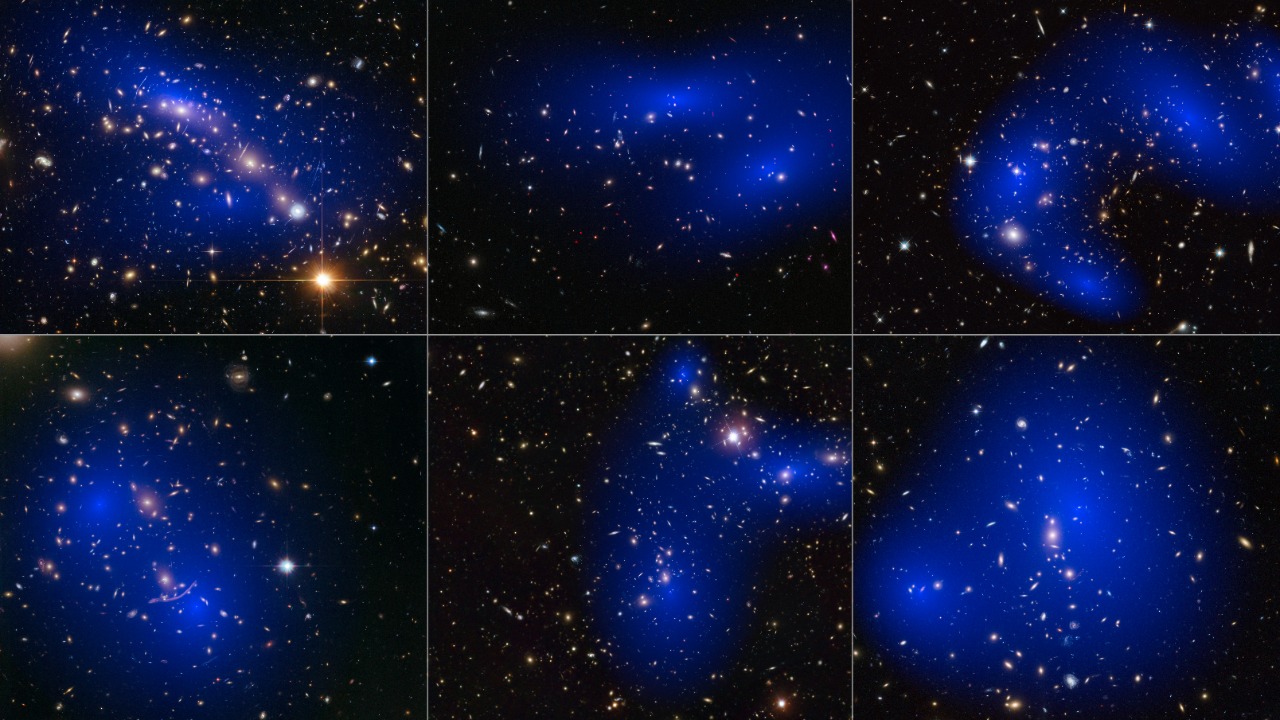
The emergent gravity framework challenges the need for dark matter entirely by proposing that what we perceive as dark matter effects could be the result of modified gravity laws. This theory, inspired by the thermodynamic properties of black holes, suggests that gravity itself might be an emergent phenomenon arising from underlying microscopic processes.
By rethinking gravity’s fundamental nature, scientists aim to account for the observed behavior of galaxies and clusters without invoking dark matter. Although still in its infancy, the emergent gravity framework offers a bold reimagining of the forces that govern our universe, potentially reshaping our understanding of cosmic phenomena.
