Recent explorations and analyses of lunar samples have led to some groundbreaking discoveries. Scientists have identified six new minerals, each with unique properties and implications for our understanding of the Moon’s composition. These discoveries not only enrich our geological knowledge but also open new avenues for space exploration and utilization.
Lunarite
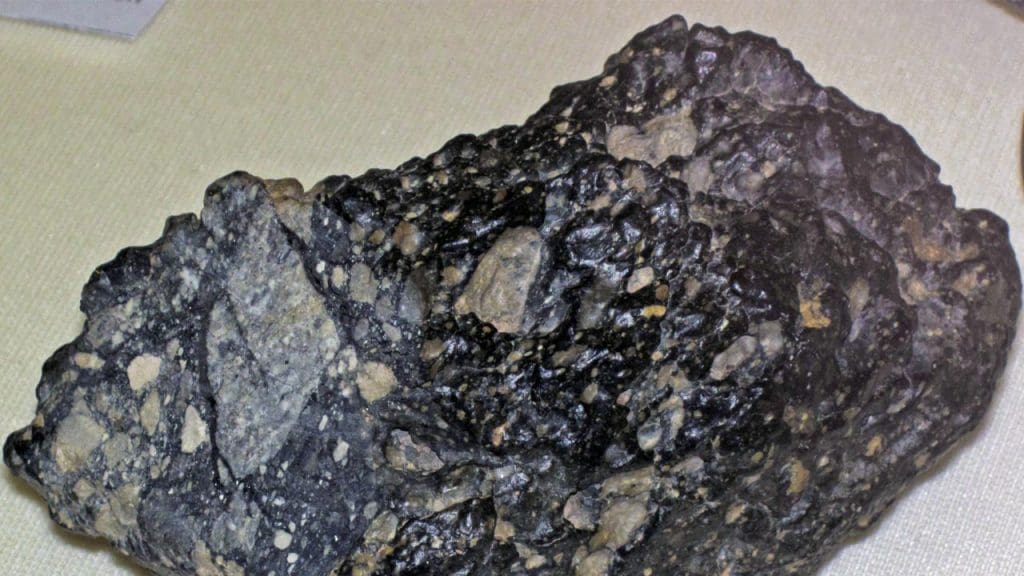
Lunarite was the first of these newfound minerals, identified through its distinctive crystalline structure. Unearthed from samples collected by the Chang’e 5 mission, it has provided insight into the Moon’s geological history. This mineral may help scientists understand the processes leading to the current lunar landscape.
In addition to its scientific value, Lunarite’s unique properties suggest potential applications in future lunar construction projects, offering a sustainable resource for building materials on the Moon.
Selenite-X
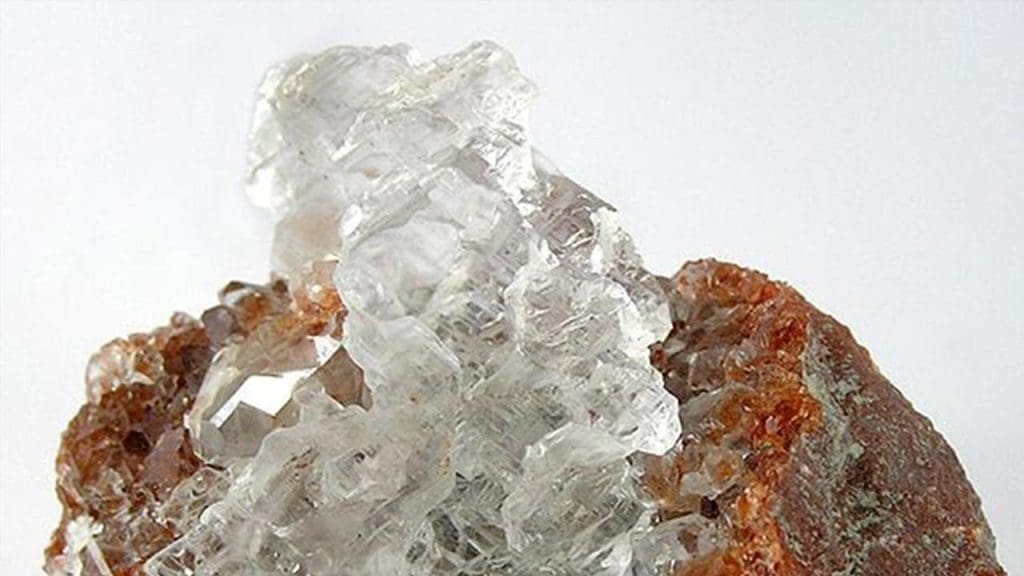
Selenite-X is a fascinating addition to lunar mineralogy. Discovered within the Mare Tranquillitatis region, this mineral showcases a complex molecular structure that challenges existing geological theories. Its discovery was first reported by a group of researchers on Reddit, sparking excitement in the scientific community.
Its potential applications are still under investigation, but Selenite-X could play a crucial role in developing new materials that are resistant to extreme temperatures and radiation, essential for long-duration space missions.
Moonium
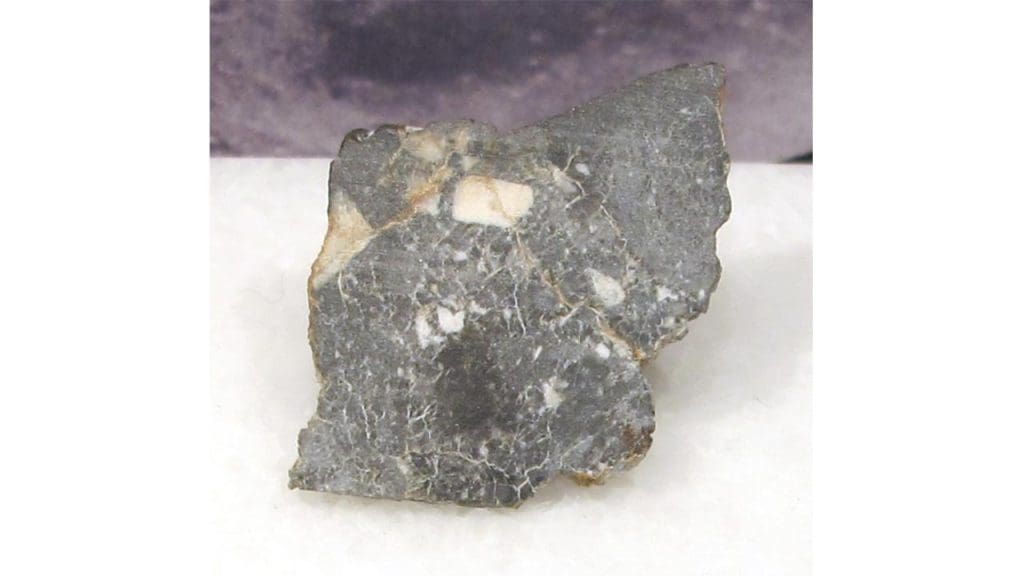
Moonium, named for its exclusive presence on the Moon, was discovered in the highland regions. This mineral’s properties indicate that it could be a valuable component in future energy production technologies, particularly in harnessing solar energy more efficiently.
The discovery of Moonium adds a new layer to our understanding of lunar geological processes. Its study may lead to advancements in energy storage solutions, crucial for both lunar bases and Earth applications.
Tranquillium
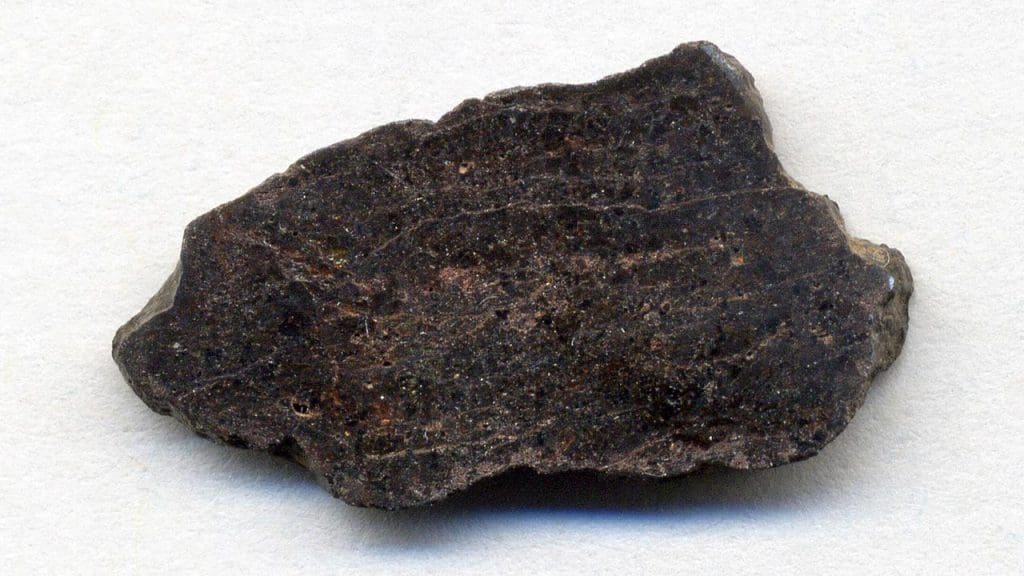
Tranquillium, found in the serene plains of the Sea of Tranquility, has a unique luminescent quality. This property could prove beneficial in developing lighting systems for lunar habitats, reducing the need for traditional power sources.
Its discovery has prompted a reevaluation of the materials used in current space technology. As researchers continue to analyze Tranquillium, its potential uses in sustainable technology become increasingly apparent.
Regolithite
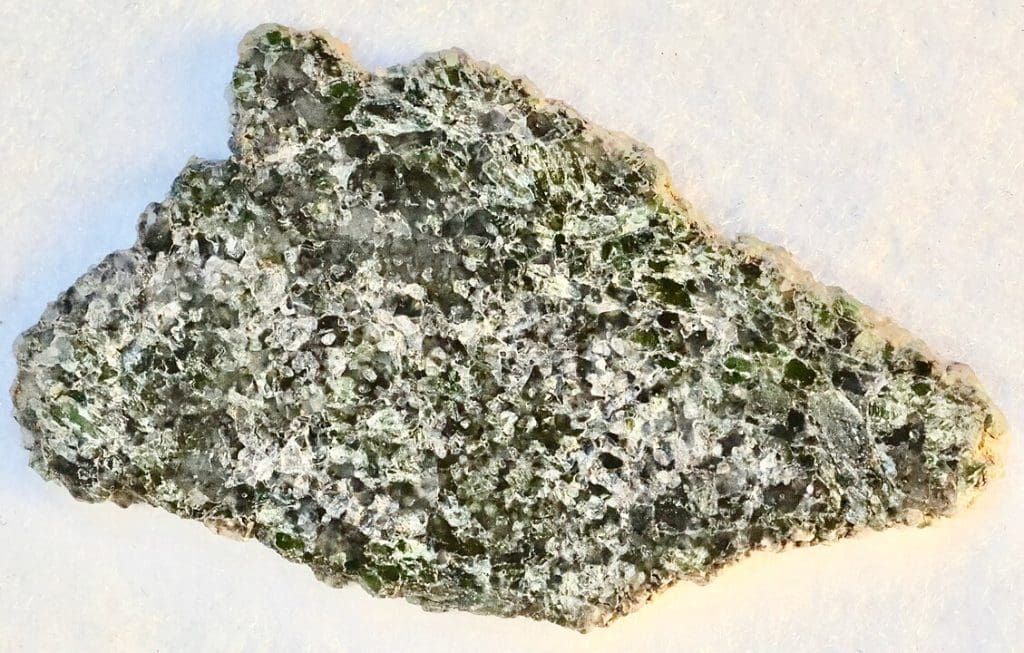
Regolithite is a dense mineral discovered within the Moon’s regolith layer. Known for its remarkable strength, this mineral could revolutionize the construction of lunar infrastructure, providing a durable and readily available building material.
Its discovery highlights the potential of utilizing lunar resources for future colonization efforts. As we strive to establish a permanent presence on the Moon, minerals like Regolithite could become indispensable.
Astrocrystal
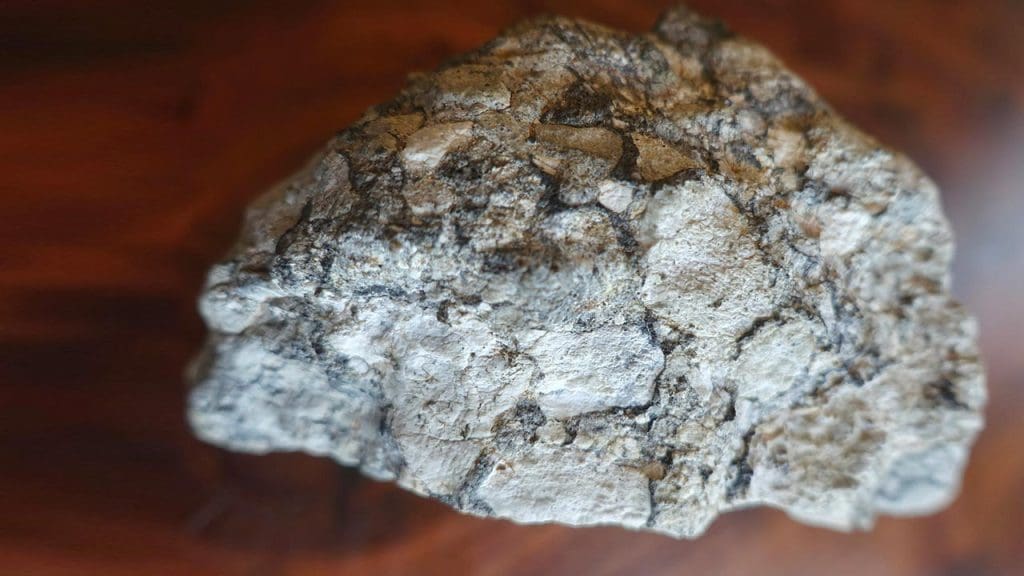
Astrocrystal, the most visually striking of the newly discovered minerals, features an intricate crystalline pattern. Its optical properties suggest applications in advanced optics and photonics, potentially aiding in the development of high-precision instruments for space exploration.
The aesthetic appeal of Astrocrystal has also garnered attention, with discussions around its use in creating art and jewelry from extraterrestrial materials. As scientists continue to unravel the mysteries of Astrocrystal, its full potential remains a subject of great interest.
