Deep-sea hydrothermal vents serve as a unique environment for the discovery of fascinating new lifeforms. These vents, located on the ocean floor, emit mineral-rich water heated by volcanic activity. The extreme conditions around these vents make them a hotspot for biodiversity, where scientists continue to uncover species previously unknown to science. Here are six intriguing lifeforms recently discovered in these mysterious ecosystems.
Bioluminescent Jellyfish
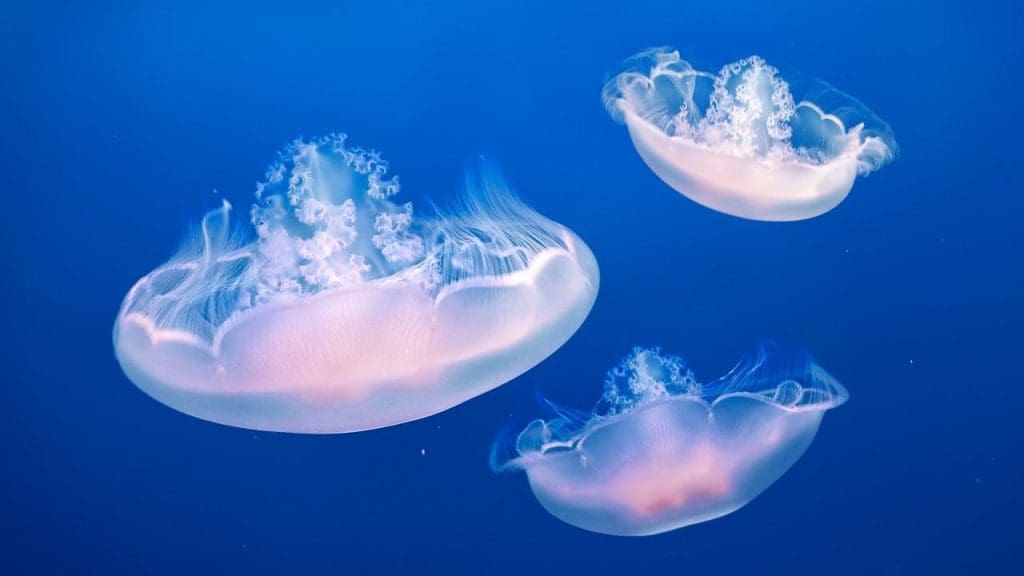
One of the most captivating discoveries is a new species of bioluminescent jellyfish. These creatures illuminate the dark ocean depths with their glowing bodies, a phenomenon caused by the chemical reaction of luciferin and luciferase. This ability not only provides a stunning visual but also plays a crucial role in the jellyfish’s survival, helping them attract prey or deter predators.
These jellyfish are specially adapted to the harsh environment of hydrothermal vents. Their delicate bodies are resistant to the high pressure and temperature fluctuations found at these depths. With their vibrant glow, they add a touch of light to the otherwise pitch-black surroundings, making them a subject of interest for marine biologists. For more on the life below seafloor hydrothermal vents, visit CNN’s coverage.
Vent-Dwelling Tube Worm
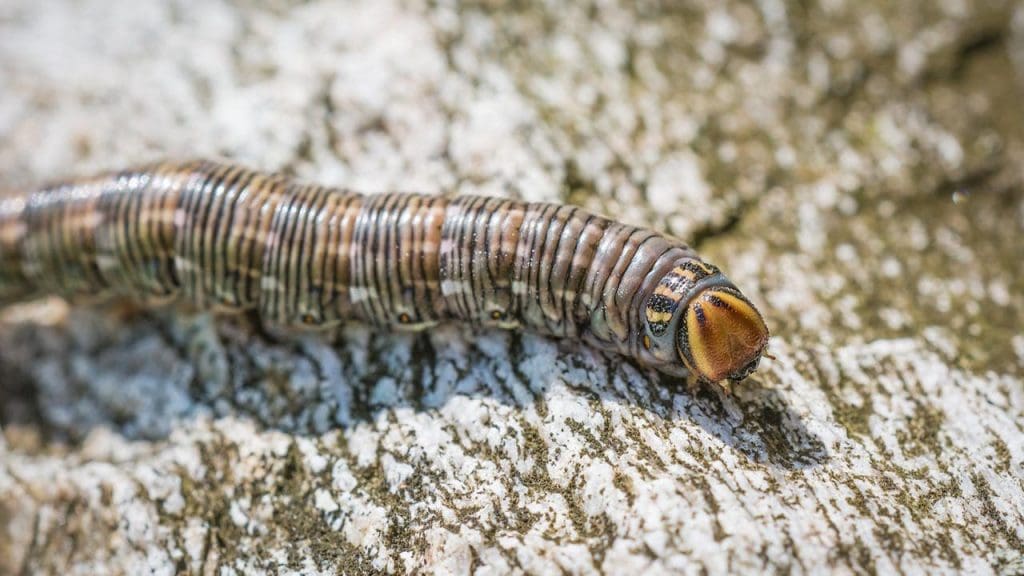
The vent-dwelling tube worms are among the most well-known inhabitants of hydrothermal vents. These creatures can grow up to several meters long and form dense colonies around vent openings. They have no digestive system and rely on a symbiotic relationship with chemosynthetic bacteria that live inside their bodies. These bacteria convert the chemicals spewed by the vents into energy, which sustains the tube worms.
The tube worm’s unique adaptation to its environment highlights the extraordinary ways life can evolve under extreme conditions. Their presence is crucial for the vent ecosystem, as they provide habitat and sustenance for a variety of marine life. Understanding the role of tube worms in this ecosystem can offer insights into the resilience and adaptability of life on Earth. For more scientific insights, refer to this study.
Albino Octopus
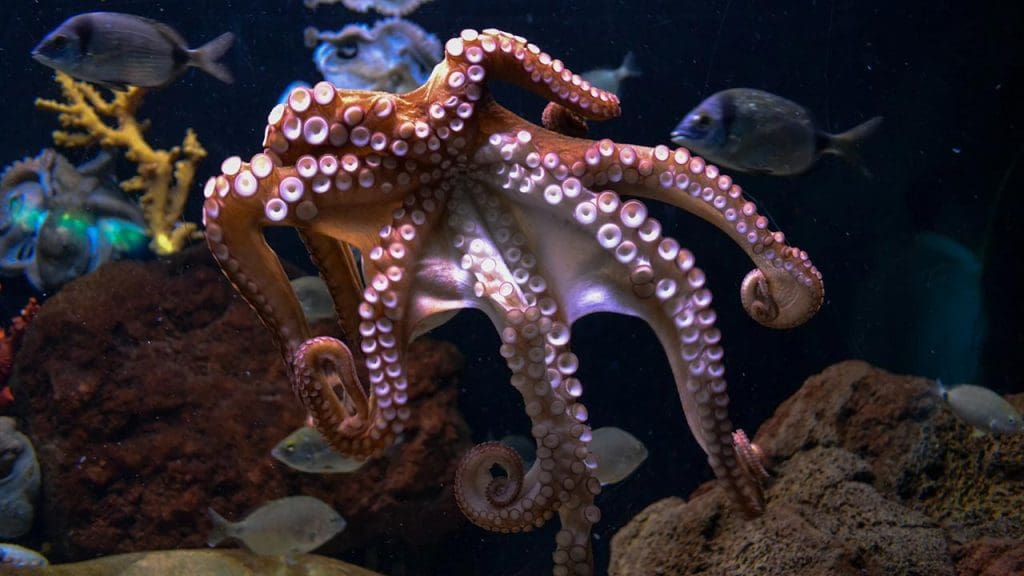
Another remarkable find is the albino octopus, a species that has adapted to life in the absence of light. These octopuses have lost all pigmentation, resulting in their ghostly white appearance. Their lack of color is an adaptation to the pitch-black environment of the deep sea, where camouflage is unnecessary.
These octopuses have a unique way of hunting and navigating the complex terrain around hydrothermal vents. Their ability to squeeze through narrow crevices in search of food makes them efficient predators. The discovery of such a creature underscores the incredible adaptability of life at extreme depths. The Journal of Marine Biology offers more information on the fascinating adaptations of these creatures.
Hydrothermal Shrimp
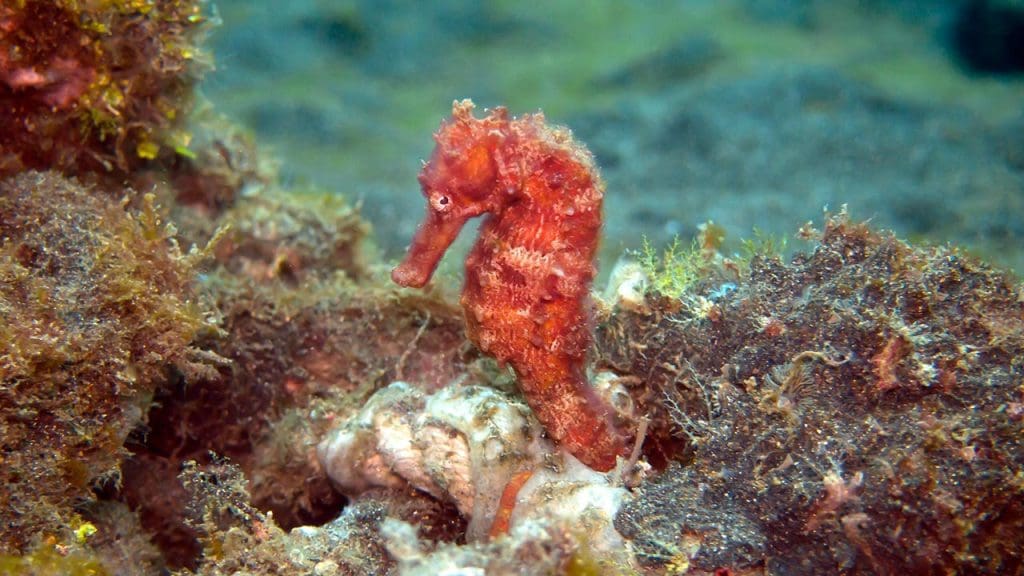
Hydrothermal shrimp are a common sight around these vents, and a new species has recently been added to the list. These shrimp have evolved to withstand the high temperatures and toxic chemicals emitted by the vents. Their specialized gills enable them to filter out harmful substances while extracting nutrients from the water.
In addition to their unique feeding habits, these shrimp exhibit a social behavior that is rare among crustaceans. They often form large swarms, working together to navigate the extreme environment. Their presence provides a vital link in the food chain, supporting both predator and prey species. More about these shrimp and their ecosystem can be found through the Schmidt Ocean Institute.
Metallic Scale Fish
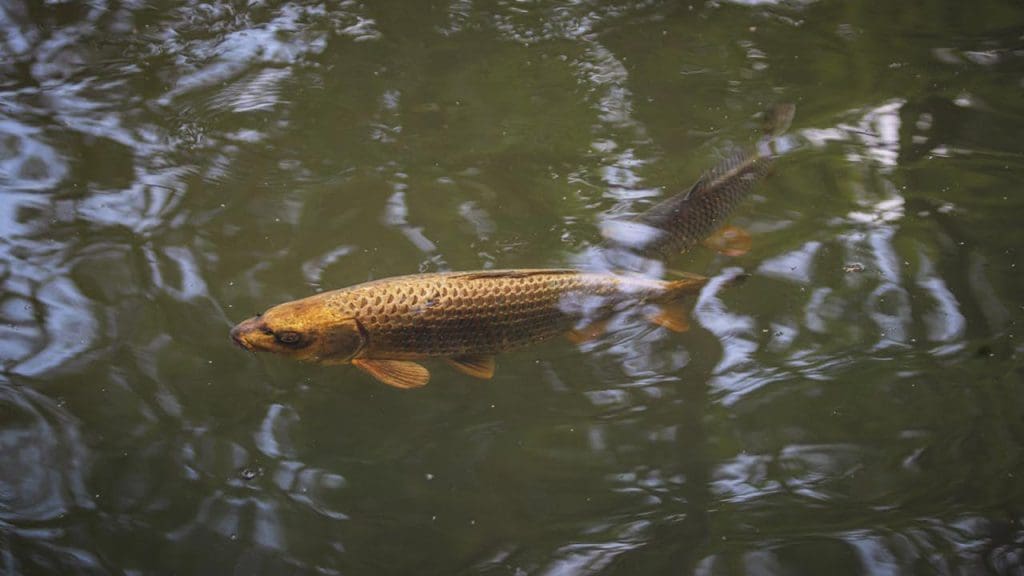
The metallic scale fish is another intriguing inhabitant of hydrothermal vents. These fish have developed scales that appear metallic, an adaptation thought to help them withstand the corrosive environment. The scales provide not only protection but also help in reflecting the dim light emitted by bioluminescent organisms, aiding in communication and mating.
Their ability to thrive in such an inhospitable environment makes them a subject of study for evolutionary biologists. Understanding how these fish have adapted to their surroundings could provide insights into evolution and adaptation strategies. For more detailed studies on fish from similar environments, visit the Marine Biology Journal.
Chemosynthetic Bacteria
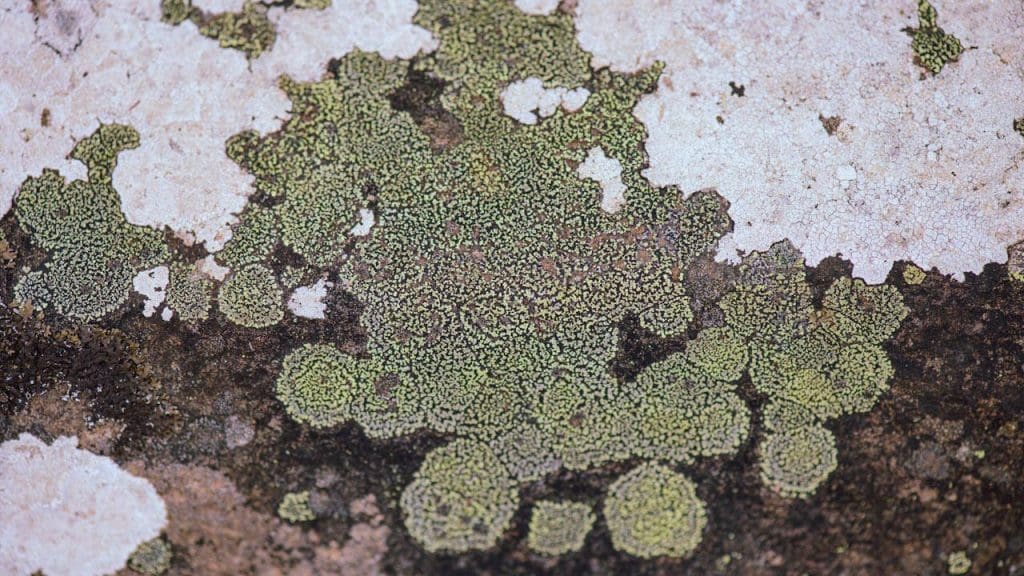
Chemosynthetic bacteria are the unsung heroes of hydrothermal vent ecosystems. These microorganisms form the base of the food chain, converting chemicals like hydrogen sulfide into organic matter through chemosynthesis. This process is crucial for the survival of many vent-dwelling species, including tube worms and shrimp.
The study of chemosynthetic bacteria offers insights into alternative forms of life that do not rely on sunlight for energy. Their existence raises questions about the possibilities of life beyond Earth, in environments previously thought to be uninhabitable. Research into these bacteria continues to shed light on the incredible diversity and resilience of life in extreme conditions.
