
The rapid expansion of electric vehicle (EV) adoption has led to a wave of new regulations aimed at managing their environmental impact and integration into existing infrastructure. While these laws are designed to promote sustainability, they can also introduce challenges for EV owners. Here’s a look at six new EV laws that might make driving a bit more difficult.
Stricter Emission Standards

As part of a broader effort to combat climate change, governments are introducing stricter emission standards for all vehicles, including EVs. While electric cars produce zero tailpipe emissions, the regulations now focus on manufacturing processes and energy sources used to charge them. These standards aim to ensure that EVs are truly a cleaner alternative by requiring manufacturers to use sustainable materials and renewable energy.
For EV owners, this means staying informed about the type of energy they use and possibly facing higher costs if their vehicles don’t meet the new standards. It’s a reminder that sustainability goes beyond just driving electric; it encompasses the entire lifecycle of the vehicle.
Increased Registration Fees
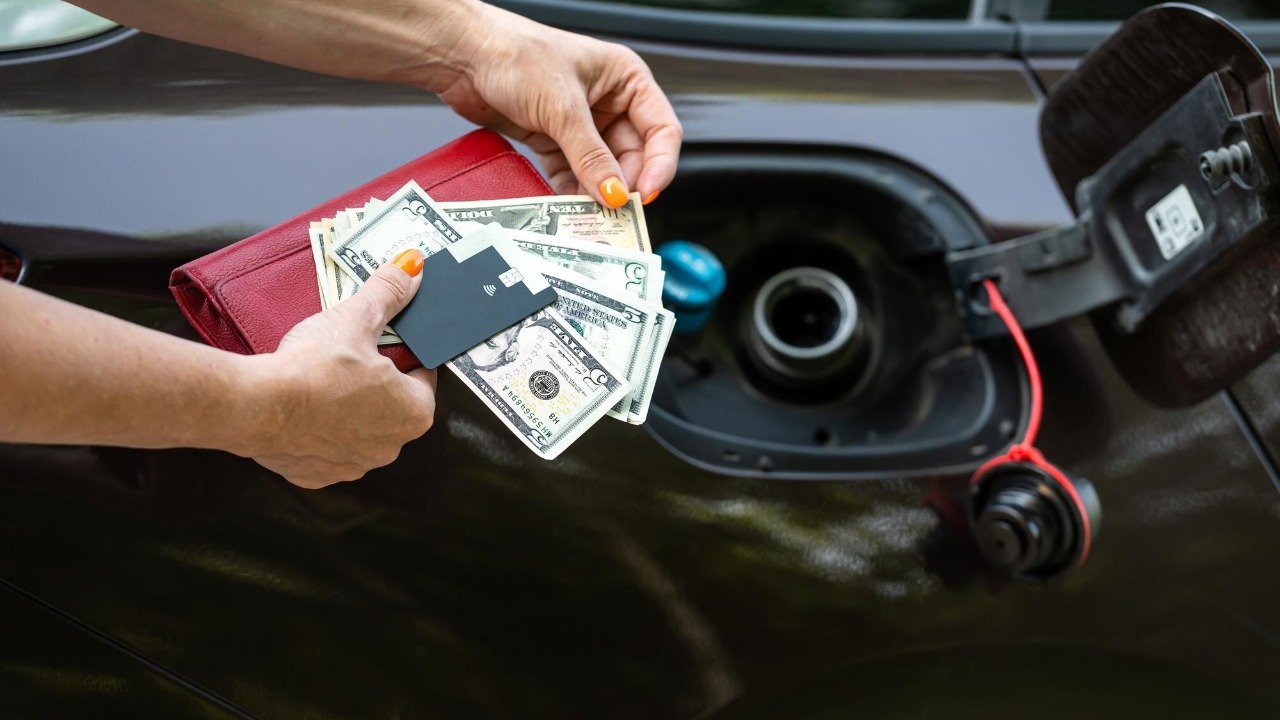
With the rise of EVs, many states are looking for ways to offset the loss of gas tax revenue, leading to increased registration fees for electric vehicles. These fees are designed to ensure that EV owners contribute to the maintenance of roads and infrastructure, just like their gas-powered counterparts.
While understandable from a policy standpoint, these additional costs can be a burden for new EV owners. The fees vary significantly by state, so it’s important for prospective buyers to check local regulations. The increase in registration fees could potentially slow down the adoption of electric vehicles, especially among cost-conscious consumers.
Mandatory Battery Recycling Programs

As the number of electric vehicles on the road grows, so does the need for effective battery recycling programs. New laws require EV manufacturers and owners to participate in recycling initiatives aimed at minimizing the environmental impact of battery disposal.
While these programs are crucial for sustainability, they add a layer of responsibility for vehicle owners, who must now ensure their batteries are properly recycled. This might involve additional paperwork or logistics, but it’s a necessary step toward a more sustainable future. Manufacturers are also tasked with innovating more efficient recycling methods, which could eventually reduce the burden on consumers.
New Parking Restrictions for EVs
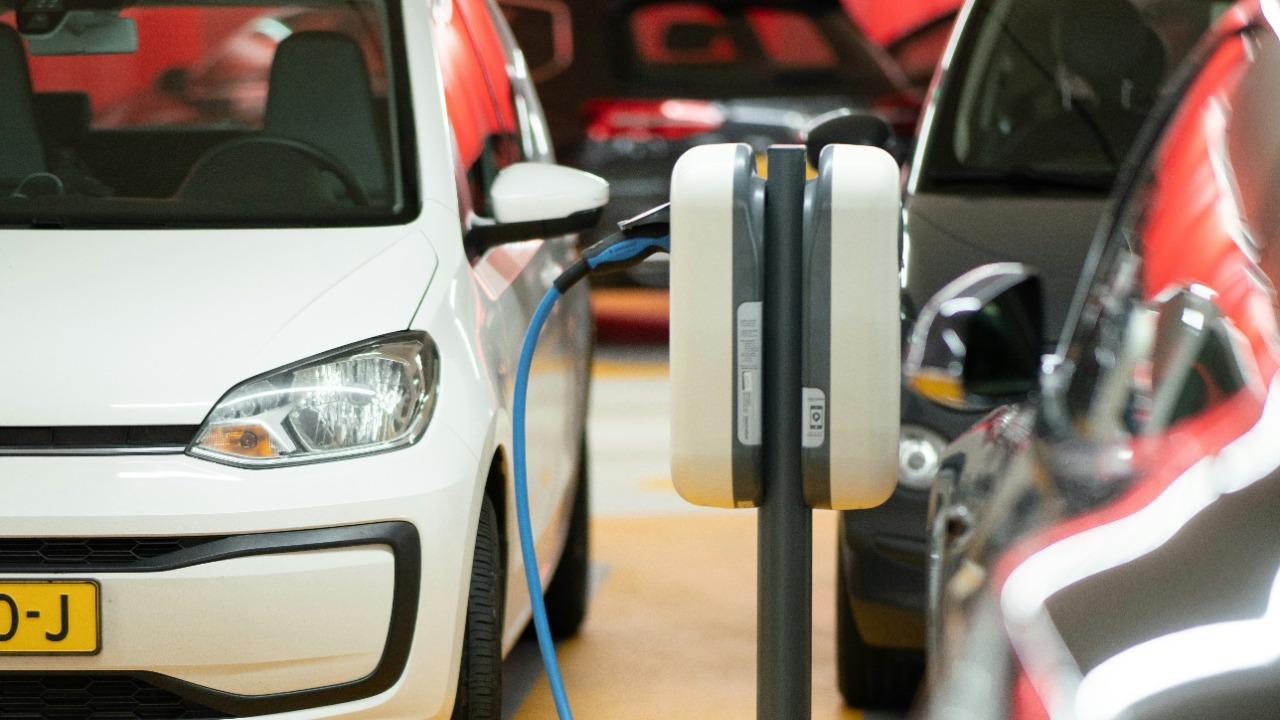
As cities accommodate the increase in electric vehicles, new parking restrictions are being implemented. These restrictions often reserve spaces exclusively for EVs or limit the time a vehicle can occupy a charging spot to ensure equitable access.
While these measures are intended to improve accessibility, they can also create confusion and inconvenience for drivers unaware of the specific local rules. EV owners must stay informed about where they can park and for how long, or risk fines. This shifting landscape means that drivers need to be more vigilant in planning their trips and charging stops.
Higher Insurance Premiums

As electric vehicles become more common, insurance companies are adjusting their rates to reflect the unique risks and costs associated with these cars. Higher insurance premiums for EVs can be attributed to factors like expensive repair costs due to specialized parts and technology.
EV owners might find themselves paying more to insure their vehicles compared to traditional cars. It’s important for drivers to shop around and find policies that offer the best coverage at competitive rates. Additionally, as the EV market matures, insurance companies may develop new products tailored to electric vehicles, potentially reducing costs over time.
Limited Access to Charging Infrastructure
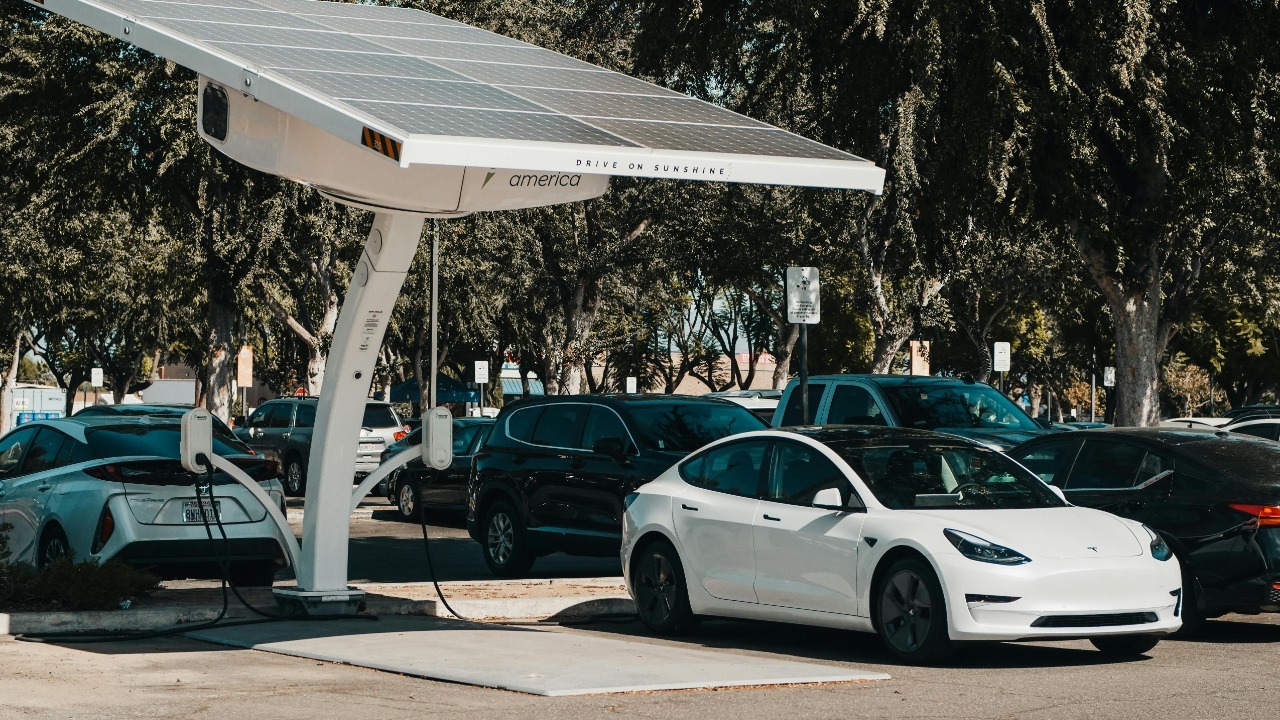
Despite the growing popularity of electric vehicles, limited charging infrastructure remains a significant hurdle. New laws aim to expand charging networks, but the pace of implementation often lags behind the increasing number of EVs on the road.
This limitation can make long-distance travel daunting and inconvenient for EV owners, who may find themselves planning trips around available charging stations. While infrastructure is gradually improving, EV drivers must be proactive in finding charging solutions, especially in areas where the network is underdeveloped. As more investments flow into this sector, it’s hoped that the gap between EV adoption and infrastructure will close.
