
Smart homes and devices are becoming increasingly adept at anticipating our daily needs, thanks to advancements in artificial intelligence. From learning our habits to predicting our preferences, these AI-powered gadgets are transforming how we interact with technology. Here are six innovative gadgets with AI capabilities that can predict your daily needs and enhance your lifestyle.
Smart Thermostat

Smart thermostats, like the Nest Learning Thermostat, are designed to optimize your home’s temperature by learning your schedule and preferences. These devices not only make your living space more comfortable but also save energy by adjusting the temperature based on your habits. As they gather data over time, they can predict when you’re home or away, ensuring your home is always at the perfect temperature.
By integrating with other smart home devices, smart thermostats can offer even more personalized experiences. For instance, they can work in tandem with your phone’s location settings to start warming up your home as you approach. Learn more about the potential of AI in everyday gadgets and how it shapes our living environments.
AI-Powered Personal Assistant
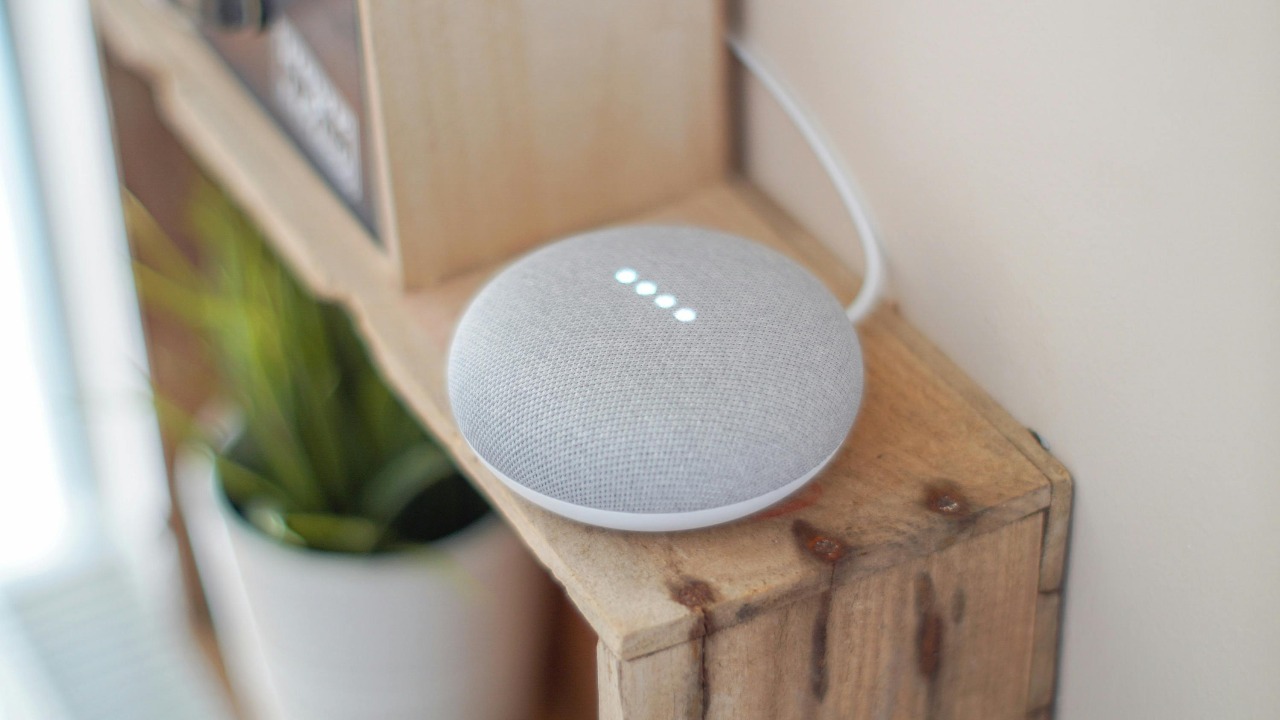
AI-powered personal assistants, like Google Assistant and Amazon Alexa, have become integral to our daily routines. These devices use voice recognition and natural language processing to understand and respond to our requests, from setting reminders to controlling smart home devices. Their ability to learn from our interactions allows them to anticipate our needs, making them increasingly intuitive over time.
These assistants can predict your daily needs by learning your habits and preferences, such as suggesting a playlist for your morning routine or reminding you of an upcoming appointment. They are a testament to the advancements in AI technology that continue to enhance our lives.
Intelligent Lighting System

Intelligent lighting systems, like Philips Hue, offer more than just convenience. They use AI to adapt to your lifestyle, creating the perfect lighting atmosphere for any time of day. These systems can learn when you typically wake up or go to bed and adjust the lighting accordingly, ensuring a seamless transition between day and night.
By connecting with your smart home ecosystem, intelligent lighting can also enhance security by simulating your presence when you’re away. This integration demonstrates how AI can create more responsive and intuitive environments, as explored in this report on AI’s promise.
Predictive Health Tracker

Predictive health trackers, like the Fitbit Sense, are revolutionizing personal health management. These devices analyze your activity levels, sleep patterns, and heart rate to provide personalized health insights. By identifying trends and anomalies, they can predict potential health issues and suggest preventive measures to keep you on track.
These trackers also offer tailored recommendations to improve your well-being, such as suggesting relaxation techniques or adjusting your workout routine. The ability to foresee health trends and provide actionable insights is a growing trend in AI, as highlighted in the future of AI technology.
Automated Meal Planner

Automated meal planners, such as the Eat This Much app, leverage AI to simplify meal preparation by suggesting recipes and grocery lists tailored to your dietary preferences and nutritional needs. By learning your eating habits, these planners can predict your meal preferences and streamline the planning process.
With features like calorie counting and grocery delivery integration, automated meal planners ensure you maintain a balanced diet without the hassle of traditional meal planning. This approach to using AI in everyday life is part of a broader trend, as detailed in the latest technology trends.
Adaptive Entertainment System
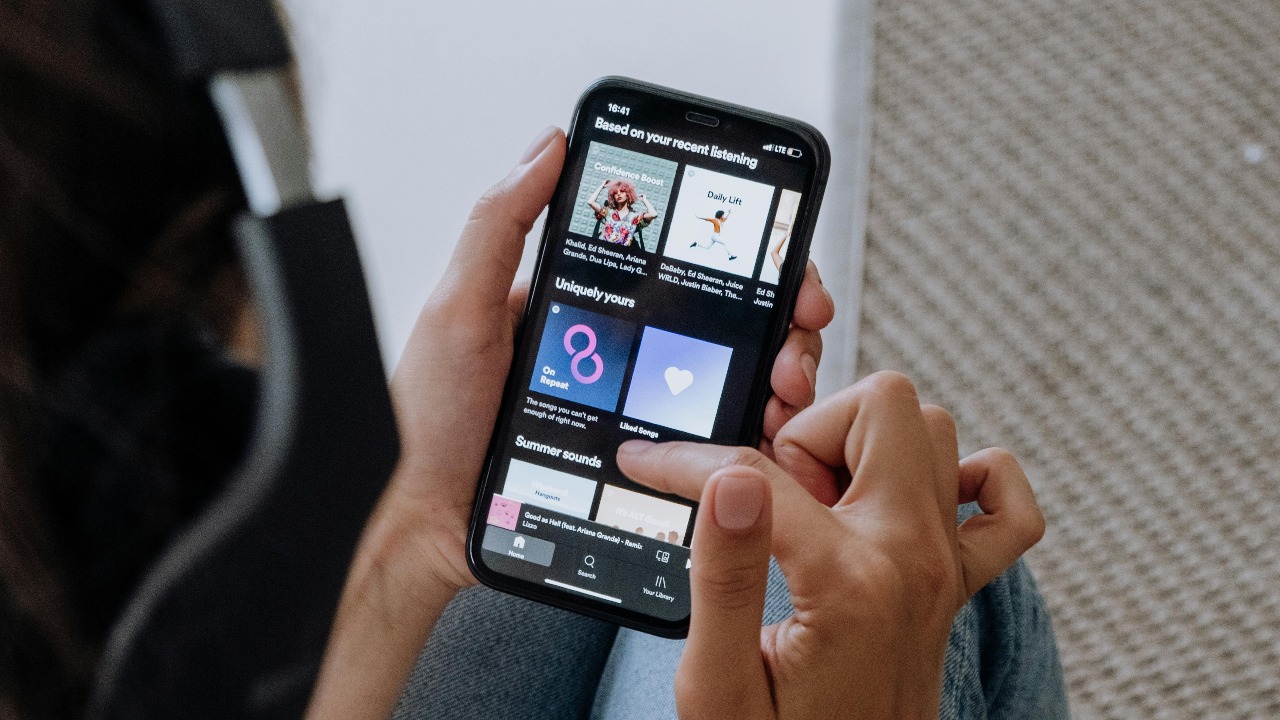
Adaptive entertainment systems, like those offered by Netflix or Spotify, use AI to enhance your media consumption experience. By analyzing your viewing or listening habits, these platforms suggest content tailored to your tastes, ensuring you always have something enjoyable to watch or listen to.
These systems can predict what you might enjoy next, creating a personalized entertainment experience that evolves with your preferences. As AI continues to advance, the ability to deliver personalized content will become even more precise, further enriching how we consume media.
