Electric vehicles (EVs) are becoming increasingly popular, yet myths about fast charging persist. Understanding these misconceptions can help drivers make informed decisions about their charging habits. Let’s explore some of the most common myths surrounding fast charging.
Fast Charging Wears Out Your Battery Quickly
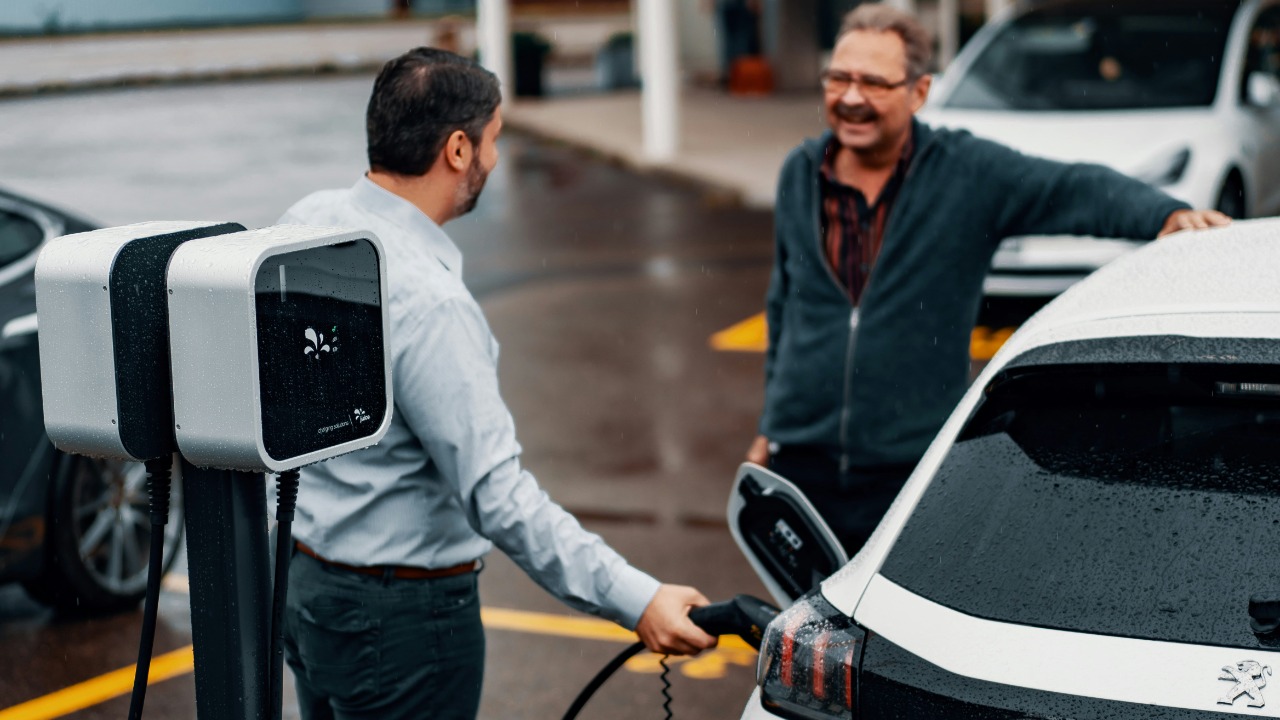
A common belief is that fast charging will significantly degrade an EV’s battery over time. While it’s true that frequent fast charging can cause more wear than slower charging, this effect is often overstated. Manufacturers design EV batteries to handle fast charging effectively, and most users won’t experience noticeable battery degradation during typical ownership periods. In fact, the impact on battery longevity is often minimal compared to other factors such as temperature and usage patterns.
For those concerned about battery health, it’s worth noting that manufacturers often include battery management systems that help mitigate potential damage from fast charging. Furthermore, many EVs come with warranties that cover battery performance, offering peace of mind. For more detailed insights, check out this resource that dives into the intricacies of battery health.
All Fast Chargers Are Created Equal
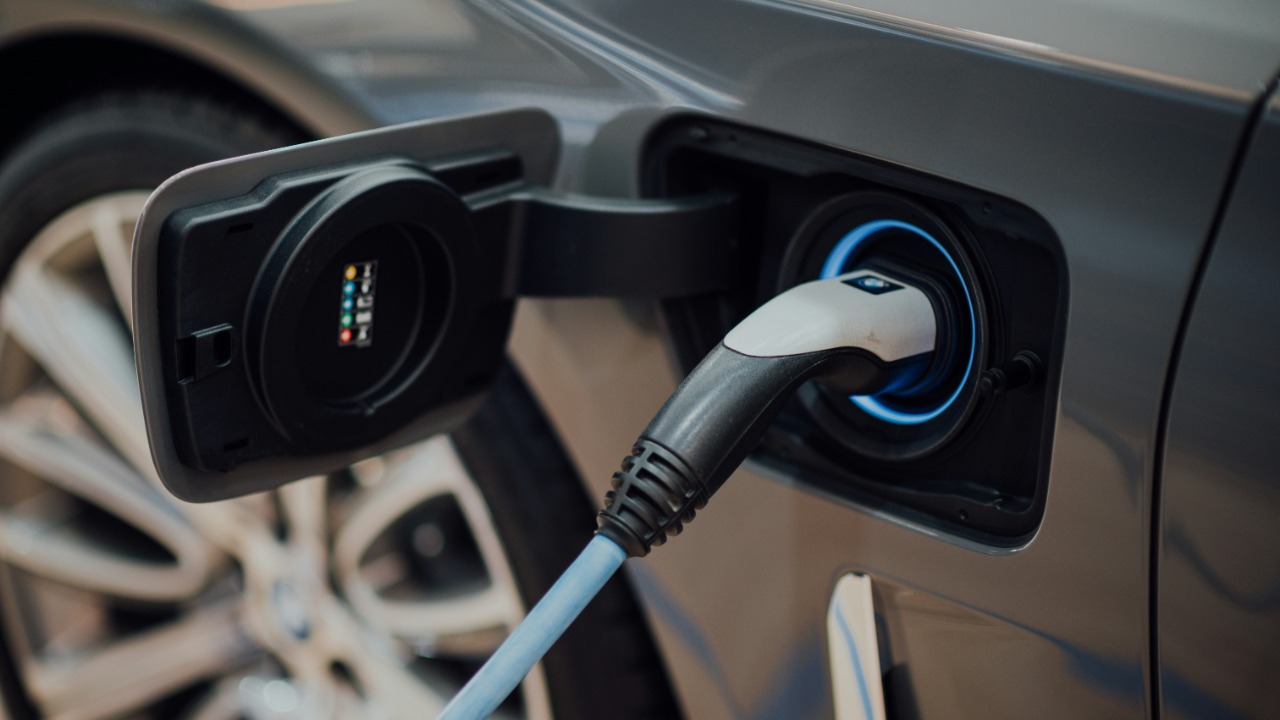
Another misconception is that all fast chargers offer the same performance. In reality, fast chargers vary in terms of power output, which directly affects charging speed. Level 3 chargers, commonly known as DC Fast Chargers, can deliver different power levels, ranging from 50 kW to over 350 kW. The charging speed you experience will depend on both the charger and your vehicle’s charging capability.
It’s important to understand your EV’s charging specifications to make the most of available infrastructure. Some vehicles can only take advantage of lower power levels, regardless of the charger’s capacity. For more in-depth information, you can learn more from this EPA guide on electric vehicle myths.
Fast Charging Is Dangerous for Your EV
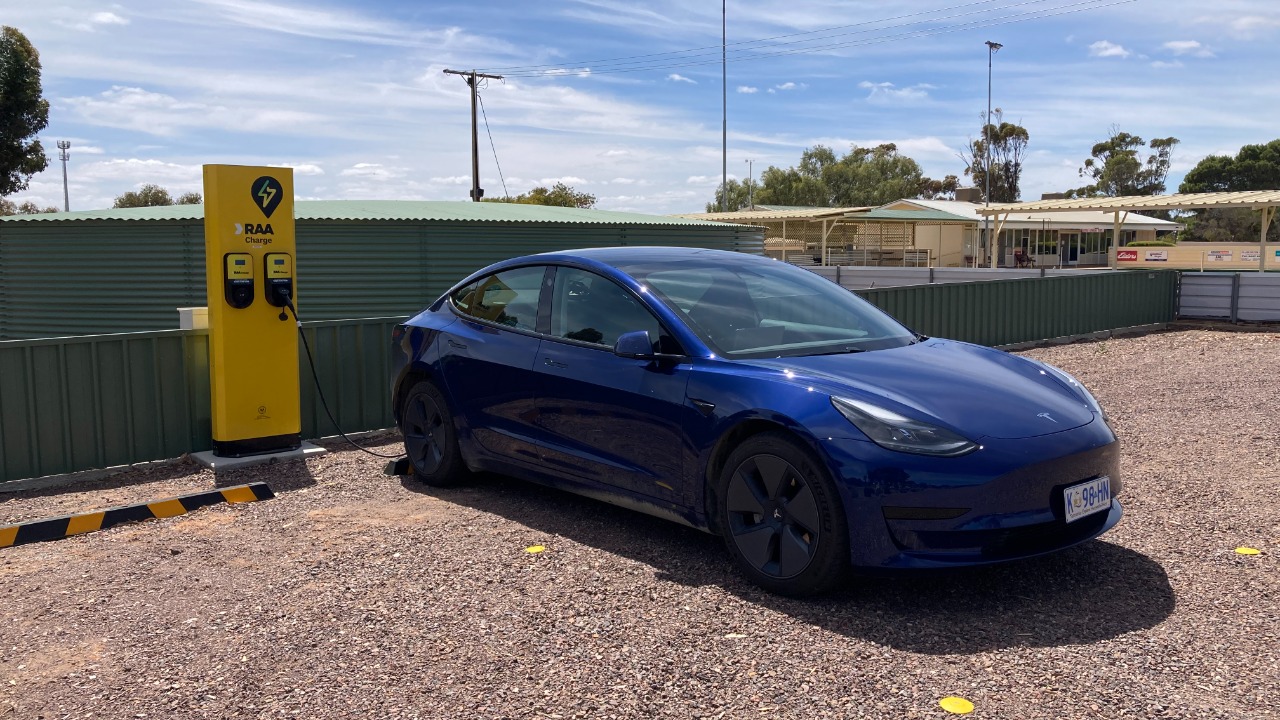
Concerns about fast charging being dangerous for EVs are largely unfounded. Modern EVs are equipped with sophisticated battery management systems that regulate charging to ensure safety. These systems prevent overheating and other issues that could potentially harm the vehicle.
While early EV models may have faced challenges with fast charging, advancements in technology have greatly improved safety standards. Fast charging stations are also designed with multiple safety features to ensure secure and reliable charging. For further reading, consider checking out this Business Insider article that debunks several EV myths.
Fast Chargers Are Only for Long Trips
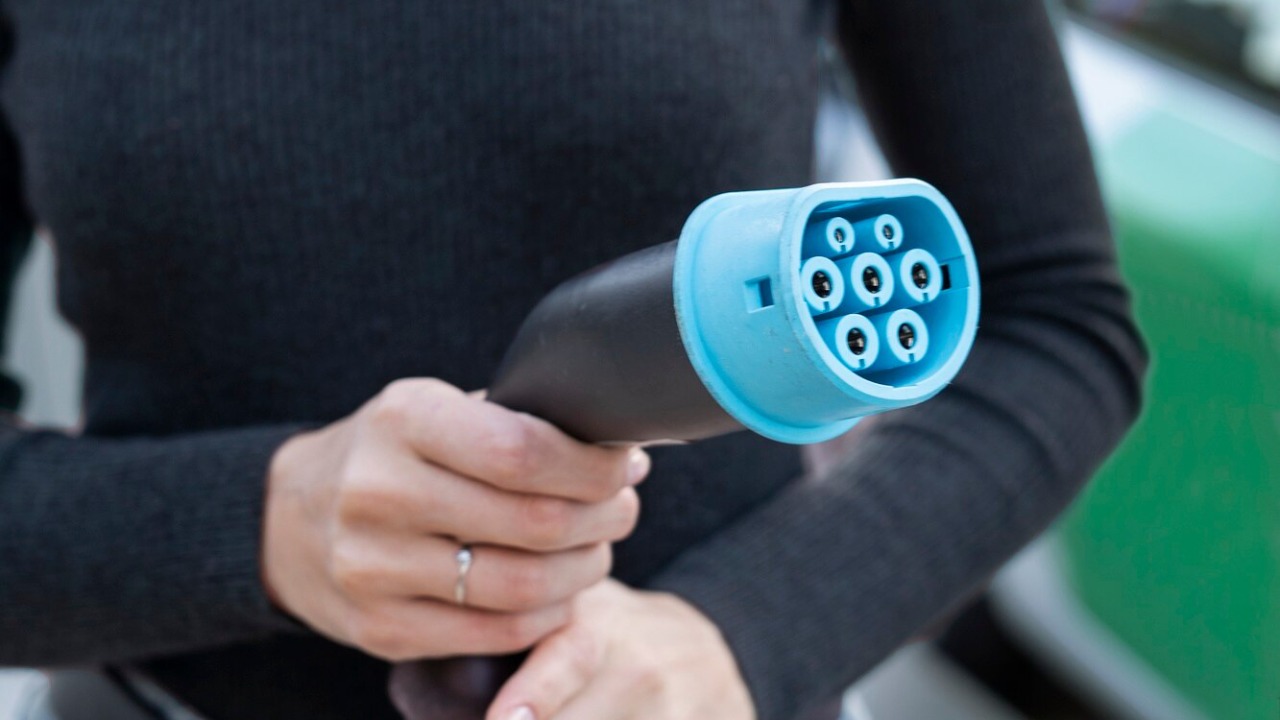
Many drivers assume that fast chargers are only necessary for long-distance travel. While they are indeed convenient for road trips, fast chargers can also be practical for everyday use. For individuals with busy schedules who need a quick charge during the day, fast chargers provide a time-efficient solution.
In urban areas, where home charging might not be feasible, fast chargers offer a viable alternative. They can help bridge the gap for those who lack access to overnight charging facilities. Experts now say that EVs and their charging infrastructure are more versatile than many people think. If you’re curious about these developments, explore this article by experts on the subject.
Fast Charging Costs a Fortune
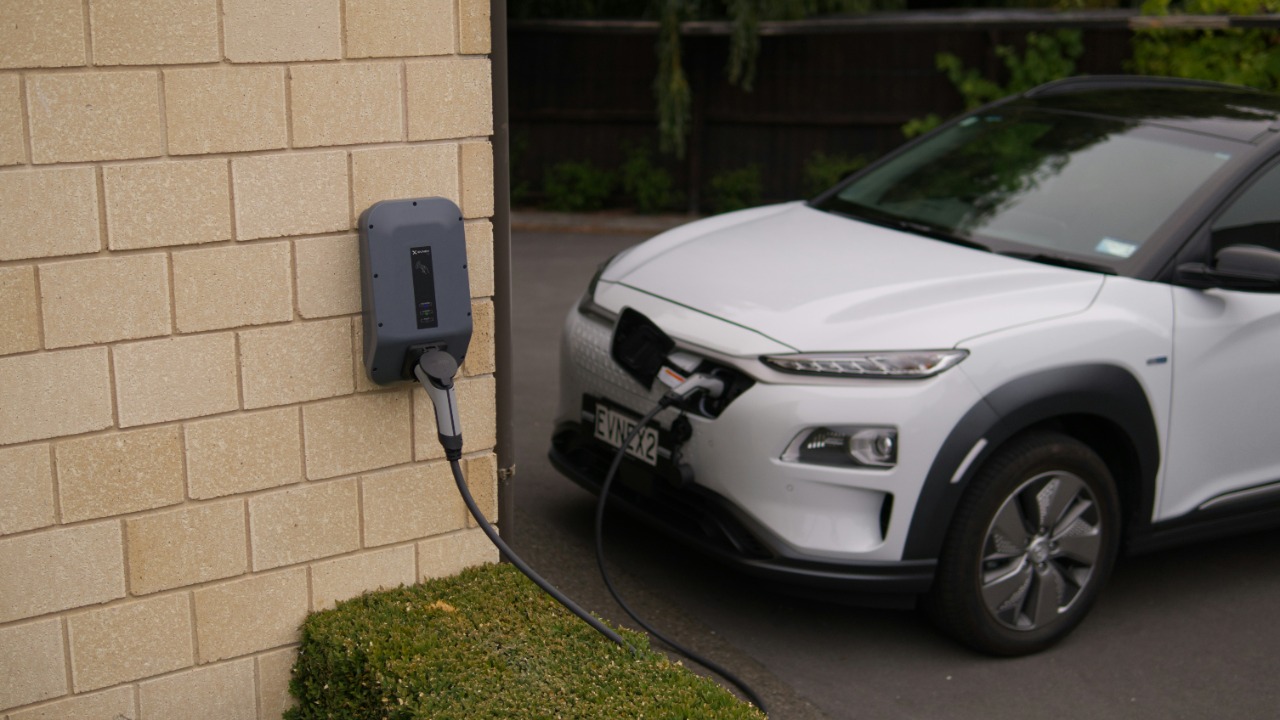
There’s a perception that fast charging is prohibitively expensive, but this isn’t always the case. While it can be costlier than home charging, the price varies based on location, provider, and subscription plans. Some networks offer reduced rates for members or off-peak usage, making fast charging more affordable.
Moreover, the convenience and time saved can justify the cost, especially for those who require quick recharges. As competition among charging networks increases, prices are likely to become more competitive, benefiting consumers. For a comprehensive look at the economics of EV charging, this study provides valuable insights into sustainable transport.
Fast Charging Is Bad for the Environment
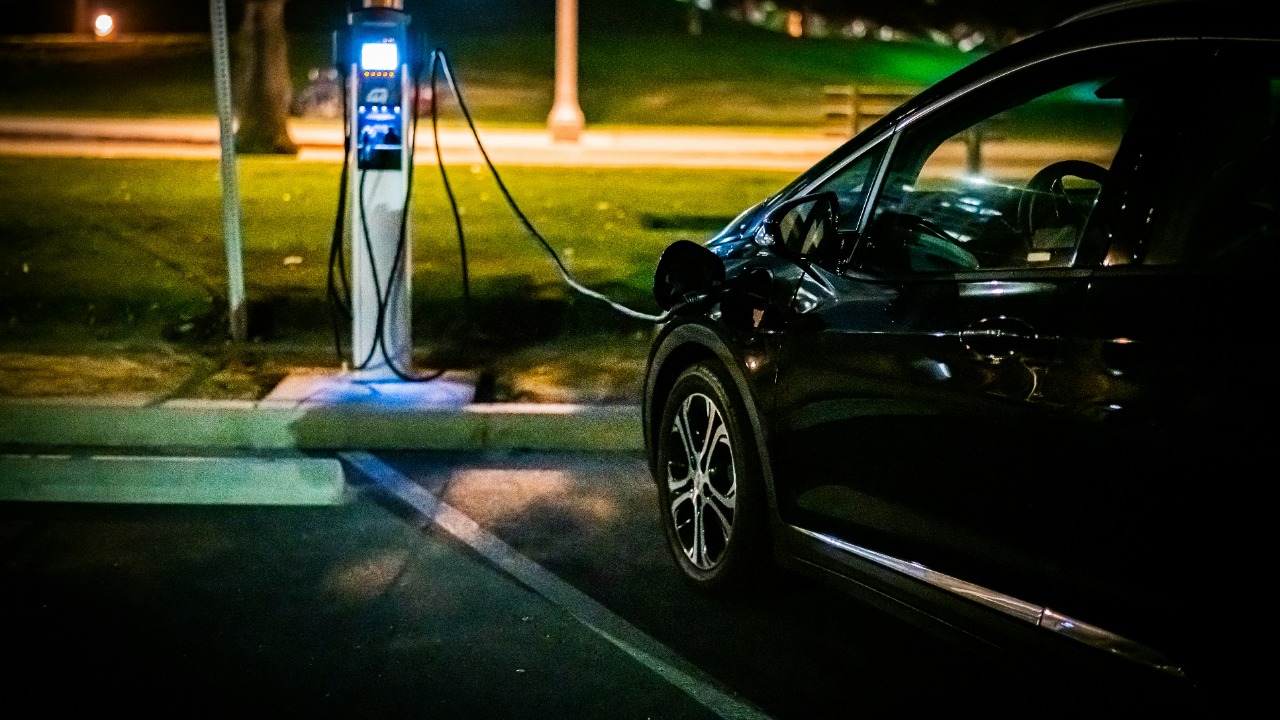
Some argue that fast charging is environmentally harmful due to its energy demands. However, the environmental impact largely depends on the energy source. Many charging networks are investing in renewable energy to minimize carbon footprints, making fast charging more sustainable.
As the grid becomes greener, the environmental benefits of fast charging will increase. It’s crucial to support and advocate for cleaner energy sources to further enhance the sustainability of EVs. To understand more about the environmental aspects of EVs, consider reading this Business Insider article that explores EV-related myths.
