As we make our way through 2025, our reliance on technology continues to grow. However, this escalating dependence has led to a few setbacks, particularly in the aviation industry. Several devices have been banned by airlines due to numerous safety and privacy concerns. Here are six such devices that you should be aware of before your next flight.
Hoverboards: A Safety Concern Too Big to Ignore
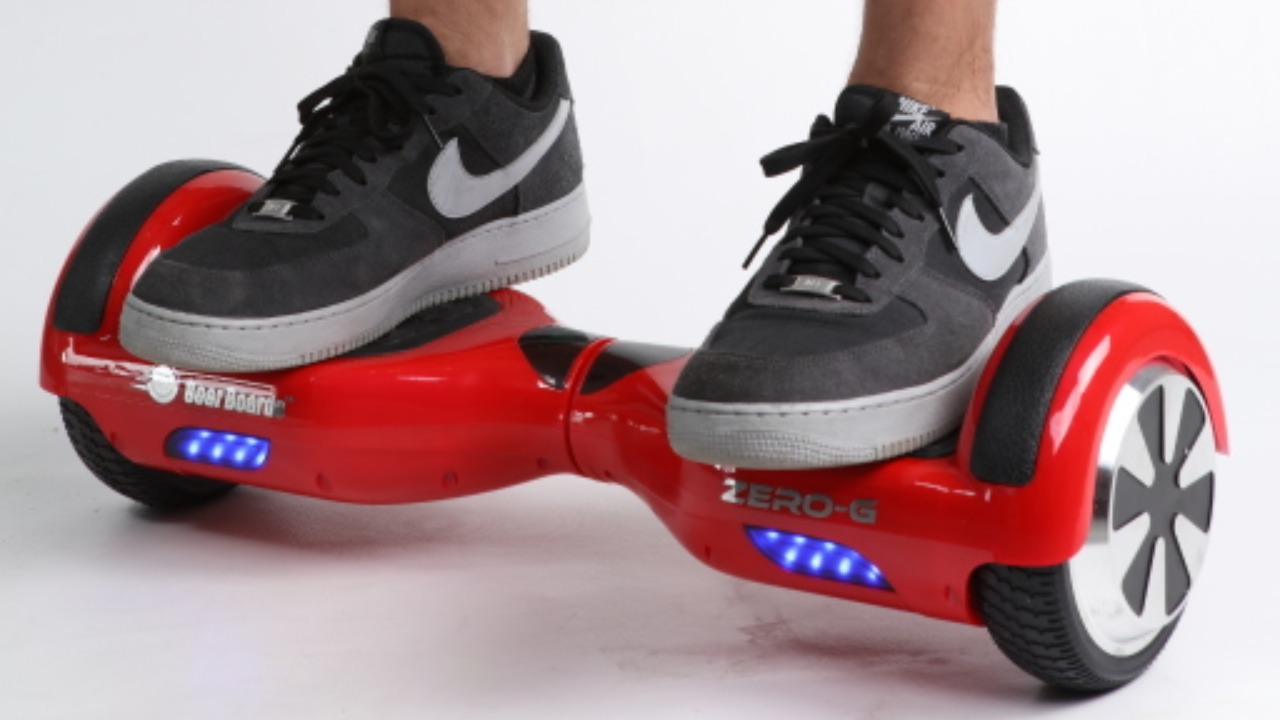
The first on our list is hoverboards. These self-balancing scooters, while fun and trendy, have been deemed too dangerous for air travel. The issue primarily lies with the lithium-ion batteries used in these devices. They have a high risk of overheating and, in some cases, can cause a fire. This poses a significant risk in the confined space of an airplane, leading to their ban. FAA warns airlines of this rising lithium battery fire risk in passenger cabins.
Smart Luggage: The Hidden Battery Risk

Smart luggage, with features like GPS trackers, USB ports, and even built-in scales, may seem like the perfect travel companion. However, much like hoverboards, these also pose a risk due to their lithium-ion batteries. The risk is even more significant if the battery is non-removable, as it cannot be isolated in case of overheating or a short circuit. Consequently, several airlines have banned smart luggage unless the battery can be removed. Here’s an explainer on the smart luggage ban.
Wireless Charging Mats: Interference Risks with In-Flight Systems
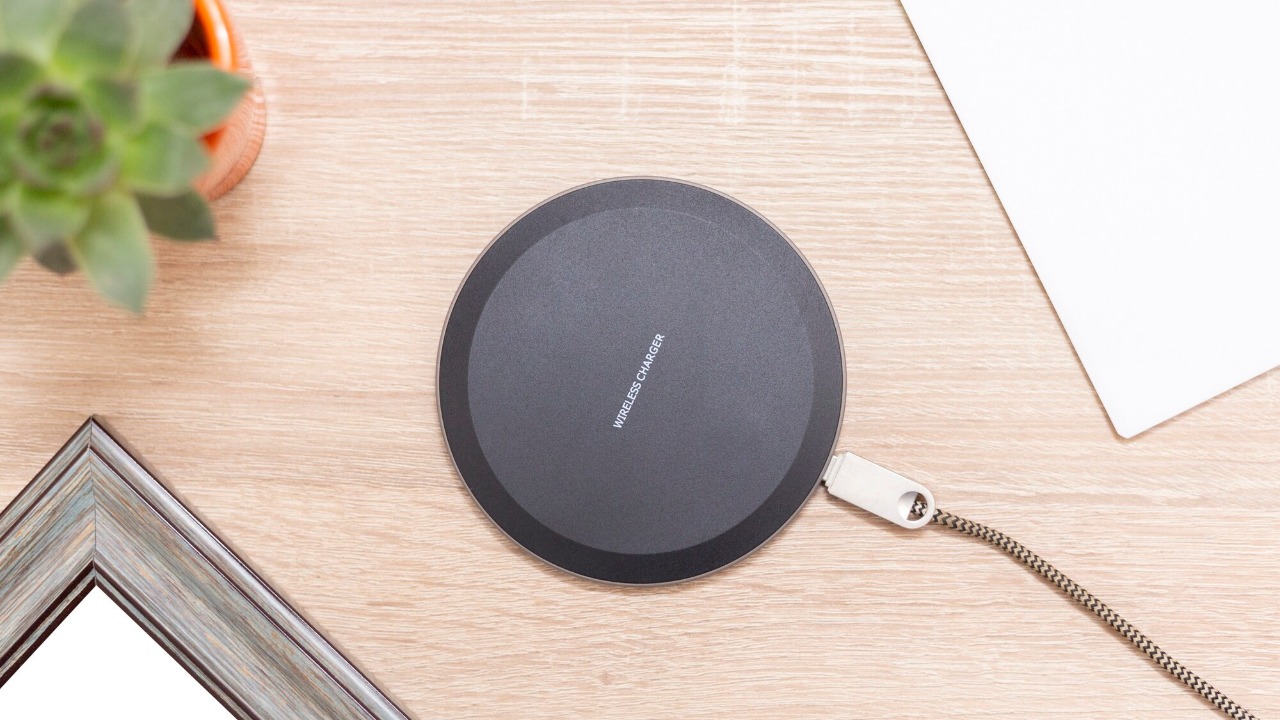
Wireless charging mats might be convenient, but they are not welcome on all flights. These devices can cause electromagnetic interference that affects the aircraft’s navigation and communication systems. The interference can be so significant that it compromises the safety of the flight, leading to a ban on these devices. For more information on this, check out this video.
High-Powered Laser Pointers: A Threat to Aviation Safety
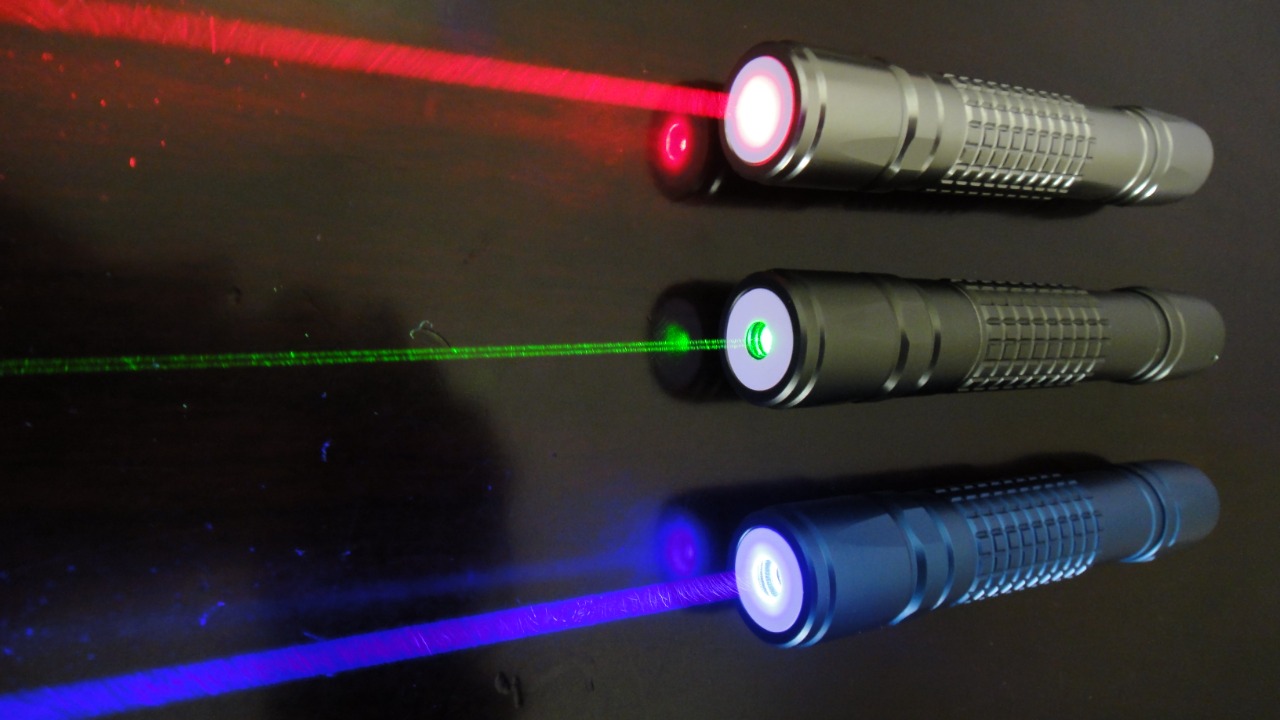
High-powered laser pointers, often used for presentations or as a hobby gadget, are another device banned on flights. When directed at aircraft, these lasers can temporarily blind pilots and lead to serious accidents. Although a small device, the potential harm it can cause is substantial enough for airlines to prohibit it.
Voice-Activated Personal Assistants: Privacy Issues in the Sky
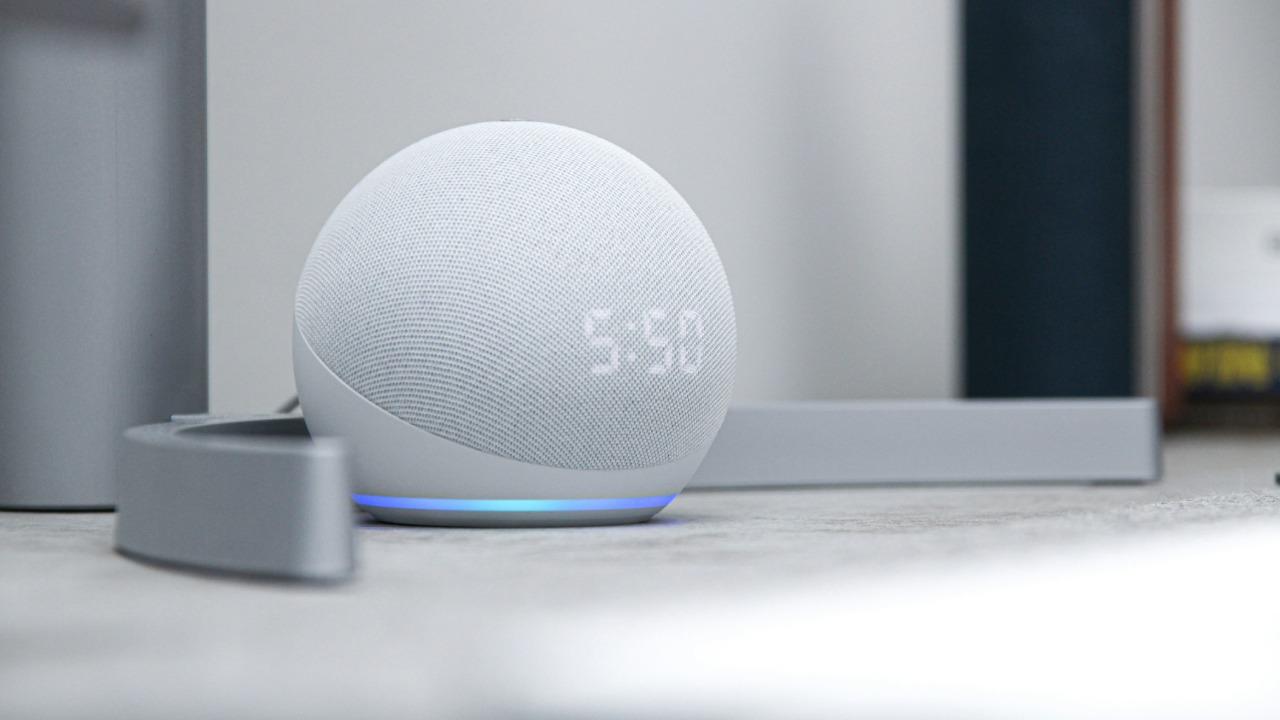
Voice-activated personal assistants, like Amazon’s Alexa or Google Home, have become increasingly popular over the years. However, these devices have been banned on flights due to privacy concerns. These assistants are always listening, raising concerns over passenger privacy and confidential business discussions that may be occurring on the flight. You can learn more about these concerns in this research article.
Augmented Reality Glasses: A Potential Distraction for Passengers and Crew
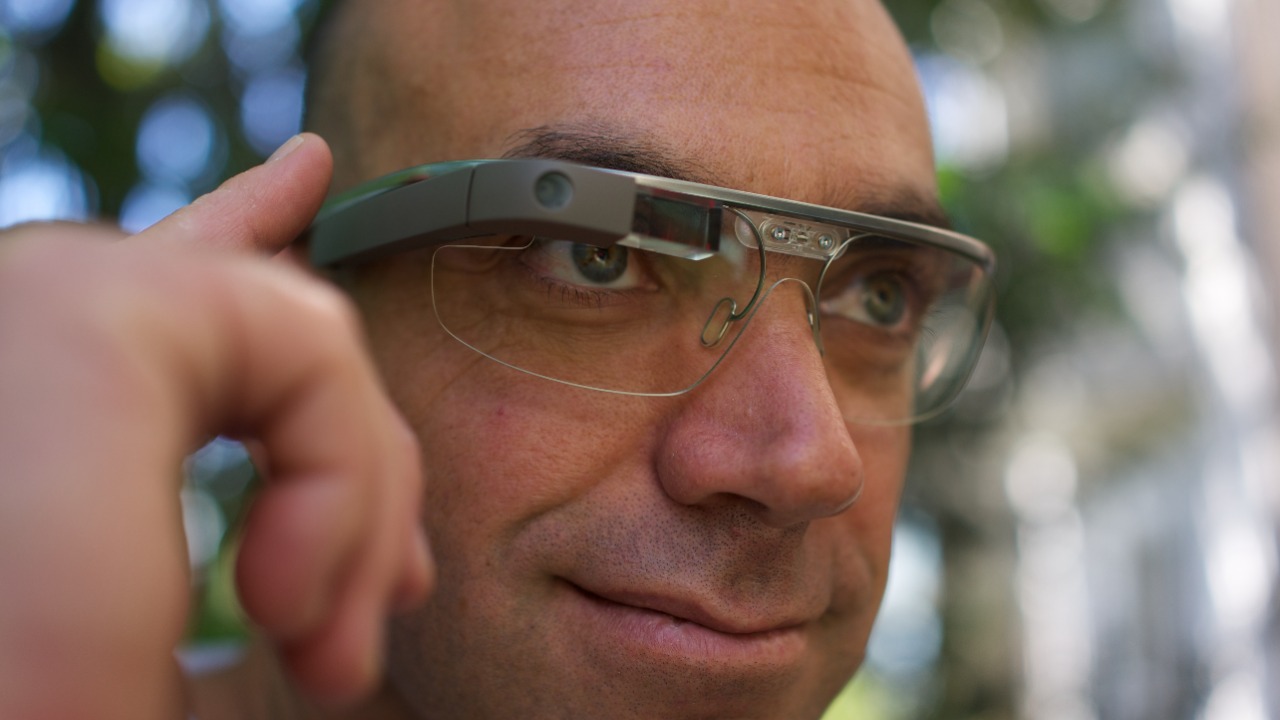
Lastly, augmented reality glasses, like Google Glass or Microsoft’s HoloLens, have also been banned. While these devices offer an exciting technological experience, they can cause significant distraction for both passengers and crew members. This distraction can inhibit emergency instructions and disrupt the flight’s general safety. More about the potential distractions can be found in this video.
