Throughout history, some bridges have stood as remarkable achievements in engineering, defying the initial skepticism of experts. Despite the predictions that they could never be constructed, these structures have become iconic landmarks. Here are six bridges that overcame engineering doubts to stand the test of time.
Brooklyn Bridge
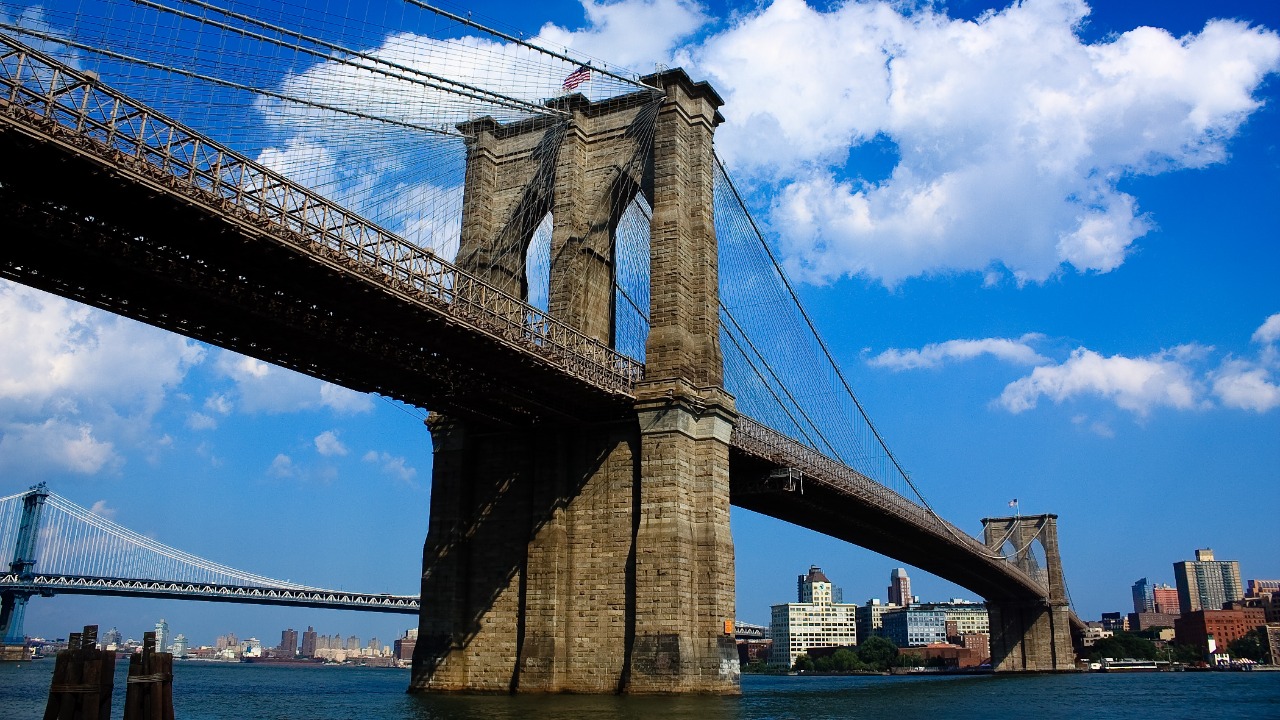
The Brooklyn Bridge, completed in 1883, was the first steel-wire suspension bridge and the longest suspension bridge in the world at the time. Skeptics doubted its feasibility due to the unprecedented span and the use of steel cables, a novel material back then. The bridge’s designer, John A. Roebling, faced numerous challenges, including the death of workers and his own injuries during construction.
Despite these hurdles, the bridge was completed under the supervision of Roebling’s son, Washington Roebling, who continued the project bedridden due to decompression sickness. The Brooklyn Bridge remains a testament to innovative engineering and the determination to overcome adversity.
Golden Gate Bridge
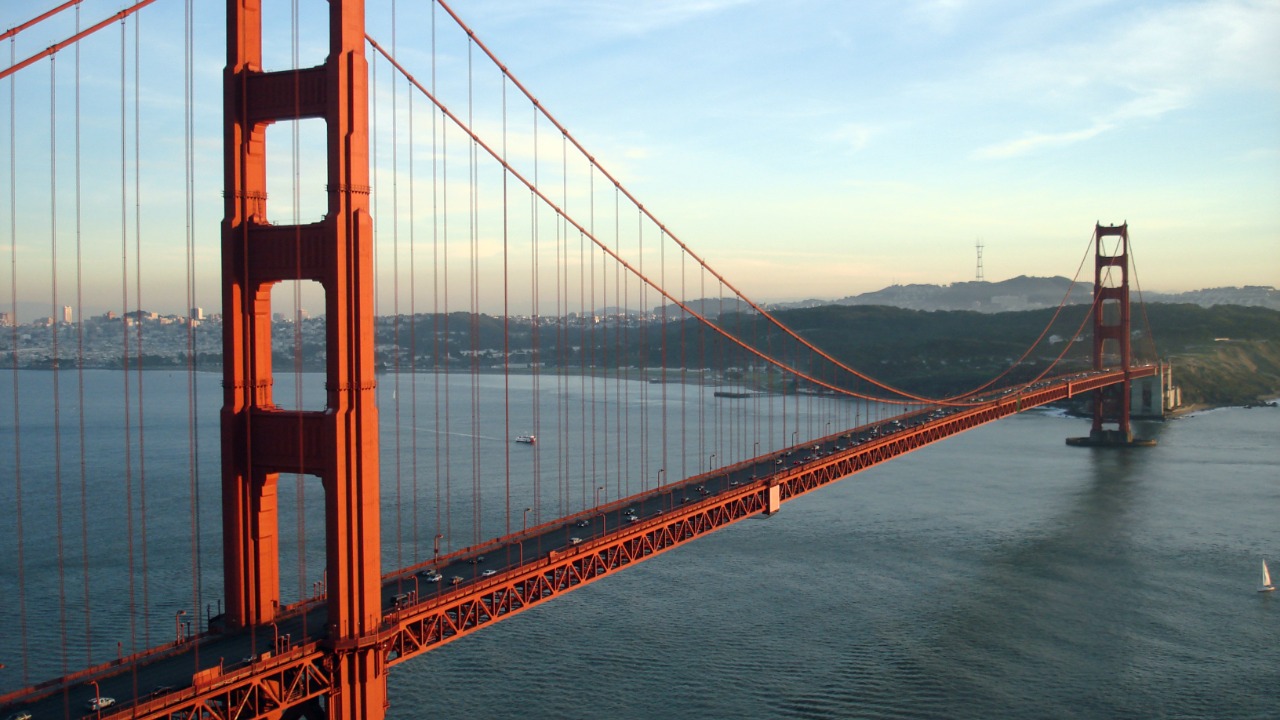
When the Golden Gate Bridge was proposed, many engineers deemed it impossible due to the strong winds, deep water, and foggy conditions of the San Francisco Bay. Chief engineer Joseph Strauss faced skepticism about his ability to span the 4,200-foot distance, a then-record for suspension bridges.
Completed in 1937, the bridge became an iconic symbol of San Francisco, blending Art Deco design with groundbreaking engineering. Its completion demonstrated the potential of modern engineering to conquer even the most challenging natural obstacles.
Sydney Harbour Bridge
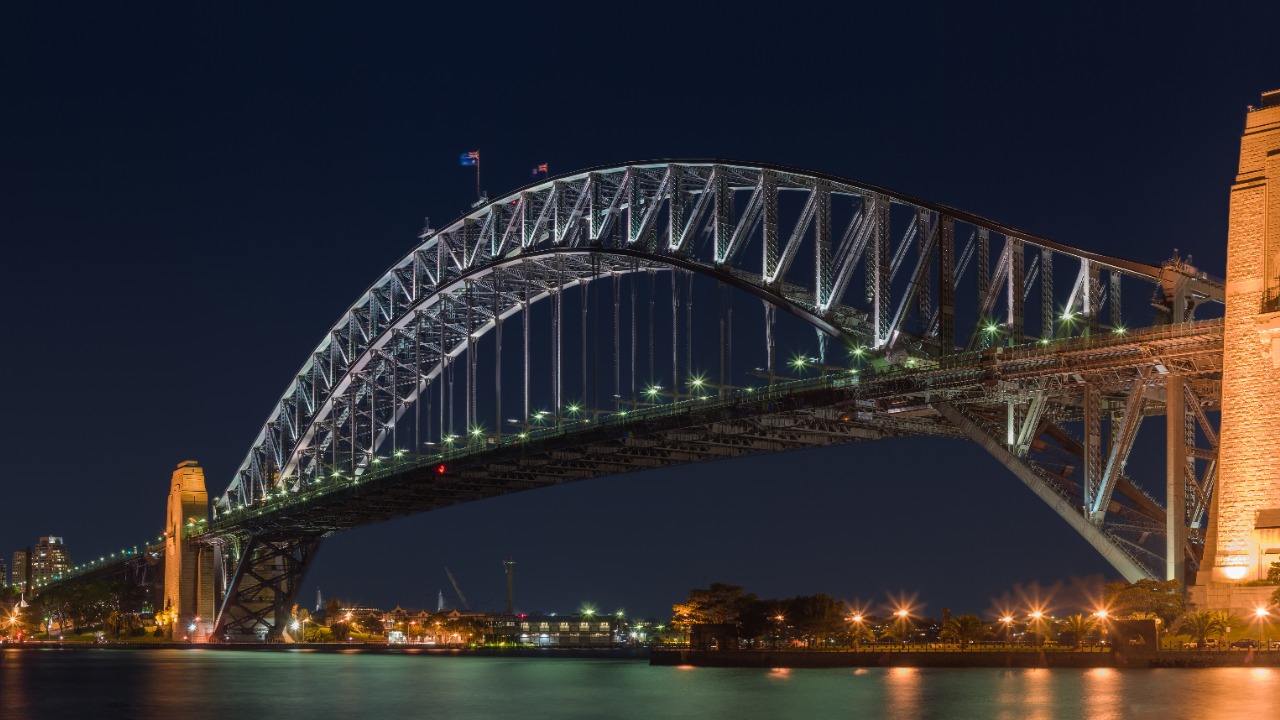
The Sydney Harbour Bridge faced doubts primarily because of its sheer size and the economic conditions during its construction. Known as the “Coathanger,” the bridge had to contend with the Great Depression, which limited resources and manpower.
Despite these challenges, the bridge was completed in 1932, providing a much-needed economic boost and improving transportation across Sydney Harbour. Its enduring strength and iconic profile continue to be celebrated as an engineering masterpiece.
Akashi Kaikyō Bridge
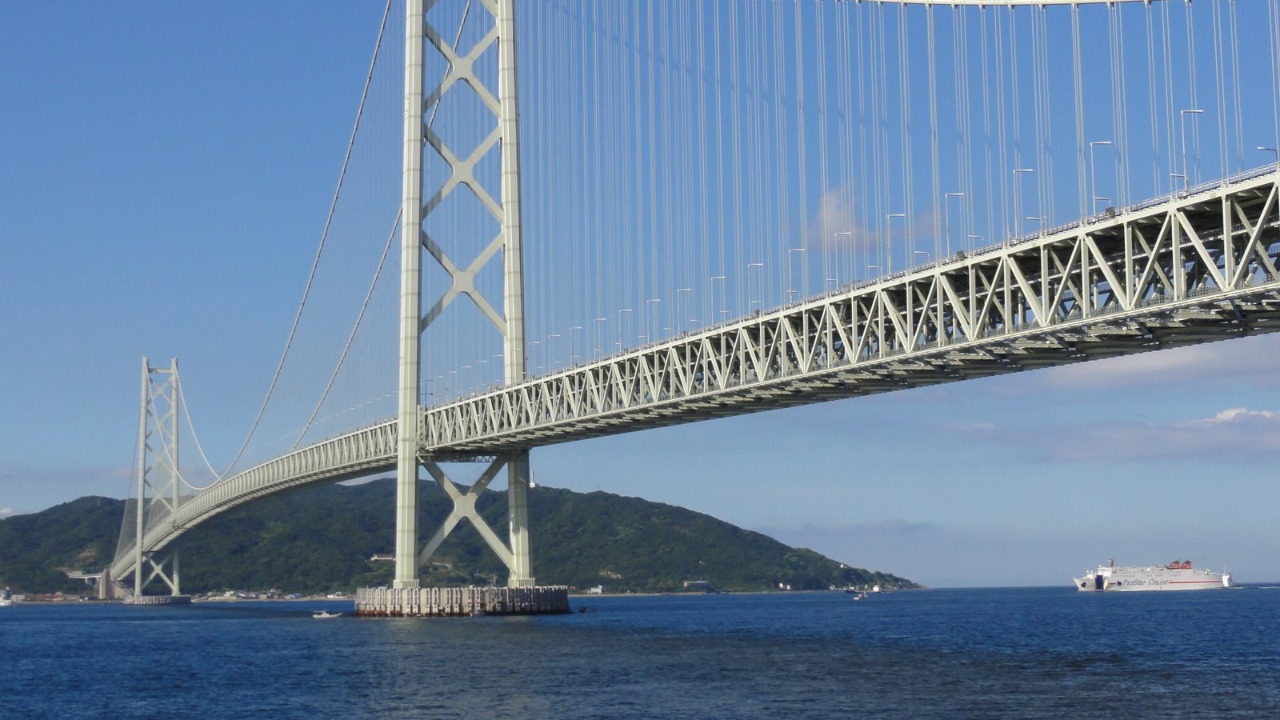
Originally, the Akashi Strait was deemed too treacherous for a bridge due to its width and frequent typhoons. However, the design of the Akashi Kaikyō Bridge overcame these natural challenges with its innovative design and technology.
Completed in 1998, it remains the world’s longest suspension bridge, with a central span of 1,991 meters. The bridge’s construction included cutting-edge seismic design to withstand the frequent earthquakes in the region, making it a marvel of modern engineering.
Millau Viaduct
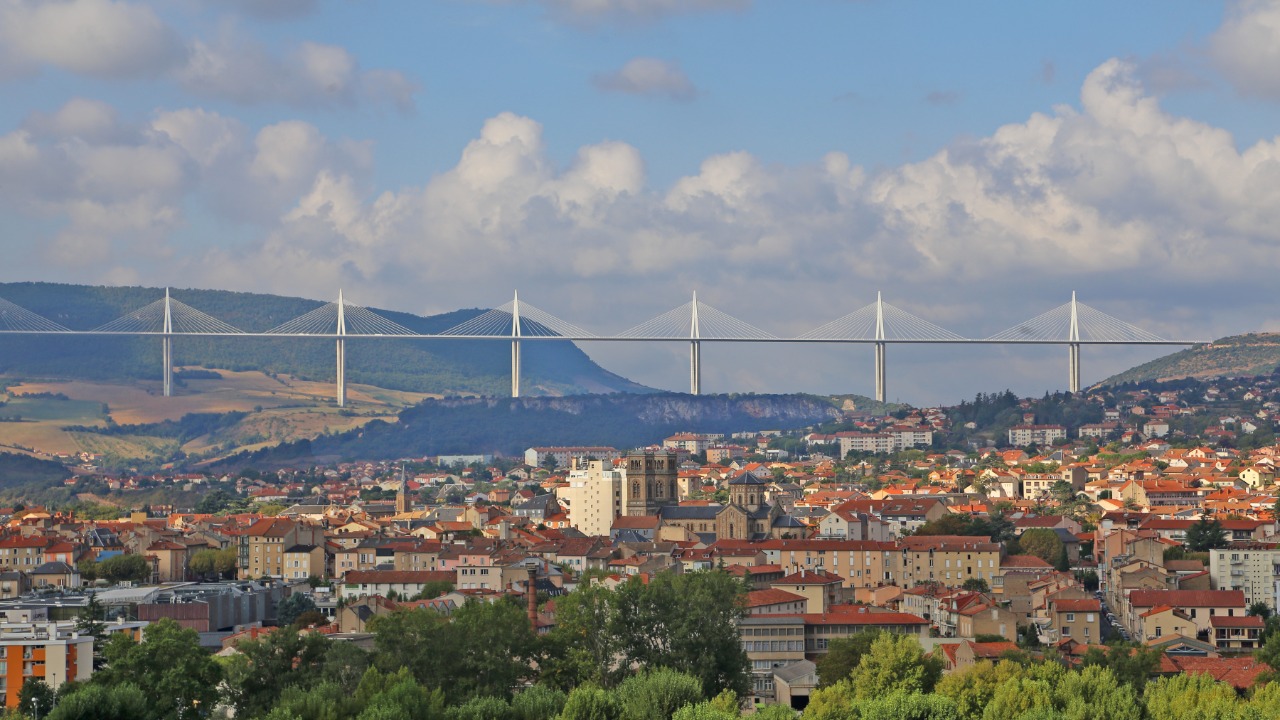
The Millau Viaduct in France, completed in 2004, faced skepticism due to its height and the complexity of building a structure over the Tarn River Gorge. Engineers had to design a cable-stayed bridge with pylons taller than the Eiffel Tower.
The viaduct’s construction involved innovative techniques, including launching sections of the bridge from one end to the other, minimizing environmental impact. The resulting structure not only solved traffic congestion issues but also became an architectural landmark celebrated for its elegance and functionality.
Øresund Bridge
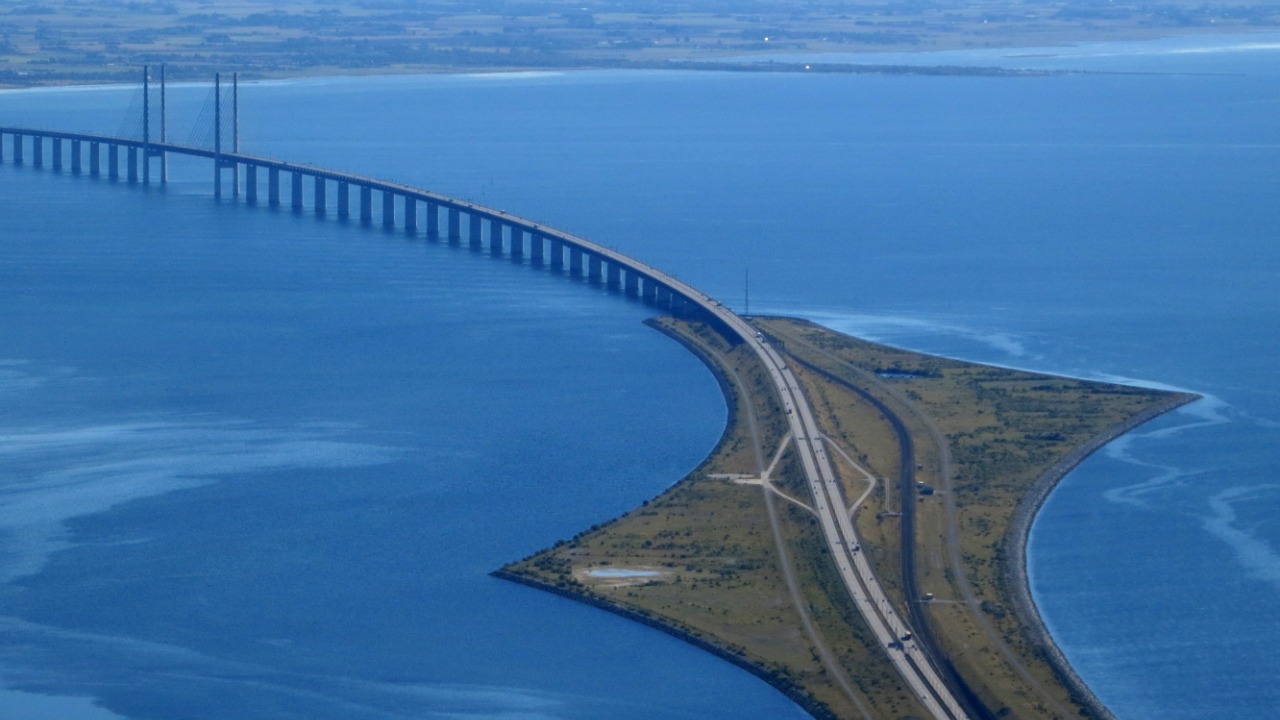
The Øresund Bridge connects Sweden and Denmark, stretching over a body of water known for its strong currents and icy conditions. Initially deemed too risky and expensive, the project’s success hinged on international collaboration and innovative engineering solutions.
Opened in 2000, the bridge-tunnel combination seamlessly integrates road and rail transport, significantly boosting economic ties between the two countries. The Øresund Bridge exemplifies how modern engineering can overcome geographical and political challenges to unite regions.
