
In a world where digital security is paramount, it’s crucial to be aware of the vulnerabilities that certain apps can introduce to your personal data. From social media platforms to free VPN services, some apps might leave you more susceptible to hacking. Understanding these risks can help you take proactive steps to protect yourself.
Social Media Platforms

Social media apps are a treasure trove of personal information, making them prime targets for hackers. These platforms often require users to share personal data, which can be exploited if security settings are not configured properly.
Additionally, attackers can use social engineering techniques to gain access to accounts. Remember that even implementing strong passwords and enabling two-factor authentication can significantly reduce these risks.
Public Wi-Fi Connection Apps

Public Wi-Fi networks are convenient, but they can also be a major security risk. Apps that facilitate connections to these networks often lack the necessary security measures, leaving your data exposed to potential interception by cybercriminals. This is especially concerning when you conduct sensitive activities, such as online banking, over public Wi-Fi.
Using a trusted VPN service can offer an added layer of protection.
File Sharing Applications

File sharing apps are designed for convenience, but they can also be vectors for malware and unauthorized access to your files. Without proper encryption and security protocols, these apps can expose your data to cyber threats.
Always check the security features of the file-sharing platform you choose and ensure that sensitive data is shared only with trusted parties.
Unsecured Messaging Apps

Messaging apps that do not offer end-to-end encryption can leave your conversations vulnerable to interception. Hackers can exploit these vulnerabilities to access sensitive information shared over these platforms. Opting for messaging apps that prioritize security and offer encryption by default can help protect your communications from prying eyes.
Outdated Browser Extensions

Browser extensions can enhance your online experience, but outdated or untrustworthy ones can create an easy entry point for hackers. These extensions may have security flaws that can be exploited if they are not regularly updated.
It’s essential to keep your extensions updated and remove any that you no longer use or that are from unverified developers. This practice can help maintain the security of your browsing activities.
Free VPN Services
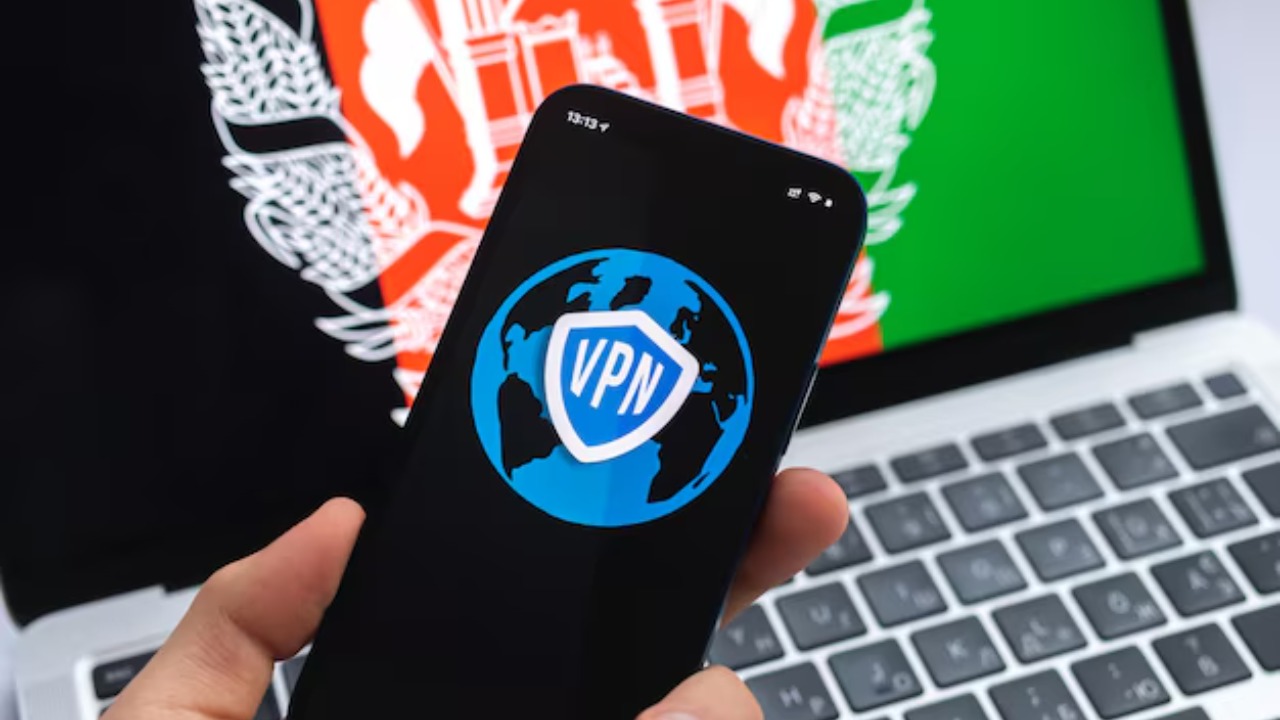
While VPNs are generally used to enhance online security, free VPN services can sometimes do more harm than good. These services may collect and sell your data, or they may not provide adequate encryption, leaving your online activities exposed. It’s wise to invest in a reputable VPN service that prioritizes user privacy and security.
Learn how improved security features can offer peace of mind when navigating the internet.
