
These days, smartphones are capable of tracking our movements with surprising accuracy. Many apps continue to know your location even when you think you’ve turned off location services. Get ready to be informed about how these apps manage to pinpoint your whereabouts.
Social Media Apps
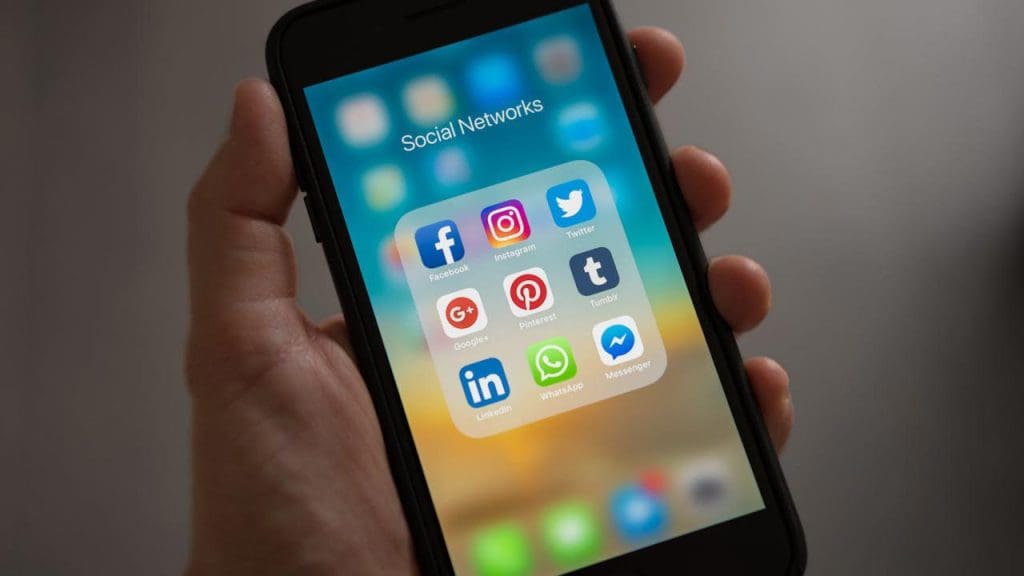
Social media platforms are designed to keep us connected, but they also track our movements. Even when location services are turned off, these apps can tap into your IP address, Wi-Fi connections, and other data points to pinpoint your location. This is often done for targeted advertising or to show location-based content, but it can feel intrusive. For those concerned about privacy, it’s important to understand how these apps operate. For more on the topic, check out this comprehensive guide.
Weather Forecasting Apps
Weather apps are notorious for tracking your whereabouts even without explicit permission. They often require access to your location to provide accurate forecasts. However, some apps collect location data through other means like IP addresses or network triangulation. This information can be shared with third parties for advertising purposes. To learn more about how apps might be using your data, visit this Quora discussion on the subject.
Fitness Tracking Apps

Fitness trackers are essential for health enthusiasts but can also be a source of constant location monitoring. These apps can deduce your location by analyzing movement patterns, syncing with other apps, or through built-in sensors. While they help in tracking your fitness goals, this kind of data collection can be unsettling. If you’re curious about whether someone could be spying on your phone through such apps, explore this guide from Top10VPN.
Photo Editing Apps

It might surprise you, but some photo editing apps can access your location data. They often do this to enhance user experience by tagging locations or offering location-based features. However, this can lead to privacy concerns, especially if the app shares your data with third-party advertisers. For a deeper understanding of how these apps might track you, consider reading this IEEE research paper.
Shopping and E-commerce Apps
Shopping apps are big players in the data collection game, often tracking your location to offer personalized deals and promotions. They can determine your whereabouts through purchase history, IP addresses, and even when location settings are off. This can enhance your shopping experience, but it also raises privacy flags. For a community perspective on this issue, check out this Reddit thread.
Messaging and Communication Apps

Messaging apps, while essential for keeping us connected, can also keep tabs on your location. They might do this through your IP address or by accessing metadata even when location services are disabled. This information can be used for various purposes, including targeted ads or data analytics. Staying informed about these practices can help you make better choices about the apps you use.
