Throughout history, humans have displayed remarkable ingenuity in mining, developing technologies that seem astonishingly advanced for their time. These ancient mines offer a glimpse into the sophisticated techniques and laborious efforts of past civilizations. Let’s explore six of these extraordinary mining sites.
Great Orme Copper Mine, Wales
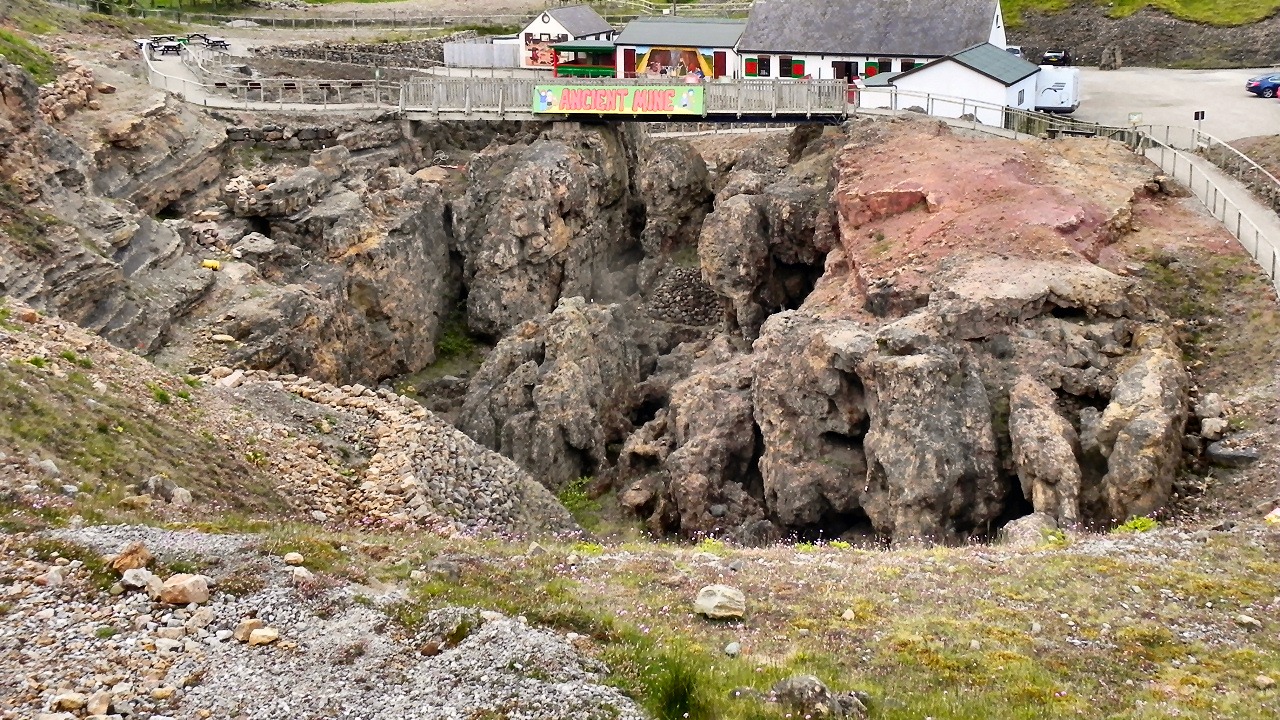
The Great Orme Copper Mine in Wales is a testament to the ingenuity of prehistoric miners. Dating back to the Bronze Age, this site contains a vast network of tunnels and shafts that stretch over five miles. Its discovery in the 1980s revealed that ancient miners used bone tools and stone hammers to extract copper ore—an effort that required both skill and coordination.
What makes the Great Orme mine particularly intriguing is the scale and complexity of the operation. The site is believed to have produced an estimated 1,760 tonnes of copper over its operational period. The mine’s impressive engineering suggests a well-organized community that understood the importance of this metal, which was pivotal in advancing tools and weaponry during that era. For more insights into the historical aspects of mining, visit this detailed article.
Rio Tinto Mines, Spain
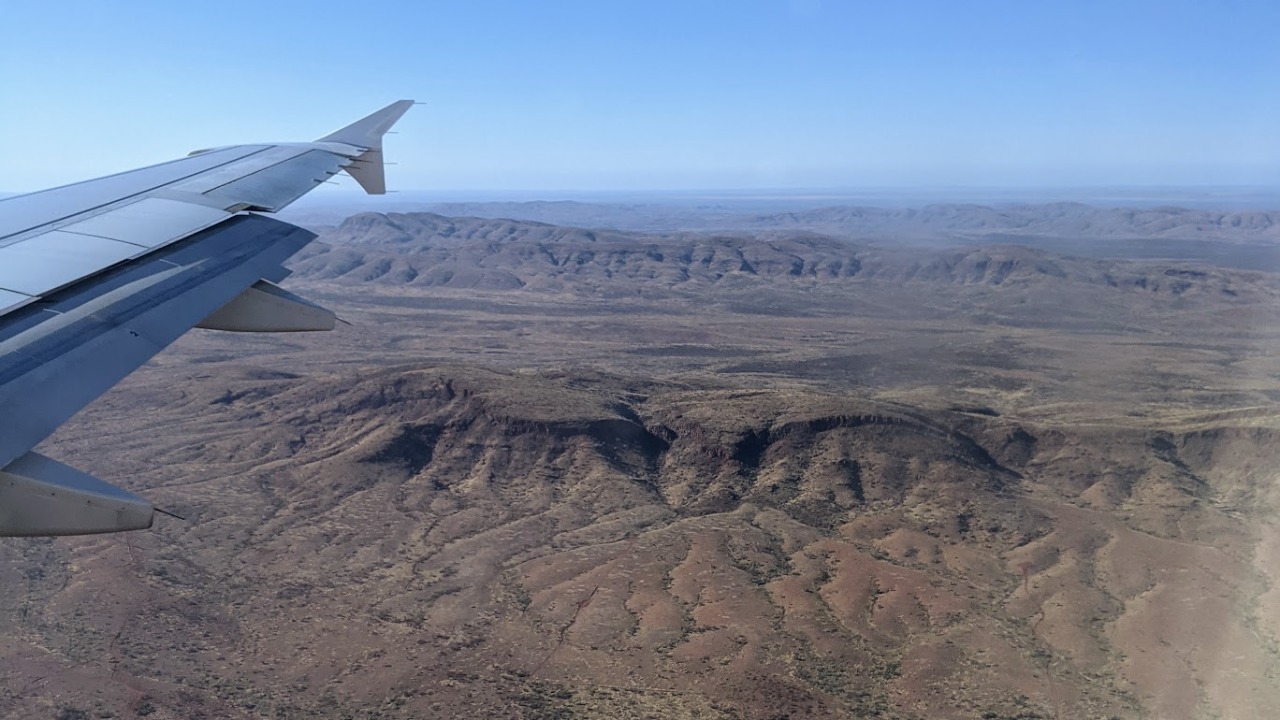
The Rio Tinto Mines in Spain are among the oldest documented mines in the world, with a history spanning approximately 5,000 years. Renowned for their rich deposits of copper, silver, and gold, these mines were extensively worked by early civilizations, including the Iberians, Romans, and Moors. The complex network of open pits and underground tunnels demonstrates advanced mining techniques for its time.
Historically, the site’s significance is not only due to its mineral wealth but also due to its role in the industrial development of the region. The Romans, in particular, utilized advanced methods such as hydraulic mining to increase extraction efficiency. Today, the Rio Tinto Mines serve as a vivid reminder of the technological prowess of ancient societies. Learn more about the broader history of mining at Wikipedia’s mining page.
Laurion Silver Mines, Greece
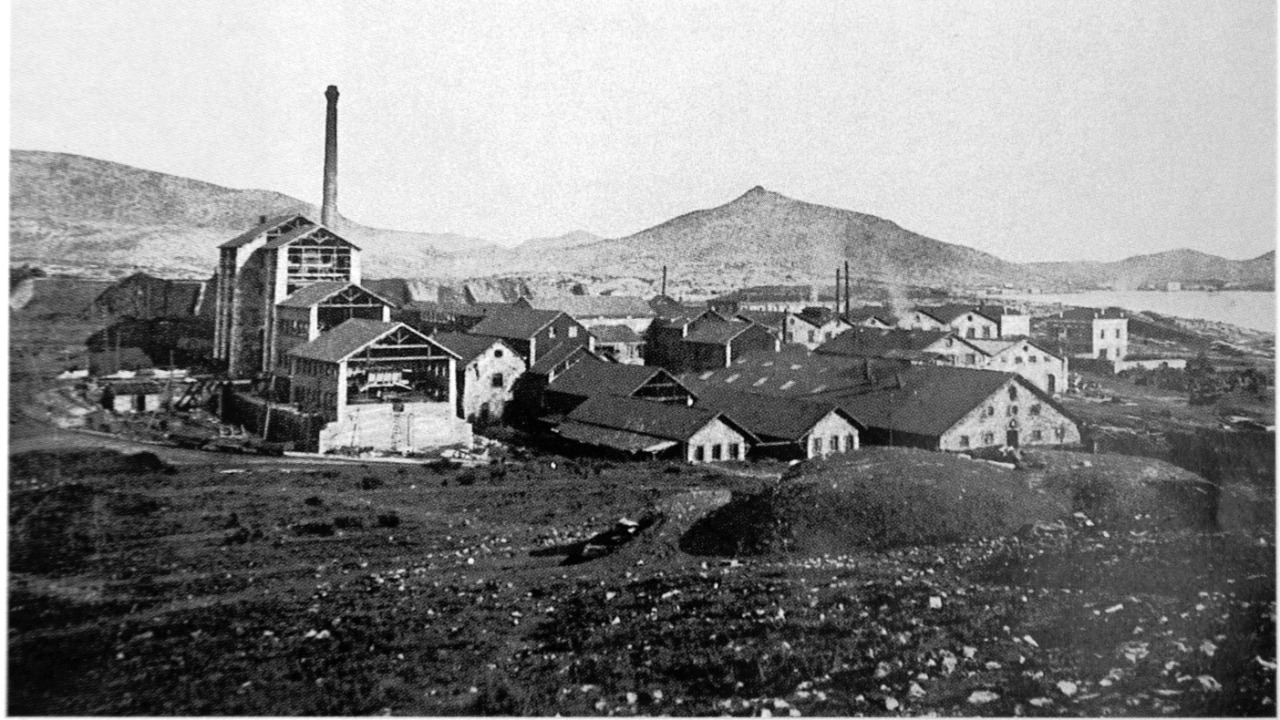
The Laurion Silver Mines, located near Athens, were central to the prosperity of ancient Greece. These mines were a key source of the silver that funded the construction of the Athenian fleet, which played a crucial role in the defeat of the Persian Empire. The mines operated from as early as 1000 BC and were known for their intricate system of shafts and galleries.
What sets the Laurion mines apart is their contribution to the development of the Athenian economy and democracy. The revenues generated from silver mining were instrumental in establishing Athens as a powerful city-state. The mines also reflect the social aspects of ancient Greece, where slave labor was extensively used. For a deeper exploration of ancient mining practices, check out this comprehensive book.
Timna Valley Mines, Israel
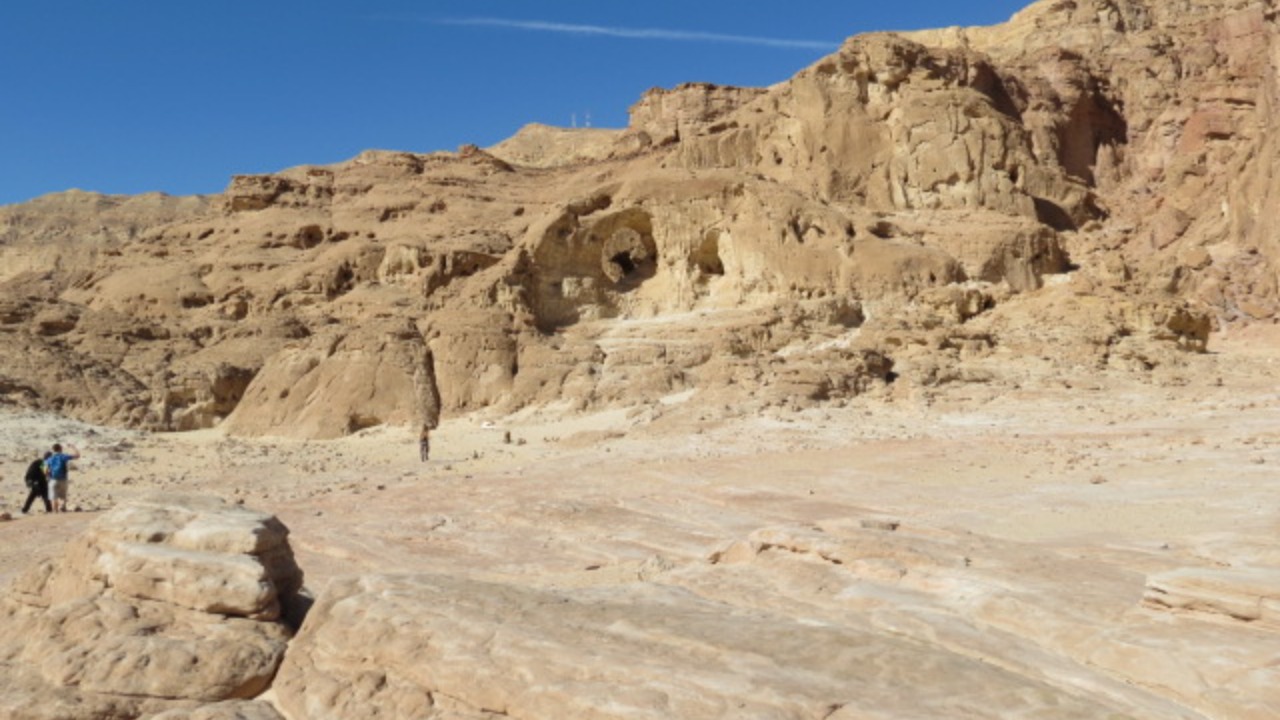
The Timna Valley Mines in Israel are often referred to as “King Solomon’s Mines,” although there is no historical evidence linking them directly to the biblical king. These mines were operational as early as the 5th millennium BC and are famous for their copper production. The mining techniques used here included smelting, which involved the extraction of copper from ore using high-temperature furnaces.
The significance of Timna Valley extends beyond its mining activity; it was a cultural hub where Egypt, Midian, and Edom intersected. The presence of ancient worship sites and artifacts offers insights into the religious practices of the time. The technological and cultural importance of this site makes it a fascinating subject for historical study. For more on ancient mining’s future prospects, read this insightful book.
Mount Horeb Turquoise Mines, Egypt
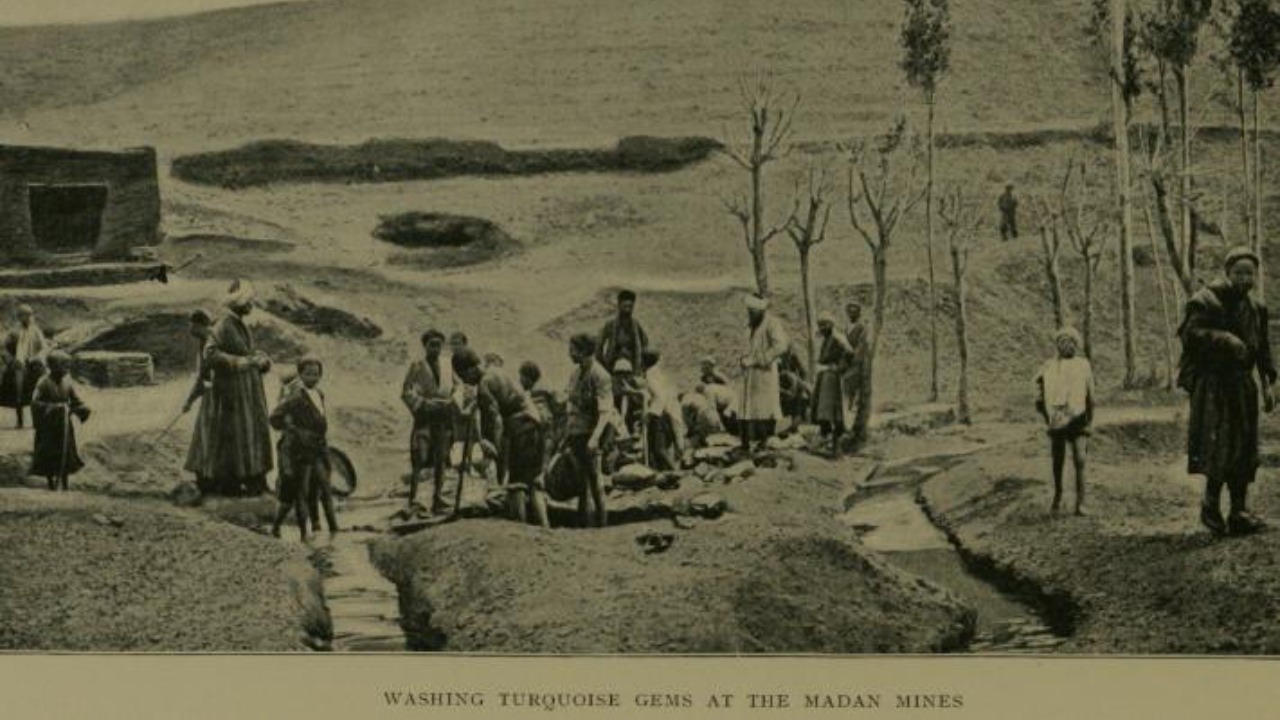
The Mount Horeb Turquoise Mines in Egypt are among the oldest known mines, dating back to around 6000 BC. These mines were highly valued by the ancient Egyptians, who considered turquoise a sacred stone. The mining operations involved intricate tunnel systems, and the extracted turquoise was used in jewelry and religious artifacts.
What makes these mines particularly advanced is the organization required to sustain mining operations in such a harsh desert environment. The miners had to transport water and supplies over long distances, showcasing remarkable logistical capabilities. These mines underscore the importance of turquoise in ancient Egyptian culture and religion, making them a significant archaeological site. For related stories, visit this news article.
Rudna Glava Copper Mines, Serbia
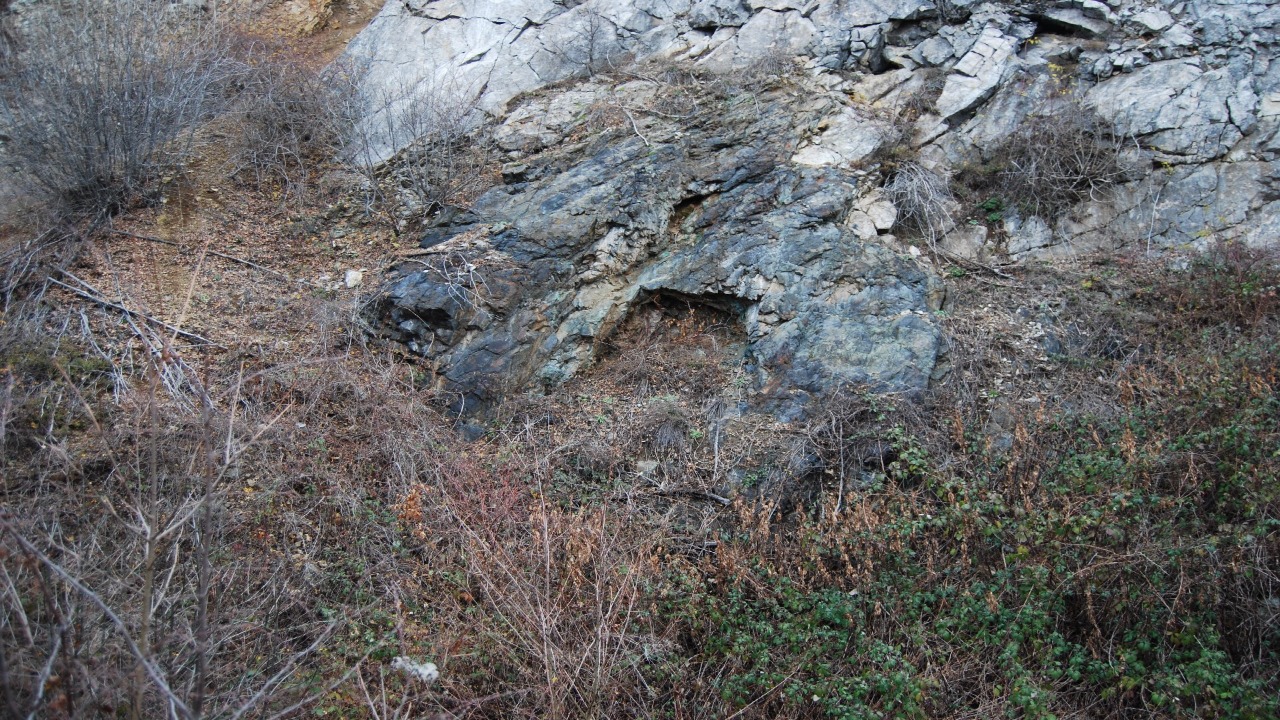
The Rudna Glava Copper Mines in Serbia are considered one of the earliest centers of copper mining in Europe, dating back to the 5th millennium BC. This site features a labyrinth of vertical shafts and horizontal galleries, showcasing advanced mining techniques for its time. These mines provide crucial insights into the early development of metallurgy in Europe.
The significance of Rudna Glava lies in its role in the spread of metalworking knowledge. The copper extracted was used to create tools and weapons, marking a pivotal shift in human technology and society. This site is invaluable for understanding the technological advancements that laid the groundwork for future civilizations. For more on ancient mining techniques, check out Wikipedia’s mining page.
