A 500-year-old sunken royal warship has recently unveiled surprising secrets, casting a fresh light on the history of naval warfare and maritime technology of the era.
Historical Background of the Royal Navy’s Losses
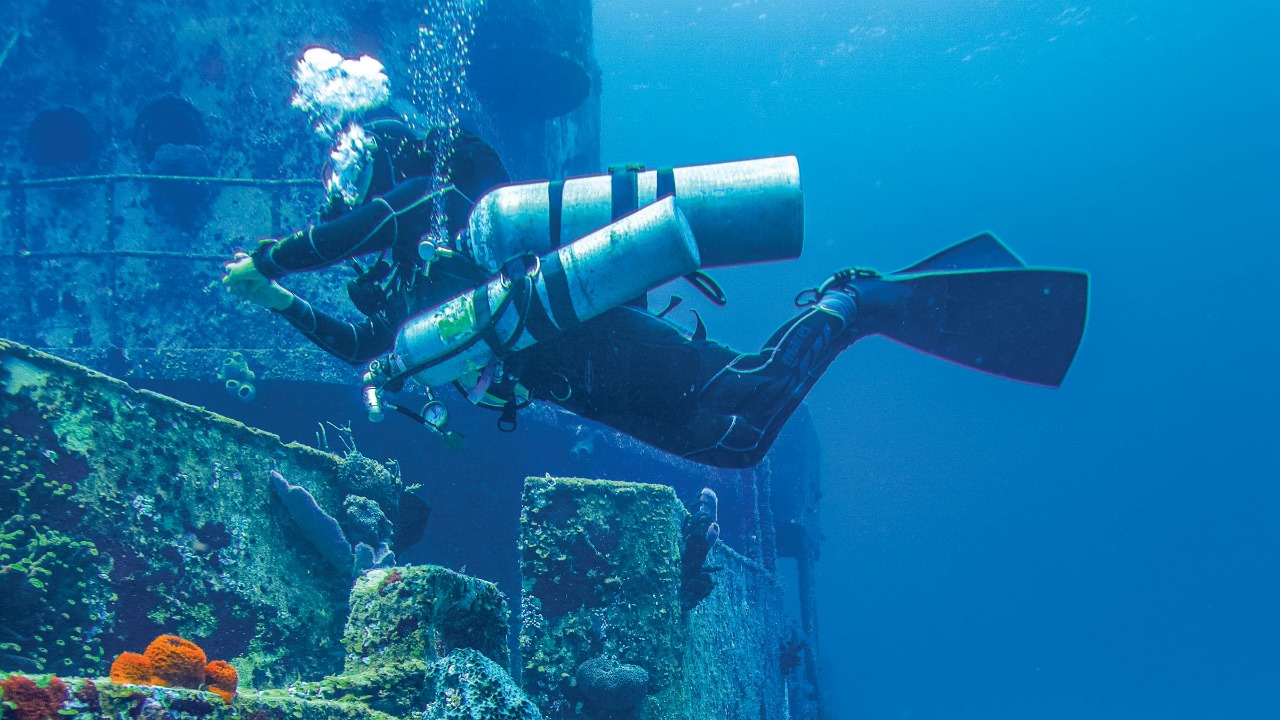
Understanding the significance of this recent discovery requires a deep dive into the historical context. A vast database cataloguing over 500 years of the Royal Navy’s losses at sea provides a comprehensive backdrop. This extensive record offers a unique perspective on the frequency and causes of ship losses in the Royal Navy, shedding light on the inherent risks and challenges of maritime warfare and exploration in past centuries.
Each shipwreck tells a story of its own, contributing to a broader narrative of naval history. The causes of these losses range from battles and storms to navigational errors, each contributing to our understanding of the perils of seafaring in bygone eras.
According to the Royal Navy’s database, the shipwrecks are not just remnants of the past but also serve as a testament to the evolution of naval technology and tactics. The database reveals that the Royal Navy’s losses were not merely due to external factors such as battles and storms, but also due to internal factors such as outdated ship designs and inadequate navigational tools. This highlights the continuous struggle for improvement and adaptation in the face of ever-changing maritime challenges.
Moreover, the database shows a trend of decreasing ship losses over the centuries, reflecting the Royal Navy’s relentless pursuit of safer and more efficient maritime practices. This trend underscores the importance of technological advancements and strategic innovations in reducing the risks associated with seafaring, further emphasizing the significance of the recently discovered sunken warship in understanding the maritime history.
Discovery and Exploration of the Sunken Warship
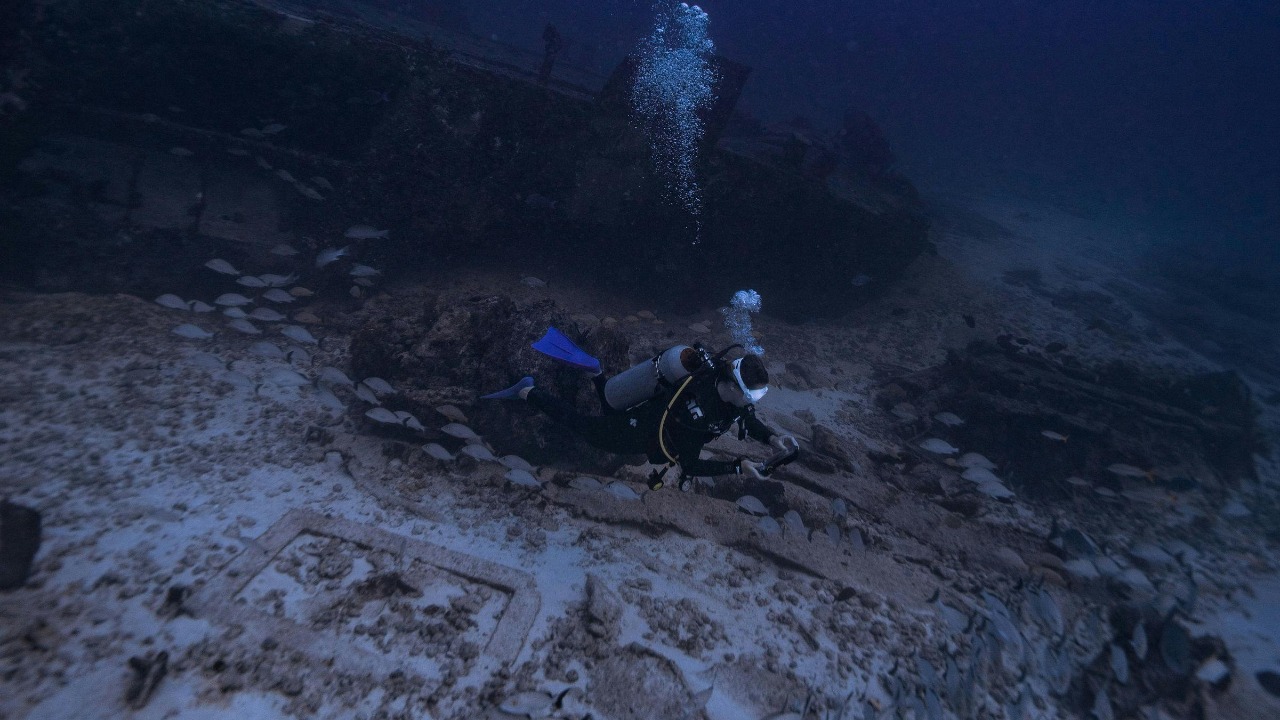
The discovery of the forgotten royal warship was a significant achievement in underwater archaeology. The exploration of the shipwreck employed advanced archaeological methods, providing a wealth of information about the design and construction of the warship. The findings from the underwater exploration, as reported by Science Daily, have offered invaluable insights into the maritime technology of the era.
Analysis of the evidence found on the sunken vessel has also shed light on the likely reasons for the ship’s sinking. While the exact cause remains a subject of ongoing research, the evidence gathered so far has provided a fascinating glimpse into the circumstances surrounding the ship’s final voyage.
As detailed by Science Daily, the underwater exploration of the sunken warship was a meticulous process. Archaeologists used cutting-edge technology, including remotely operated vehicles (ROVs) and advanced sonar systems, to map the shipwreck site and collect data. This allowed them to create a detailed 3D model of the ship, providing a comprehensive view of its structure and layout.
Furthermore, the exploration team conducted a thorough examination of the ship’s construction materials and techniques. They discovered that the ship was built using a combination of oak and pine, which was a common practice during the era. The ship’s design, including its hull shape and rigging arrangement, also provided clues about the shipbuilding technology and naval architecture of the time.
Surprising Secrets Revealed by the Shipwreck
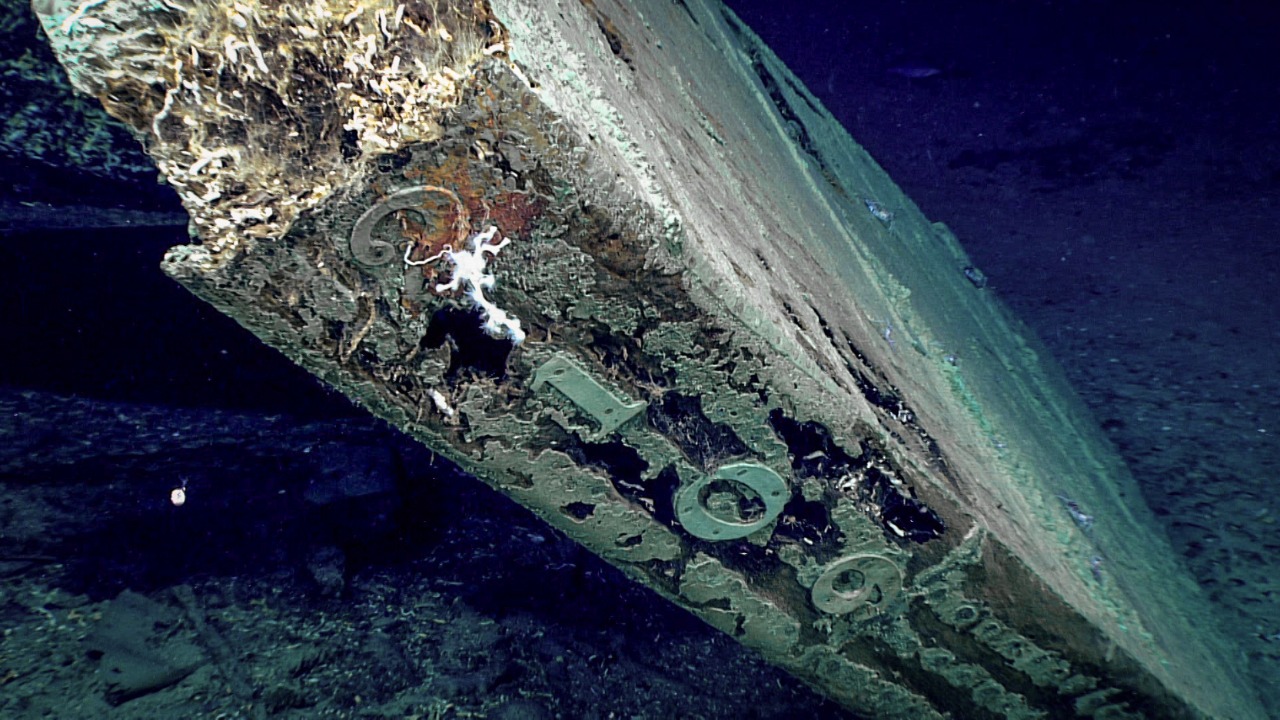
The sunken warship has revealed surprising secrets, challenging our understanding of maritime technology and naval warfare strategies of 500 years ago. These unexpected findings, as reported by Science Daily, have broadened our knowledge of the era’s naval capabilities and tactics.
These revelations have far-reaching implications for our understanding of the history of naval warfare and maritime exploration. They provide a fresh perspective on the technological advancements and strategic innovations of the time, reshaping our perception of the era’s naval prowess.
One of the surprising secrets revealed by the sunken warship, as reported by Science Daily, was the presence of advanced navigational instruments onboard. These included an astrolabe and a quadrant, tools that were crucial for determining latitude and navigating the high seas. The presence of these instruments suggests a high level of navigational proficiency among the ship’s crew, challenging previous assumptions about the navigational skills of sailors during this period.
Additionally, the shipwreck also revealed evidence of advanced weaponry, including bronze cannons and iron shot. These findings suggest that the ship was not only designed for exploration but also for combat, indicating a dual purpose that was not commonly associated with ships of this era. This discovery has led to a reevaluation of the strategic and tactical capabilities of the Royal Navy during this period.
Impact and Future Studies
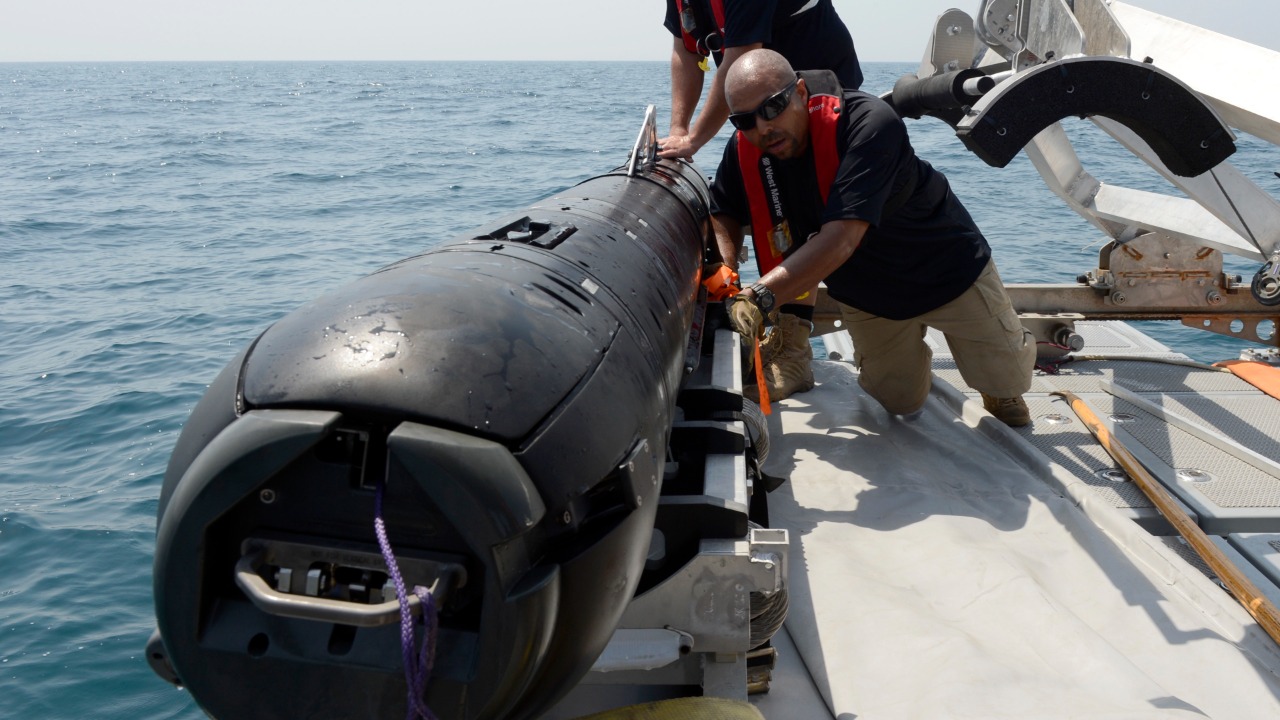
The discovery of the sunken royal warship has had a profound impact on the field of maritime archaeology and historical studies. It has not only enriched our understanding of naval history but also opened up new avenues for research. The findings from the shipwreck have sparked renewed interest in the study of maritime archaeology, inspiring further exploration and research.
Looking ahead, the discovery of the sunken royal warship offers numerous opportunities for future research. The secrets it has revealed promise to fuel further investigations into the history of naval warfare and maritime technology, potentially leading to more exciting discoveries in the years to come.
The impact of the sunken royal warship’s discovery extends beyond the academic realm. It has sparked public interest in maritime history and archaeology, leading to increased support for preservation efforts and the funding of future explorations. The shipwreck has also become a focal point for educational programs, with its findings being incorporated into school curriculums to inspire the next generation of historians and archaeologists.
Future studies will continue to delve into the secrets of the sunken warship. Researchers plan to conduct further analysis on the ship’s construction materials to gain insights into the shipbuilding industry of the era. There are also plans to study the personal belongings of the crew found onboard, which could provide a glimpse into the daily lives of sailors during this period. The sunken warship, therefore, continues to be a treasure trove of information, promising to reveal more about our maritime past in the years to come.
