
As electric vehicles (EVs) continue to rise in popularity, many people are turning to the used car market to find a more affordable option. However, not all used EVs offer the reliability and value you might expect. Here are five used EVs that you might want to avoid, based on performance, battery life, and overall cost of ownership.
Nissan Leaf (First Generation)
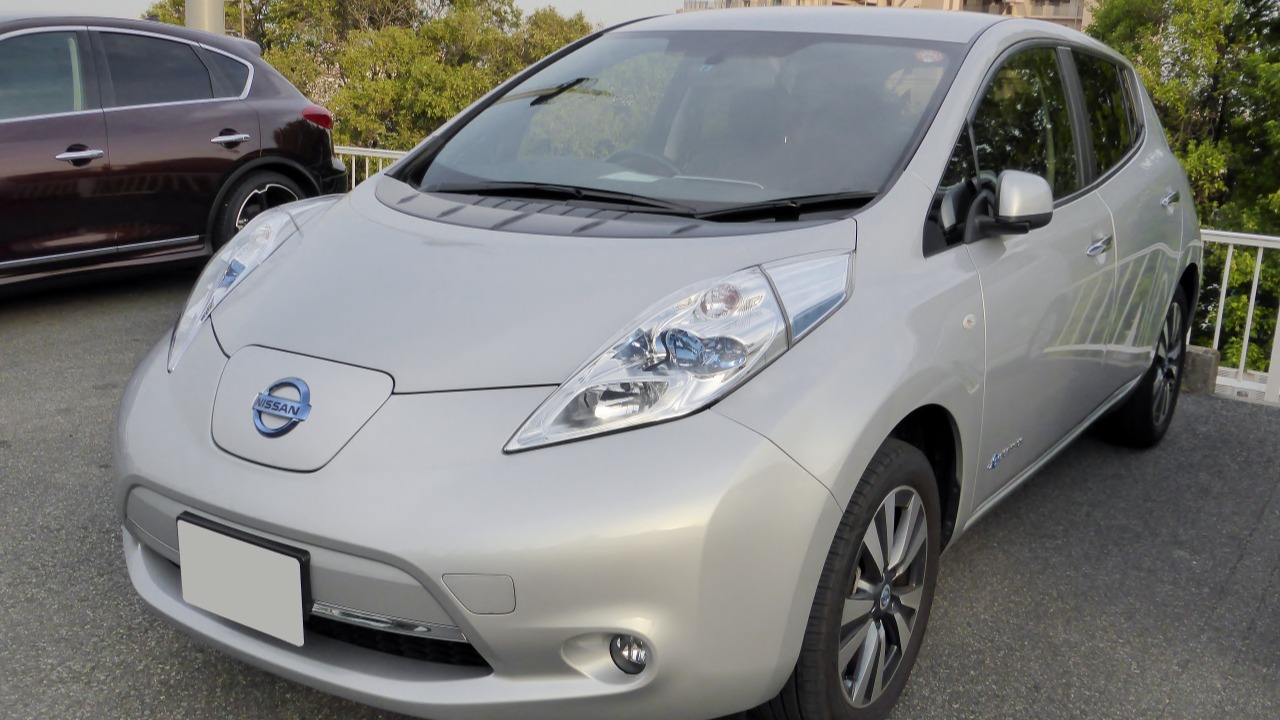
The first-generation Nissan Leaf might seem like a budget-friendly way to enter the world of electric vehicles, but it comes with significant drawbacks. One of the major issues is its limited range, which, when new, was around 73 miles. As the battery ages, this range diminishes further, often leading to frustration for owners who have to deal with frequent charging stops.
Another concern is the rapid battery degradation, a common problem in early EV models. The Nissan Leaf’s battery does not have active thermal management, leading to faster deterioration in warmer climates. These issues can lead to costly battery replacements, which may outweigh the initial savings of purchasing a used model. For more insights on the challenges faced by early EV adopters, you can read this detailed study.
BMW i3
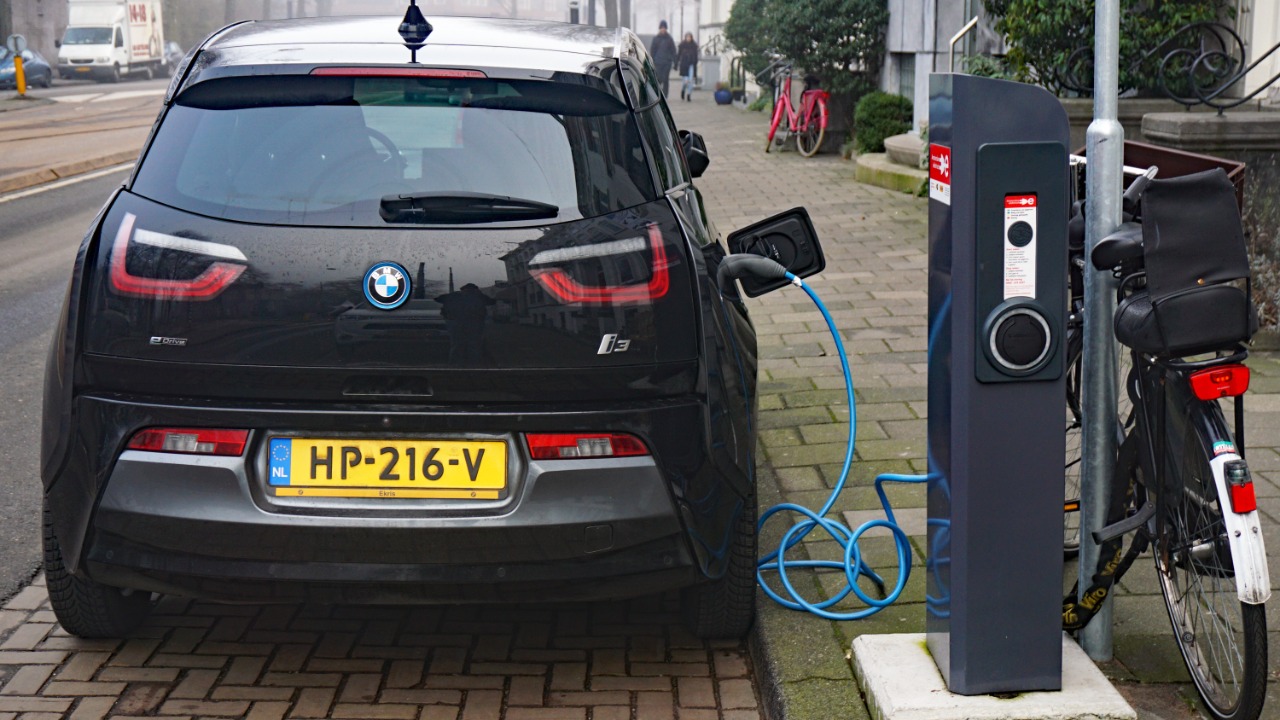
The BMW i3 is known for its unique design and premium interior, but its practicality as a used purchase is debatable. One of the main issues is the limited range, which can be as low as 80 miles in older models. The small size also means limited space, making it less ideal for families or long road trips.
Additionally, repair costs for the BMW i3 can be quite high. Parts are expensive, and the complexity of its carbon fiber structure can lead to hefty repair bills. For those considering a used BMW i3, it’s essential to weigh these potential costs against any savings on the purchase price. This list of worst used EVs highlights some of these concerns.
Mitsubishi i-MiEV
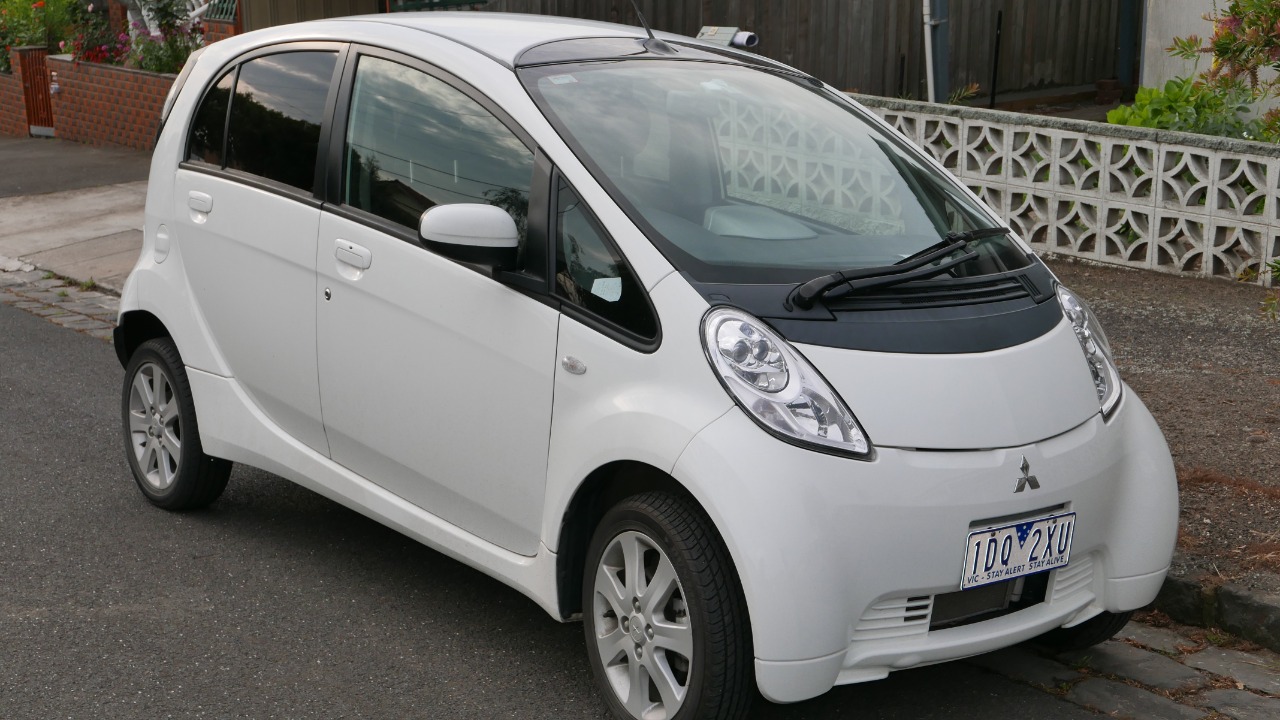
The Mitsubishi i-MiEV was one of the first mass-produced electric cars, but it has not aged well. Its range is particularly problematic, with some models offering less than 60 miles on a full charge. This severely limits its usability for anything beyond short commutes or city driving.
Moreover, the i-MiEV’s performance and comfort levels are often criticized, with many drivers finding its ride quality subpar. The limited availability of parts and Mitsubishi’s small EV footprint in certain regions can also complicate maintenance and repairs. More about EV challenges can be explored in this comprehensive evaluation.
Fiat 500e
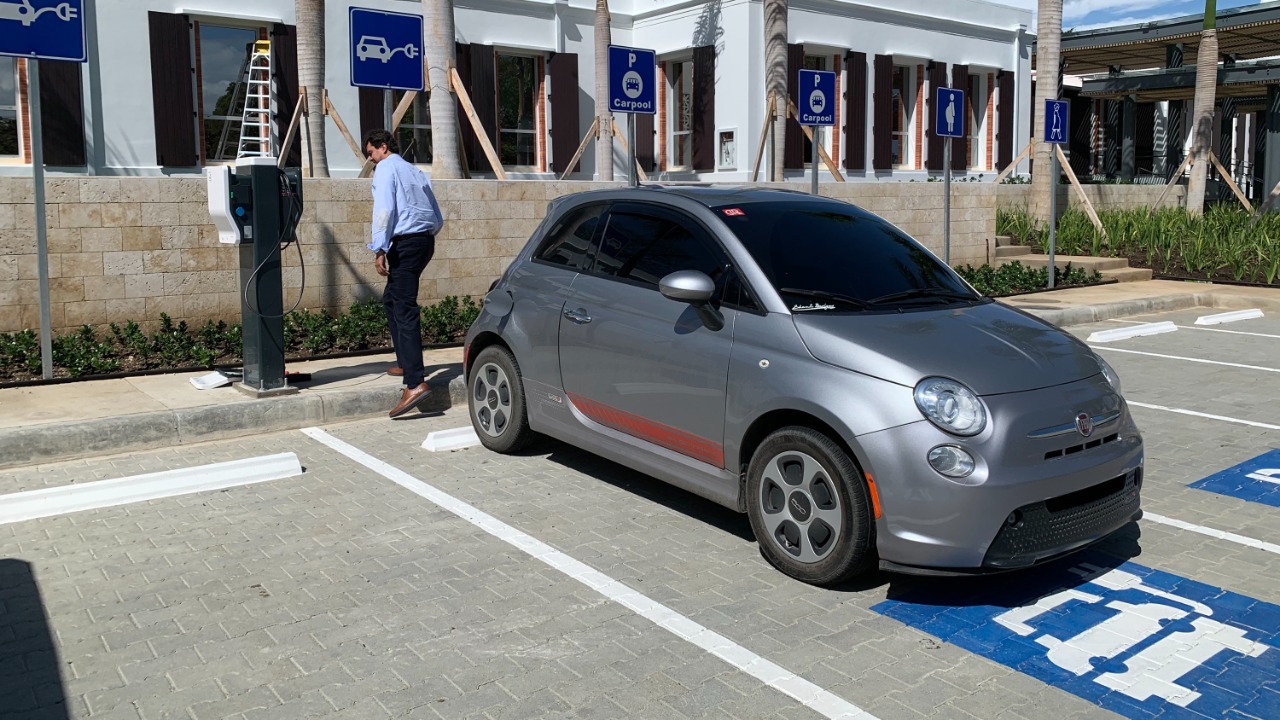
The Fiat 500e is another EV that looks appealing due to its affordable price and stylish design. However, its low range and limited charging infrastructure support pose significant challenges. With a range of approximately 84 miles when new, the 500e is not suitable for those who need reliable long-distance travel.
Additionally, the Fiat 500e was initially only sold in select U.S. states, meaning finding service and parts can be difficult in other regions. The high cost of repairs and maintenance can quickly add up, eroding any initial savings. For those considering incentives, this list of qualifying EVs might offer better alternatives.
Chevrolet Spark EV
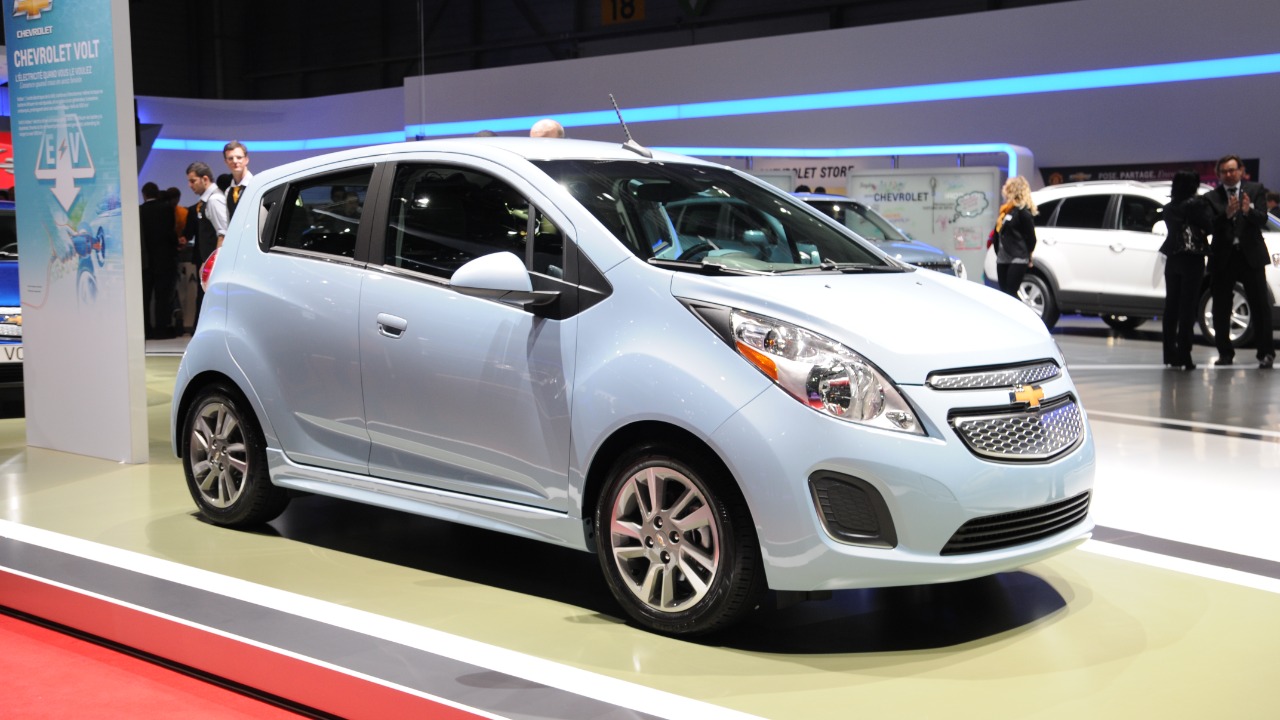
The Chevrolet Spark EV offers a zippy driving experience, but it falls short in several key areas. Its limited range of around 82 miles is a significant drawback, especially as the battery ages. This makes the Spark EV less practical for those who need to cover long distances regularly.
Additionally, the Spark EV was only sold in limited markets, which can make finding parts and service centers challenging. The cost of parts can be high, and specialized knowledge is often required for repairs, leading to increased maintenance costs. For an in-depth look at the broader implications of EV ownership, consider this analysis of the EV market.
