Changes in federal contracting regulations have led to the surprising exclusion of some popular truck models. Concerns over environmental impact, safety standards, and compliance with new policies are among the factors influencing these decisions. Here are five trucks that are now off-limits for federal contracts.
1. Ford F-150
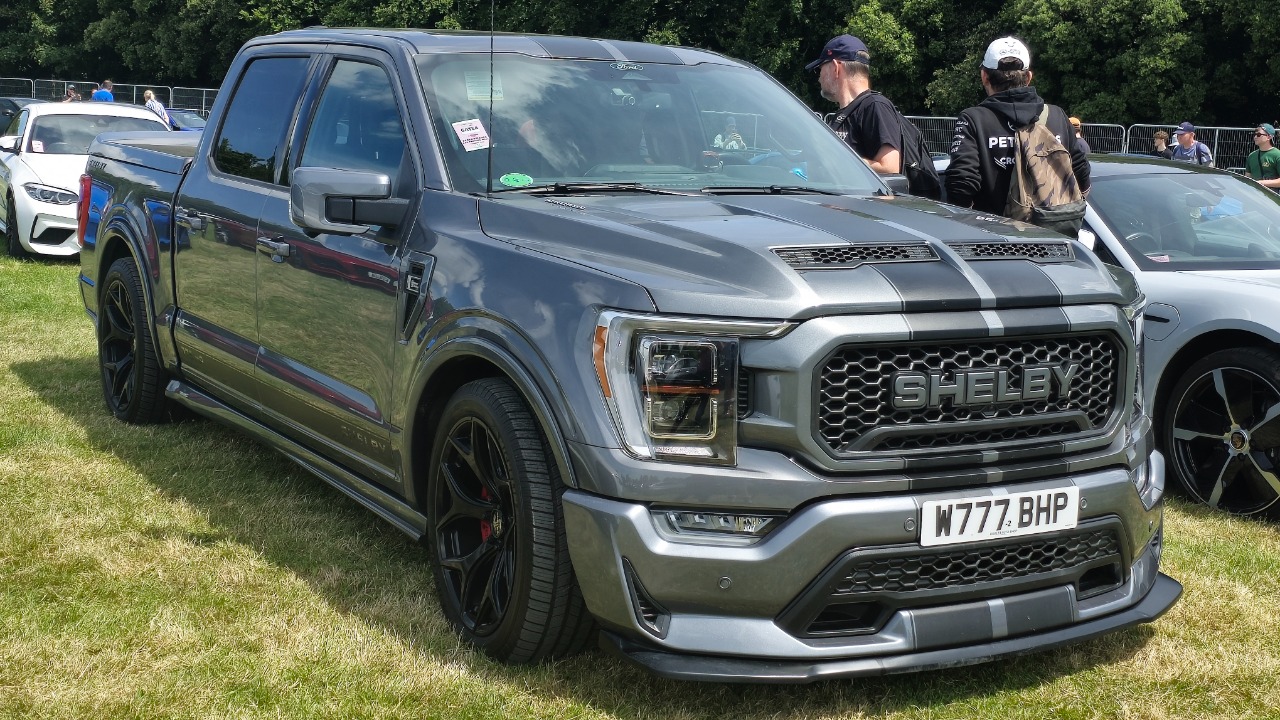
The Ford F-150, a staple of the American truck market, is no longer eligible for federal contracts. A significant factor influencing this decision is the emphasis on reducing emissions across federal fleets. While the F-150 offers various powertrains, including hybrid options, it appears that these measures were not enough to meet the stringent new federal requirements.
Additionally, the cost-effectiveness of the F-150 has been questioned. Despite its popularity and capability, federal agencies are prioritizing vehicles that offer a better balance of performance and sustainability. This shift reflects a broader trend towards more sustainable government operations.
2. Chevrolet Silverado 1500
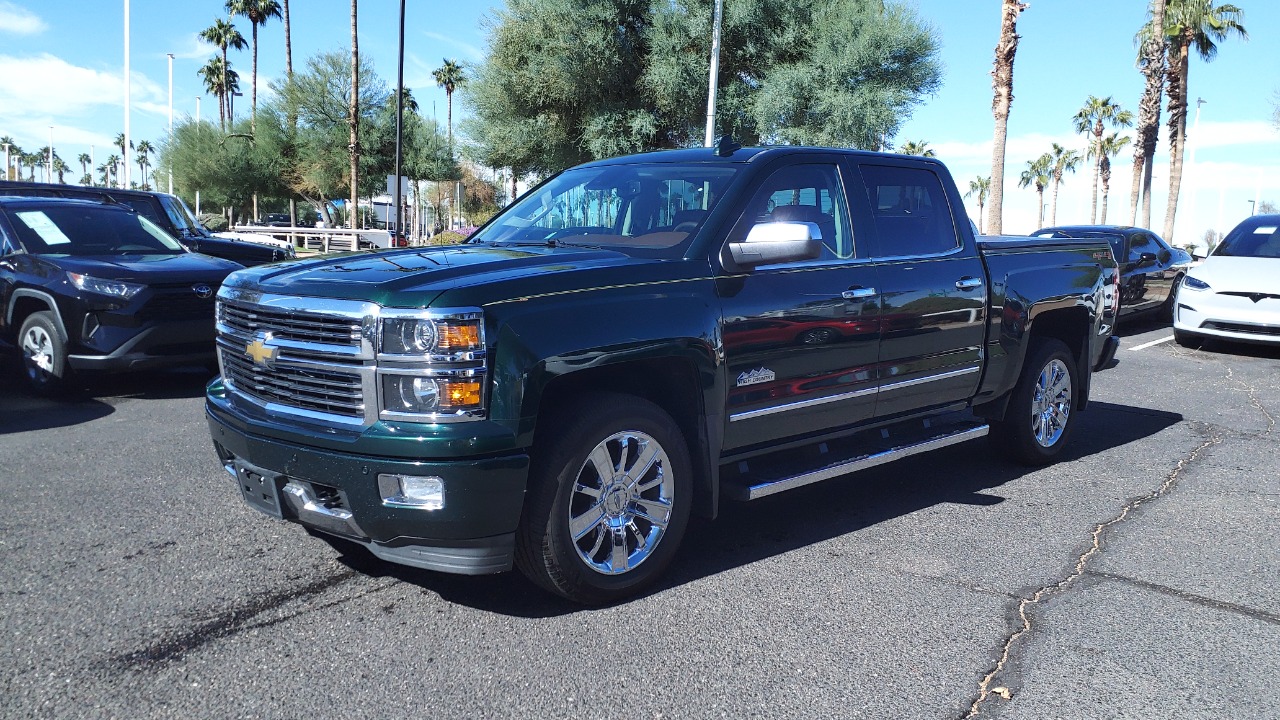
The Chevrolet Silverado 1500 has also been affected by the changes in federal contracting rules. This truck, known for its rugged performance and durability, fell short in areas such as fuel efficiency and overall environmental impact. The federal government’s push for greener alternatives has placed the Silverado at a disadvantage.
Furthermore, safety standards have become increasingly important in federal procurement decisions. The Silverado, while meeting many industry standards, may not have aligned with the specific criteria set forth by recent federal guidelines, leading to its exclusion from federal contracts.
3. Ram 1500
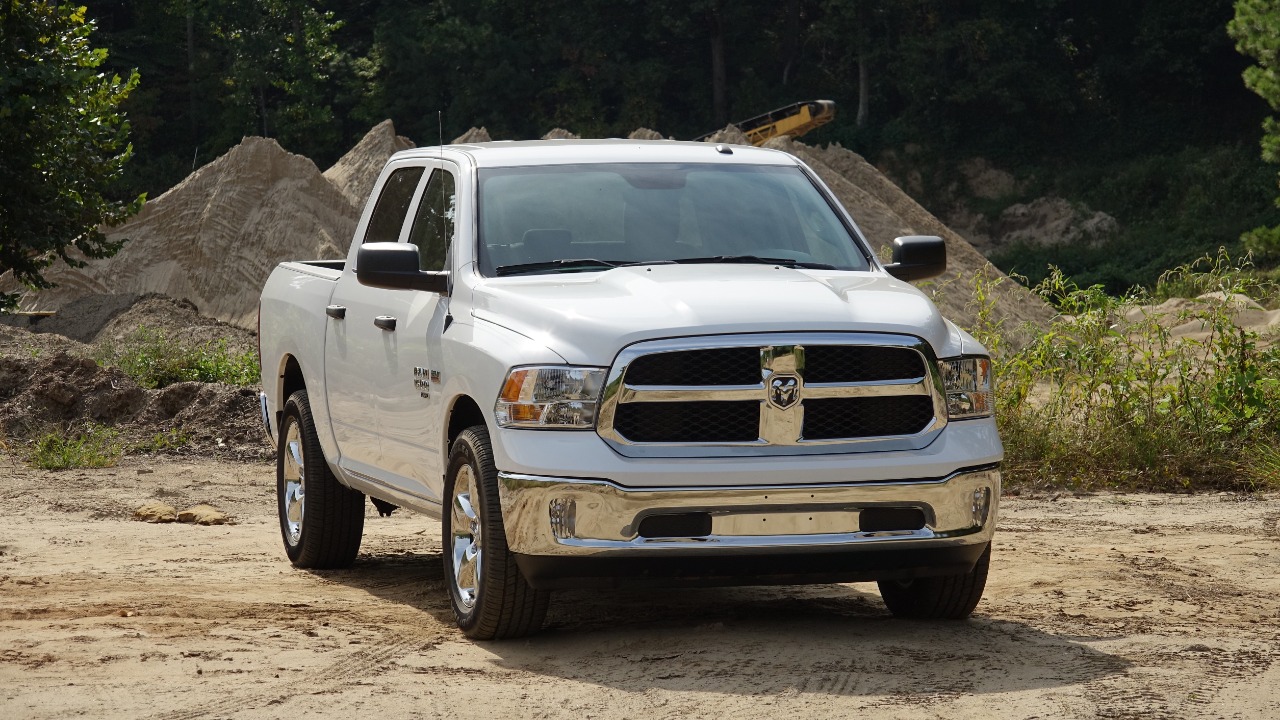
The Ram 1500, known for its powerful engine options and luxurious interiors, is another casualty of the updated federal contract guidelines. With shifts in policies that now favor electric and hybrid models, the Ram 1500’s traditional powertrains have become less appealing for federal use.
Moreover, the cost-factor plays a crucial role. The Ram 1500, although competitively priced in the consumer market, may not offer the long-term savings and efficiency required by federal agencies. This decision underscores the growing emphasis on sustainable and economically viable options within government fleets.
4. Toyota Tacoma
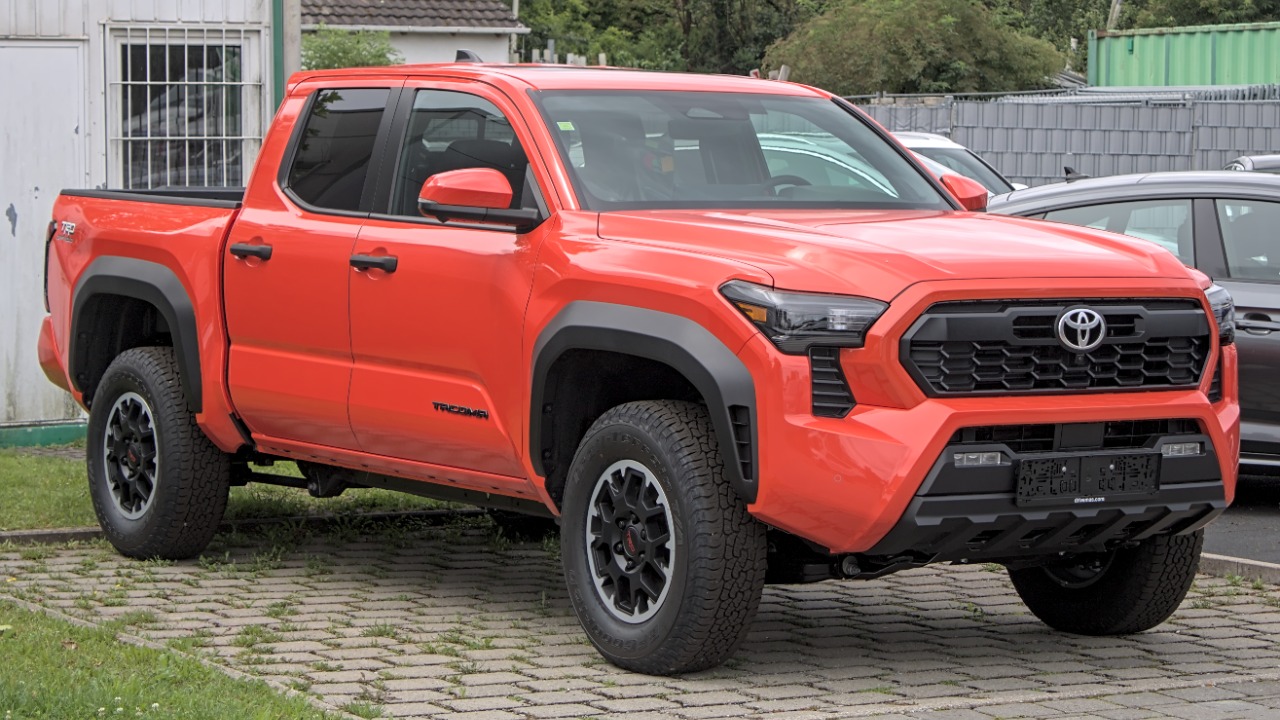
Despite its reputation for reliability and off-road capability, the Toyota Tacoma is now sidelined from federal contracts. The federal government’s focus on minimizing the environmental footprint of its vehicle fleet contributed significantly to the Tacoma’s removal. The model, though efficient, does not fully align with the aggressive targets set for emissions reduction.
Additionally, the Tacoma’s size and capability, while advantageous for certain tasks, do not fully match the evolving needs of federal agencies, which are increasingly opting for vehicles that blend versatility with sustainability. This shift highlights the federal commitment to leading by example in environmental stewardship.
5. Nissan Titan
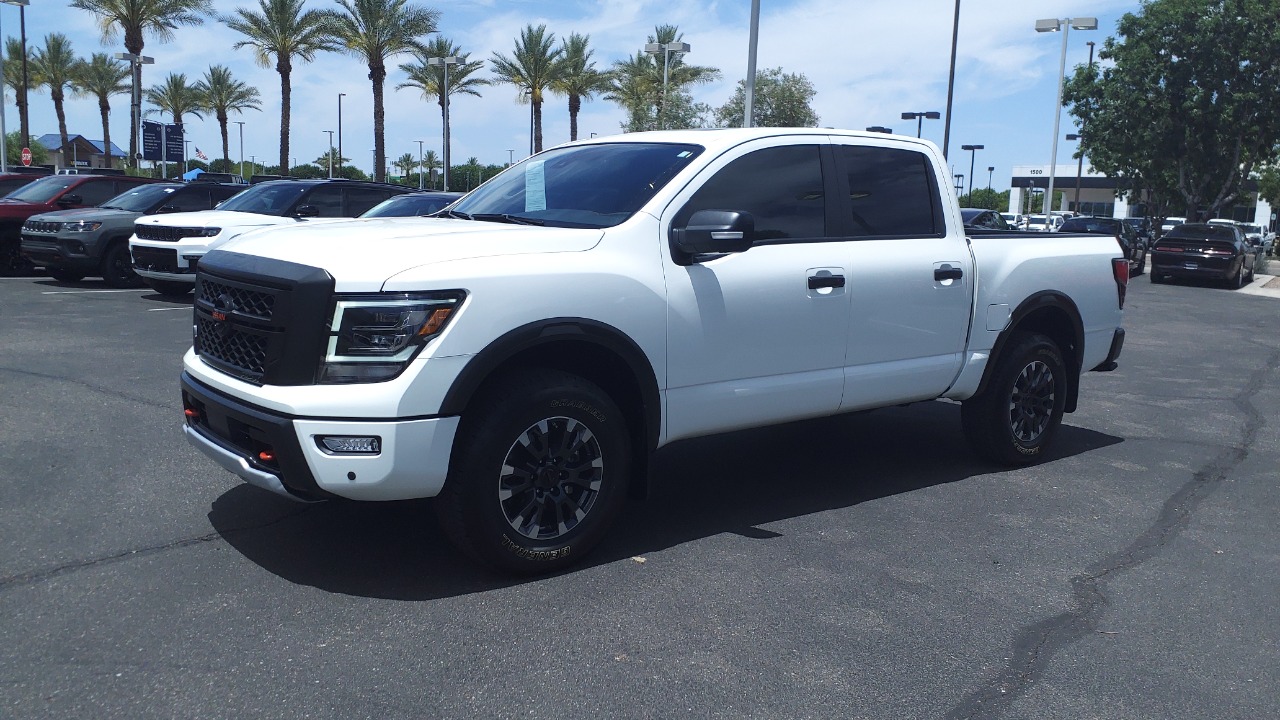
The Nissan Titan is the latest truck to be removed from the list of eligible vehicles for federal contracts. The decision aligns with the federal initiative to adopt vehicles that offer improved fuel efficiency and reduced emissions. Despite its strong performance, the Titan’s traditional engine options did not meet the new environmental benchmarks set by federal authorities.
Another aspect influencing the Titan’s exclusion is the cost associated with maintaining such vehicles. The federal government aims to optimize its spending on fleet operations, thereby favoring vehicles that promise lower maintenance costs over their lifecycle. This approach ensures that taxpayer dollars are utilized efficiently.
