Truck modifications can improve performance and aesthetics, but not all mods are street-legal. Some popular changes can lead to hefty fines or even vehicle impoundment. Here are five common truck mods that often break the law.
1. Illegal Lift Kits
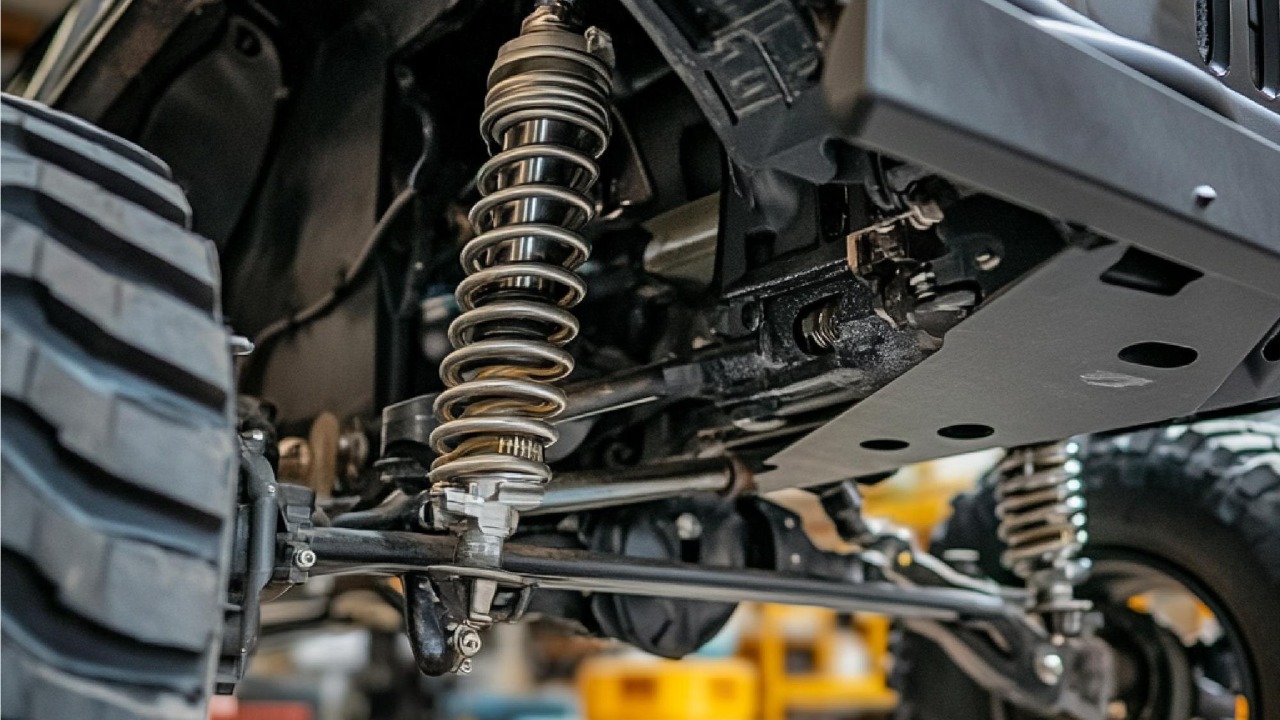
Lift kits can give your truck an aggressive stance and improved off-road capability, but they must comply with legal height restrictions. Excessive lifts can compromise vehicle stability and safety, leading to accidents. In some areas, these kits are outright banned due to the danger they pose. For instance, states like North Carolina have prohibited the “Carolina Squat” stance that some lift kits create.
It’s crucial to check local regulations before installing a lift kit. Most jurisdictions set a maximum allowable height for bumpers and headlights, ensuring they align with other vehicles on the road. Ignoring these restrictions not only risks fines and penalties but also endangers other drivers. Always consult local laws to ensure your lift kit is compliant.
2. Unauthorized Exhaust Modifications
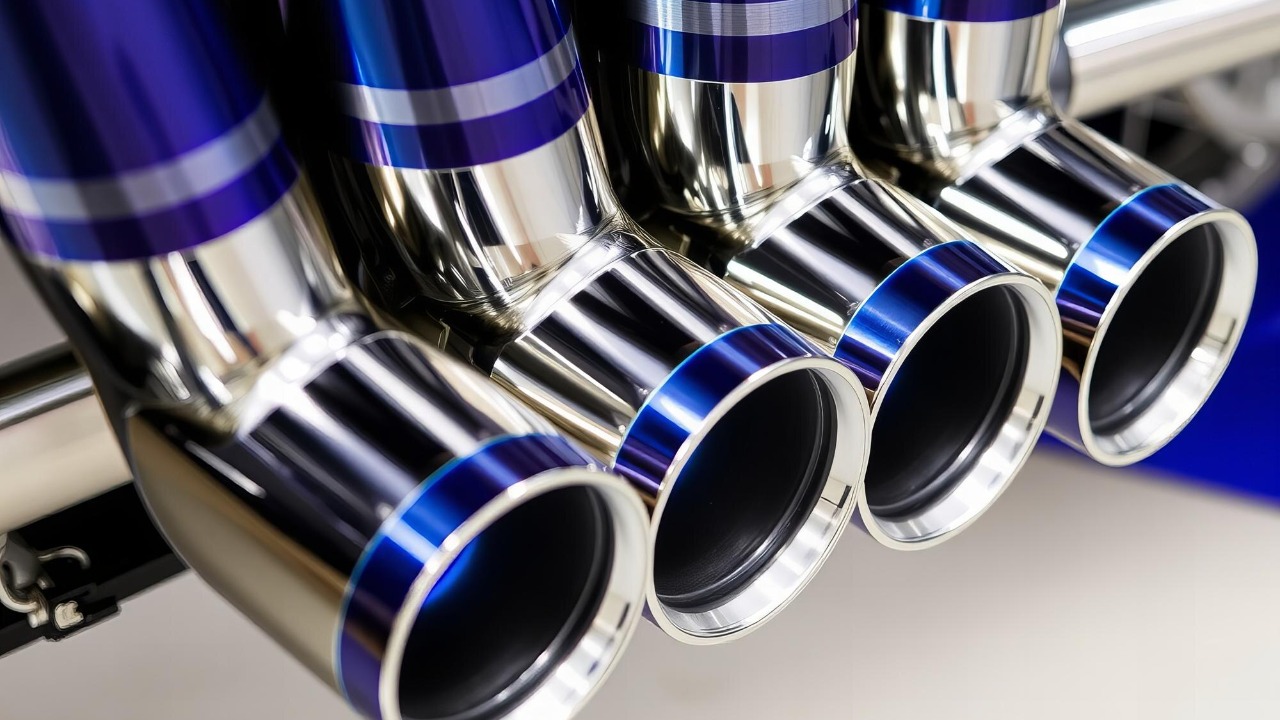
Modifying your truck’s exhaust system can enhance its sound and performance, but it often leads to legal issues. Loud exhaust systems can violate noise ordinances, and altered emissions systems may not meet environmental regulations. Many people opt for straight pipes or aftermarket mufflers without considering the legal implications.
To avoid fines and ensure compliance, use exhaust systems that are specifically approved for your truck model. These systems are engineered to meet both noise and emissions standards. If you’re unsure, seek advice from automotive professionals or local authorities to find approved modifications that won’t get you in trouble.
3. Tinted Windows Beyond Legal Limits
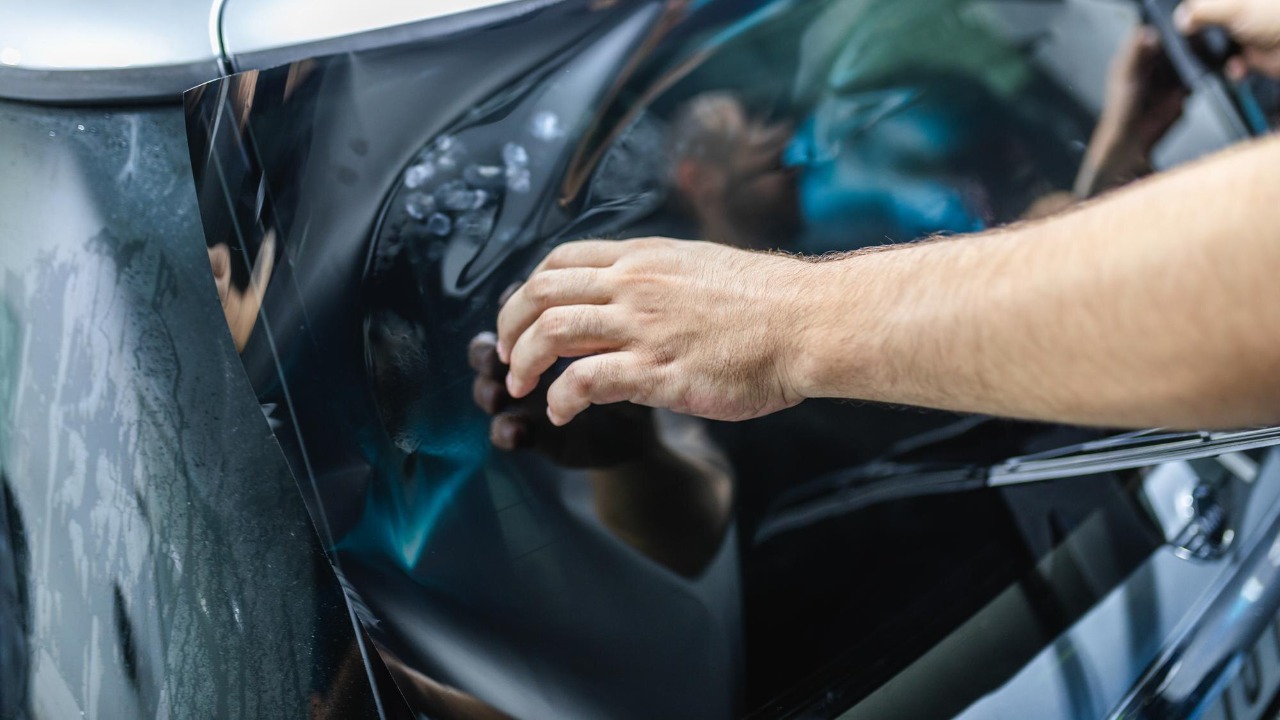
Window tinting can improve privacy and reduce glare, but it must fall within legal limits. Each state has its own regulations regarding the allowable degree of tint, typically measured by the percentage of visible light transmission. Tints that are too dark can obscure vision and increase the risk of accidents.
Before darkening your windows, check the specific tinting laws in your area. Police officers often carry meters to measure tint levels, and violating these laws can result in fines or orders to remove the tint. Ensure your modifications comply with local laws to avoid these penalties.
4. Unapproved LED Light Bars
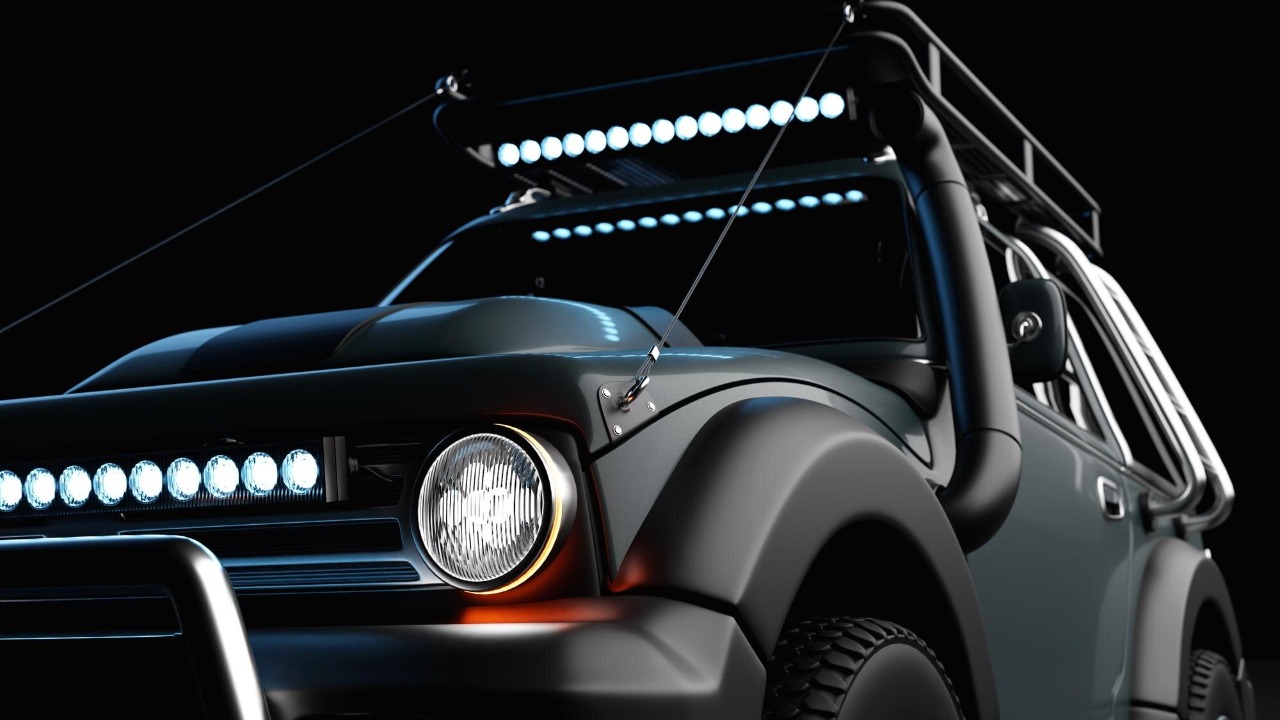
LED light bars are popular for enhancing visibility during off-road adventures, but they can be illegal when used on public roads. Most states have restrictions on the intensity and positioning of auxiliary lights to prevent blinding other drivers. Some areas even prohibit the use of certain light colors.
If you’re considering installing an LED light bar, ensure it’s approved for road use and properly installed. This might involve using a switch to turn them off when driving on public roads. Always check with local authorities about the permissible use of additional lighting to avoid fines or vehicle inspection failures.
5. Non-compliant Mud Flaps
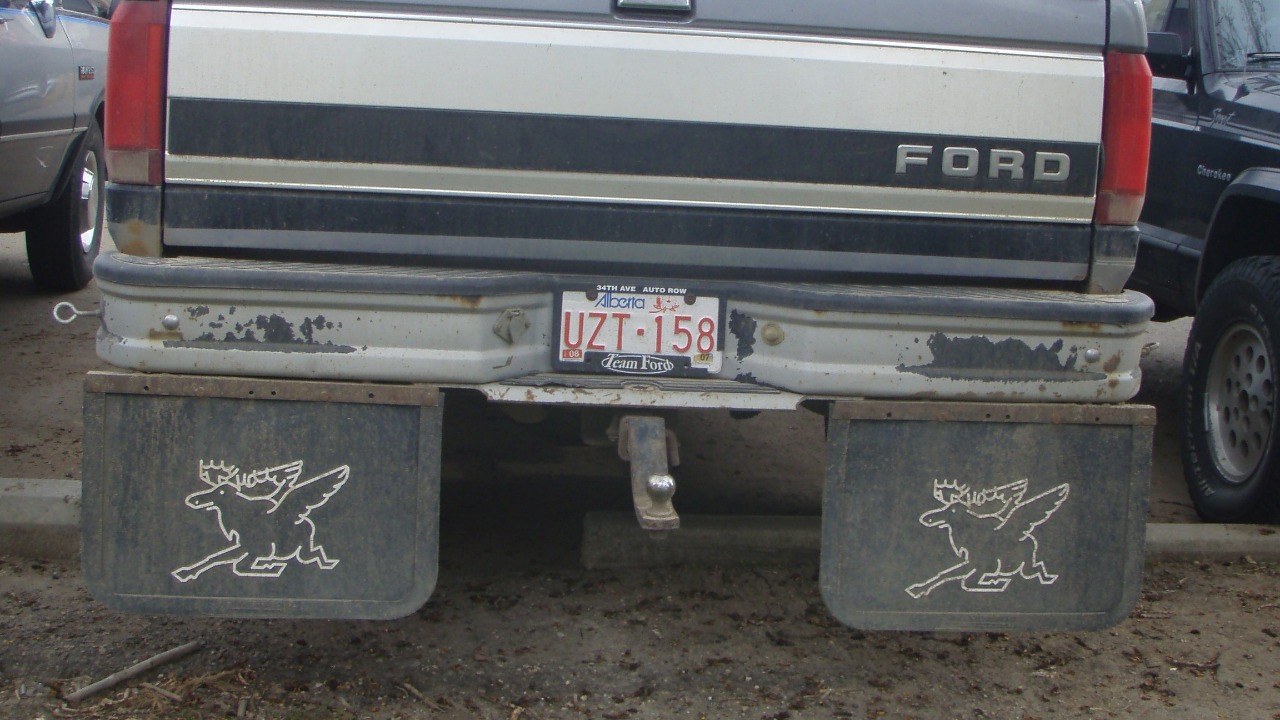
Mud flaps might seem like a minor detail, but they play a crucial role in road safety. They prevent debris from being thrown onto other vehicles, and many jurisdictions require them for trucks with larger tires. Failing to install proper mud flaps can lead to penalties, especially if debris from your truck causes damage or injury.
When outfitting your truck with mud flaps, ensure they meet the minimum size and coverage requirements specified by local laws. Some areas have specific regulations about how much of the wheel must be covered, so it’s important to follow these guidelines. Properly installed mud flaps not only keep you compliant but also make roads safer for everyone.
