
NASA’s cutting-edge technologies have found their way into various industries, including agriculture. Farmers are increasingly adopting tools initially developed for space exploration to improve efficiency and sustainability on Earth. Let’s delve into five of these innovative tools that are making waves in agriculture.
Satellite Imaging
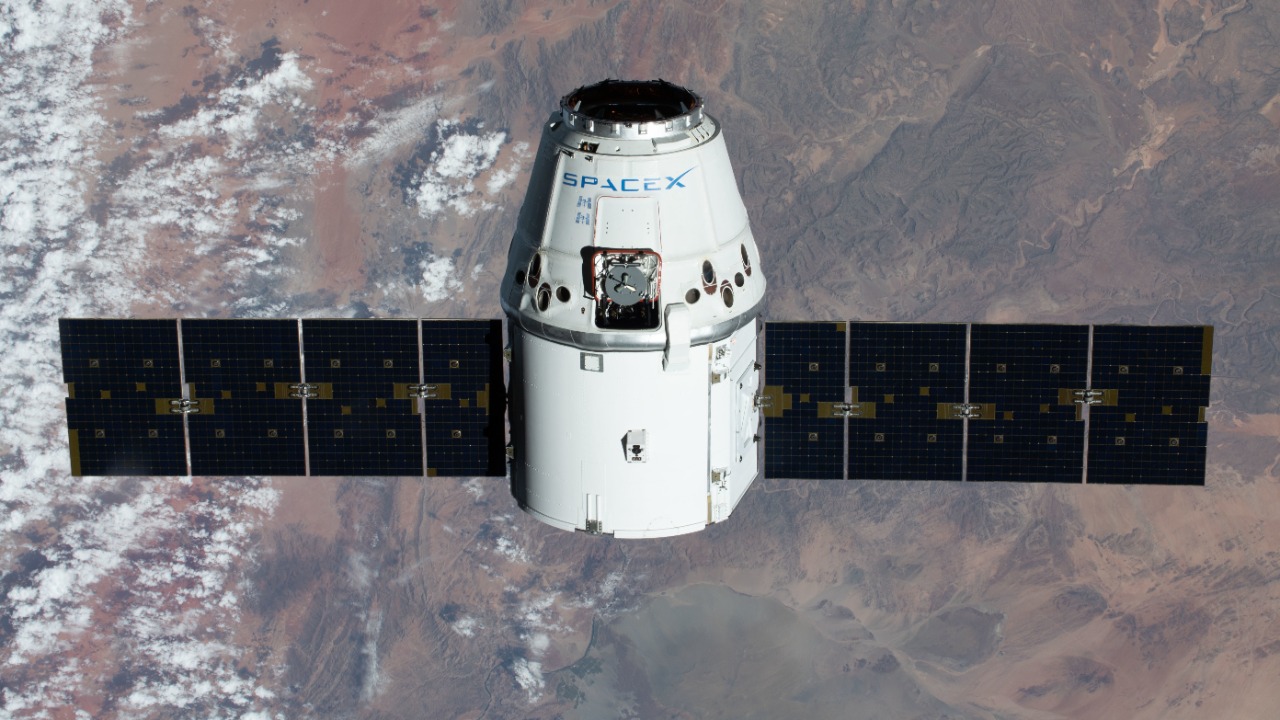
Satellite imaging has transformed the way farmers monitor their crops. By utilizing high-resolution images from space, they can assess crop health, track growth, and identify issues like pest infestations or water stress early. This technology allows for precise, large-scale monitoring that’s not possible through traditional methods.
Farmers benefit from satellite imaging by optimizing the use of resources and maximizing yields. This technology provides essential data that can lead to better decision-making and more sustainable farming practices. For more on how satellite imaging is revolutionizing agriculture, check out this source.
Drone Technology
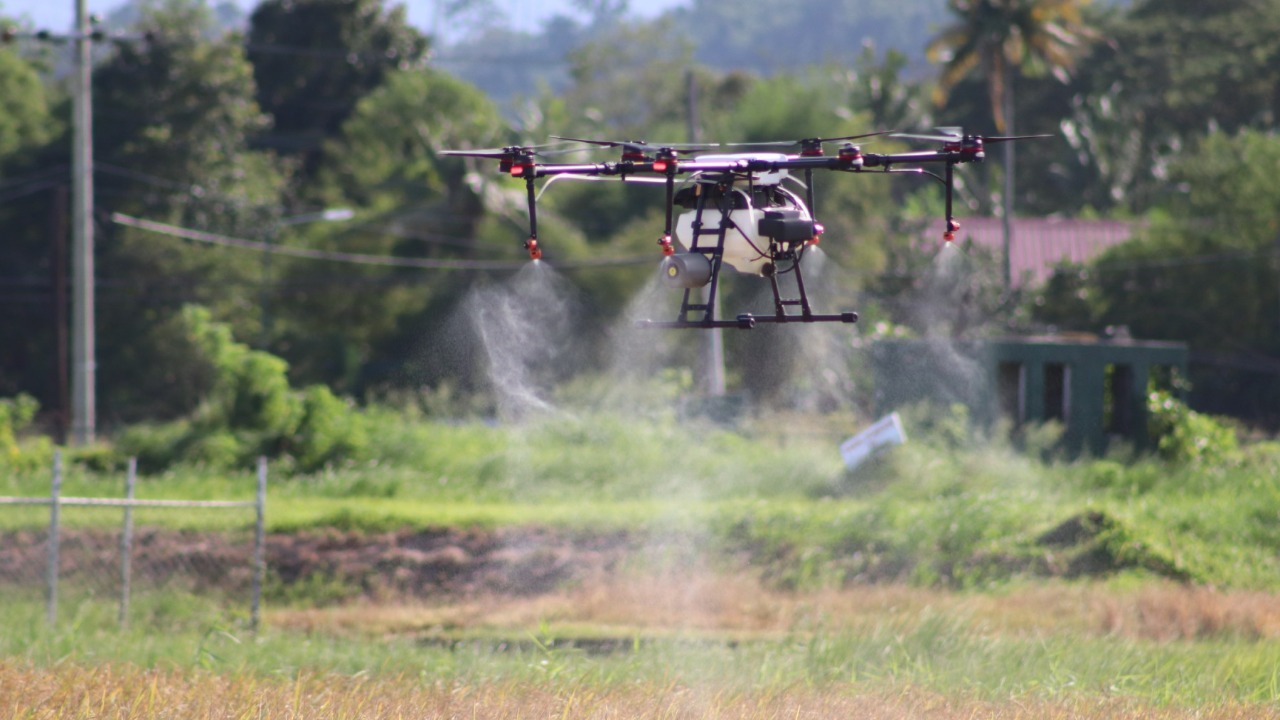
Drones, once the realm of high-tech industries, have become indispensable in modern farming. These unmanned aerial vehicles help farmers with tasks such as field mapping, crop spraying, and real-time monitoring. Drones provide a bird’s-eye view, enabling farmers to efficiently manage large tracts of land.
The integration of drones in agriculture allows for precise application of fertilizers and pesticides, reducing waste and environmental impact. They can also help in assessing crop health through multispectral imaging. For further insights into drone technology’s impact on farming, take a look at this study.
Soil Sensors
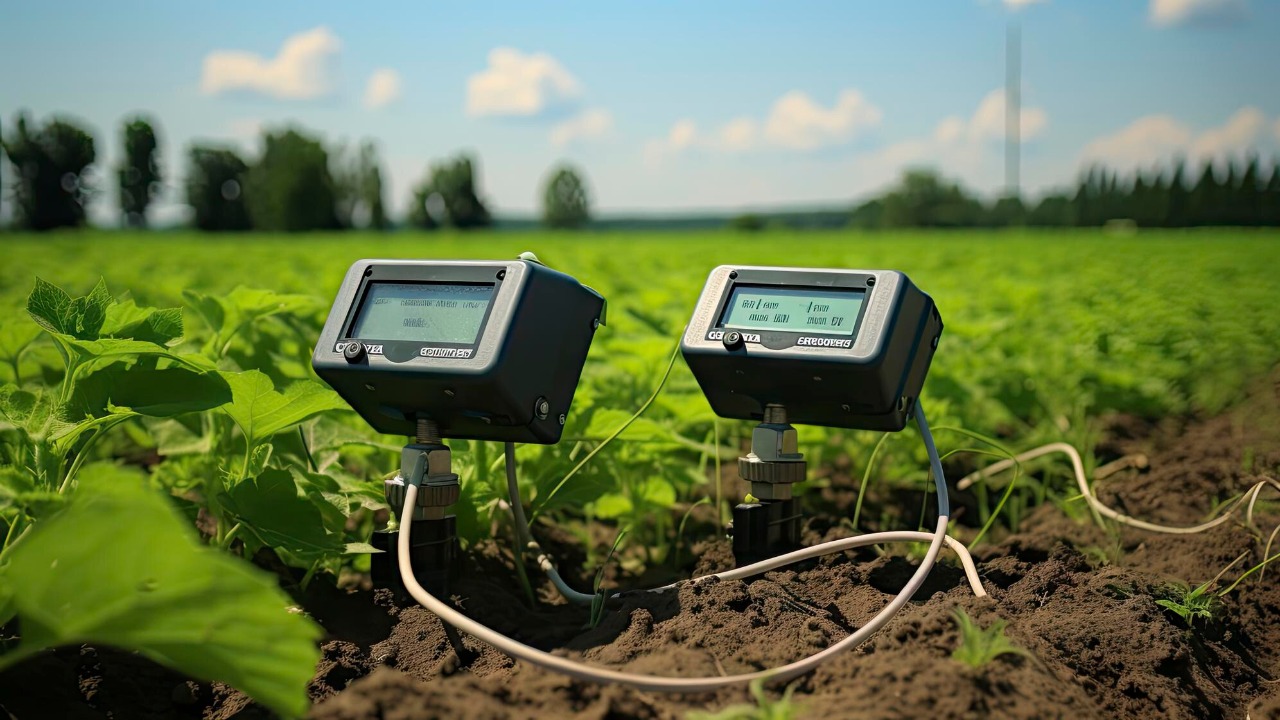
Soil sensors are becoming a staple in smart farming, providing critical data on soil moisture, temperature, and nutrient levels. These sensors help farmers make informed decisions regarding irrigation and fertilization, ensuring optimal crop growth while conserving resources.
The technology behind these sensors often draws on advancements made for space missions, where understanding environmental conditions is crucial. Farmers can now adjust their practices in real-time, leading to increased efficiency and sustainability. For more information on the use of soil sensors in agriculture, visit this article.
Weather Forecasting Systems
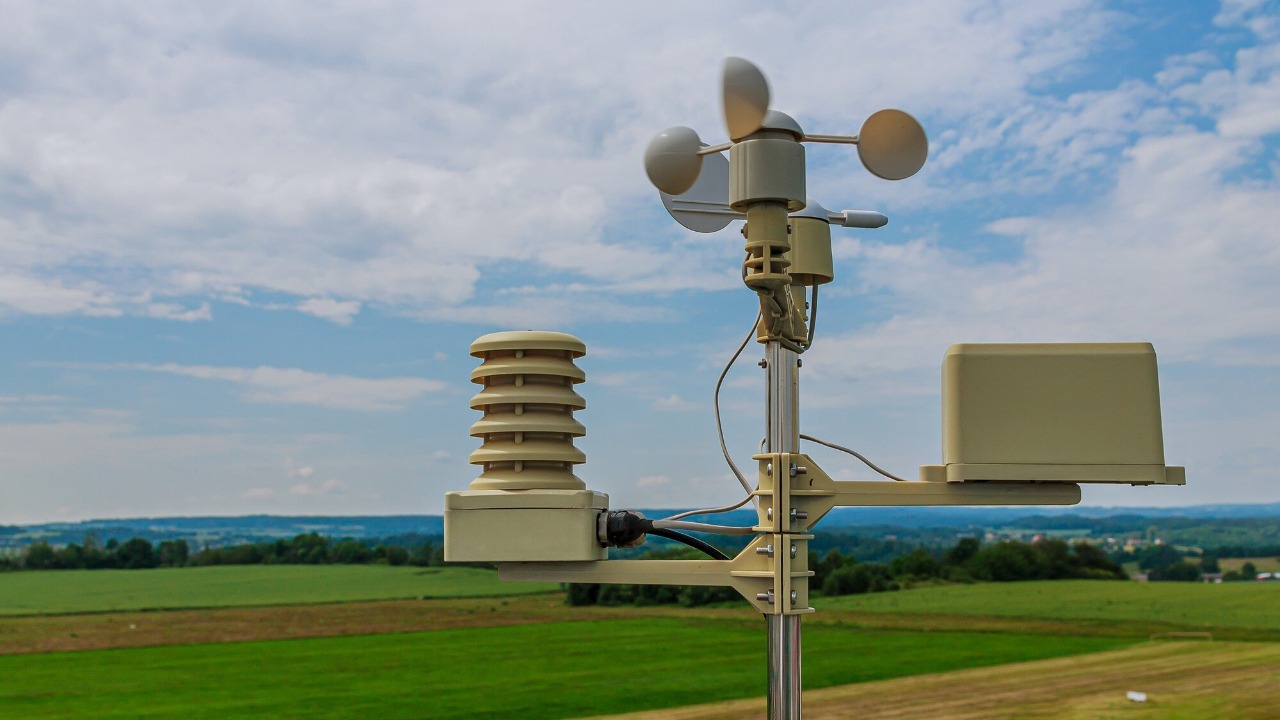
Accurate weather forecasting is essential for planning agricultural activities. NASA’s sophisticated weather models are now being applied in farming to predict weather patterns more accurately, helping farmers avoid losses due to unexpected climatic events.
These advanced systems allow farmers to plan planting, harvesting, and irrigation schedules with greater precision, ultimately leading to better crop yields. The collaboration between NASA and USDA highlights the importance of leveraging space technology for agricultural benefit. Learn more about this collaboration here.
Water Management Techniques
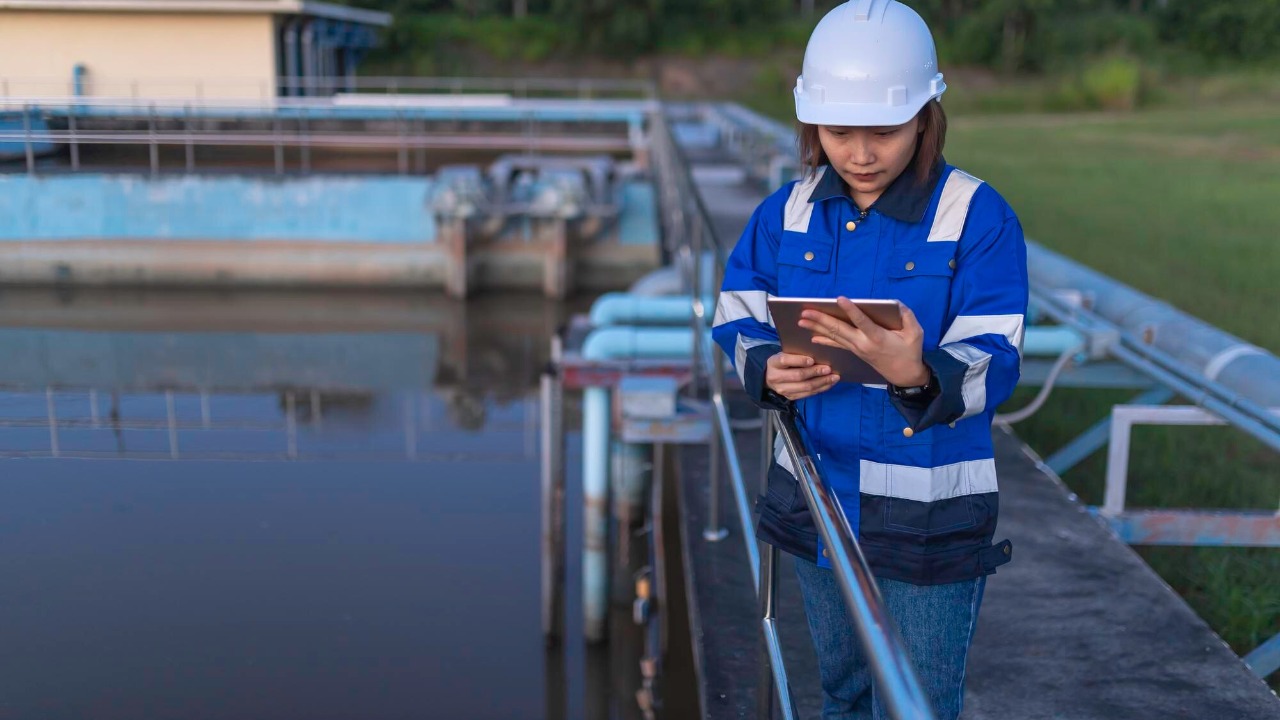
Water scarcity is a significant challenge in agriculture, and NASA’s water management techniques are helping farmers use water more efficiently. These techniques often involve data analysis and satellite monitoring to optimize water usage on farms.
By adopting these space-based technologies, farmers can reduce water waste and enhance productivity. Techniques such as precision irrigation ensure that crops receive the right amount of water, minimizing environmental impact. For a deeper dive into educational resources on water management, check out this list.
