Diesel trucks have long been the backbone of transportation and logistics, but significant changes are on the horizon. From environmental concerns to technological advancements, various factors are reshaping the industry. Here are five key elements impacting the future of diesel trucks this decade.
Stricter Emission Regulations

Governments worldwide are tightening emission standards to curb environmental pollution, making it more challenging for diesel trucks to comply. These regulations require substantial investments in new technologies and retrofitting existing vehicles, which can be financially burdensome for operators.
The push for cleaner air is driving the industry to explore alternative solutions, including electric and hybrid vehicles, to meet these stringent standards. As emission policies continue to evolve, diesel trucks are increasingly at risk of being phased out.
Advancements in Electric Vehicle Technology

Electric vehicle (EV) technology has made significant strides, offering a cleaner and more efficient alternative to traditional diesel trucks. As battery costs decrease and charging infrastructure expands, the adoption of electric trucks is becoming more feasible.
Companies are investing heavily in electric technology to stay competitive, and many fleets are beginning to transition. This technological shift is reshaping the transportation landscape and reducing reliance on diesel-powered vehicles.
Rising Fuel Costs
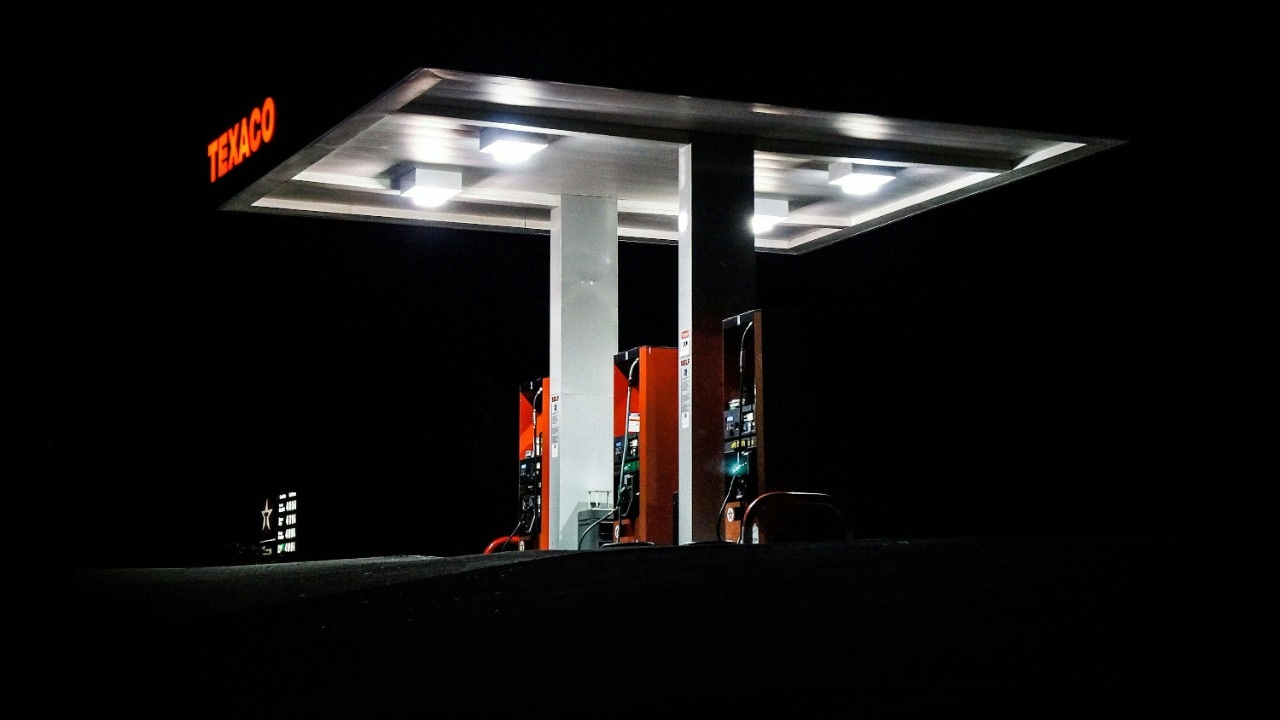
The fluctuating cost of diesel fuel is a significant concern for truck operators, impacting profitability and operational efficiency. As fuel prices rise, the economic viability of diesel trucks decreases, prompting businesses to seek more cost-effective solutions. This economic pressure accelerates the shift toward alternative fuels and transportation methods.
The ongoing volatility in the fuel market poses a persistent threat to the sustainability of diesel trucks.
Increasing Popularity of Sustainable Practices
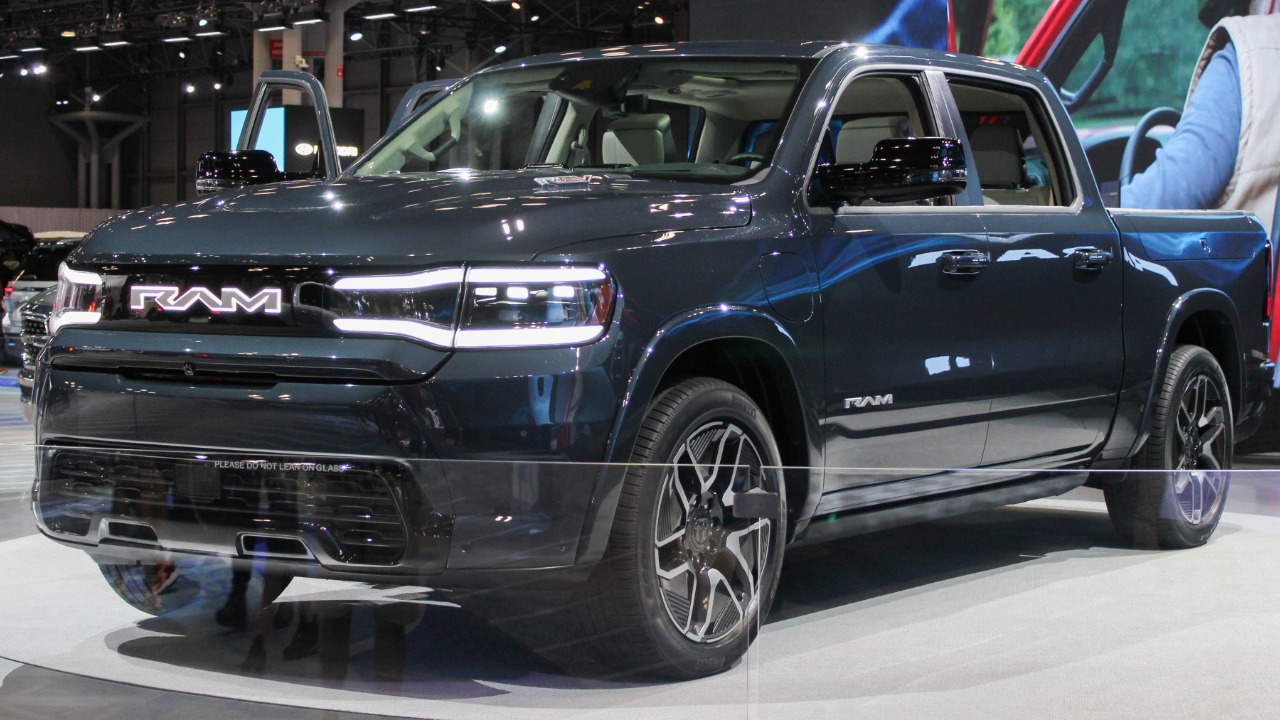
As society places a higher value on sustainability, businesses are under pressure to adopt environmentally friendly practices. Consumers and companies alike are demanding greener logistics solutions, leading to a shift away from diesel trucks. The growing emphasis on reducing carbon footprints and promoting sustainable practices encourages the adoption of cleaner technologies such as electric and hydrogen-fueled vehicles.
This trend reflects a broader commitment to environmental responsibility.
Maintenance and Operational Challenges
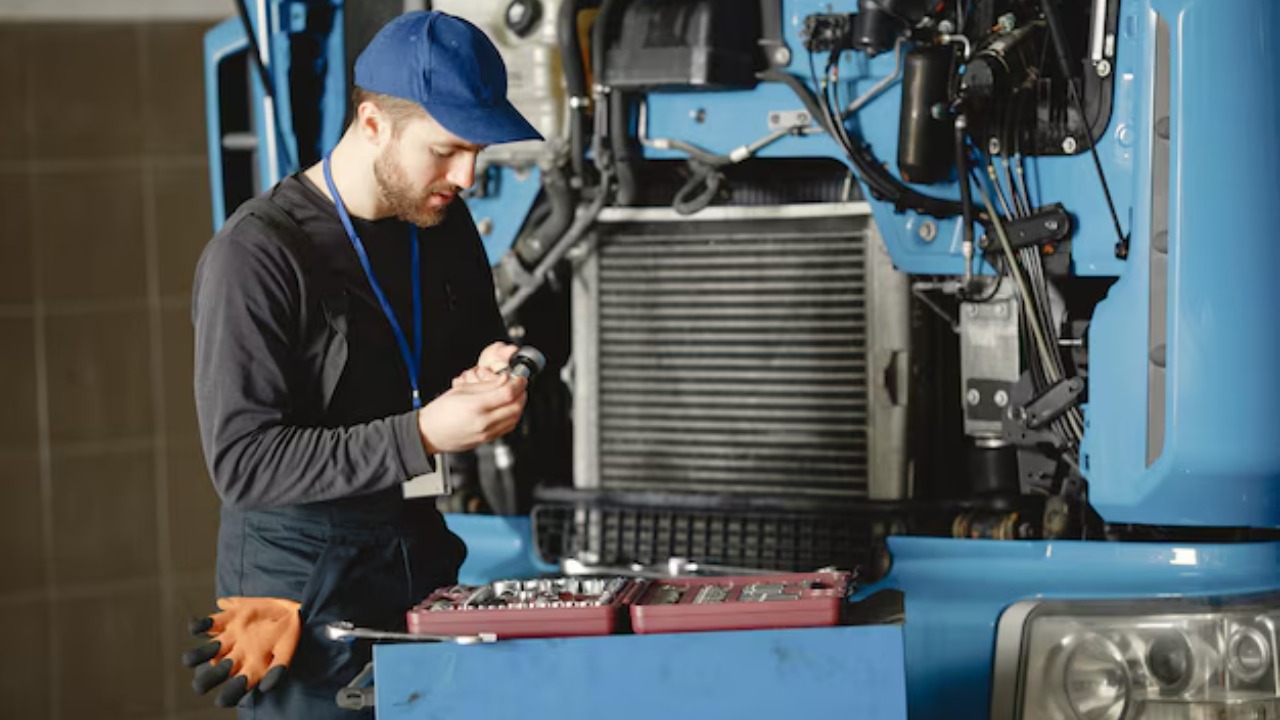
Diesel trucks face numerous maintenance and operational challenges that can impact their efficiency and reliability. Regular upkeep, costly repairs, and the need for specialized knowledge and equipment can increase operational costs.
As newer technologies become more prevalent, the availability of skilled technicians for diesel engines may decline, further complicating maintenance efforts. These challenges contribute to the waning appeal of diesel trucks in favor of more streamlined alternatives.
“`
