As electric vehicles (EVs) continue to gain popularity, the infrastructure to support them becomes increasingly important. However, not all states are embracing this shift with open arms. Some have taken steps to ban certain types of EV chargers, often due to political, economic, or technical reasons. Here’s a look at five states that have implemented such bans.
California
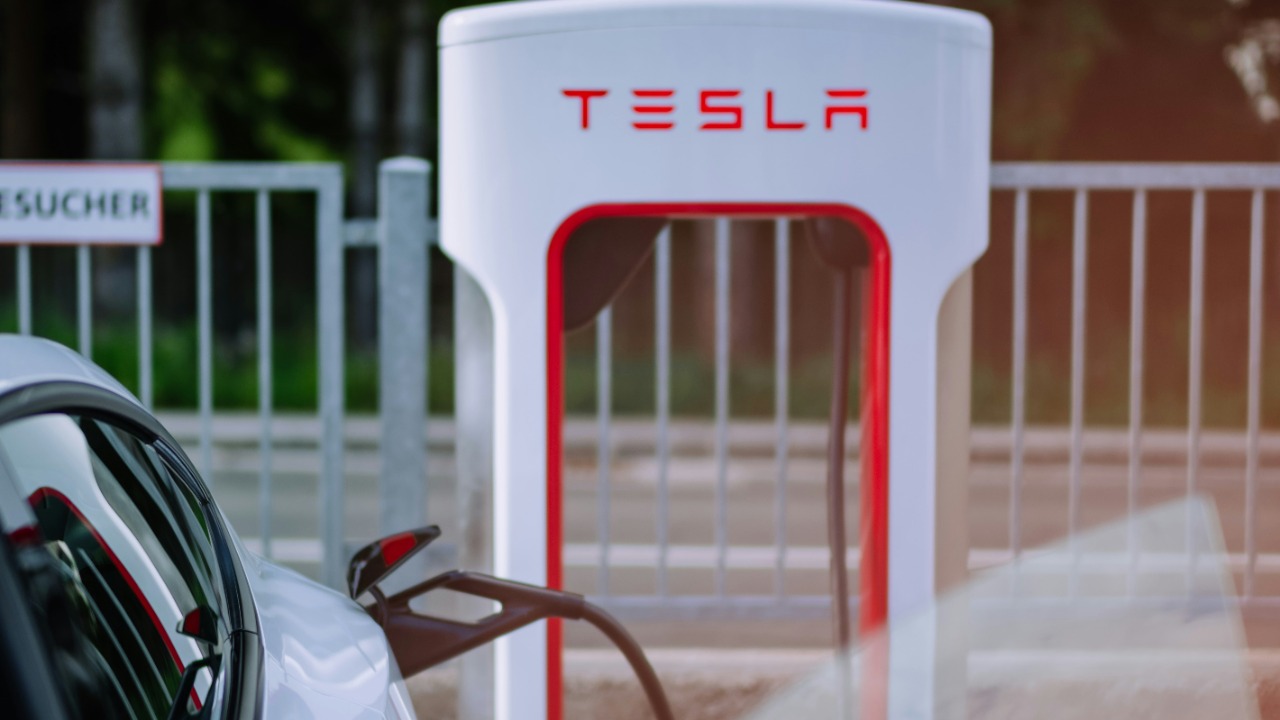
Despite being at the forefront of the electric vehicle revolution, California has implemented specific regulations on EV chargers. The state requires that public charging stations meet strict standards, which some existing chargers fail to comply with. This can result in certain older or non-compliant chargers being effectively banned from operation. For more details, consider checking the regulatory framework that governs these standards.
California’s push for stringent standards is part of a broader effort to ensure efficiency and safety across its EV charging network. While this can negatively impact some existing infrastructure, it is aimed at paving the way for a more reliable and user-friendly experience for EV owners. As the state continues to lead in the EV market, its policies often set a precedent for others to follow.
Texas
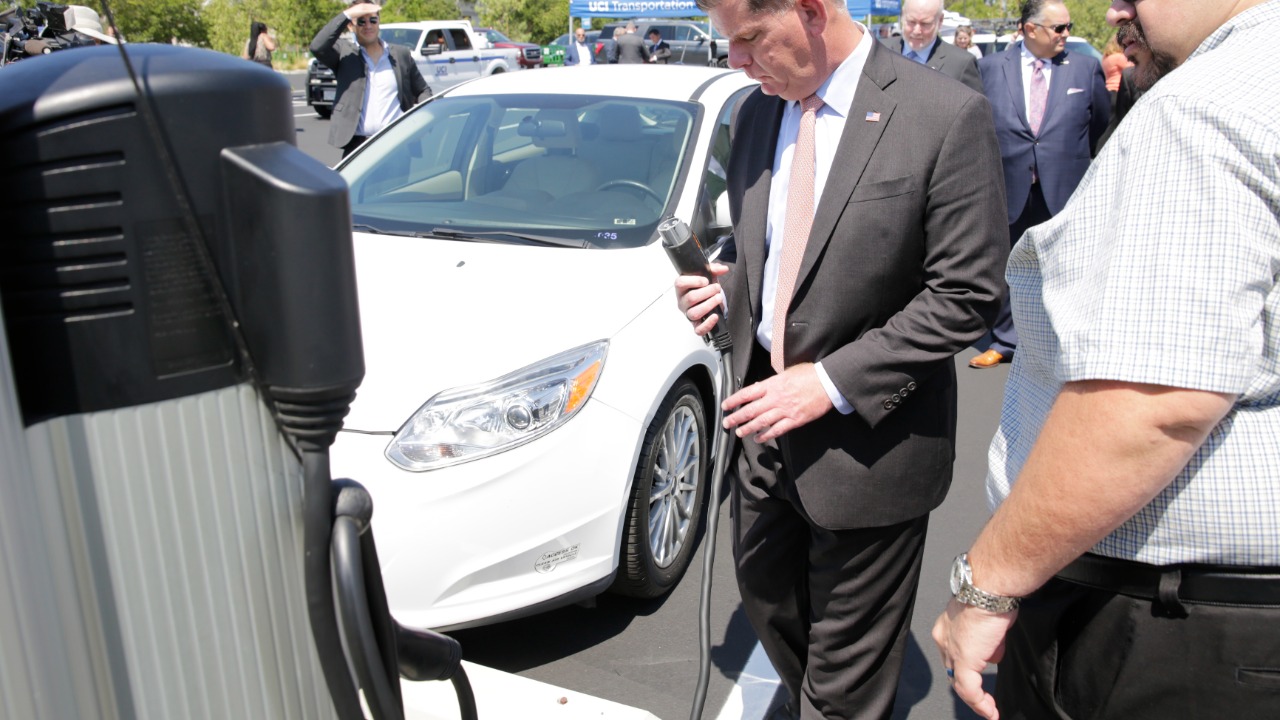
Texas has taken a more conservative approach to the adoption of electric vehicles, which extends to its regulations on EV chargers. In some cases, certain types of chargers are restricted due to their incompatibility with state energy policies. This approach aligns with a broader political stance that questions the rapid shift towards electrification.
The implications of these restrictions can be significant for residents considering an EV purchase. It’s crucial to understand the state’s energy policies, which can be explored in greater detail here. These policies often prioritize traditional energy sources, which complicates the integration of EV infrastructure.
Florida

In Florida, the installation of certain non-networked EV chargers has been limited due to concerns about grid stability and energy management. The state has been cautious about how the growing number of EVs might impact its existing infrastructure, which has led to restrictions on specific charging technologies. This approach aims to mitigate potential risks associated with unregulated energy demand spikes.
For those interested in how these policies impact EV adoption, the ongoing debate between state regulators and environmental advocates is a key point of interest. The discussion highlights the challenges Florida faces as it balances growth with sustainability, as detailed by experts here.
New York

New York has implemented bans on certain EV chargers that do not comply with its rigorous environmental standards. The state is committed to reducing emissions and enhancing energy efficiency, which means that any charging infrastructure must align with these goals. This has led to the exclusion of some older or less efficient charger models.
New York’s emphasis on sustainability is evident in its comprehensive approach to EV infrastructure. The state provides incentives for the installation of compliant chargers, which helps to offset the impact of these bans. For a detailed overview of such incentives, you can visit the ICCT report on state EV incentives.
Ohio
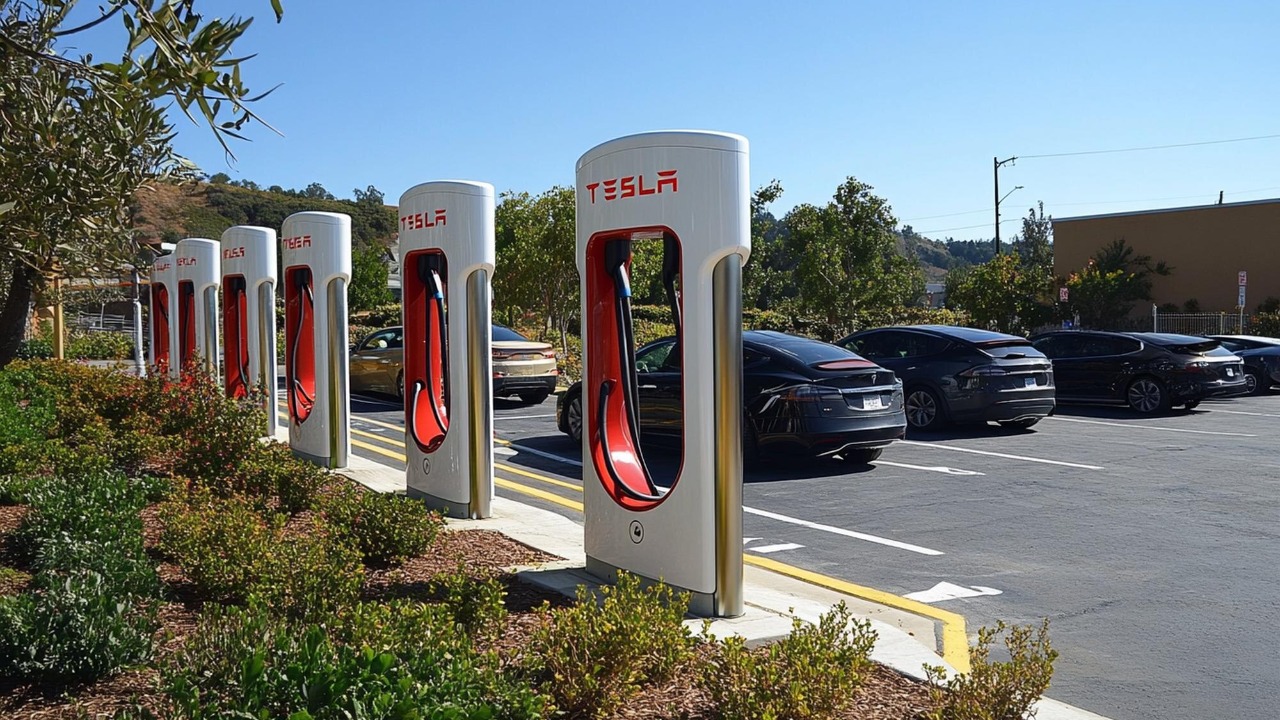
Ohio’s approach to EV chargers is influenced by its broader energy strategy, which remains heavily invested in traditional energy sources. The state has restricted the deployment of certain EV chargers that could conflict with its energy policies. This stance reflects a cautious approach towards the integration of new technologies in the energy landscape.
Residents and businesses in Ohio must navigate these restrictions when considering EV infrastructure investments. The state’s policies can be seen as part of a larger debate on energy diversification, which includes ongoing legal and political discussions. For more insights into the state’s position on EV charging, consider reading about the recent state lawsuits concerning EV charger funding.
