Nature has a way of surprising us, especially when species we thought were lost forever make a remarkable return. These rediscoveries not only offer hope but also remind us of the intricate balance within ecosystems. Here are five such species that were once believed to be extinct but have made a stunning comeback.
The Coelacanth
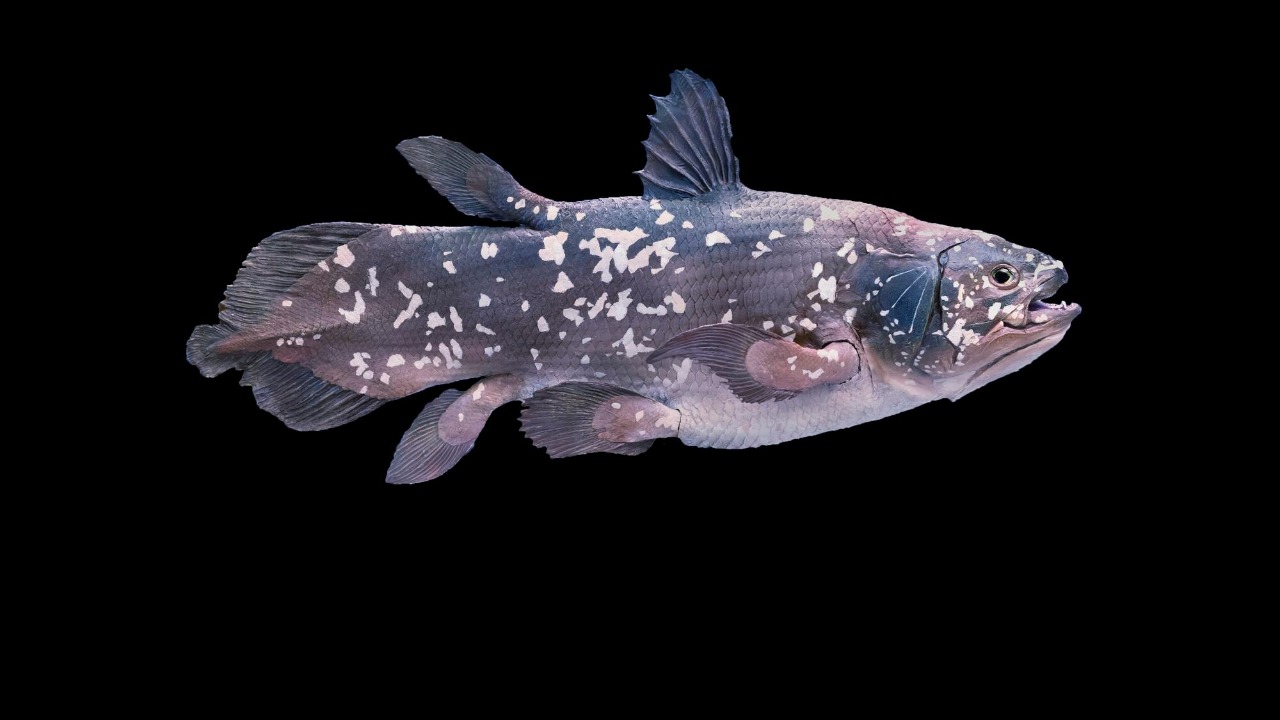
The Coelacanth is a fascinating fish species that was thought to have been extinct for over 66 million years until it was rediscovered in 1938 off the coast of South Africa. This deep-sea dweller, known as a “living fossil,” captured the world’s attention due to its ancient lineage, dating back to the time of the dinosaurs. The Coelacanth’s rediscovery has provided invaluable insights into the evolutionary history of vertebrates.
Interestingly, the Coelacanth was found again more recently in the depths of Lake Superior, showcasing its surprising adaptability to different aquatic environments. Scientists continue to study this species to better understand its biology and ensure its conservation. For more about this astounding discovery, check out the latest research.
The Lord Howe Island Stick Insect
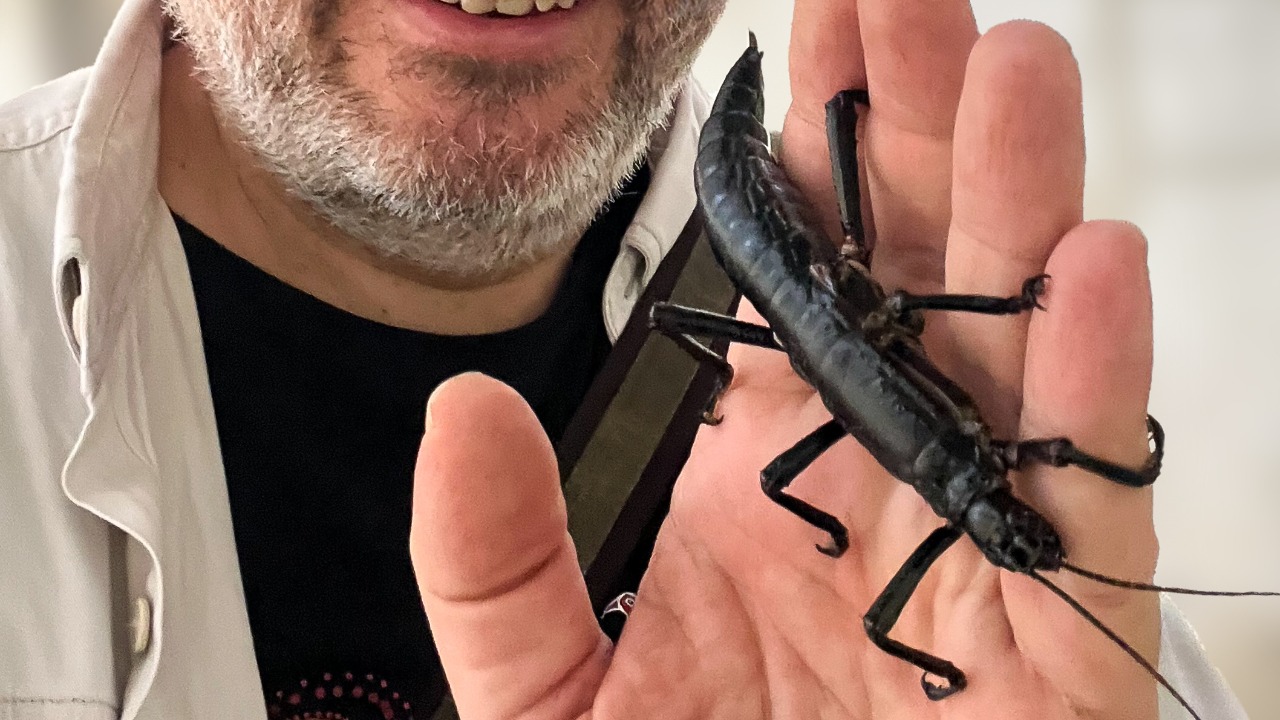
Once considered extinct due to rat infestations on Lord Howe Island, the Lord Howe Island Stick Insect was rediscovered in 2001 on Ball’s Pyramid, a rocky outcrop in the Pacific Ocean. This large, flightless insect is often referred to as the “tree lobster” due to its size and appearance. The rediscovery has sparked conservation efforts to reestablish the species on its native island.
Conservationists have been working tirelessly to breed these insects in captivity, with the aim of reintroducing them to their natural habitat. The success of these efforts is a testament to the resilience of nature and the importance of dedicated conservation programs. More information about this incredible species can be found here.
The Takahe
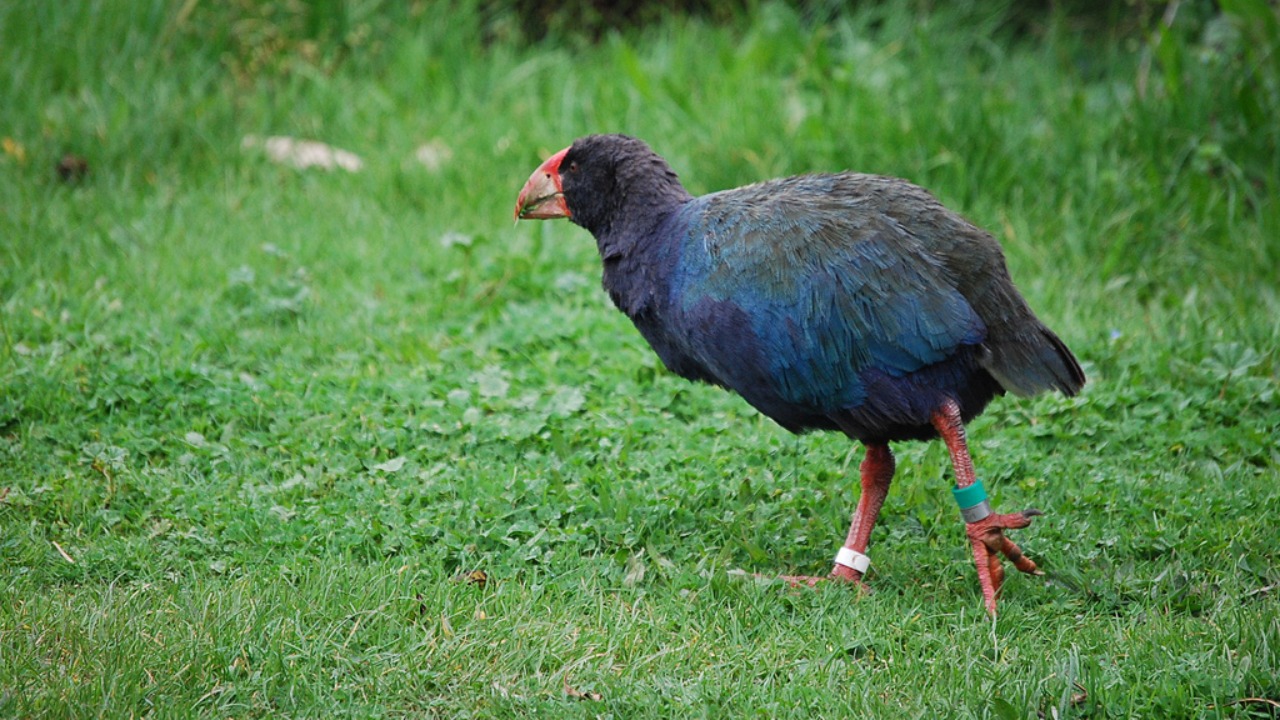
The Takahe is a flightless bird native to New Zealand, thought to have been extinct until it was unexpectedly rediscovered in 1948 in the Murchison Mountains. This large, colorful bird is a symbol of successful wildlife management and conservation efforts in New Zealand. The rediscovery has led to a dedicated effort to protect the species and its habitat.
Today, the Takahe population is slowly increasing thanks to intensive management, including habitat restoration and predator control. These efforts have ensured that future generations can continue to marvel at this unique bird. For a deeper dive into species once thought extinct, consider reading this study.
The La Palma Giant Lizard
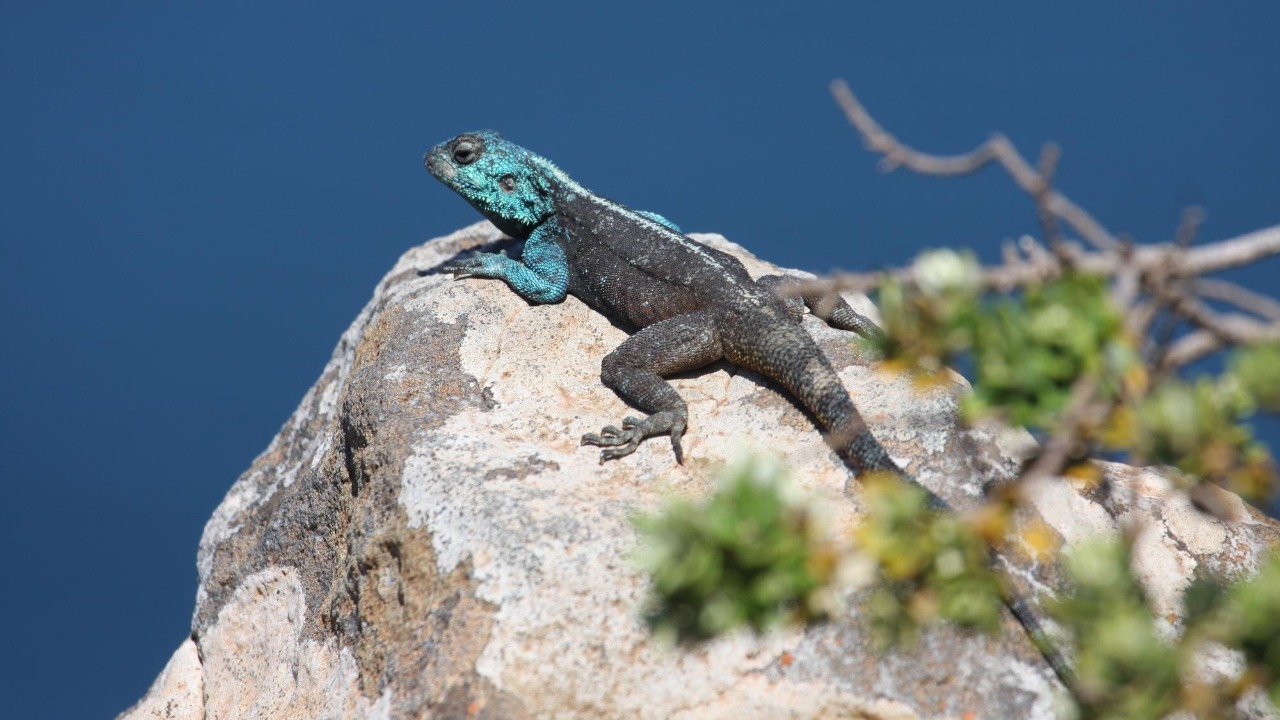
The La Palma Giant Lizard was believed extinct until its rediscovery in 2007 on the Canary Islands. This large lizard had vanished due to habitat destruction and introduced predators but was found clinging to survival on a remote cliff side. The rediscovery has led to conservation efforts to protect and rebuild its population.
Efforts are underway to breed the lizards in captivity and reintroduce them to protected areas. This case highlights the need for ongoing habitat preservation and the impact of human activities on vulnerable species. To learn more about species conservation, explore the insights shared in this publication.
The Javan Elephant
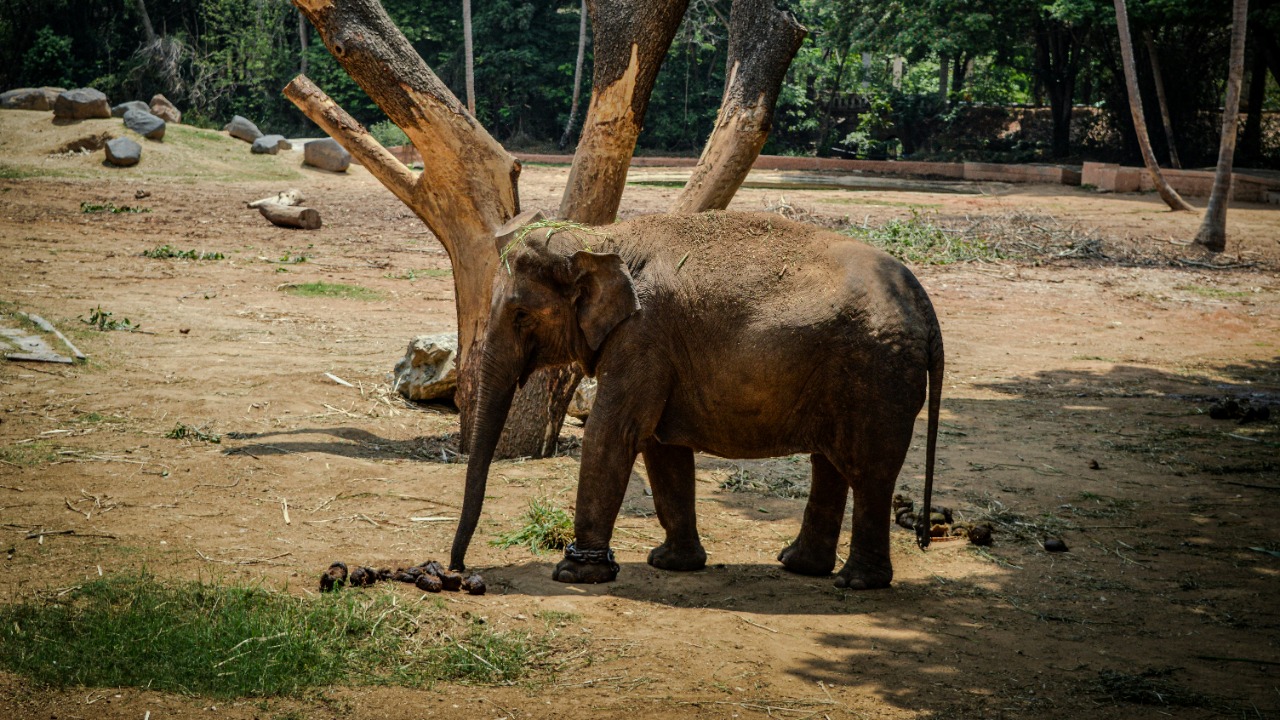
The Javan Elephant was once presumed extinct after disappearing from its native habitat on the island of Java. However, genetic studies revealed that the Borneo Pygmy Elephant is actually a descendant of the Javan Elephant, transported by ancient human settlers. This revelation has given conservationists a new focus for preserving the genetic lineage of this majestic creature.
Efforts continue to protect the remaining elephant populations in Borneo, where habitat loss and human-elephant conflict pose significant threats. This rediscovery underscores the complexity of conservation and the importance of understanding historical species distribution. For more on similar discoveries, visit this article.
