Software updates are a double-edged sword. When done right, they can enhance performance, fix bugs, and bring new features. However, they can also be a source of frustration when they introduce new problems rather than solving old ones. Here are five infamous software updates that ended up breaking more than they fixed.
The Infamous Windows Vista: When ‘Upgrades’ Spell Disaster
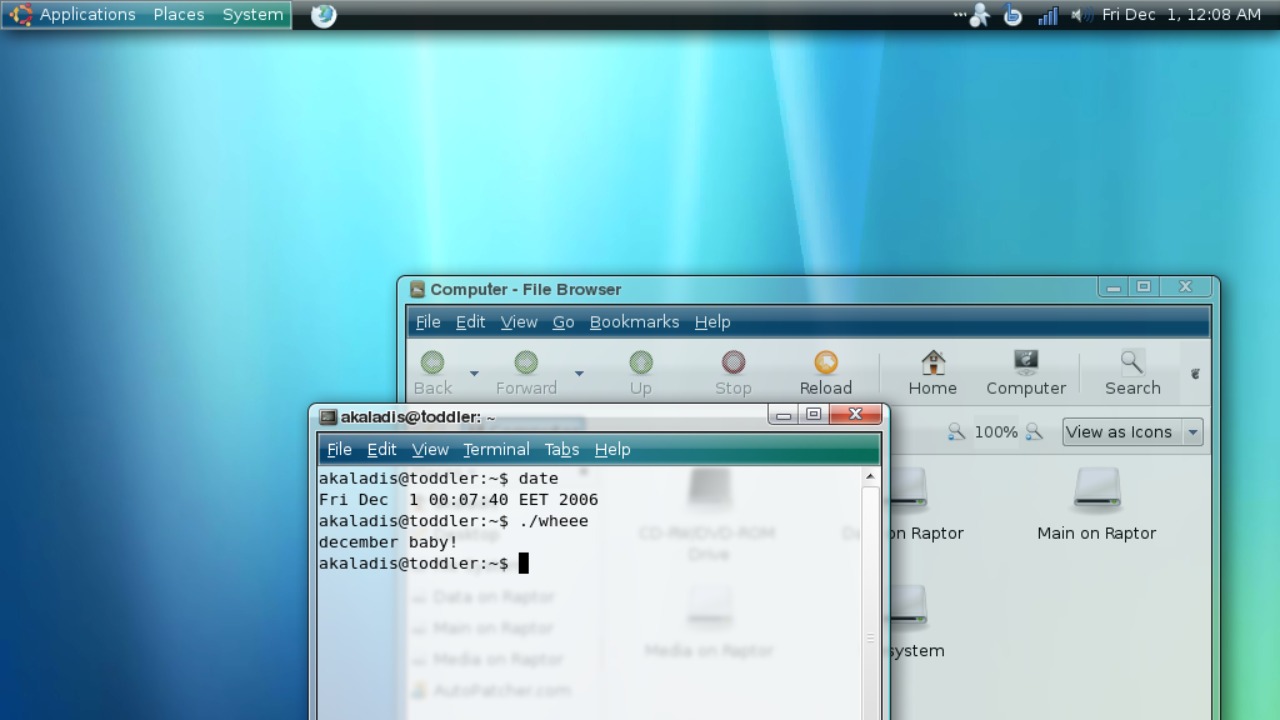
Microsoft’s Windows Vista was meant to be a breakthrough with its new features and user interface. However, it turned out to be a nightmare for many users. The hardware requirements were significantly higher than the previous versions, and the User Account Control was seen as a nuisance rather than a security feature. Many users reported experiencing slower performance and compatibility issues with their existing software.
Furthermore, several updates for Windows Vista caused problems, some of them even breaking the system entirely. Microsoft had to release fixes for these updates, adding to the overall frustration and dissatisfaction with Windows Vista.
The Apple iOS 8 Fiasco: A Lesson in Software Regression
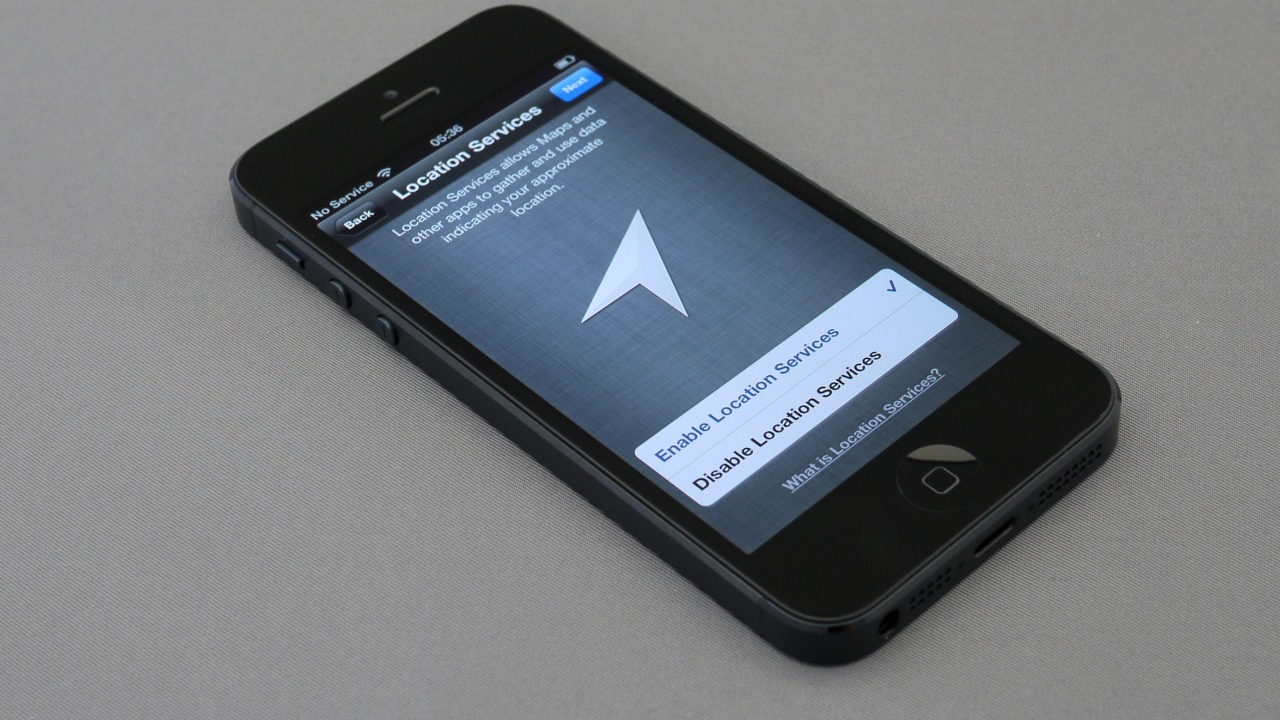
In 2014, Apple released iOS 8 with the promise of improved performance and new features. Instead, the update was plagued with problems, including Wi-Fi issues, battery drain, and even phones not being able to make or receive calls. The 8.0.1 update, meant to fix these issues, caused further problems by disabling the cellular service and Touch ID on many iPhones.
Apple had to swiftly pull the 8.0.1 update and release 8.0.2, which finally addressed most of the problems. However, the damage was done, and many users were left with a bitter taste in their mouths.
The Microsoft Office 2013 Update: A Tale of Lost Productivity
Microsoft Office 2013 was another example of an update gone wrong. The new interface was confusing for many users, and the removal of certain features caused a significant loss in productivity. The worst part was that there was no option to revert to the previous version once the update was installed.
Several updates for Office 2013 also caused problems, such as crashes and loss of data. Microsoft had to release fixes for these updates, but the overall experience left many users frustrated and dissatisfied.
The Snapchat 2018 Redesign: How to Lose Users and Infuriate People
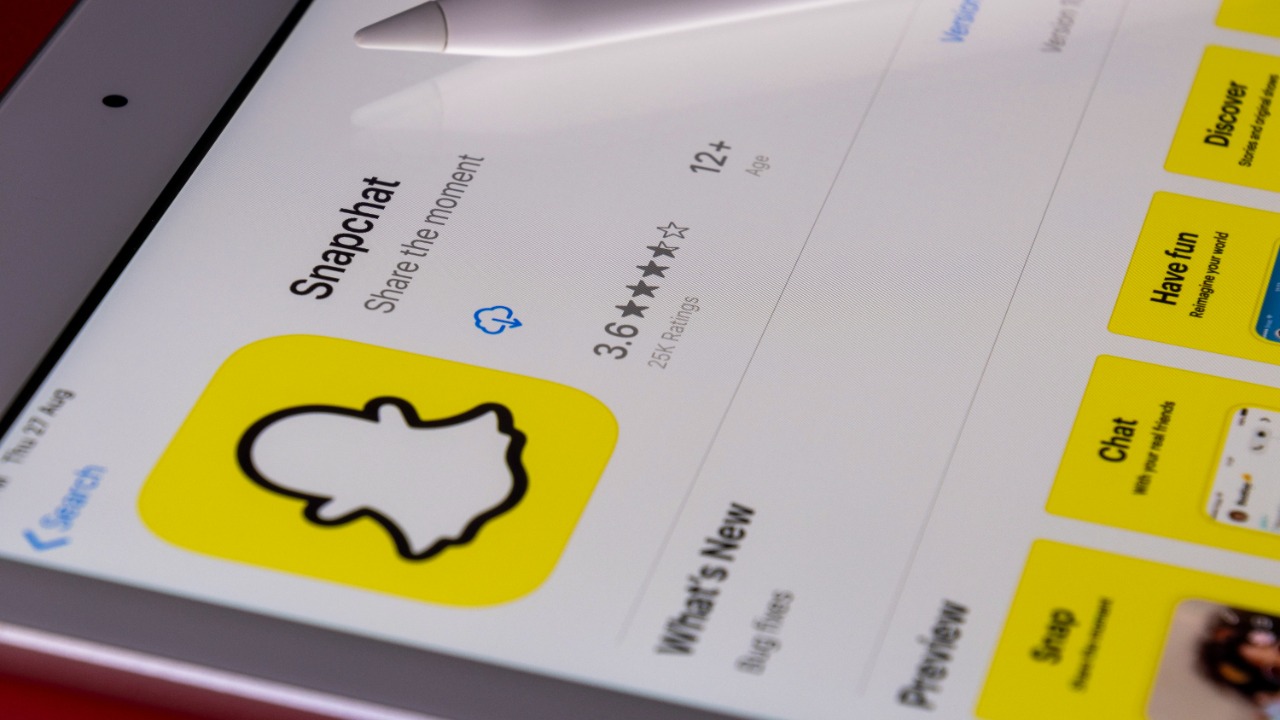
In 2018, Snapchat rolled out a redesign that was supposed to make the app more intuitive and easier to use. Instead, it sparked outrage among its user base. The new design was confusing, and many features were hidden or hard to find. The update resulted in a significant drop in user engagement and a decrease in user ratings on app stores.
Despite the backlash, Snapchat stuck with the redesign, making only minor tweaks in response to user feedback. The handling of the redesign and the subsequent fallout is a textbook case of how not to handle a software update.
The Fallout 76 Patch Debacle: A Game Breaking Update

In the gaming world, the Fallout 76 patch debacle stands out as a prime example of an update breaking more than it fixes. The patch was supposed to address numerous bugs and performance issues. Instead, it introduced new bugs, including one that effectively broke the game by making it impossible for players to reload their weapons.
After the patch, players were reporting issues like crashing, freezing, and even losing their progress. The developers at Bethesda had to work round the clock to fix these issues, but the overall experience left many players frustrated and dissatisfied.
