As automakers continue to innovate, new features in cars are designed to enhance safety and convenience. However, not every feature is embraced by drivers. Many car owners find themselves disabling certain functions that feel more intrusive than helpful. Let’s take a closer look at five car features that are frequently being turned off by drivers.
Overactive Lane-Keeping Assist
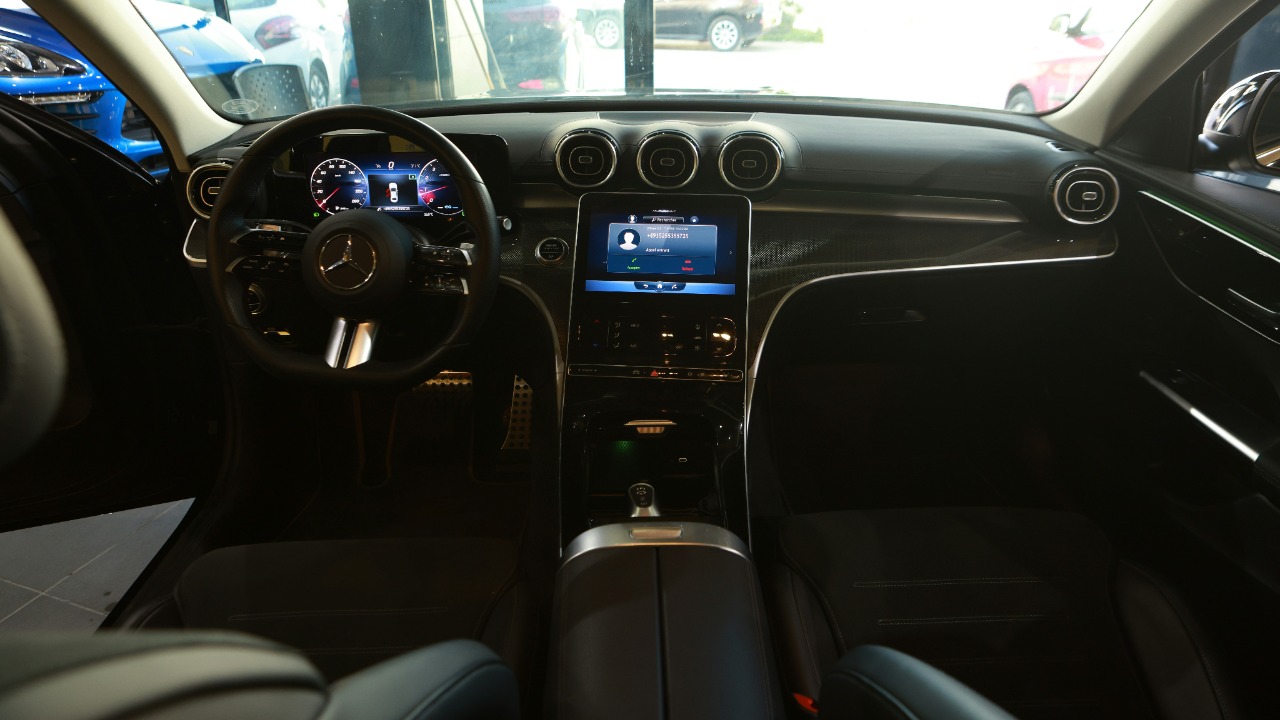
Lane-Keeping Assist is designed to keep drivers safely within their lanes by providing steering inputs. However, this feature can sometimes be overly sensitive, leading to unnecessary corrections that can be more distracting than helpful. Some drivers of models like the 2020 Honda Accord have reported that the system intervenes even on wide roads, which can feel intrusive and annoying.
Turning off Lane-Keeping Assist is a common step for those who find themselves battling with their steering wheel. For those who prefer a more hands-on driving experience, the constant nudges from the system can feel like an unwelcome co-pilot. For more insights on car technology that causes frustration, check out this article.
Intrusive Automatic Emergency Braking
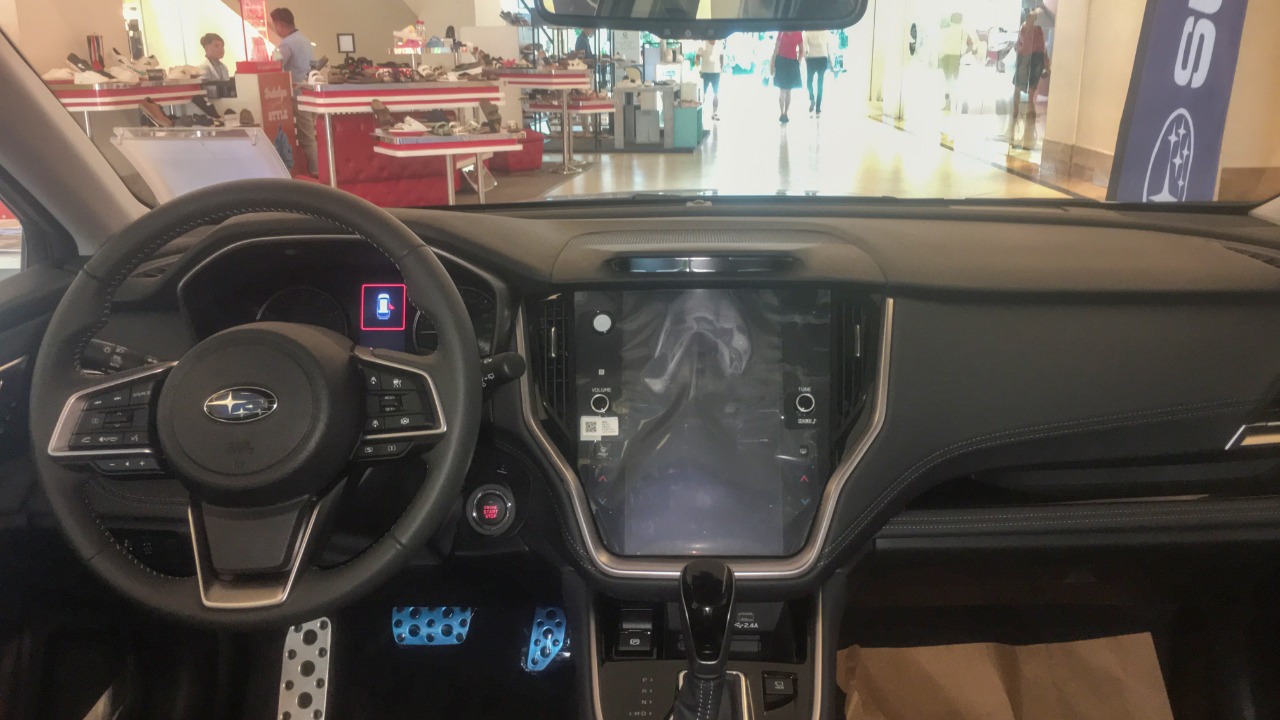
Automatic Emergency Braking (AEB) is designed to prevent collisions by automatically applying the brakes. While it’s a significant safety feature, some drivers have experienced false alarms, causing abrupt stops that can be unsettling. Vehicles like the 2019 Subaru Outback have reported such issues, leading drivers to disable the feature.
For those driving in busy urban environments, where sudden stops can be frequent, turning off AEB can lead to a smoother driving experience. However, it’s crucial to weigh the benefits and potential risks before making this decision. If you’re interested in the broader implications of vehicle technology, you might find this journal article insightful.
Excessive In-Cabin Notifications
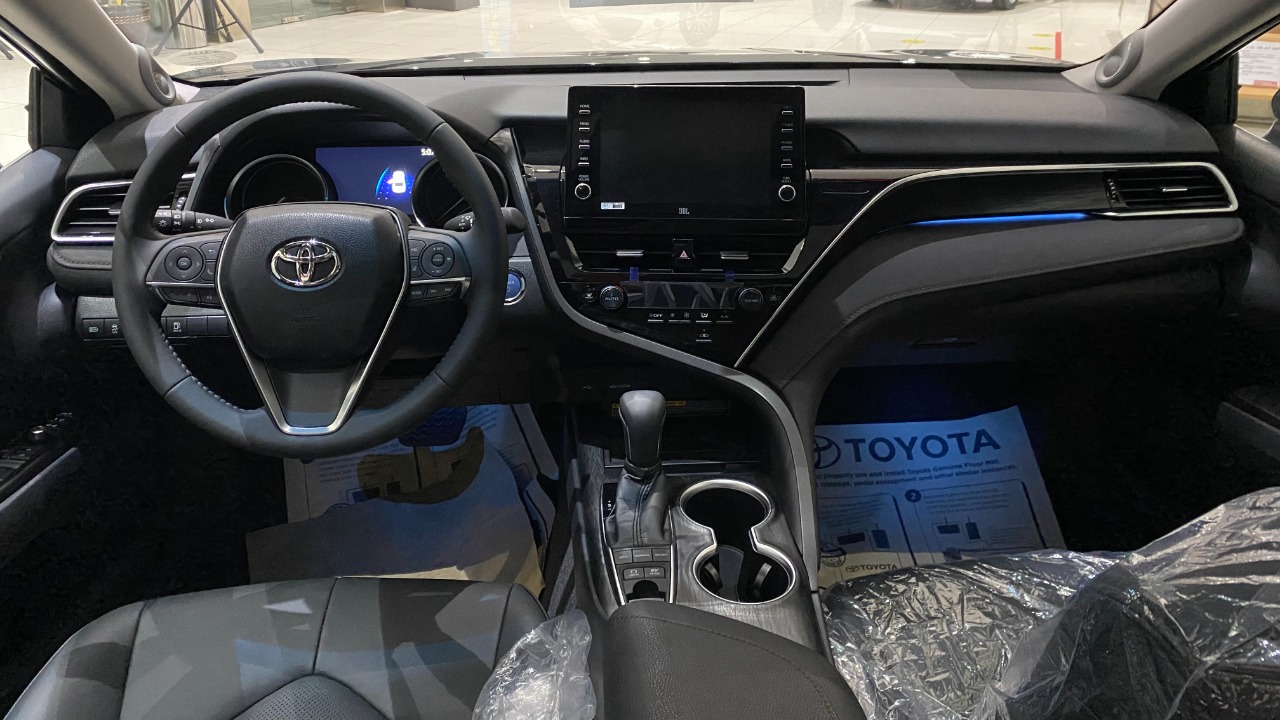
Modern vehicles are equipped with a myriad of notifications intended to inform and alert drivers. However, the constant barrage of alerts—from seatbelt reminders to service notifications—can become overwhelming. Drivers of the 2021 Toyota Camry, for example, have noted the sheer volume of alerts as a source of distraction.
Many drivers choose to customize or disable these notifications to maintain focus on the road. While staying informed is essential, the balance between helpful reminders and distraction is delicate. For a deeper dive into how technology affects driver attention, take a look at this study.
Adaptive Cruise Control Sensitivity
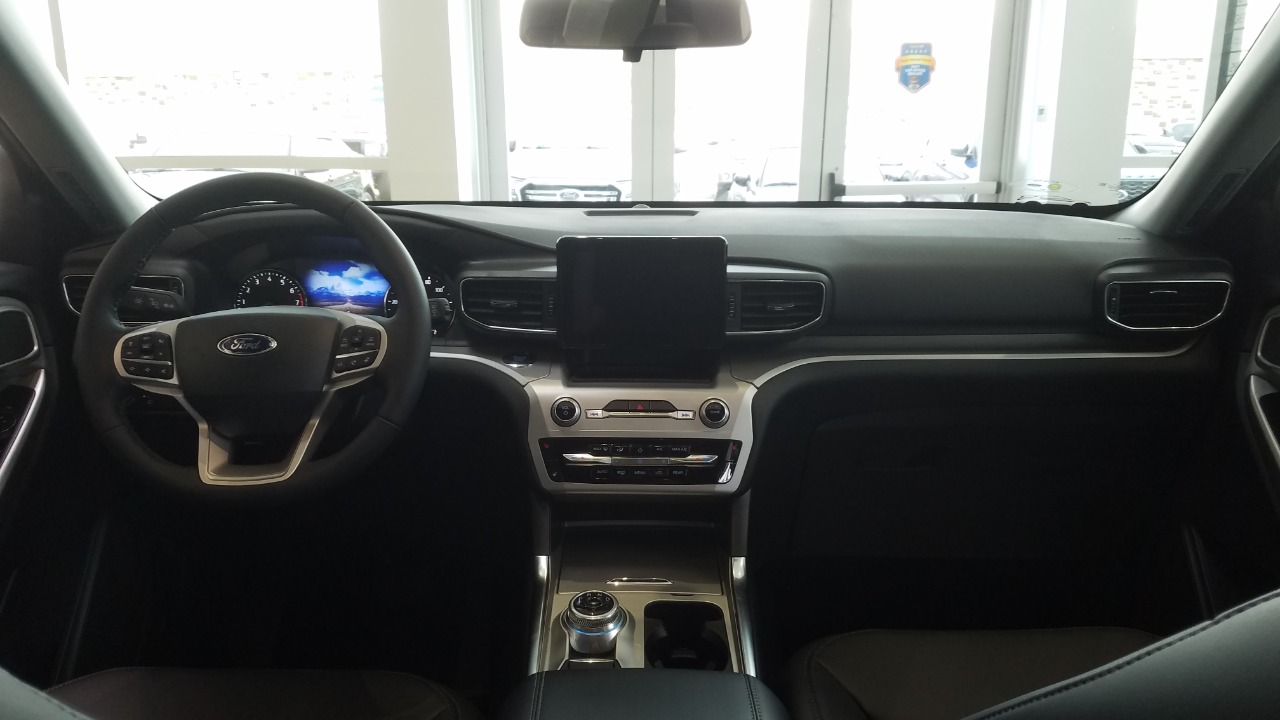
Adaptive Cruise Control (ACC) automatically adjusts the vehicle’s speed to maintain a safe distance from the car ahead. Yet, some drivers find the system too conservative, slowing down more than necessary and disrupting the flow of traffic. Owners of vehicles like the 2022 Ford Explorer have expressed frustrations with its sensitivity.
For those who prefer a more predictable driving experience, the frequent adjustments made by ACC can be frustrating. Disabling this feature allows drivers to maintain greater control over their speed and spacing. For advice on managing vehicle features, you can refer to this guide.
Aggressive Start-Stop Engine Systems

Start-Stop systems are intended to save fuel by shutting off the engine when the vehicle is idling. Yet, many drivers find the constant on-off cycle, such as in the 2021 Jeep Wrangler, disruptive and sometimes even annoying in stop-and-go traffic.
Some drivers disable Start-Stop systems to enjoy a smoother and more consistent driving experience. While the fuel efficiency benefits are clear, the frequent engine restarts can lead to wear and tear concerns. Understanding the balance between efficiency and comfort is key for many car owners.
